Cassata Siciliana – The Festive Ricotta Pie for Easter in Sicily
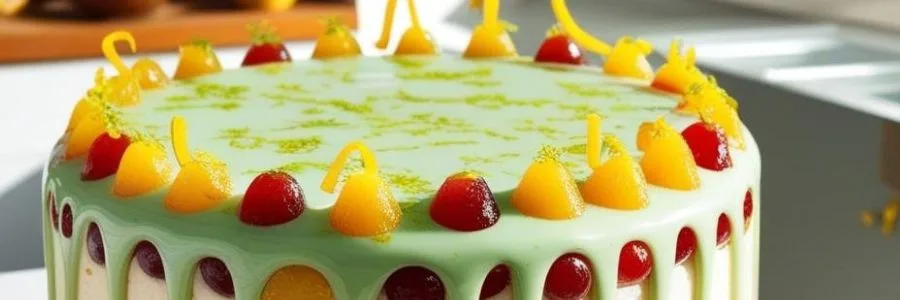
Cassata Siciliana is a traditional Sicilian cake, a decadent layered dessert made with sponge cake (pan di Spagna), sweetened ricotta cheese, marzipan, and candied fruit. Its decoration is a thing of itself, each family creating their own elaborated (or not) version for the Easter festivities. In Sicily you will definitely find it on the Easter tales, alongside Colomba Pasquale, though it’s also a staple for other celebrations like Christmas and weddings.
What is special about this dessert, is its vivid contrast—creamy ricotta filling paired with the almond sweetness of marzipan and the bright chew of candied peel, all wrapped in a colorful, glazed exterior so typical for the Sicilian artistic expression.
What you might NOT know is that Cassata’s origins trace back to the Arab rule of Sicily (9th-11th centuries). That is why its name is derived from the Arabic “qas’at” (a round bowl) or “qas’ah” (cheese mixture), reflecting the island’s multicultural past—ricotta and citrus nods to Arab influence, while the baroque decoration is pure Italian flair.
The Authentic Cassata Siciliana Recipe Card
Cassata Siciliana
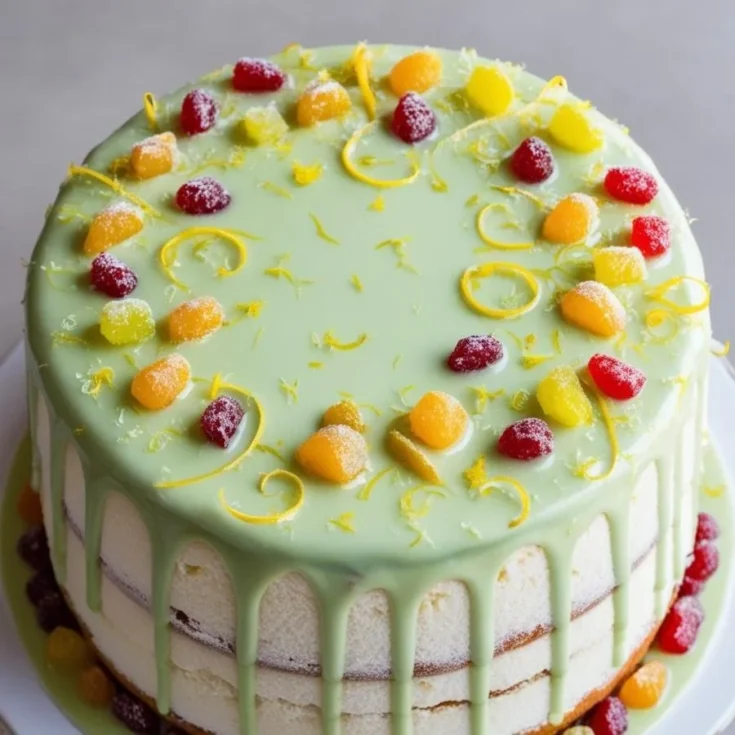
Cassata Siciliana is a traditional Sicilian dessert that combines sponge cake, a creamy ricotta filling, marzipan, and decorative candied fruit. Here’s how to make it:
Ingredients
Sponge Cake (you can use a store-bought sponge cake or make your own):
- 4 eggs
- ½ cup sugar
- ½ cup cake flour
- Zest of 1 lemon or orange (optional for flavor)
Ricotta Filling:
- 2 cups ricotta cheese (drained overnight)
- ½ cup powdered sugar
- ½ cup chocolate chips
- ½ cup candied fruit (such as orange peel or cherries)
- 1 tsp vanilla extract
Marzipan:
- 1 cup almond flour
- ½ cup powdered sugar
- 1-2 tbsp water
- Green food coloring (traditional for the outer layer)
Syrup:
- ¼ cup water
- 2 tbsp sugar
- 1-2 tbsp liqueur (such as rum or maraschino)
Decoration:
- Candied fruit (cherries, orange slices, etc.)
- Icing sugar or royal icing for glazing
Instructions
- Prepare the Sponge Cake:
If making from scratch, beat eggs and sugar until thick and pale (about 5-7 minutes). Gently fold in sifted flour and zest. Pour into a lined 9-inch round pan and bake at 350°F (175°C) for 20-25 minutes. Let cool, then slice into 3 even layers. - Make the Ricotta Filling:
Drain the ricotta overnight in a sieve to remove excess moisture.
Mix the drained ricotta with powdered sugar and vanilla until smooth.
Fold in chocolate chips and candied fruit. - Prepare the Marzipan:
In a sauce pan, combine almond flour and powdered sugar. Add water gradually until a dough forms.
Knead in a few drops of green food coloring.
Roll out the marzipan to about ¼ inch thickness. - Assemble the Cassata:
Line a round cake mold (or bowl) with plastic wrap.
Cut sponge cake into trapezoid shapes to line the sides of the mold.
Brush the cake with syrup to moisten (dissolve sugar in water, cool, then mix in liqueur).
Fill the center with the ricotta mixture.
Top with another layer of sponge cake and brush with syrup.
Cover with plastic wrap and refrigerate for 4-8 hours. - Decorate:
Unmold the cassata onto a serving plate.
Cover the sides with the rolled marzipan.
Glaze the top with icing sugar mixed with a little water (or use royal icing).
Decorate with candied fruit in a decorative pattern. - Chill and Serve:
Refrigerate for at least another hour before serving.
Slice with a sharp knife.
What’s the trick to make a perfect Cassata Siciliana?
Even a beginner cook can succeed if he pays attention to these few tricks::
- Drain the Ricotta Thoroughly: Place it in a sieve over a bowl and refrigerate overnight to avoid a watery filling.
- Use High-Quality Sponge Cake: For homemade, whip eggs and sugar until tripled in volume for a light texture. If store-bought, pick a fresh, moist cake.
- Soak the Sponge Cake Just Right: Brush lightly with syrup—too much makes it soggy, too little leaves it dry.
- Chill for the Right Amount of Time: Refrigerate the assembled cassata for 4-8 hours (or overnight) to set and meld flavors.
- Sharp Knife for Clean Slices: Use a serrated knife and wipe it between cuts for neat slices.

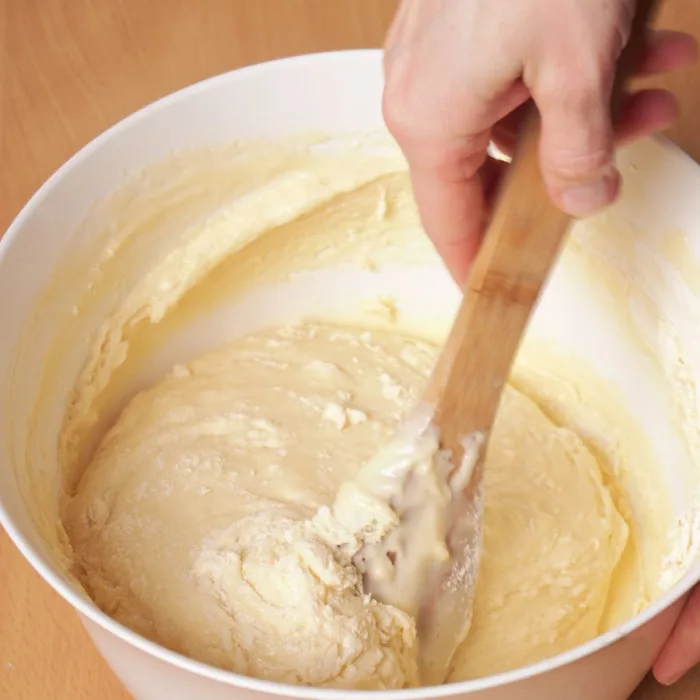

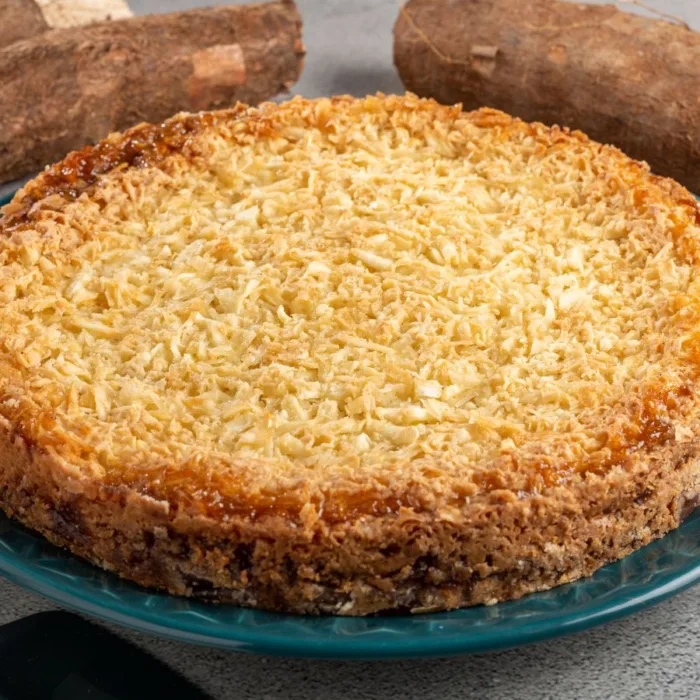
The most common types of Cassata
Cassata is a beloved Sicilian dessert, that comes in several forms: there’s a simple baked one called Cassata al Forno that’s done whenever, a fancier Cassata Siciliana with glaze and marzipan that people make for Easter, and a third kind, small Cassatelle, fried or baked for a quick bite.
- Cassata Siciliana: The ornate, layered cake version, often with green marzipan and icing, shaped into a dome or loaf.
- Cassata al Forno: A simpler, baked version with a pastry crust encasing the ricotta filling, less common but older in origin.
- Cassatelle: Small, handheld fried or baked pastries filled with similar ricotta, a street-food twist.
Cassata al Forno
This simpler Cassata is considered the original, predating the ornate chilled version, with roots in medieval Sicily where bakers first paired ricotta with dough—a humble nod to the island’s Arab-influenced past.
Cassata al Forno Recipe Card
Cassata al Forno
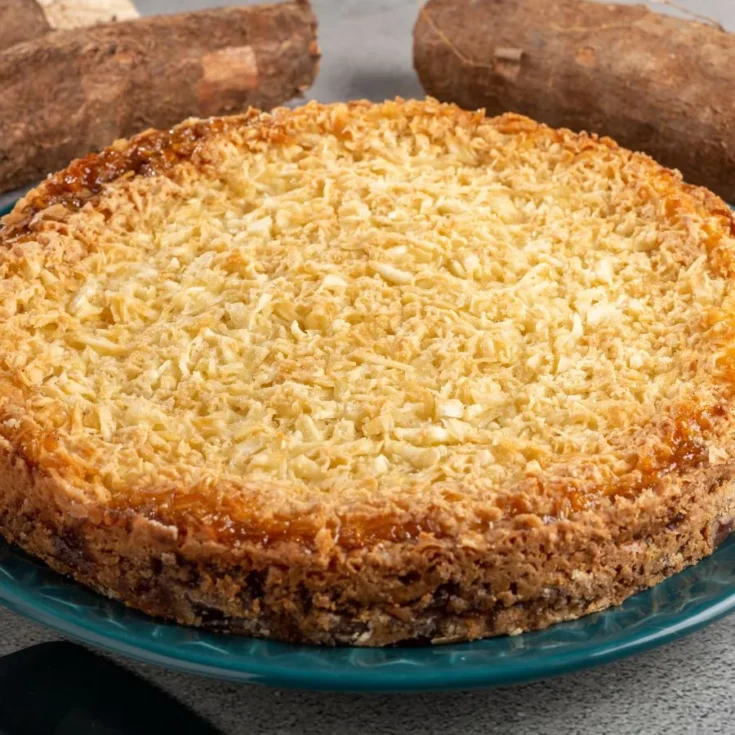
This is a simpler, older take, kind of a ricotta pie. It’s a shortcrust pastry shell (pasta frolla) filled with sweetened ricotta mixed with chocolate chips or candied peel, baked until golden, and often dusted with powdered sugar.
Ingredients
For the Shortcrust Pastry (Pasta Frolla):
- 2 cups (250g) all-purpose flour
- ½ cup (100g) granulated sugar
- ½ cup (120g) unsalted butter, cold and cubed
- 1 large egg
- Zest of 1 lemon or orange (optional, for flavor)
- Pinch of salt
- 1 tsp baking powder (optional, for a lighter texture)
For the Ricotta Filling:
- 2 cups (500g) ricotta cheese (drained overnight)
- ¾ cup (150g) granulated sugar
- ½ cup (80g) dark chocolate chips or chopped chocolate
- ½ cup (80g) candied fruit (e.g., orange peel or citron), finely chopped (optional)
- 1 tsp vanilla extract or a pinch of cinnamon (optional, for flavor)
For Assembly:
- 1 egg yolk (for egg wash)
- Powdered sugar (for dusting after baking)
Instructions
- Prepare the Shortcrust Pastry:
In a large bowl, combine flour, sugar, salt, and baking powder (if using).
Add cold butter cubes and rub into the flour with your fingers or a pastry cutter until it resembles coarse crumbs.
Mix in the egg and lemon/orange zest (if using). Knead briefly until a smooth dough forms—don’t overwork it.
Wrap in plastic wrap and refrigerate for 30 minutes to firm up. - Make the Ricotta Filling:
Drain the ricotta overnight in a sieve over a bowl in the fridge to remove excess moisture.
In a bowl, mix the drained ricotta with sugar until smooth and creamy (you can use a whisk or electric mixer).
Fold in the chocolate chips, candied fruit (if using), and vanilla or cinnamon. Set aside. - Roll Out the Dough:
Preheat your oven to 350°F (175°C).
Divide the chilled dough into two parts: about ? for the base and sides, and ? for the top.
On a lightly floured surface, roll out the larger portion to about ¼ inch (5mm) thick, large enough to line a 9-inch (22-24cm) round baking pan or springform pan.
Gently press the dough into the pan, covering the bottom and sides. Trim any excess hanging over the edges. - Assemble the Cassata:
Spoon the ricotta filling into the dough-lined pan, spreading it evenly. Leave a slight dip in the center (it will puff up during baking).
Roll out the remaining dough to form a circle for the top. Place it over the filling, pressing the edges to seal with the base dough. Trim any excess.
Brush the top with beaten egg yolk for a golden finish. - Bake:
Place the pan in the preheated oven and bake for 40-50 minutes, or until the pastry is golden brown and firm to the touch.
Let it cool completely in the pan before removing (about 1-2 hours). - Serve:
Once cooled, transfer to a serving plate.
Dust generously with powdered sugar.
Slice into wedges and serve at room temperature or slightly chilled.
Can I make Cassata Siciliana in advance in preparation for Easter Sunday?
Yes, you can definitely make Cassata Siciliana in advance for Easter Sunday, and its chilled nature and layered construction make it an excellent candidate for prep-ahead planning. The flavors actually improve as they meld over time, so making it a day or two early can enhance the experience. Here’s how to do it effectively:
Make 1-3 Days Ahead (Ideal)
- How: Assemble the full Cassata—sponge cake, ricotta filling, marzipan casing, and initial icing—following your recipe. Wrap it tightly in plastic wrap (to prevent drying or absorbing fridge odors) and store it in the refrigerator.
- Why It Works: The ricotta needs time to settle and blend with the liqueur-soaked sponge and candied fruit, while the marzipan softens slightly, unifying the texture. Sicilian tradition often involves prepping it on Good Friday for Easter Sunday.
- Finishing: Add the final decorations (candied fruit, extra icing swirls) on Sunday morning to keep them fresh and vibrant. Serve chilled.
- Timeline: Start Friday (or Thursday) for Sunday—2 days is perfect for flavor development.
Freeze for Longer (Up to 1 Month Ahead)
- How: Complete the Cassata up to the marzipan layer, but skip the final glaze and candied fruit topping. Wrap it securely in plastic wrap, then foil, and freeze.
- Thawing: Move it to the fridge on Saturday morning (24 hours before serving) to thaw slowly, then add icing and decorations Sunday morning.
- Why It Works: The sponge and ricotta freeze well, and slow thawing preserves the creamy texture. The marzipan might firm up a bit but softens as it thaws.
- Timeline: Make it in late March, freeze, and finish it Easter weekend.
Prep Components Early (2-4 Days Ahead)
- How: Bake the sponge cake and prepare the ricotta filling 2-4 days ahead. Store the cake wrapped at room temp (or fridge if humid) and the filling refrigerated in an airtight container. Assemble on Friday or Saturday, then chill until Sunday.
- Why It Works: Splitting tasks lets you manage time, and the ricotta’s flavor deepens in the fridge. Just don’t soak the sponge until assembly to avoid sogginess.
- Timeline: Bake Wednesday, assemble Friday, serve Sunday.
Best Trick for Success
Assemble the Cassata on Good Friday and let it chill in the fridge until Easter Sunday. Brush the sponge with extra liqueur (e.g., Marsala or orange liqueur) during assembly to keep it moist, and cover the ricotta with a thin marzipan layer to seal in freshness. Decorate just before serving to wow your guests with those glossy candied cherries on top.
Attention! – Caveats
- Ricotta Quality: Use fresh, well-drained ricotta—watery ricotta can weep if stored too long, so strain it overnight before mixing.
- Decorations: Candied fruit and icing can soften or bleed in the fridge; add them last for that pristine look.
- Storage: Keep it away from strong fridge odors (like garlic)—the ricotta’s a sponge for flavors.
So, yes—Friday’s your sweet spot for freshness and ease, though freezing works if you’re super early.
Fun facts about Cassata:
- Arab-Italian Fusion: The ricotta and candied fruit echo Sicily’s Arab past, while the ornate style reflects Baroque excess—Cassata’s a edible history lesson!
- Easter Connection: Though not as strictly Easter-specific as Colomba, its lavishness makes it a post-Lent indulgence, often paired with a glass of Moscato d’Asti.
- Wedding Star: In Palermo, mini Cassatas (cassatine) are wedding favors, a sweet send-off for guests.
- Colorful Debate: originally the green marzipan was a must (mimicking spring), but nowadays, many people do it with white fondant—Sicilians can get feisty over this!
How is Cassata best paired?
- Coffee: Espresso or cappuccino balances sweetness (Cassata Siciliana with espresso, Cassata al Forno with cappuccino).
- Sweet Wines: Marsala or Moscato enhances fruit and marzipan (Moscato with Siciliana, Marsala with al Forno).
- Tea: Green or jasmine tea cuts richness (Cassatelle with green, Siciliana with jasmine).
- Citrus Liqueur: Limoncello adds zest (any cassata type).
- Fresh Fruit: Berries or citrus contrast sweetness (al Forno with orange, Siciliana with berries).
Tip!! Serve slightly chilled, pair with less sweet options for balance, and match drinks to the occasion (coffee for casual, wine for celebrations).