
Bake the Delicious Homemade Lebanese Cheese Pies (Fatayer Jibneh) Recipe
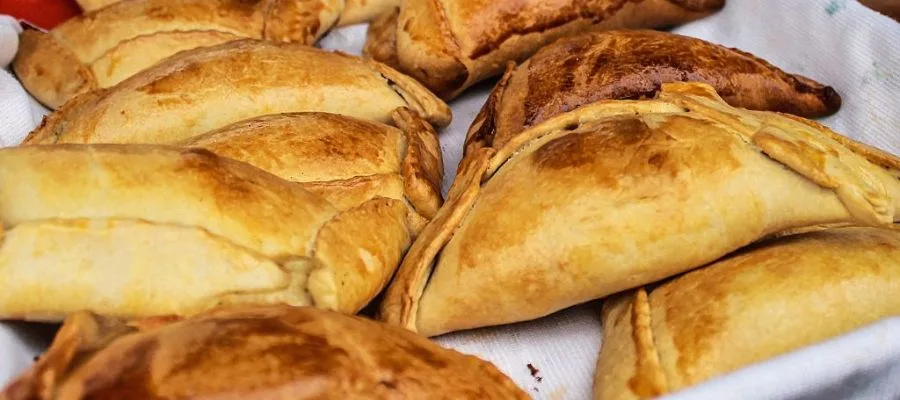
The Lebanese cheese pie, also known as “Fatayer bi jibneh” in its homeland is a real treat among Middle Eastern cuisine. This soft but crunchy dough filled with a flavorful blend of cheeses, herbs, and spices is perfect as appetizer or snack and it is often served alongside other classic Lebanese dishes like hummus, tabbouleh, and shawarma.
Recipe card
Lebanese cheese pie
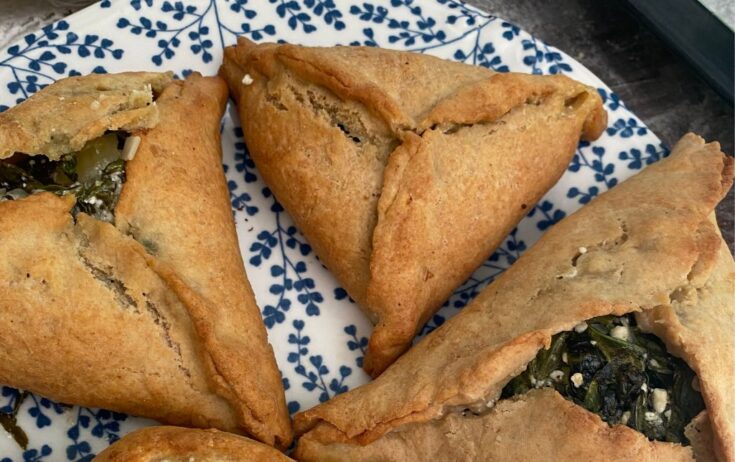
To make Lebanese Cheese Pie, also known as "Fatayer bi jibneh," follow this recipe that combines a homemade dough with a tasty cheese filling.
Ingredients
For the Dough recipe (the authentic fatayer dough is verry similar to the pizza dough):
- 450 g all-purpose flour
- 2 teaspoons instant yeast/ 3 g active dry yeast
- ½ teaspoon salt
- ¼ teaspoon sugar
- 50 ml extra-virgin olive oil
- 250 ml lukewarm water
For the Cheese Filling:
- 1/4 liter Milk
- 1/4 cup Feta Cheese, crumbled
- 1/4 cup Fresh cream cheese, whisked well. (Alternatively you can use 600 g Akkawi cheese OR madjoul cheese OR a mix of Mozzarella, feta, and Halloumi.)
- 150 g spring onions, thinly sliced
- 40 g fresh parsley, chopped
- 2 egg whites
- 30 g melted butter
- 1 teaspoon Nigella seeds (optional)
- ½ teaspoon dried mint (optional)
Egg wash:
- 2 egg yolks
- 2 tablespoons water
- Pinch of salt
- 1 teaspoon Nigella seeds (optional)
Instructions
For the Dough:
1. In a large bowl, combine the dry ingredients.
2. Add the curd and oil and mix well until the ingredients are evenly distributed.
3. Gradually pour in the lukewarm water, a little at a time, and knead the dough with a wooden spoon until it gathers into a soft and smooth dough.
4. Knead the dough on a lightly floured surface for 10 minutes
5. Cover the dough and let it rest in a warm place for about 1 to 1 1/2 hours to allow the dough rise until it doubled its volume.
For the Cheese Filling:
1. In a heavy-bottomed pan, pour the warm milk and bring it to a boil over high heat.
2. Once boiling, turn off the heat and let the milk rest for about 5 minutes, allowing the cheese to set.
3. Use a thin sieve strainer and a muslin cloth to separate the whey and the chenna (cheese).
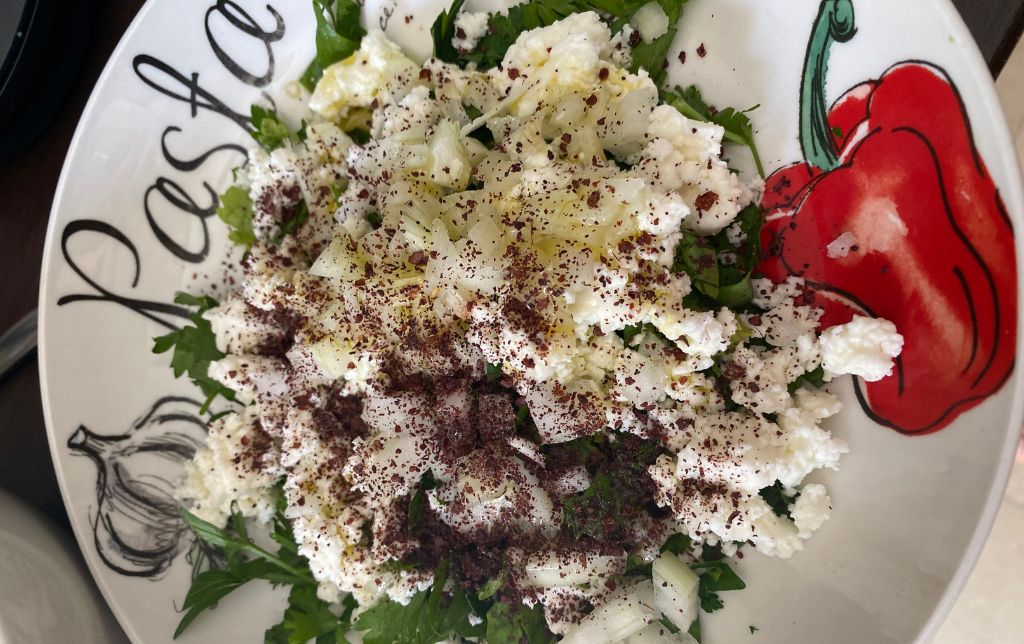
4. In a large mixing bowl, combine the crumbled homemade cheese, feta cheese, pepper, spring onions, parsley, mint leaves, and nigella seeds. Mix well.
Assembling the Fatayer:
1. Preheat the oven to 240°C for 15 minutes.
2. Divide the dough into small portions (about 15 balls).
3. Flatten each dough ball into a circle with a rolling pin, about 4 inches in diameter.
4. Place a spoonful of the cheese mixture in the center of each dough circle.
5. Pinch the sides of the dough together, forming a triangular or boat shape to create a pocket for the filling.
6. Brush the edges of the dough with the whisked fresh cream (I used olive oil instead).
7. Bake in the preheated oven for about 12 to 15 minutes or until the edges of the dough are golden in color.
The traditional filling consists of a mix of cheeses like feta cheese, mozzarella, and sometimes akkawi, a white brine cheese, combined with fresh herbs like parsley and mint, and sometimes a touch of nigella seeds for a subtle earthy flavor.
Here is the step by step preparation of ingredients:


Here is the step by step assembly of the Fatayer:


Types of Lebanese Cheese Used in Cheese Pie
What cheeses can be used in the filling of Lebanese cheese pies?
The key to the irresistible flavors of Lebanese Cheese Pies lies in the combination of distinct cheeses. Three main types of cheese are commonly used in the filling: Akkawi, Kashkaval, and Mozzarella. Each cheese brings its unique characteristics and textures, resulting in a harmonious blend that tantalizes the taste buds.
Akkawi cheese is a mild and slightly salty cheese and forms the base of the filling. It provides a creamy and rich texture to the pie. Kashkaval cheese, on the other hand, adds a nutty and slightly tangy taste. Its firm texture enhances the overall consistency of the filling. Mozzarella cheese, with its stringy and stretchy nature, brings a delightful melty quality to the pie.
The combination of these three cheeses creates a symphony of flavors that is both comforting and indulgent. It is this perfect balance that elevates Lebanese Cheese Pie to a culinary masterpiece.

What is the famous traditional Arabic cheese?
The Middle East is home to a rich variety of cheeses, each with its unique flavor and texture. Some of the most famous Arabic cheeses include:
- Feta: Originating in Greece but widely used in Middle Eastern cuisine, Feta is a soft, brined cheese made from sheep’s milk or a combination of sheep’s and goat’s milk. It is known for its tangy, salty flavor and crumbly texture. Feta is versatile and used in salads, pastries, and as a table cheese.
- Labneh: Labneh is a soft, creamy cheese made from strained yogurt. It has a mild, slightly tangy flavor and a texture similar to cream cheese. Labneh is often used as a spread, in dips, or as a topping for many dishes.
- Ackawi: Ackawi is a mild and soft cheese originating from the Aker region of Palestine. It is made from cow’s milk and has a smooth texture and a mild, slightly salty flavor. Ackawi is commonly used in sandwiches and pastries.
- Nabulsi: Nabulsi is a semi-hard cheese from Palestine, made from sheep’s or goat’s milk. It is brined and has a salty, yet creamy flavor. Nabulsi is often used in traditional dishes like Katayef pastry and as a table cheese.
- Jibneh Arabieh: Jibneh Arabieh is a common cheese in Egypt, Lebanon, and Syria. It is made from cow’s milk and has a mild flavor and semi-hard texture. This cheese is used in various dishes like pastries, sandwiches, and as a topping for many traditional foods.
- Shanklish: Shanklish is a blue cheese from Egypt, Lebanon, and Syria, made from the milk of cows or sheep. It is known for its pungent, creamy, and crumbly texture. Shanklish can be eaten fresh or aged for different flavor profiles.
These cheeses offer a diverse range of flavors and textures, making them an integral part of Middle Eastern culinary traditions.
What is the Arabic squeaky cheese?
The Arabic squeaky cheese is commonly referred to as Halloumi. It is a semi-hard, brined cheese that originated in Cyprus but is widely used in Middle Eastern cuisine.
Halloumi has a unique texture and a squeaky (to some, annoying) feel to it when eaten. This is due to its high melting point. This quality allows it to be easily grilled or fried without losing its shape.
Halloumi is traditionally made from a mixture of goat’s and sheep’s milk, and sometimes cow’s milk is also used. That is why it has a mild, slightly tangy flavor and a distinctive, springy texture. In many Middle Eastern and Arabic-speaking countries, it is often referred to as “white cheese” due to its pale color, so different from other local, more potent cheeses.
What is the Arab cheese like mozzarella?
What you need to search for is a cheese that can be grilled or fried without melting. Therefore, the Arab cheese that is most similar to mozzarella in that respect is Halloumi. Being a brined cheese with a salty flavor, it is comparable to mozzarella’s taste profile. Both cheeses are versatile and can be enjoyed in various dishes, making Halloumi a suitable substitute for mozzarella in Middle Eastern cuisine.
Other types of Fatayer Recipes and Regional Specialties of Lebanese Pie
Lebanese cuisine is known for its regional variations, and Lebanese Cheese Pie is no exception. While the basic recipe remains the same, different regions in Lebanon add their unique touch to this beloved dish.
Coastal Seafood Lebanese Cheese Pie
The dough is usually shaped into a boat or diamond-like form, with the cheese mixture nestled inside, and baked until golden brown. Once out of the oven, the warm, gooey cheese filling is beautifully complemented by the crispy, slightly chewy crust, creating a delightful contrast in textures.
In the coastal regions, seafood is often incorporated into the filling, adding a delightful twist to the traditional recipe. Shrimp, crab, or squid are popular additions that bring a taste of the sea to the pie.
Mountain Herbs and Spices Lebanese Cheese Pie
In the mountainous regions, herbs and spices like za’atar or sumac are used to infuse the filling with a burst of flavors. These regional specialties give Lebanese Cheese Pie a vibrant and diverse culinary landscape.
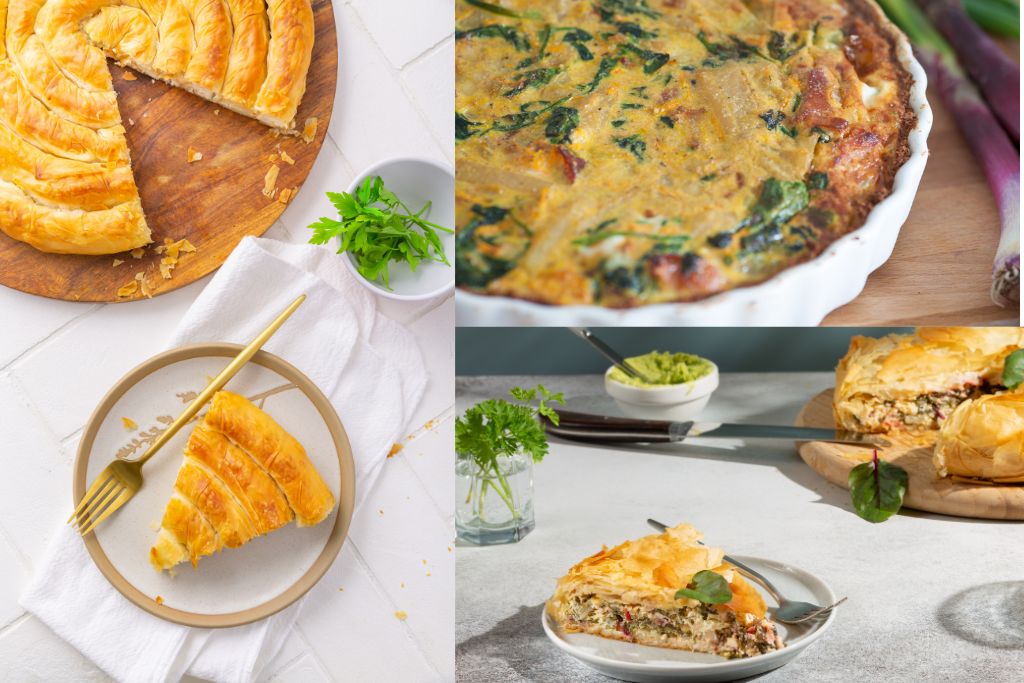
Spinach Lebanese Pie
Another very tasty variation is the spinach fatayer variation (spinach pies). This recipe uses for the filling fresh spinach, onions, sumac, lemon juice, and feta cheese. The key difference from the original cheese pie lies in the use of spinach as the main ingredient, which imparts a more earthy and fresh flavor, complemented by the tanginess of sumac and lemon juice. This variation offers a lighter and more vegetable-forward taste compared to the classic cheese-based recipe, making it suitable for vegetarians.
Meat Lebanese Pie
To make a meat fatayer variation from the Lebanese cheese pie (meat pies), use ground beef or lamb, onions, tomatoes, parsley, and spices such as sumac, and cinnamon. The key difference from the original cheese pie lies in the use of meat as the main ingredient, which imparts a savory and rich flavor profile, complemented by the tanginess and warmth of the spices. This variation offers a heartier, protein-rich option compared to the classic cheese-based recipe and it’s great for growing children.
Tips for Making the Perfect Lebanese Cheese Pie at Home
Here are some pointers to help you along the way:
Tip no.1: type of cheeses for the mix (secret for substituting)
The type of cheese used is important and makes the difference. Even if you could play with the mixing of cheese, reaching a perfect balance between creamy and taste is paramount. If you don’t have the type of cheeses from the original recipes it will probably not be perfect the first time. The good news is that it is so easy to make that you can mix and match until you find the perfect combination for your family taste buds.
Use high-quality cheeses: The quality of the cheese used in the filling greatly affects the taste of the pie. It is better to use the original good-quality Akkawi, Kashkaval, and Mozzarella cheeses for the best results. If you can’t find these particular cheeses in the region you are in, you can replace them as follows: use a mild slightly salted cheese for the base (go to the fresh, not maturated cheeses) and chose any kind of maturated, pressed cheese for the spiced flavor. Instead of mozzarella you can you a creamy, slightly heavy cheese.
Tip no.2: allow the dough to rest
After kneading the dough, let it rest in the refrigerator for at least 30 minutes. This allows the gluten to relax, resulting in a more tender and flaky crust.
Tip no.3: roll the dough evenly
When rolling out the dough, ensure that it is rolled evenly to create a uniform crust. This will ensure even baking and a visually appealing pie.
Tip no. 4: try your local herbs and spices
While the traditional recipe is delicious on its own, don’t be deterred if you can’t find them in your area! You can use different herbs and spices to personalize your pie. Try adding a pinch of oregano or a sprinkle of chili flakes for an extra kick of flavor.
Tip no.5: serve the pie warm
Lebanese Cheese Pie is best enjoyed fresh out of the oven when the cheese is gooey and the crust is still warm and crispy. Serve it alongside a fresh salad or a side of pickles for a complete meal.
Pairing Suggestions for Lebanese Cheese Pie
Lebanese Cheese Pie is a versatile dish that pairs well with a variety of accompaniments. Here are some suggestions to enhance your dining experience:
- Traditional mezze platter: Serve the pie as part of a traditional Lebanese mezze platter, alongside dishes like hummus, tabbouleh, and falafel. The combination of flavors and textures will create a memorable feast.
- Fresh salads: Lebanese cuisine is known for its vibrant salads. Pair the pie with a refreshing fattoush or a tangy tomato and cucumber salad for a well-rounded meal.
- Lebanese beverages: Quench your thirst with traditional Lebanese beverages like Ayran, a yogurt-based drink, or a glass of refreshing mint lemonade. These drinks complement the flavors of the pie and provide a cooling contrast.

Frequently asked questions about Lebanese cheese pie:
Where to Find the Best Lebanese Cheese Pie in Lebanon
If you find yourself in Lebanon, be sure to explore the local establishments that serve the best Lebanese Cheese Pie. There are some amazing traditional bakeries but I recommend the small bustling street food stalls. They have here a wide array of options for your cravings. Here are two bakeries that have their own secret recipes that worth a visit:
- Al Soussi in Beirut: This iconic bakery has been serving Lebanese Cheese Pie for generations, using a closely guarded family recipe. Their pies have flaky crusts with generous but secret cheese fillings.
- Hallab 1881 in Tripoli: this bakery has been delighting locals and visitors with its Lebanese Cheese Pie for over a century.

What is the stringy Lebanese cheese?
Majdouli cheese is a type of cheese that is known for its unique texture and flavor. The cheese is often braided by hand and has a mild taste, similar to mozzarella. It is available in various flavors, often spiced with nigella seeds or caraway seeds. Majdouli cheese is an essential ingredient in many Middle Eastern recipes, especially those requiring a melting cheese, such as beoreg or turnovers. To use it in recipes, it is typically soaked in water to desalt and soften it, making it easier to pull apart the strings for cooking.
What spices are used in Lebanese pies?
The spices are usually used in the filling cream.
Also called Fatayer Bijibn. Spices:
- Cinnamon
- Sumac
- Allspice
- Black Pepper
Also called spinach fatayer. Spices:
- Sumac
- Allspice
- Black Pepper
- Salt
- Olive Oil
Lebanese meat pies are also known as Sfeeha or Lahm bi Ajeen. Spices:
- Cinnamon
- Allspice
- Sumac
- Cayenne
- Paprika
- Black Pepper
- Salt

These spices are used in varying combinations depending on the specific recipe, contributing to the distinct flavor profiles of each type of Lebanese
What is the difference between ‘Sfouf Bi Jebneh’, and ‘Fatayer bi Jibneh’?
The terms ‘Sfouf Bi Jebneh’ and ‘Fatayer bi Jibneh’ both refer to cheese-filled pastries from Middle Eastern cuisine, but they differ in their preparation, shape, and sometimes in the type of dough or cheese used:
Sfouf Bi Jebneh:
- Origin: More commonly associated with Lebanese cuisine.
- Dough: Sfouf generally uses a slightly sweeter or richer dough compared to some fatayer. It might include ingredients like anise seeds or turmeric for color, which is typical for sfouf (a semolina cake), but for Sfouf Bi Jebneh, this could be a variation where the idea of sfouf is adapted into a savory pastry.
- Shape: Sfouf Bi Jebneh might be prepared in a square or rectangular shape, often cut from a larger tray like a tray bake, or sometimes rolled into small spirals or braids, which is less common for fatayer.
- Filling: While it still contains cheese, the cheese might be combined with other ingredients or flavored differently to suit the sfouf style, perhaps with a hint of sweetness or additional spices.
- Texture: Due to the influence from sfouf, there might be a slightly different texture, possibly denser or with a richer flavor profile.
Fatayer bi Jibneh:
- Origin: Widespread in Levantine cuisine including Lebanon, Syria, Palestine, and Jordan.
- Dough: Typically uses a yeast dough similar to pizza or bread dough, focusing on a balance that’s not too sweet, designed to complement the cheese filling.
- Shape: Fatayer bi Jibneh are usually formed into triangles by folding the dough over the filling and pinching the edges together. This triangular shape is distinctive for fatayer.
- Filling: The cheese filling in fatayer is straightforward, focusing on the cheese’s flavor, often combining cheeses like Akkawi, Nabulsi, or sometimes Feta for varied textures and tastes. Herbs like parsley or mint might be added for flavor.
- Texture: The texture of the dough in fatayer is meant to be light and fluffy on the inside with a crispy exterior, providing a nice contrast with the melted cheese filling.
Seeing this, we might suspect that Sfouf Bi Jebneh might be a local, newer twist on the classic Fatayer bi Jibneh, offering a unique take on the famous cheese pastry. It may reflect a culinary evolution where traditional recipes are lovingly tweaked by local chefs or home cooks to fit the tastes and ingredients available in their area, potentially offering a delightful surprise to those familiar only with the more widespread Fatayer bi Jibneh.
Is it true that the Lebanese Cheese Pie (Fatayer bi Jibneh) is 5000 years old?
While your fatayer is baking and you relax a bit near the oven, it might be worthy of finding out about the long and fascinating history of this dish. Its roots are traced back to the heart of Lebanon. This recipe was passed down through generations since probably millennia. Five that we can go back to… but most probably more! Also, based on its reach history, it has various regional variations that make this dish even more intriguing.
Back in ancient times, this arabic cheese pie also known as ‘Fatayer bi Jibneh’ was a staple dish in arabic kitchen households, all accross Levantine cusine. This means all across Lebanon, Syria, Palestine, and Jordan. But don’t imagine it was prepared every day. Back then the times were hard and food scarce. This was a rich dish prepared for special occasions and celebrations.
Lebanese Cheese Pie has been passed down from sitt to hafida (grandmother to grand daughter) through generations, with families cherishing their secret recipes. The art of making this pie is a skill that was learned and perfected over thousand of generations, creating a connection to the past and preserving the culinary heritage of Lebanon. For those of us lucky to have had a grandmother with arabic roots, the memory of watching her making pastries will always be warm with love, and a remembrance of family, and tradition.
Other breakfast recipes with great success in our family:
Fluffy Japanese pancakes recipe
Rise and Shine with Delicious Overnight Oats (easiest breakfast ever!)
If you love all things mediterraneo like me, you will love these:

You will find here, many more mediterranean recipes:



…or if you want to travel here to experience it first hand:




Wow, this was so insightful! The information you’ve shared is
not only practical but also very relevant for anyone working on healthier habits.
I love how you kept things simple. I’m going to link to this article on my own blog about nutrition and wellness
– I know my audience will find it just as valuable.
Appreciate your work