
The Hearty Companion to Rich Winter Dishes
Polenta is a traditional Italian dish, essentially a porridge made from boiled cornmeal. This dish is so simple to make and so versatile during the winter season when you can make it accompany any fatty tasty delight.

Recipe Card
Italian Polenta

This recipe will easily accompany any tasty savory meat you will serve during the winter. It's easy to make, tasty and best of all, gluten free. And it keeps your belly happy and full!
Ingredients
- Coarse-ground Cornmeal (Polenta): 1 cup
- Water or Chicken/Vegetable Stock: 4 cups (using stock adds more flavor)
- Salt: 1 teaspoon, plus more to taste
- Butter: 2 tablespoons (optional for creaminess)
- Parmesan Cheese: 1/2 cup, freshly grated (optional)
- Extra Virgin Olive Oil: A drizzle (optional)
Instructions
- Boil the water (stock):
Bring the water or stock to a boil in a large, heavy-bottomed pot. Add salt. - Add the Cornmeal:
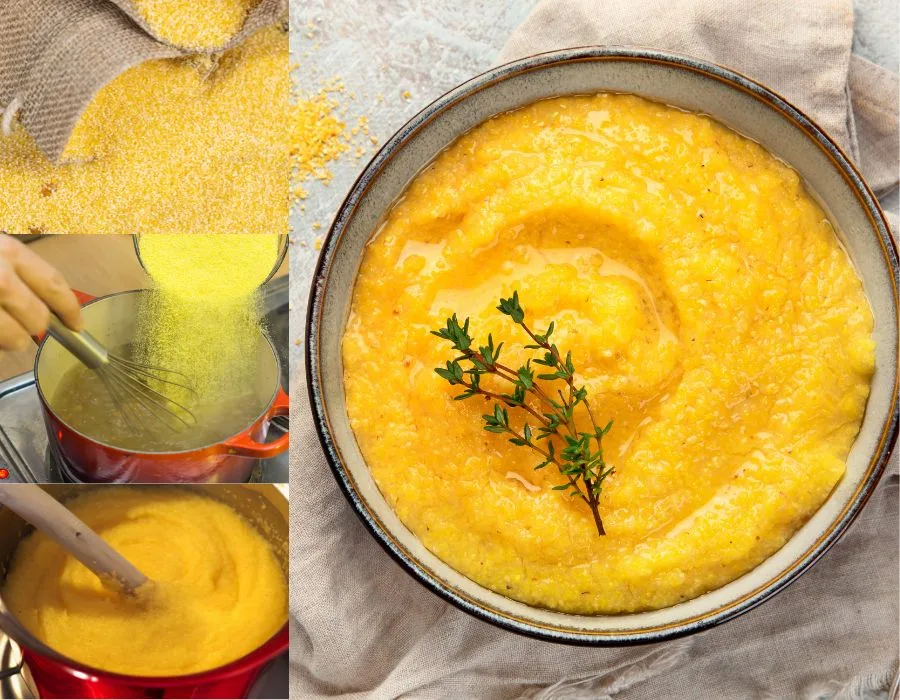
Slowly pour in the polenta while whisking constantly to avoid lumps. Keep whisking for the first minute or so until the mixture starts to thicken. - Cook the Polenta:
Once the polenta starts to thicken but is still pourable, reduce the heat to low.
Switch from a whisk to a wooden spoon. Continue stirring frequently to prevent sticking and burning. If you prefer a creamier texture, stir more often.
Cook for about 30-40 minutes. The polenta should be creamy, and the grains should no longer be gritty. - Add Flavor:
After the polenta has cooked, remove from heat. Stir in butter for extra richness and creaminess. Add grated Parmesan cheese if using, mixing until it's fully melted and incorporated. - Season and Rest:
Taste and adjust seasoning with more salt if needed.
Let the polenta sit for a few minutes before serving. This allows it to thicken slightly. - Serve:
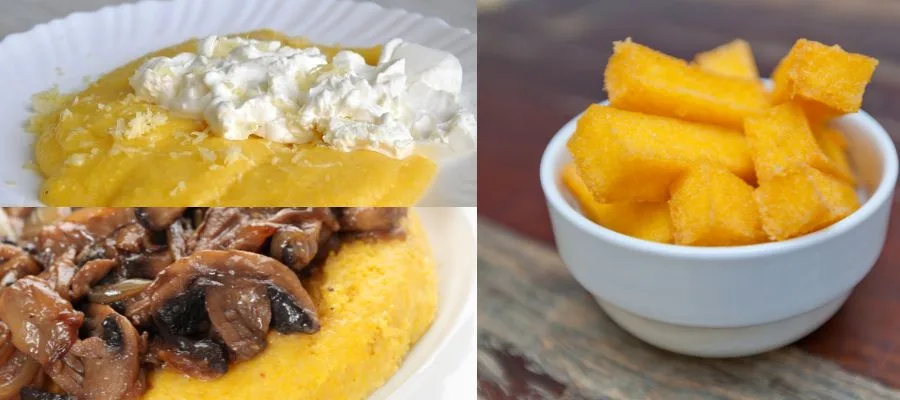
Polenta can be served soft and creamy, or you can pour it into a baking dish to cool and set, then cut into shapes and fry or grill for a different texture.
Drizzle with olive oil right before serving for an extra touch of flavor.
Notes
- Consistency: If you prefer your polenta thicker, use less liquid; if you like it creamier, add more liquid. The ratio can be adjusted to your taste.
- Stirring: Polenta requires attention; constant stirring prevents it from sticking and burning, but stirring too vigorously might make it gluey. When you stirr, pay attention: the polenta is a "naughty" boiler, it jumps all over the place and it burns the skin really bad!
- Variations:
- Firm Polenta: After cooking, pour the polenta into a dish to cool. Once set, you can slice it and grill, fry, or bake.
- Add-Ins: You can incorporate various ingredients like herbs, cheeses, sun-dried tomatoes, or even sautéed mushrooms into the polenta for different flavors. - Reheating: Polenta can be reheated with a splash of water or milk, stirring until it reaches the desired consistency again.
Here are some tips to turn your first time into a success:
Which texture will you need?
First and foremost decide what kind of polenta do you want to make. With what will you eat it?
- If you intend to eat the polenta mixed with some cheese, cream cheese, eggs etc… you can make it soft, and you will need a bit more water. Change the ration from 1:4 to 1:4.5 or even 1:5, depending on how coarse is the corn flour
- If you intend to eat it alongside some veal marsala, or any other stew, then you will need a firmer texture.
- Spread it in a pan to cool if you want to cut and fry or grill later.
Choose the Right Cornmeal:
- Coarse Grind: Use coarsely ground cornmeal for traditional polenta. It takes longer to cook but gives the best texture.
- Quality Matters: Opt for high-quality, stone-ground cornmeal for the best flavor.
Liquid Ratio:
- The ratio of liquid to cornmeal can vary. A general guideline is 4:1 (liquid to cornmeal), but you can adjust this for creamier (increase water) or firmer polenta (increase corn flour).
To make it tasty and rich:
- First and foremost do not forget to put salt in the liquid, before you pour the corn flour!
- Use stock (chicken, vegetable, or beef) instead of water. This will make a significant difference in taste.
- Add butter at the end to enhances richness.
- Ad cheese (Parmesan, Gorgonzola, or another cheese). It will add depth of flavor.
- For an ultra-creamy polenta, finish with a little cream or milk.
- Consider adding herbs like thyme or rosemary during cooking for a flavor boost.
- Experiment with different add-ins like sun-dried tomatoes, roasted garlic, or sautéed mushrooms to personalize your polenta.
Consistent Stirring:
- Whisk continuously as you pour in the cornmeal, and then stir often with a wooden spoon.
- Stir frequently to avoid lumps. However, avoid over-stirring as it can make polenta gluey. A happy medium helps achieve a creamy texture.
Slow Cooking:
- Cook on low heat for a longer period to allow the cornmeal to fully absorb the liquid and cook through without burning. This could take 30-45 minutes for coarse cornmeal.
Resting Time:
- Let the polenta rest for a few minutes after cooking. It will thicken slightly and become even creamier.
Make Ahead:
- Polenta can be made ahead, cooled, and then reheated with additional liquid. This method also allows you to cut it into shapes for frying or grilling.
Temperature Control:
- If the polenta sticks or burns at the bottom, the heat might be too high. Lower it and keep stirring.
Cooking Method:
- Besides stovetop, you can cook polenta in the oven for a hands-off approach. Mix everything in an oven-safe pot, cover, and bake at a low temperature for about an hour, stirring occasionally.
The secret tip!
- After you top over the polenta, pour some milk into the pan and let it boil for a minute. Let it rest 10 minutes then enjoy it along with the delicious crust that forms around the edges of the pan. You will thank me!
Can I cook polenta in the oven from scratch? What about microwave?
You can but I don’t recommend it. You will need to make all the whisking and the stirring in the oven and the oven heat will be lost every time you open it. The same goes for microwave too.
Is polenta the same as grits?
While polenta and grits share similarities, they are not the same. Key difference between polenta and grits:
- Corn Variety: While polenta can be made from different types of corn, grits traditionally use dent corn, which is a specific variety of corn with a higher starch content.
- Grind: Grits are usually ground finer than polenta cornmeal, affecting the final texture of the dish.
- Culinary Tradition: Polenta is steeped in Italian culinary tradition, while grits are a staple in Southern U.S. cuisine.
- Preparation Time: Traditional polenta might require longer cooking because of the coarse grind, whereas grits, especially quick-cook varieties, can be prepared faster.
How do Italians eat polenta?
- Polenta fritta: Slice and fry in hot oil until golden.
- Polenta ai ferri: Brush with oil and grill.
- Torta di polenta: Add chopped salami, parmesan cheese, butter, and egg yolks to the polenta while it’s still stiff, then fold in beaten egg whites and bake.
- Baked polenta: Slice into strips, brush with olive oil, and pan-fry or bake until golden.
What Do You Do If Your Polenta Gets Lumpy?
- Whisk vigorously or use an immersion blender to smooth out lumps. If it’s too late, you might need to start over by adding more liquid and straining the lumps out.
Is Polenta Healthy?
- Polenta can be part of a healthy diet. It’s high in complex carbohydrates, provides fiber, and is low in fat. However, watch out for added fats and cheeses which can increase calorie content.
Can You Use Instant Polenta?
- Yes, for a quicker meal. Instant or pre-cooked polenta saves time but might not have the same texture or flavor as traditional polenta.
If you love all things mediterraneo like me, that means you will love these:

Orecchiette di Manzo al Limone
Veal Marsala


Mediterranean Rice
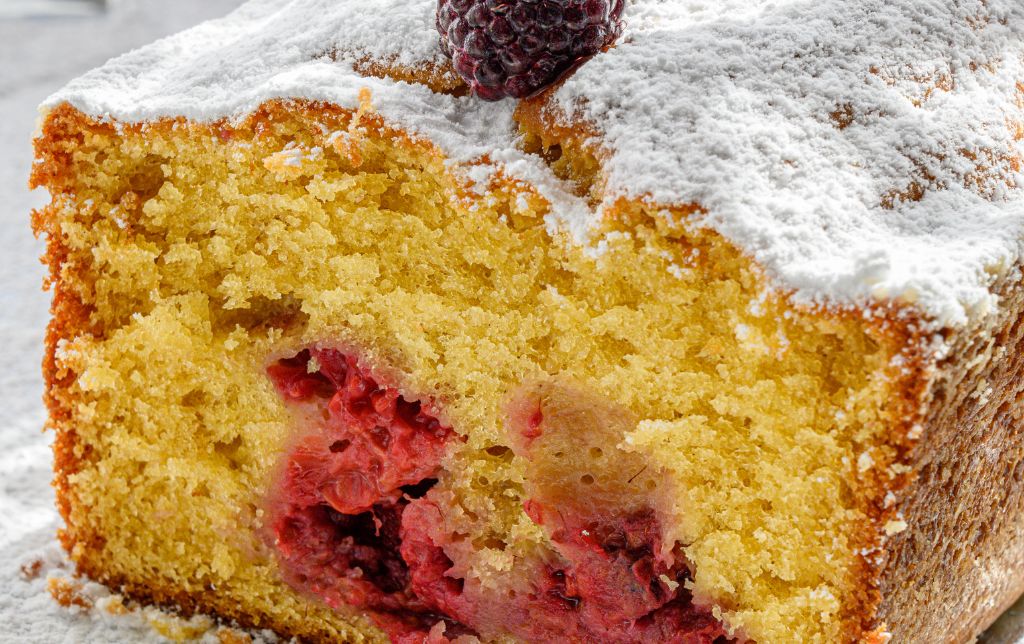
Raspberry and Lemon Loaf






I love how you made polenta sound so easy in your post—I’m not scared to give it a shot now.
I’ve tried polenta a bunch—sometimes it’s this cozy bowl of comfort, other times it’s a lumpy disaster, no idea what I’m doing wrong! Your Italian polenta post was a total win; followed your slow-stir tip, and it came out smooth and creamy—way better than my old clumpy messes. Quick question: how coarse should the cornmeal be? I’ve got a bag that’s kinda gritty—will that mess it up?