
The Chewy Delight of Italian Cafeteria
Oh, amaretti, I can never have enough of them, especially when served with a flavorful cup of Italian coffee! This chewy biscuits are sinfully easy to bake given how tasty and versatile they are! They have a crisp exterior and chewy, almondy interior. Honestly, this area (the mediterranean!) was blessed with fresh, flavorful food but, God, did they know how to receive the gift and make it better!

Recipe Card
Biscuit Amaretti

This dessert is a very old recipe of an unexpected combination between almond flavor and crisp yet chewy texture of the egg white.
Ingredients
- 200g almond flour or finely ground almonds
- 200g granulated sugar
- 2 large egg whites
- 1 teaspoon almond extract (optional, for extra flavor)
- 1/4 teaspoon vanilla extract
- A pinch of salt
- Powdered sugar, for rolling
Instructions
- Preheat your oven to 160°C (320°F). Line a baking sheet with parchment paper.
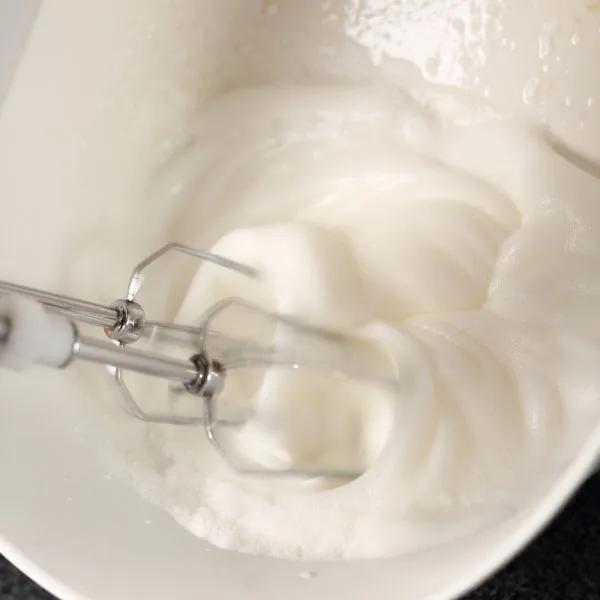
- In a clean, dry bowl, whisk the egg whites with a pinch of salt until they form stiff peaks. This can be done by hand or with an electric mixer.
- In another bowl, mix the almond flour and granulated sugar until well combined.
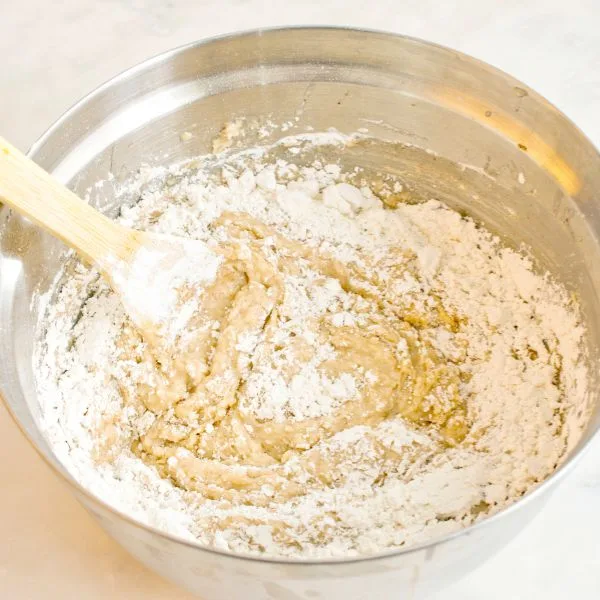
- Fold the almond-sugar mixture into the stiff egg whites gently, trying to keep as much air in the mixture as possible. Add the almond extract and vanilla extract if using. The dough will be thick and sticky.
- Place some powdered sugar in a shallow bowl. With slightly wet hands (to prevent sticking), take small amounts of the dough (about 1 tablespoon) and roll them into balls. Then roll each ball in the powdered sugar to coat thoroughly.
- Place the sugar-coated balls on the prepared baking sheet, spacing them about 2 inches apart because they will spread slightly.
Bake for about 20-25 minutes or until they have a golden color but are still slightly soft in the center. They will harden as they cool. - Let the amaretti cool on the baking sheet for a few minutes before transferring them to a wire rack to cool completely. They should be crisp on the outside and chewy on the inside when cool.
Notes
- For a more authentic texture, some prefer their amaretti to be drier and crunchier; this can be achieved by baking them a bit longer or at a slightly higher temperature.
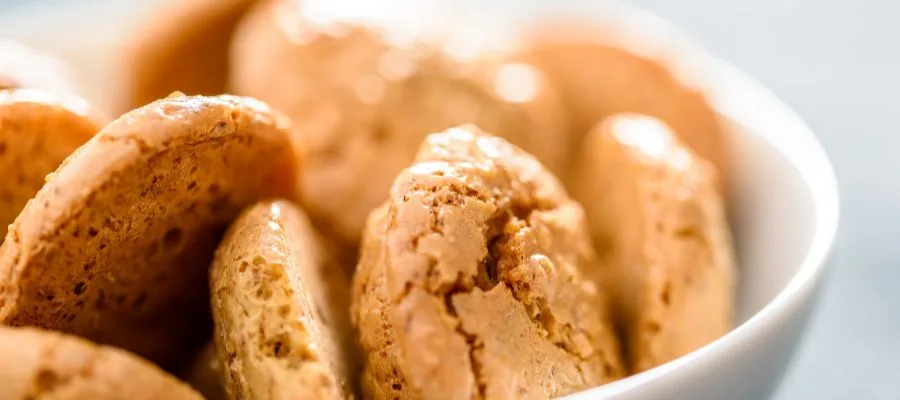
- If you want the traditional slightly cracked appearance, do not flatten the dough balls; let them naturally spread in the oven.
- Almond extract can be omitted if you prefer a less intense almond flavor, but it does enhance the taste significantly.
Here are some tips to turn your first amaretti into a success:
Preparation
- Quality of Ingredients – use good quality almonds or almond flour. The flavor of Amaretti heavily depends on the almonds, so quality makes a difference. Moreover, pay attention that it did not turn rancid. Almond flour, like other nut flours, can go really bad (and unhealthy!) if not stored properly or if it’s past its prime.
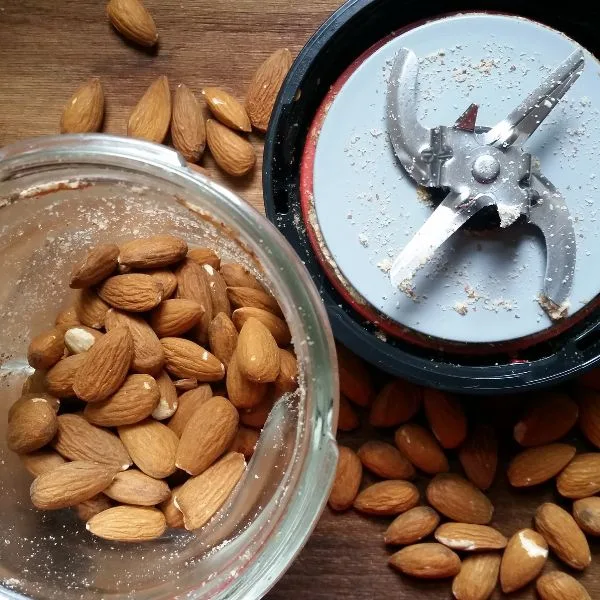
- Almond Flour vs. Ground Almonds – if you’re using whole almonds, grind them yourself for the freshest taste. However, be cautious not to over-process, which can turn the almonds into butter.
- Egg Whites – ensure your egg whites are at room temperature before beating. They will whip up better, giving you more volume.
- Clean Tools – make sure your mixing bowl and whisk or beaters are completely clean and dry, free from any grease or yolk residue, which can prevent egg whites from beating properly.
Cooking
- Beating Egg Whites – beat egg whites to stiff peaks, but not so much that they become dry. Overbeaten egg whites can result in a tougher texture. To give a little stability to the mixture you can add no more than 2 drops of lemon juice while beating.
- Folding Technique – when folding the almond flour into the egg whites, do so gently to maintain the airiness. Cut through the middle of the mixture with a spatula, then fold the bottom over the top, rotating the bowl as you go.
- Consistency of Dough – the dough should be thick but still a bit sticky. If it’s too dry, your biscuits might not spread enough; if too wet, they might flatten too much.
- Shaping – use a small spoon or a cookie scoop to ensure even sizing. For the traditional look, roll in confectioners’ sugar, but do this right before baking to keep them from becoming too soft or spreading too much.
- Baking Temperature – bake at a slightly lower temperature to ensure the biscuits cook evenly without burning. Amaretti can go from perfect to burnt quickly.

After baking
- Cooling – let the biscuits cool on the baking sheet for a few minutes before moving them to a wire rack. They’ll firm up as they cool and are easier to handle.
- Storage – store in an airtight container. If they soften over time, you can crisp them up again by placing them in a warm oven for a few minutes.
- Experimentation – once you’ve mastered the basic recipe, feel free to experiment with flavors. A little lemon zest, orange zest, or cocoa can add a twist to your Amaretti.
- Watch the Color – the biscuits should be golden on the outside but still pale inside. Overbaking can make them too hard, and I am not joking: you can break a tooth in an overly dry biscuit amaretti!
How can you make almond flour from scratch?
If you can’t find almond flour at the store you could make the flour yourself. Actually, this is how it’s done in Italy, but be ware: it’s a bit of a lengthy process!
First, blanch the almonds
First you need to blanch the almonds to remove the skins. Bring a saucepan of water to a rolling boil. You’ll need enough water to fully submerge the almonds. While the water is heating, fill a large bowl with cold water and ice. This ice bath will stop the cooking process and make peeling the almonds easier.
Once the water is boiling, carefully add the almonds. Let them boil for exactly 1 minute. If you leave them in longer, they might become too soft. After exactly 1 minute, using a slotted spoon or a strainer, transfer the almonds immediately from the boiling water into the ice bath. Let them sit in the ice water for at least 5 minutes to cool completely and stop the cooking process.
After cooling, remove a few almonds at a time from the ice bath. You can now easily pop the almonds out of their skins by pinching one end of the almond; the skin should slip right off. If some skins don’t come off easily, they might need a bit more time in the ice bath or a gentle rub between your fingers.
Lay the peeled almonds on a paper towel or a clean kitchen towel. Pat them dry or let them air dry for a few minutes to remove excess moisture.
Then, dry and grind the almonds
Dry them, and then grind them in a food processor until they become a fine meal. Be careful not to over-process into almond butter.


How do you know the almond flour turned bad?
Here are some signs that your almond flour might have gone bad. If you detect any of these signs of spoilage, it’s best to err on the side of caution and discard the almond flour. Using spoiled flour can affect the taste and safety of your baked goods.
Rancid Smell
One of the first signs that almond flour has turned is a rancid or sour smell. Fresh almond flour has a mild, nutty aroma. If it smells off, sharp, or like paint, it’s likely gone bad.
Taste
If you’re unsure, taste a small amount. Rancid almond flour will have a bitter, sharp, or sour taste rather than the sweet, nutty flavor of fresh flour. This is less advisable if the flour shows other signs of spoilage.
Color Change
While almond flour can naturally vary in color, significant darkening or the presence of yellow or brown spots can indicate oxidation or spoilage.
Texture Changes
Almond flour should feel somewhat gritty yet fine. If it clumps together in a way that doesn’t break apart or has become more like a paste, it might have absorbed too much moisture, which can lead to spoilage.
Presence of Mold
Visible mold is an unmistakable sign that the flour has gone bad. This could appear as dark spots or fuzzy growth.
Insect Infestation
Check for any signs of insects or their larvae, which can sometimes infest almond flour.
Expiration Date
Always check the “best by” or “use by” date. While it doesn’t mean the flour will definitely go bad right after this date, it’s a guideline for when quality might start to decline. You can delay the expiration date by keeping the almond flour in a tight container in the freezer.
Storage Conditions
If you’ve stored almond flour in a warm, humid environment or not in an airtight container, it’s more likely to spoil quickly.
How can you keep the almond flour to last longer?
Here are some storage tips to prevent spoilage:
- Airtight Container: Always store almond flour in an airtight container to protect it from moisture and odors.
- Cool, Dark Place: Keep it in a pantry or cupboard away from direct sunlight or heat sources.
- Refrigeration/Freezer: For longer storage, consider keeping almond flour in the fridge or freezer. If refrigerated or frozen, bringing it back to room temperature before use can prevent condensation from forming inside the container.
- Buy in Small Quantities: Since almond flour can go rancid, it’s often better to buy what you’ll use within a reasonable timeframe, especially if you don’t bake frequently.
Other frequently asked questions about amaretti biscuits
What’s the difference between soft and hard Amaretti?
Soft Amaretti (Amaretti morbidi) are chewy with a marzipan-like texture inside, while hard Amaretti (Amaretti croccanti) are crunchy throughout. The difference largely comes down to baking time and sometimes the addition of ingredients like meringue.
Can I make Amaretti cookies without almonds?
While almond is the traditional flavor, some recipes use almond extract with other nut flours or even non-nut alternatives to cater to allergies or dietary preferences. However, they wouldn’t be considered traditional amaretti.
Are Amaretti gluten-free?
Yes, traditional Amaretti are naturally gluten-free as they are made with almond flour rather than wheat flour.
How can I use Amaretti in desserts or recipes?
Amaretti can be used in trifle layers, crushed as a base for cheesecakes, blended into ice cream, or as a topping for panna cotta or gelato. They’re also delicious by themselves or with coffee.
How can I make Amaretti cookies vegan?
Traditional recipes are not vegan due to the egg whites. However, aquafaba (chickpea liquid) can be used as a vegan substitute to mimic the egg whites’ function.
What’s the shelf life of Amaretti?
If properly stored, they can last for about 1-2 weeks at room temperature. Their shelf life can be extended if frozen.
Why do my Amaretti cookies spread too much or not at all?
Spreading can be due to too much liquid in the dough or overly beaten egg whites. If they don’t spread, the dough might be too dry or the cookies too small, or the oven temperature might be too low.
How do I achieve the cracked top on Amaretti?
Rolling the dough balls in powdered sugar before baking often results in the characteristic cracked top as the cookies expand in the oven.
Can Amaretti cookies be made with almond extract instead of amaretto liqueur?
Yes, almond extract can be used as a substitute for amaretto liqueur if you don’t have or don’t want to use alcohol.
Is there a difference between Amaretti and Amaretto?
Yes, Amaretti are the cookies, while Amaretto is an almond-flavored liqueur.
If you love all things mediterraneo like me, you will love these:

Spanakopita – Greek Spinach Pie
Mediterranean Rice


Fatayer – Lebanese Cheese Pie
Spaghetti Alfredo








Your recipe looks so doable, even for someone like me who’s more of a “burnt toast” expert than a baker. I might try them with a glass of Vin Santo like you mentioned—feels fancy but easy, right?
Might pair them with my afternoon cappuccino—any tricks to keep them crispy for days?
I’ve been meaning to find something new to bake for my book club, and these feel like they’d steal the show. How long do they stay good for? Gotta make sure I don’t eat them all before the meeting!
Did you go with the crunchy kind or the softer ones? Either way, my kitchen’s about to smell amazing 😉
Your biscotti amaretti recipe has me drooling over here! I’m stoked to try it out, maybe even impress my family at our next get-together; they’re big on homemade stuff…
Wow, biscotti amaretti just shot to the top of my baking list! I’ve never tried making them before, but I remember buying them in Italy and I loved them with coffee…any tips for keeping them from getting too hard?
I’m a sucker for anything almond, so this recipe’s right up my alley; I might even make a double batch to share with my crew. Love how you broke it down—makes me feel like I won’t totally mess it up on my first go!
I had trouble rolling the dough in the sugar, so I just sprinkled some on top. Not the most beautiful result but the taste and texture are great.