Pigna di Pasqua – the Glazed Bunt of Easter in Italy
This soft, fragrant cake is often shaped like a donut or a cone, topped with a simple glaze and colorful sprinkles. Below is a straightforward recipe for a Pigna di Pasqua, inspired by its traditional Irpinian version, which uses a quick-rise method with baking powder instead of a slow yeast fermentation. It’s perfect for breakfast or a snack during the Easter season.

The Authentic Pigna di Pasqua Recipe Card
Pigna di Pasqua
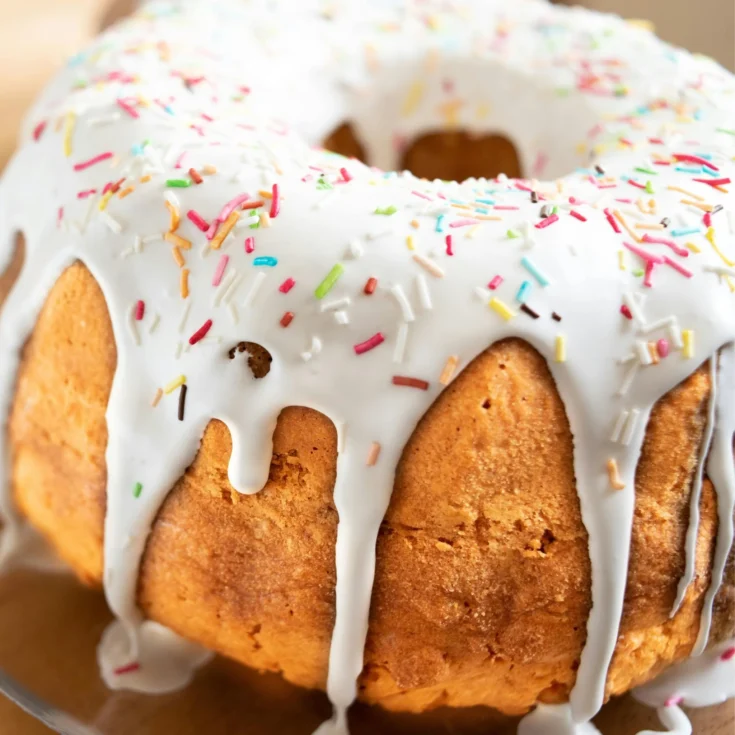
This round, enriched yeast cake flavored with anise or citrus, has sometimes a hard-boiled egg baked into the center.
Ingredients
For the Cake:
- 5 large eggs
- 350 g (1¾ cups) granulated sugar
- 500 g (4 cups) all-purpose flour (00 flour if available)
- 300 g (2½ cups) Manitoba flour (or strong bread flour)
- 80 ml (⅓ cup) vegetable oil
- 60 ml (¼ cup) water
- ½ cup Vermouth (or another sweet liqueur like Strega)
- Juice and zest of 1 lemon
- 2 teaspoons vanilla extract (or 1 vanilla bean, seeds scraped)
- 16 g (2 packets or about 4 teaspoons) baking powder
For the Glaze:
- 1 egg white
- 150 g (1¼ cups) powdered sugar
- Colored sprinkles (for decoration)
Instructions
- Prepare the Batter:
Preheat your oven to 180°C (350°F).
In a large bowl, beat the eggs and granulated sugar with an electric mixer for 5-6 minutes until the mixture is pale, fluffy, and frothy.
Add the lemon juice, lemon zest, vanilla, water, vegetable oil, and Vermouth. Mix until combined. - Add Dry Ingredients:
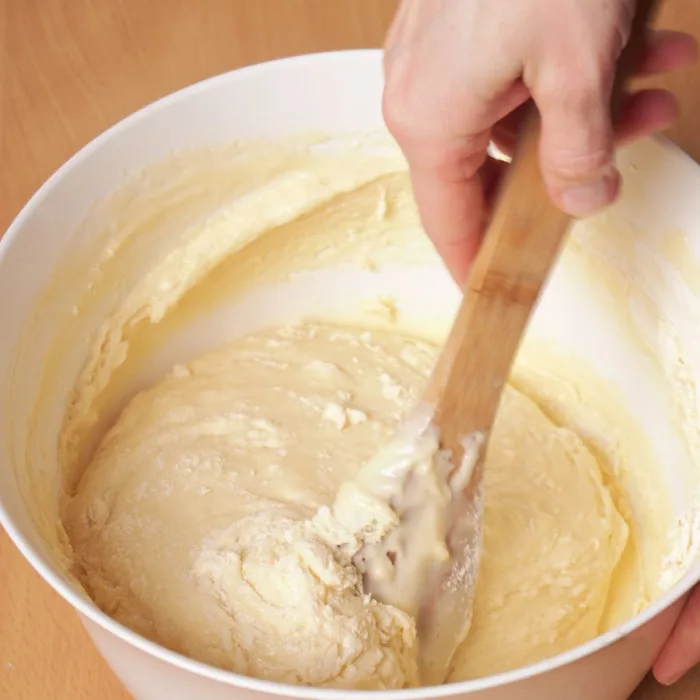
Sift together the all-purpose flour, Manitoba flour, and baking powder. Gradually add the dry mixture to the wet ingredients, mixing until you get a smooth, homogeneous batter. It should be thick but pourable. - Bake the Cake:
Grease and flour a 26-28 cm (10-11 inch) donut mold (or a deep round cake pan if you prefer a different shape). Pour the batter into the mold and smooth the top with a spoon.
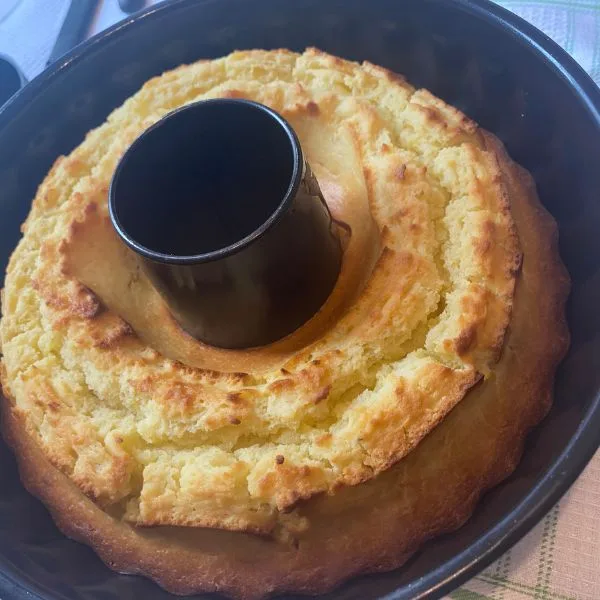
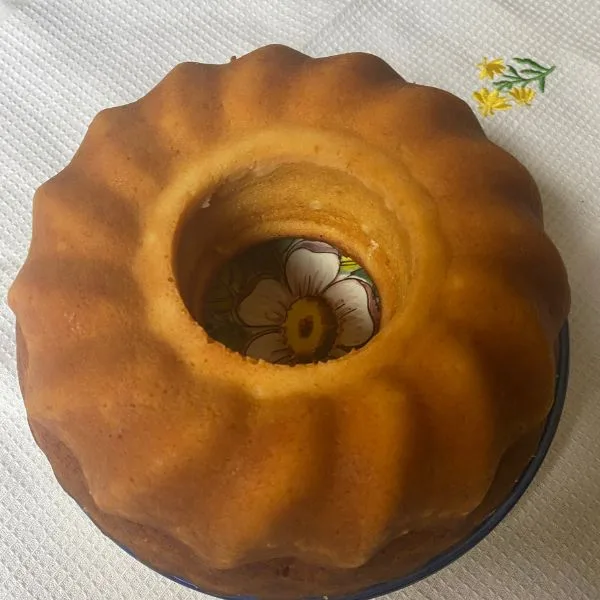
Bake in the preheated oven for about 60 minutes, or until a toothpick inserted into the center comes out clean. Let the cake cool in the mold for 10 minutes, then transfer it to a wire rack to cool completely. - Make the Glaze:
In a bowl, whisk the egg white and powdered sugar vigorously until smooth and thick. It should be glossy and lump-free. (If you prefer a non-egg glaze, you can substitute with a mix of lemon juice and powdered sugar.) - Decorate:
Once the cake is fully cooled, pour the glaze over the top, letting it drip down the sides. Immediately sprinkle with colored sprinkles before the glaze sets. - Serve:
Slice and enjoy with a cup of tea or coffee. The Pigna di Pasqua is best fresh but stays soft for 3-4 days if stored at room temperature, wrapped in plastic wrap.
Notes
- Storage: You can freeze the cake (preferably sliced) for up to 1-2 months. Thaw at room temperature before serving.
- Variations: Some recipes add candied orange peel or raisins to the batter for extra flavor. You can mix in about 50-100 g if desired.
- Liqueur Substitute: If you prefer no alcohol, replace the Vermouth with an equal amount of milk or water.
What’s the trick to make perfect Pigna di Pasqua?
To make a perfect Pigna di Pasqua, the key lies in balancing texture, flavor, and presentation while respecting its traditional charm. Here are the tricks that can elevate your cake from good to exceptional, based on the quick-rise baking powder version from the recipe earlier:
1. Whip the Eggs and Sugar Thoroughly
- Why it matters: The fluffy, airy texture depends on incorporating air into the batter. Beating the eggs and sugar until pale and voluminous (5-6 minutes with an electric mixer) creates a stable base that holds up during baking.
- Trick: Use room-temperature eggs—they whip up faster and trap more air. If you’ve got time, separate the yolks and whites, whip the whites to soft peaks with half the sugar, then fold them into the yolk mixture for extra lift.
2. Don’t Overmix the Flour
- Why it matters: Overmixing develops gluten, making the cake dense instead of soft and tender.
- Trick: Sift the flours and baking powder together, then fold them into the wet ingredients gently with a spatula or on low speed with a mixer. Stop as soon as the batter is smooth—no lumps, but no extra stirring.
3. Get the Lemon-Vermouth Balance Right
- Why it matters: The signature flavor comes from the bright lemon and the subtle warmth of Vermouth (or Strega). Too much liquid drowns the batter; too little, and it’s bland.
- Trick: Stick to the exact amounts (½ cup Vermouth, juice of 1 lemon) and zest the lemon finely—coarse zest can clump. Taste the batter before baking; it should have a faint boozy citrus kick. If substituting Vermouth, use a sweet, aromatic liquid like orange juice with a splash of vanilla.
4. Nail the Baking Time
- Why it matters: Underbaking leaves a gummy center; overbaking dries it out. The quick-rise version with baking powder needs about 60 minutes at 180°C (350°F).
- Trick: Check at 50 minutes with a toothpick—if it’s slightly moist with crumbs (not wet batter), pull it out. The residual heat will finish cooking it as it cools. Cover loosely with foil if the top browns too fast.
5. Cool Completely Before Glazing
- Why it matters: A warm cake melts the glaze, turning it into a sticky mess instead of a crisp, shiny layer.
- Trick: Let it cool on a wire rack for at least 2 hours. If you’re in a rush, pop it in the fridge for 30 minutes after it’s cooled slightly—but don’t glaze until it’s at room temperature.
6. Perfect the Glaze Consistency
- Why it matters: A too-thin glaze runs off; a too-thick one clumps.
- Trick: Whisk the egg white and powdered sugar until it’s pourable but coats the back of a spoon. Test a small drip on the edge—if it holds its shape without disappearing, it’s spot-on. Work fast with sprinkles; the glaze sets quickly.
Bonus Trick: Shape and Presentation
- Traditional touch: Use a tall, fluted mold (like a bundt cake pan or a panettone pan) instead of a donut shape for that authentic conical look. Grease it well and dust with flour to avoid sticking.
- Wow factor: Press a few whole candied cherries or almonds into the glaze alongside the sprinkles for a festive, polished finish.
The real secret is patience at each step—rushing risks a dense or uneven cake. With these tricks, your Pigna di Pasqua will be soft, fragrant, and a standout at any Easter table.




Why is Pigna di Pasqua associated with Easter?
Pigna di Pasqua is tied to Easter because of its deep roots in Italian tradition, particularly in regions like Campania and Abruzzo, where it’s a staple of the holiday season. The name “pigna,” meaning pine cone, symbolizes renewal and resurrection—key Easter themes—since pine cones represent new life emerging from a seemingly lifeless shell. Historically, it evolved from ancient spring fertility rituals, later blending with Christian celebrations, where its rich ingredients like eggs and sugar reflect the end of Lent’s fasting and the joy of abundance. Baking and sharing it during Easter gatherings also make it a communal treat, tying it to the festive spirit of rebirth and togetherness.
Can I make Pigna di Pasqua in advance in preparation for Easter Sunday?
Yes, you can definitely make Pigna di Pasqua in advance for Easter Sunday! The quick-rise version with baking powder stays soft and tasty for 3-4 days if you wrap it tightly in plastic wrap and keep it at room temperature, so baking it on Thursday or Friday works perfectly. If you want to prep even earlier, bake it up to a week ahead, let it cool completely, and freeze it (sliced or whole) in a freezer-safe bag—thaw it at room temp on Saturday night, then glaze and decorate it fresh on Sunday for that just-made vibe. The flavors, like the lemon and Vermouth, actually meld nicely over a day or two, so making it ahead can even boost the taste.
How is Pigna di Pasqua best paired and when is it served?
Pigna di Pasqua is best paired with light, complementary drinks that enhance its citrusy, subtly boozy flavor—like a cup of black coffee or espresso to cut through the sweetness, or a glass of sweet wine like Moscato for a festive touch. It’s traditionally served as a breakfast or brunch treat on Easter Sunday, kicking off the day’s celebrations with its soft, cake-like texture, though it also shines as an afternoon snack alongside tea during Easter weekend gatherings. Some enjoy it with a dollop of whipped cream or a dusting of powdered sugar to amp up the indulgence, especially if it’s part of a dessert spread. Its versatility makes it a cozy fit anytime from Good Friday through Easter Monday, whenever folks are nibbling and chatting.