Spaghetti Bolognese (Pasta alla Bolognese) – the most famous pasta in the worlds
As a mother of picky children, I understand the struggle of trying to create a meal that is not only nutritious, but also enjoyable for everyone at the table. So I am very excited to share my family-approved Spaghetti Bolognese recipe!
This recipe is a lifesaver in our household. It’s packed with flavor, hides some sneaky veggies (shhh!), and comes together with minimal fuss. It is a classic Italian dish but universal in families with children! It is delicious as combines kid’s favorite: pasta (usually spaghetti noodles) with savory ground beef, rich tomato sauce. With a few simple ingredients and a little bit of love, you’ll have a satisfying meal that even the pickiest eaters will enjoy.

Traditional Ingredients for Authentic Traditional Pasta alla Bolognese
To create an authentic spaghetti Bolognese, it is crucial to use the right ingredients. The key components include ground meat, such as beef or a combination of beef and pork, onions, garlic, carrots, celery, crushed tomatoes, tomato paste, red wine, and a blend of herbs and spices. While some recipes call for additional ingredients like pancetta or milk, the core ingredients form the foundation of a delicious Bolognese sauce.
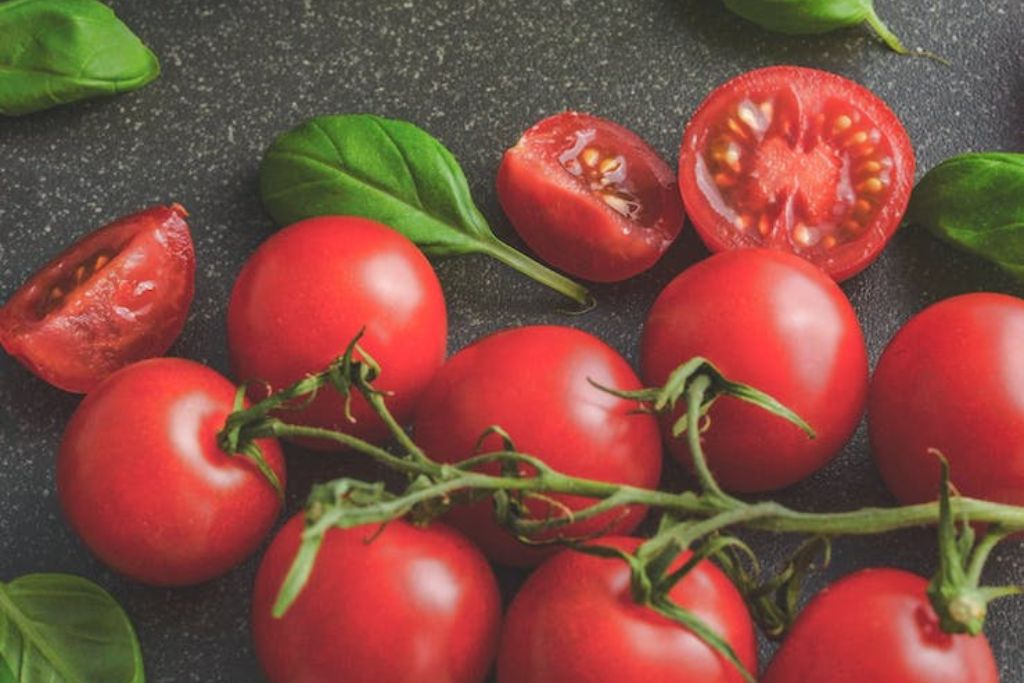
The quality of the ingredients is equally important. Opt for fresh vegetables and ripe tomatoes for the best flavor. Using high-quality ground meat will result in a richer and more satisfying sauce. Don’t skimp on the herbs and spices either – they add depth and complexity to the dish.
Step-by-Step Guide to Cooking Spaghetti Bolognese
Now that we have the background and ingredients covered, let’s dive into the step-by-step process of cooking the perfect spaghetti Bolognese:
Step 1
Sauté the vegetables on a medium heat: Start by heating olive oil in a large skillet or saucepan. Add the onions, carrots, and celery, and sauté until they become soft and translucent. This process helps release their natural flavors and adds depth to the sauce.
Step 2
Brown the meat: Push the sautéed vegetables to the side and add the ground meat to the pan. Break it up with a wooden spoon and brown it evenly. This step adds richness and texture to the sauce.
Step 3
Add the tomatoes and tomato paste: Once the meat is browned, add the tomatoes and tomato paste to the pan. Stir well to combine all the ingredients and let them simmer together. This allows the flavors to meld and develop.
Step 4
Pour in the wine: To enhance the taste of the sauce, pour in a generous amount of red wine. The alcohol evaporates during cooking, leaving behind a rich and nuanced flavor.
Step 5
Season with herbs and spices: Add a bouquet garni (a bundle of herbs tied with kitchen twine) to the sauce, along with dried oregano, basil, and a pinch of red pepper flakes. These herbs and spices infuse the sauce with aromatic notes and a hint of heat.
Step 6
Simmer slowly: The secret to a truly exceptional Bolognese sauce lies in its slow cooking. Let the sauce simmer on low heat for at least two hours, allowing the flavors to mingle and deepen. Stir occasionally to prevent it from sticking to the bottom of the pan.
Step 7
Cook the spaghetti: While the sauce is simmering, cook the spaghetti according to the package instructions. Aim for al dente, which means the pasta should be cooked but still have a slight bite to it.
Step 8
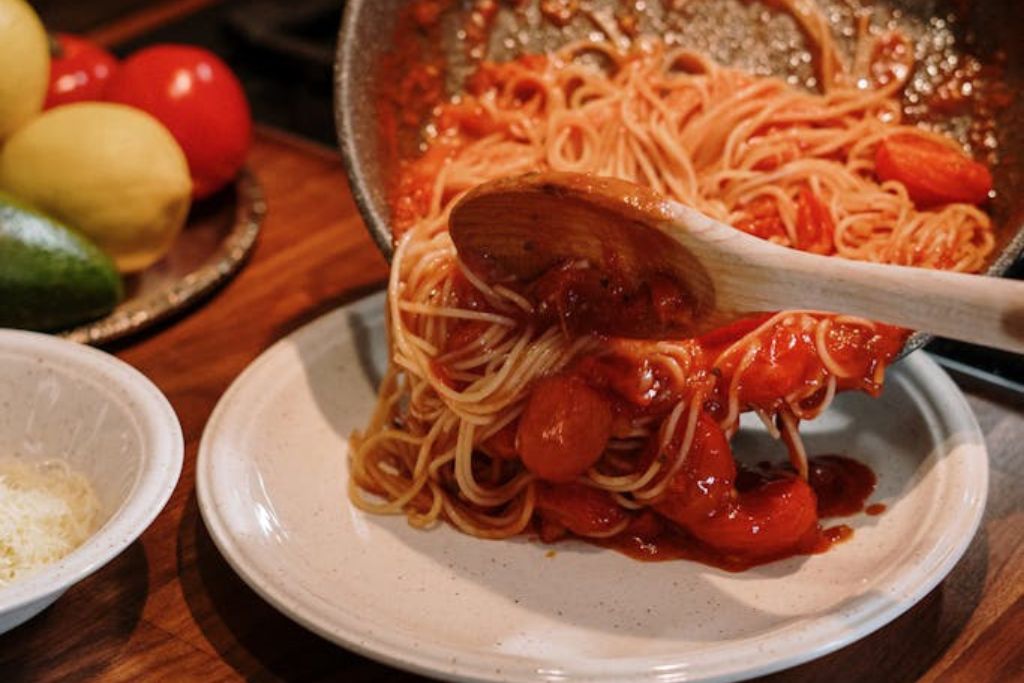
Combine the sauce and pasta: Once the sauce has reached its desired consistency, remove the bouquet garni and combine it with the cooked spaghetti. Toss gently to ensure every strand is coated with the flavorful sauce.
Step 9
Let it rest: For the best results, let the spaghetti Bolognese rest for a few minutes before serving. This allows the flavors to meld further and ensures a harmonious taste experience.

Tips for Perfecting the spaghetti sauce
Creating a truly exceptional spaghetti Bolognese meaty sauce requires attention to detail and a few expert tips. Of course, in Italy you will eat the best traditional bolognese sauce and you will find that their secret is very fresh, out of the garden, vegetables and some pointers that I will describe below:
- Use a mix of meats: While beef mince meat is the traditional choice, combining beef with pork or veal can add complexity to the sauce. Experiment with different meat ratios to find your preferred flavor profile.
- Cook the sauce slowly: The longer you let the sauce simmer, the more concentrated and flavorful it becomes. Aim for a low heat and a slow cooking process to achieve the best results.
- Add a touch of sweetness: A small amount of sugar or grated carrot can balance the acidity of the tomatoes and bring out the natural sweetness of the sauce.
- Don’t forget the umami*: Enhance the umami factor by adding a splash of Worcestershire sauce or a sprinkle of Parmesan cheese to the sauce. These ingredients add depth and richness to the overall taste.
- Adjust the consistency: If your sauce is too thick, add a bit of water or broth to thin it out. On the other hand, if it’s too thin, let it simmer uncovered for a bit longer to reduce and thicken.
*If you ask yourself what is umami factor – this is the taste of amino acids and nucleotides that tells us when a food contains protein, a nutrient essential to survival. So, basically, it feels very very tasty even to the pickiest eater!
Choosing the Right Pasta for Spaghetti Bolognese
While the sauce steals the show, the choice of pasta can make a difference in the overall taste and experience of spaghetti Bolognese. The traditional choice is spaghetti, with its long, thin strands that effortlessly capture the sauce. However, there are other pasta options worth exploring, such as tagliatelle, pappardelle, or even rigatoni. These broader and more textured noodles provide a delightful contrast to the rich sauce, allowing you to enjoy different layers of flavor and texture with each bite. Experiment with different pasta shapes to find the one that suits your preferences.
Variations and Adaptations of Spaghetti Bolognese
While the classic spaghetti Bolognese recipe is a crowd-pleaser, there are endless variations and adaptations to explore. Some popular twists include:
- Vegetarian Bolognese: Substitute the ground meat with mushrooms, lentils, or a combination of vegetables for a hearty and satisfying vegetarian version of the dish.
- Seafood Bolognese: Incorporate seafood such as shrimp, mussels, or clams into the sauce for a delightful seafood twist. The flavors of the seafood complement the rich sauce beautifully.
- Spicy Bolognese: Add extra chili flakes or a splash of hot sauce to give your Bolognese sauce a spicy kick. This variation is perfect for those who enjoy a little heat in their dishes.
- Creamy Bolognese: Introduce a touch of cream or milk to the sauce for a luscious and velvety texture. This variation adds a creamy element that enhances the overall richness of the dish.
Feel free to experiment with these variations and adapt the recipe to your taste preferences. The beauty of spaghetti Bolognese lies in its versatility and the opportunity to put your own spin on a classic dish.
Serving and Presentation of Spaghetti Bolognese
When it comes to serving and presenting your perfected spaghetti Bolognese, simplicity is key. Here are some tips for an impressive presentation:
- Garnish with fresh herbs: Sprinkle some freshly chopped parsley or basil on top of the dish before serving. Not only does this add a pop of color, but it also adds a refreshing herbal note to complement the rich flavors.
- Grate some Parmesan: A generous sprinkle of freshly grated Parmesan cheese on top of the dish adds a salty and nutty flavor that enhances the overall taste.
- Serve with crusty bread: Accompany your spaghetti Bolognese with crusty bread or garlic bread. The bread serves as a vehicle for mopping up any remaining sauce and adds a delightful textural contrast.
- Use a pasta server: Opt for a pasta server or tongs to serve the spaghetti, ensuring that each plate is filled with perfectly twirled pasta and a generous amount of sauce.
Remember, simplicity and attention to detail are key to creating an inviting and appetizing presentation. Let the flavors and aroma of the dish speak for themselves.
Common mistakes to avoid when making Spaghetti Bolognese
Believe it or not, even this seemingly simple Bolognese recipe can fall victim to a few common stumbles. Here are a few common slip-ups to steer clear of:
- Overcrowding the pan: Don’t crowd your pan with too much meat at once. Give it space to brown evenly and develop those delicious caramelized flavors. Cook in batches if you have to.
- Skimping on the veggies: Don’t underestimate the power of veggies! The soffritto, which means carrots, celery, and onions together are the base for the depth of flavor and sweetness of the sauce. Chop ’em up finely and let them work their magic.
- Rushing the sauce: Simmering is your sauce’s best friend. Don’t rush it! Let all those flavors meld together over low heat for a while. Trust me, it’s worth the wait.
- Ignoring the seasoning: Salt and pepper aren’t just optional extras—they’re essential! Taste your sauce as it cooks and adjust the seasoning accordingly. You’ll thank yourself later.
- Using the wrong pasta: Spaghetti bolognese deserves the perfect partner in crime. Opt for a pasta shape that can hold onto that luscious sauce, like tagliatelle or fettuccine. Don’t settle for anything less!
- Skipping the finishing touches: Don’t forget the finishing touches! A sprinkle of fresh herbs or a generous grating of Parmesan can take your dish from good to unforgettable.
Pairing Spaghetti Bolognese
Pairing Spaghetti Bolognese with Wine
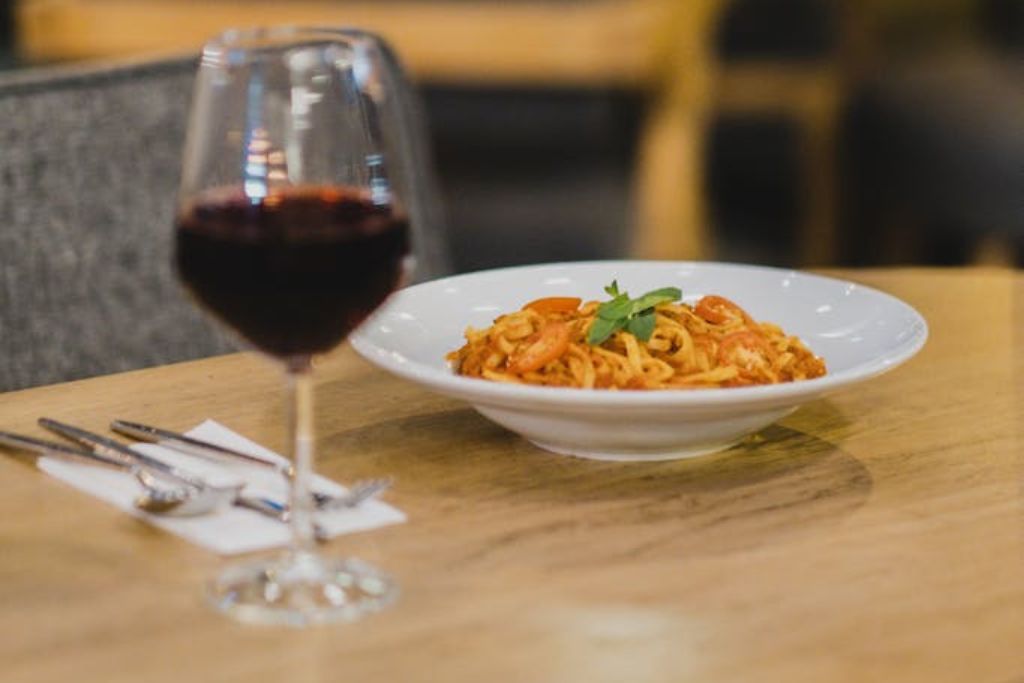
Even if I am cooking this recipe for the little ones, that doesn’t mean that I can’t enjoy it now and again with a little bit of wine. To elevate your spaghetti Bolognese experience, consider pairing it with the perfect wine and sides. Sipping on a glass of wine while enjoying pasta can also create a leisurely atmosphere, encouraging adults to savor each mouthful and engage in relaxed conversation with loved ones. And let’s not forget the joy of picking the perfect wine to go with your meal. It’s like a mini-celebration every time you sit down to eat. Here are some suggestions:
- A medium-bodied red wine, such as a Chianti or Sangiovese, complements the rich flavors of the Bolognese sauce. Or chose a bold Rioja to complement the savory depth of the dish. The acidity and tannins in these wines work harmoniously with the tomato-based sauce.
- If you prefer white wine, a crisp and dry white like Pinot Grigio can also be a refreshing choice.
Pairing Spaghetti Bolognese with Sides
While spaghetti Bolognese is a complete meal on its own, you can enhance the dining experience with simple side dishes. Here are some options:
- A fresh green salad with a tangy vinaigrette
- A side of steamed vegetables adds a refreshing contrast to the rich sauce.3. Garlic bread or breadsticks are also popular choices to accompany this classic dish.
Experiment with different wine pairings and side dishes to find the combination that delights your palate.
Short history and origin of Spaghetti Bolognese
The origins of spaghetti Bolognese can be traced back to the northern region of Italy, specifically Bologna. While the dish has evolved over the years, its roots can be found in traditional Italian cuisine. Bolognese sauce, also known as ragù alla bolognese, is a slow-cooked meat sauce that forms the heart of this beloved dish. The combination of aromatic herbs, vegetables, and meat creates a robust and flavorful sauce that pairs perfectly with spaghetti.
In the 18th century, the dish gained popularity outside of Italy, and variations began to emerge. However, it wasn’t until the 20th century that spaghetti Bolognese became a worldwide phenomenon. Today, it is a staple on Italian restaurant menus and a go-to option for home cooks looking to impress.
Conclusion and Final Thoughts
Spaghetti Bolognese is a timeless classic that finds its place very often in our family menu! By following this ultimate guide, you have learned the secrets and techniques to create a truly exceptional dish in your own kitchen. From the selection of high-quality ingredients to the slow-cooking process and thoughtful presentation, every step contributes to the perfection of this Italian classic.
Now, armed with the knowledge and confidence to create an authentic and delicious spaghetti Bolognese, it’s time to put your skills to the test. Gather the ingredients, follow the step-by-step instructions, and embark on a culinary adventure that will leave your taste buds craving more.
Remember, the key to perfecting spaghetti Bolognese lies in patience, attention to detail, and a passion for creating memorable dining experiences. So go ahead, embrace your inner Italian chef, and savor the satisfaction of mastering this culinary masterpiece. Buon appetito!
If you would like to check other spaghetti recipes with great success in our family, you can find theme here:
Or you can check all our recipes and also some tips and tricks on how I organize the family menu and shopping of grocery, here!