
Traditional Christmas Panettone Recipe – It Smells like Christmas in Nonna’s Kitchen!
This cake is the Christmas smell of my childhood and the happy memories of family getting together around the fire and of presents being unwrapped. This is one of those precise recipe, where everything you do counts but don’t worry, it’s not to hard if you follow all the steps rigorously!
In Italy, the entire month of December is all about Christ birth. We decorate the house in the beginning of December on the Feast of the Immaculate Conception (Festa dell’Immacolata Concezione). This day marks the official start of the Christmas season. But the smell of Christmas always starts in grandma’s kitchen (nonna).

This cake has an iconic dome shape, and it is studded with raisins and candied citrus peel, imbued with the sweet aroma of vanilla and the zest of oranges. It originates from the festive, cool winters of Northern Italy and it’s the quintessential rich yet light dessert for the holiday season.
Recipe Card for Traditional Panettone
Panettone

This is a sweet bread loaf originating from Milan, traditionally eaten around Christmas. It's enriched with butter, eggs, candied fruits, and raisins.
Ingredients
For the First Dough (Biga):
- 100g strong bread flour
- 50ml water
- 10g fresh yeast (or 5g active dry yeast)
For the Main Dough:
- 400g strong bread flour
- 150g sugar
- 3 large eggs
- 150g butter, softened
- 100ml milk, warm
- Zest of 1 lemon
- Zest of 1 orange
- 1 teaspoon vanilla extract
- 10g salt
- 100g raisins, soaked and drained
- 50g candied orange peel, chopped
- 50g candied citron, chopped
- For the Second Rise:
- 50g butter, melted
For Dusting:
- Powdered sugar
Instructions
- Prepare the Biga:
Mix the flour, water, and yeast for the biga. Cover and let it rise until bubbly, about 1 hour. - Main Dough:
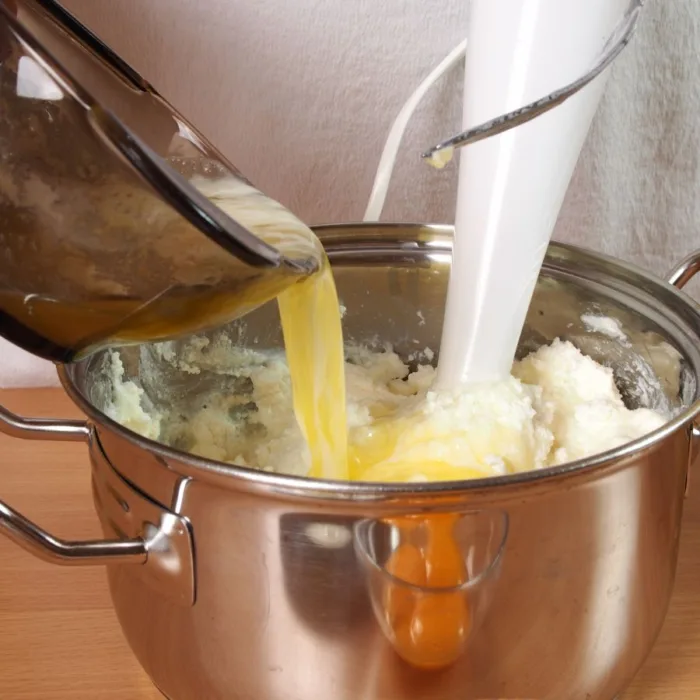
In a large bowl or mixer, combine the biga with the flour, sugar, eggs, milk, lemon zest, orange zest, vanilla, and salt. Mix until you get a rough dough.
Slowly incorporate the softened butter, kneading until the dough is smooth and elastic, about 10-15 minutes.
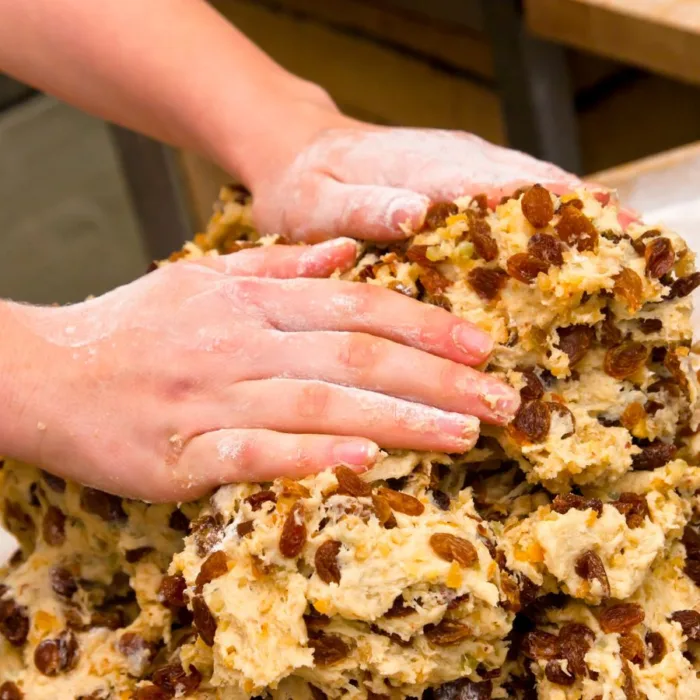
Add the raisins, candied orange peel, and citron, kneading just enough to distribute them evenly through the dough. - First Rise:
Shape the dough into a ball, place it in a greased bowl, cover, and let it rise until doubled in size, about 2-3 hours. - Shaping the Panettone:
Punch down the dough. Shape it into a ball. Place it in a Panettone paper mold or a tall, cylindrical mold. The dough should fill about 2/3 of the mold. - Second Rise:
Let the dough rise in the mold until it reaches the top or slightly above, which might take another 3-4 hours. Brush the top with melted butter halfway through to keep it moist. - Baking:
Preheat your oven to 180°C (355°F). Place a small bowl of water on the bottom shelf to create steam.
Make a small cross on the top of the dough with a sharp knife. Bake for about 45-55 minutes. If the top browns too quickly, cover with foil.
After baking, insert two long skewers through the base of the Panettone, hang it upside down using the skewers (supported by two chairs or similar) to cool completely. This helps maintain its shape. - Cooling and Serving:
Once completely cooled, remove the skewers. Dust the top generously with powdered sugar.
Notes
- Use high-quality ingredients, especially for the fruit, as they significantly affect the flavor.
- The hanging step is traditional for Panettone to prevent it from collapsing; if you don't have skewers, you can cool it upright, but it might not be as tall.
- Soaking the raisins beforehand ensures they're plump and not hard in the bread.
Here are some tips to turn your first time into a success:
Making panettone for the first time can be challenging due to its unique preparation and long fermentation process. Here are some tips to help ensure your first attempt at making panettone is successful:
Prepare in advance, organize your chores around the recipe
- Plan ahead: Panettone requires time. Start your dough preparation at least a day or two before you plan to bake to account for the biga (starter) and the long fermentation periods. Better yet, reserve time for the entire family to participate and gather around the working bench
- Quality ingredients: Use high-quality flour (preferably “00” Italian flour but if you don’t find it in your area you can use cake flour mix or any type of “000” flour you can find), fresh yeast, and good quality dried fruits. The taste and texture of your panettone greatly depend on the ingredients.
- Right yeast: Use active dry yeast or fresh yeast if available. Check the expiration date to ensure it’s active.
- Temperature control: Ensure all ingredients are at room temperature, especially the eggs and milk. This helps the dough come together more uniformly.
Tip for dough making
- Kneading: Knead the dough thoroughly. Panettone dough should be very elastic. If using a stand mixer, knead until the dough passes the windowpane test (stretch a small piece of dough; it should be thin enough to see light through without tearing). My mixer takes 20 minutes or more to get there.
- Incorporate butter gradually: Add softened butter piece by piece. This method helps the butter integrate into the dough without making it greasy.
- Fruit and nuts: Soak dried fruits in rum, orange juice, or water beforehand to soften them. This prevents them from absorbing too much moisture from the dough. Tap them of the excess water and toss them in flour before adding to the dough to prevent sinking.
Tips for a proper fermentation
- Warm Environment: Ensure a warm, draft-free place for the dough to rise. The ideal temperature is around 75-80°F (24-27°C). If your kitchen is cooler, you can use a proofing box or an oven with just the light on. Or you can place it near the radiator.
- Patience: Don’t rush the rising times. The long fermentation is key to developing flavor and texture.
Tips for baking the panettone
- Use the Right Mold: Use a tall panettone mold or paper panettone mold to help the bread rise vertically. If these aren’t available, you can use a regular deep cake pan, but line it with sturdy parchment paper extended well above the rim to support the bread’s rise. Alternatively, ceramic casseroles or pots can be used, but they should be tall, straight-sided, and made of a material like ceramic or earthenware to mimic the vertical support of traditional molds. Remember, the vessel’s height and shape are crucial for the panettone’s structure.
- Baking Technique: After the dough has risen, score the top with a cross to allow for even expansion. Bake at a lower temperature (around 350°F or 175°C) to ensure the inside cooks without burning the outside.
- Cooling: Hang the panettone upside down after baking. This prevents it from collapsing as it cools. Use skewers through the bottom of the loaf and suspend it over something stable.
Finishing Touches
- Glaze: We prefer the traditional way: a simple egg wash before baking. It gives a nice golden crust and you avoid the sugar overload! Optionally, glaze with a simple syrup after baking for a shiny finish.
- Storage: Once completely cooled, wrap panettone in plastic wrap to keep it moist. It can be stored at room temperature for a few days, but for longer freshness, consider refrigerating or freezing.



What can go wrong? The main pitfalls when making panettone
Making panettone can be quite challenging, and several things can go wrong if not done correctly. Here are common issues you might encounter:
1. Dough Doesn’t Rise
- Cause: Inactive yeast, insufficient proofing time, or incorrect temperature (too cold or too hot).
- Solution: Ensure yeast is fresh, use a warm proofing environment (75-80°F/24-27°C), and allow enough time for fermentation.
2. Dense or Heavy Texture
- Cause: Over-kneading, under-proofing, or too high protein content in the flour.
- Solution: Knead until the dough is elastic but not overworked, give it ample time to rise, and use the correct type of flour (“00” Italian flour if possible). It should feel soft like the warm play-dough but much more oily. If you knead it less it will be softer and crumble under its own weight. If you knead it more, it will be dense and not rise enough.
3. Fruit Sinking to the Bottom
- Cause: Fruits not incorporated properly, too heavy, or not enough structure in the dough.
- Solution: Coat fruits in flour before adding to the dough, chop them smaller if too large, and ensure the dough has developed enough gluten.
4. Dough Collapsing
- Cause: Under-kneading, over-proofing or insufficient structure in the dough.
- Solution: Monitor proofing time closely, and make sure the dough has been kneaded enough to develop gluten. Hanging the panettone upside down or propping it with other tall pots after baking can help maintain shape.
5. Crumbly or Crumbly Interior
- Cause: Too much flour, not enough liquid, or over-baking.
- Solution: Be precise with measurements, especially hydration levels, and monitor baking time to prevent overcooking.
6. Burnt or Unevenly Cooked Top
- Cause: High oven temperature or long baking time at high heat.
- Solution: Bake at a moderate temperature (350°F/175°C), use a foil tent if the top browns too quickly, and consider lowering the rack in the oven.
7. Dry Panettone
- Cause: Over-baked or left uncovered too long after baking.
- Solution: Monitor baking time, and once cooled, wrap the panettone to retain moisture. If it’s too dry, you can brush with a simple sugar syrup to rehydrate slightly.
8. Sticky or Gummy Center
- Cause: Under-baked or too much moisture in the dough.
- Solution: Ensure the panettone is baked through (use a skewer test), and if the dough seems too wet, adjust liquid in future recipes.
9. Lack of Flavor
- Cause: Insufficient fermentation time, low-quality ingredients, or not enough flavor additives (like zest, vanilla).
- Solution: Allow for long fermentation to develop flavors, use high-quality ingredients, and don’t skimp on flavor enhancers.
10. Crust Splitting or Tearing
- Cause: Dough expanded too rapidly due to high yeast activity or insufficient scoring.
- Solution: Score the top of the dough before baking to allow controlled expansion, and manage yeast quantity and proofing time.
11. Panettone Sticking to the Mold
- Cause: Mold not greased enough or using the wrong type of mold.
- Solution: Generously grease the mold, use parchment paper if necessary, or choose molds designed for panettone.
12. Mold Issues
- Cause: Using a mold that’s too wide or short.
- Solution: Use a tall, narrow mold to support the vertical rise of the dough. If using a regular pan, extend parchment paper high for support or you a high ceramic or earth pot.
If you don’t get it right from the beginning, rest assured, almost never does. Remember, practice is key, as panettone making is an art that often improves with experience.
Can I make a chocolate panettone?
Absolutelly, you can! It’s not quit traditional, but so what? It’s sooo tasty! So, for transforming the above recipe, you just need to make the following adjustments:
For the First Dough (Biga):
- No changes needed here. The biga remains the same to ensure the right texture and fermentation.
For the Second Dough:
- Keep everything as listed, but add:
- 2 tablespoons (30 grams) of cocoa powder (unsweetened, Dutch-processed for a richer color and flavor). Mix this into the flour before adding other ingredients. This will give your panettone a chocolate flavor base.
For the Third Dough:
- Modify as follows:
- Replace the raisins or candied fruit with 1 1/2 cups (225 grams) of chocolate chips or chunks, preferably dark or semi-sweet for balance, but you can mix in milk or white chocolate for variety. And better to use mini chips so they distribute evenly without sinking to the bottom.
- Optionally, reduce or omit the nuts if you want a purer chocolate experience, or keep them for added texture. If keeping, ensure they are well toasted to enhance flavor against the chocolate.
- Add an extra 1/4 cup (30 grams) of all-purpose flour to compensate for the cocoa powder’s absorbency and the added chocolate chips, which can make the dough slightly wetter.
…for your convenience I will also leave the Chocolate Panettone Recipe Card here:
Chocolate Panettone Recipe Card
Chocolate Panettone

This is a recipe for Chocolate Panettone, a delicious twist on the traditional Italian Christmas bread.
Ingredients
For the First Dough (Biga):
- 100g strong bread flour
- 50ml water
- 10g fresh yeast (or 5g active dry yeast)
For the Main Dough:
- 400g strong bread flour
- 150g sugar
- 3 large eggs
- 150g butter, softened
- 100ml milk, warm
- Zest of 1 orange
- 1 teaspoon vanilla extract
- 10g salt
- 100g dark chocolate chips or finely chopped dark chocolate
- 50g candied orange peel, chopped (optional for extra flavor)
- 50g cocoa powder
For the Second Rise:
- 50g butter, melted
For Dusting:
- Powdered sugar or cocoa powder
Instructions
- Prepare the Biga:
Combine the flour, water, and yeast for the biga. Cover and let it rise until bubbly, approximately 1 hour. - Main Dough:
In a large bowl or mixer, mix the biga with the flour, sugar, eggs, milk, orange zest, vanilla, salt, and cocoa powder until you have a rough dough.
Gradually add the softened butter, kneading until the dough becomes smooth, elastic, and well combined, which might take around 10-15 minutes.
Add the chocolate chips (and candied orange peel if using), kneading just until evenly distributed. - First Rise:
Form the dough into a ball, place it in a greased bowl, cover, and let it rise until it doubles in size, approximately 2-3 hours. - Shaping the Chocolate Panettone:
Punch down the dough, then shape it into a ball. Place this into a Panettone paper mold or a tall, cylindrical mold, filling about 2/3 of the mold. - Second Rise:
Allow the dough to rise in the mold until it reaches the top or slightly above, which could take another 3-4 hours. Halfway through, brush the top with melted butter to keep it moist. - Baking:
Preheat your oven to 180°C (355°F). Place a small bowl of water on the bottom shelf for steam.
Score the top with a cross using a sharp knife. Bake for about 45-55 minutes. Cover with foil if the top is browning too quickly.
Once baked, insert two long skewers through the base of the Panettone, hang it upside down to cool completely to maintain its shape. - Cooling and Serving:
After cooling, remove the skewers. Dust the top generously with powdered sugar or cocoa powder for an extra chocolate touch.
Notes
- High-quality dark chocolate will give your Panettone a rich flavor.
- The addition of candied orange peel can balance the chocolate's intensity with a bit of fruitiness.
- Hanging the Panettone is traditional to prevent collapse, but if you can't hang it, you can cool it upright; it just might not be as tall.
Additional tips to make your chocolate panettone a hit:
- Chocolate Type: Dark chocolate will give a less sweet, more intense flavor, while milk chocolate will sweeten the bread significantly. Consider the taste you’re aiming for.
- Zest: The orange and lemon zest can still be used as they complement chocolate well, enhancing its flavor. However, you might want to slightly increase the vanilla extract to 1 teaspoon in the third dough for more aromatic depth.
- Baking Time: Keep an eye on your panettone while baking as the added chocolate can impact the baking time. It might take a bit longer due to the extra moisture from the chocolate. Check for doneness with a skewer; it should come out clean or with just a few crumbs (not wet dough).
- Cooling: After baking, hang your panettone upside down in its mold or using skewers to prevent it from collapsing.
- Proofing: With the addition of cocoa, which can slow yeast activity, ensure your dough proofs in a warm environment to promote rising.
These modifications should give you a delightful chocolate panettone that will go perfectly with a cozy cup of tea. Remember, baking is part science, part art, so you might need to adjust quantities slightly based on the specific ingredients you use and your kitchen’s conditions.
Frequently asked questions for the first time cooks of panettone:
Why score the top of the dough before baking?

Scoring means making shallow cuts or slashes on the surface of the dough with a sharp knife, razor blade, or lame before it goes into the oven. This serves several purposes:
- Expansion Control: When the dough heats up in the oven, it expands due to the steam and gas produced by the yeast. Scoring provides designated spots for this expansion to occur, preventing random bursting or splitting of the crust. This helps maintain the shape and aesthetics of the bread.
- Aesthetic Appeal: Scoring can also be done artistically to give the bread an attractive pattern or signature.
- Crust Development: It can influence how the crust forms, allowing for a more even baking and browning.
What kind of flour should I use for Panettone?
Ideally, use “00” Italian flour for its fine texture and low protein content. If unavailable, all-purpose flour in the US or plain flour in the UK can be used, though you might need to adjust the wet ingredients to get the same texture of the dough and results might differ slightly.
Do I need special equipment to make Panettone?
A stand mixer is helpful for kneading but not strictly necessary. A tall panettone mold or paper mold is recommended for the classic shape. If you don’t have one, you can use a tall, deep cake pan lined with parchment paper extended above the rim for support.
How long does it take to make Panettone?
The entire process can take over 24 hours due to the long fermentation times. This includes preparing the biga (starter), mixing the dough, and allowing for multiple rises.
Why does Panettone need such long fermentation?
Long fermentation develops complex flavors, improves texture by breaking down the starches, and helps in achieving the characteristic lightness and structure of panettone.
Can I use instant yeast instead of active dry yeast to make panettone?
Yes, you can use instant yeast. Typically, you use about 25% less instant yeast than active dry yeast since it’s more potent. Adjust accordingly but remember, proofing times might differ.
How do I know when my Panettone is done proofing?
Look for the dough to have doubled in size or when it reaches just above the mold’s rim. It should be puffy but not collapsing when gently touched.
Why do some recipes say to hang Panettone upside down after baking?
Hanging panettone upside down prevents it from collapsing as it cools, maintaining its structure due to the long fermentation which can make the crumb more delicate.
Can I make Panettone without eggs or butter for dietary reasons?
Traditional panettone recipes are rich with eggs and butter, but there are vegan adaptations. You’ll need to replace these with alternatives like flax eggs, aquafaba for eggs, and vegan butter or oil for butter. The texture and taste will be different.
Can I add different fruits or nuts to my Panettone?
Absolutely! While traditional recipes use raisins, candied citrus peel, and sometimes almonds, you can customize with other dried fruits or nuts, adjusting the quantities to maintain the dough’s balance. In the more oriental traditional cakes, there is also Turkish delight, cut in cubes. Turkish delight is an intensely used ingredient in mediterranean cusine (loukoúmi in Greek, or delizia turca in Italian)
How do I fix a burnt top on my Panettone?
To avoid this, cover the top with foil if it’s browning too quickly. If it’s already burnt, you can trim off the burnt part. Don’t worry, this may affect a little bit the look but not the taste.









Appreciation you!
Thanks for the article
Thank you very much!