Authentic Castagnaccio (Chestnut Cake) – the Protein Full Dessert of Cold Fall Italian Days
Castagnaccio is a traditional Italian chestnut flour cake originating from my favorite of all Italy’s region: Tuscany. It’s simple and comes from ages old peasant cuisine. It’s naturally gluten-free, vegan, and made without sugar to highlight the subtle sweetness of chestnut flour. This recipe with chestnut flour, olive oil, raisins, pine nuts, walnuts, and rosemary is one of my favorite desserts for kids in the fall. It’s full of protein, tasty and healthy.
Authentic Castagnaccio (Chestnut Cake) Recipe Card
Castagnaccio (Chestnut cake)

The Chestnut Cake dessert is one of Tuscany's Autumn staple and is a great dessert option for children and their tired parents.
Ingredients
- 300 g (about 2 cups) chestnut flour
- 400 ml (about 1 ¾ cups) cold water
- A pinch of fine sea salt
- 40 g (about ¼ cup) raisins
- 30 g (about ¼ cup) pine nuts
- 30 g (about ¼ cup) walnut kernels, coarsely chopped
- 1-2 sprigs fresh rosemary
- 3-4 tablespoons extra virgin olive oil (divided for batter, pan, and drizzling)
Instructions
- Preheat your oven to 180°C (350°F, static mode). Soak the raisins in a bowl of cold water for 10-15 minutes to rehydrate them, then drain and pat dry.
In a large bowl, sift the chestnut flour to remove any lumps. Add the pinch of salt. - Gradually pour in the water while whisking continuously to form a smooth, lump-free batter. It should have the consistency of a thin pancake batter—not too liquid, but pourable. Stir in 1 tablespoon of olive oil.
Reserve about half of the pine nuts, walnuts, and raisins for topping. Mix the remaining half into the batter. - Grease a low-sided baking pan (ideally no more than 2 cm / 0.8 inches deep) generously with 1-2 tablespoons of olive oil. Pour in the batter, spreading it evenly to about 1 cm (0.4 inches) thick.
- Scatter the reserved pine nuts, walnuts, and raisins over the surface. Strip the needles from the rosemary sprigs and sprinkle them on top. Finish with a drizzle of the remaining olive oil.
- Bake for 30-35 minutes, or until the surface is dry, cracked, and the nuts are golden. The cake will be dense and firm, not fluffy.
- Remove from the oven and let it cool in the pan. Serve at room temperature, cut into thin slices. It's best enjoyed the same day but can be stored covered at room temperature for up to 2-3 days.
Notes
- For authenticity, avoid adding sugar, milk, or other sweeteners, as you will lose the traditional recipe's natural flavor of chestnuts. Use fine, fresh chestnut flour for the best taste.
- Regional variations exist: In Piedmont, it might include milk, apples, or honey for a softer texture, but the Tuscan version is the most minimalist.
- Pair it with ricotta cheese or a glass of Vin Santo for a classic Italian touch. This cake is humble and unsweetened, so it's more of a savory-sweet snack than a dessert.
Nutrition Information
Yield
8Amount Per Serving Calories 300Total Fat 15gCarbohydrates 36gNet Carbohydrates 36gSugar Alcohols 0gProtein 4g
Variations of the Chestnut Cake
While the Tuscan version is the most iconic—minimalist, unsweetened, and made with chestnut flour, water, olive oil, raisins, pine nuts, walnuts, and rosemary—regional adaptations reflect local ingredients and off course change local tastes. These variations are still dense, gluten-free cakes but introduce tweaks for flavor, texture, or sweetness.
- Piedmontese (Piemonte): Softer, slightly sweeter texture from milk and honey; incorporates fruit like apples for moisture and crunch. It will be thicker than Tuscan.
- Ingredient Adjustments: Replace water with 400ml whole milk; add 1-2 tbsp honey, 1 peeled/chopped apple, optional crushed amaretti cookies (30g) or orange zest. Reduce olive oil to 2 tbsp.
- From northern Italy; walnuts and orange zest are common additions for nutty-citrus depth.
- Ligurian: More complex flavor profile, with fennel seeds, making it more aromatic and slightly anise-flavored.
- Ingredient Adjustments: Add 1-2 tsp fennel seeds to the batter; keep base ingredients but optionally reduce rosemary.
- Coastal influence; pairs well with local olive oils.
- The Marradi Version: Still Tuscan but sweeter and nuttier, with honey enhancing chestnut flavor without overpowering.
- Ingredient Adjustments: Add 1-2 tbsp honey; increase walnuts to 50g. Optional extra raisins for chewiness.
- From Marradi in Tuscany, famous for chestnut festivals; a bridge between savory and sweet.
- Emilia-Romagna: More indulgent, sometimes sweeter with sugar, wine, and chocolate; can include milk for creaminess.
- Ingredient Adjustments: Add 2 tbsp sugar or honey, splash of red wine (50ml) replacing some water, orange peel, or 20g cocoa powder for a chocolate variant. Optional milk.
- Reflects richer Emilian cuisine; chocolate version is a modern fusion.
- Neapolitan (Naples): Sweeter and more dessert-like, with citrus and possible chocolate or dairy for decadence.
- Ingredient Adjustments: Add orange peel/zest, 2 tbsp sugar, optional milk (200ml) and wine (50ml). Sometimes chocolate shavings.
- Southern adaptation; historically tied to chestnut abundance in Campania.
- Savory or Herb-Infused Variations: Shifts toward savory with olives, pancetta, or alternative herbs, reducing sweetness.
- Ingredient Adjustments: Add 30g chopped black olives or pancetta; swap rosemary for thyme/basil. Omit raisins for less sweet.
- This is more of a snack or appetizer.
The Single Most Important Common Pitfalls for the Perfect Chestnut Cake
Regardless of the variation you chose to make, you need to make sure that the batter should be pourable like thin pancake mix; too thick, and it turns rubbery. Sifting flour prevents lumps, and drizzling olive oil on top before baking creates the signature cracked surface.
Other mediterranean topics that might get your interest
In this article I lay out my plan that I designed to get a bikini-ready body (well, all right, no bikini for me, but pretty sculpted 😉 ). In Italy, the abundant produce and mindful eating habits make healthy dieting effortless. I hope you will get some inspiration from it and plan your fabulos plan for getting your ideal summer body weight. Or you can follow me and enjoy with me this Italian approach to wellness.
Here you will find some Summer light recipes, cooked often in Italy:


Here you will find some Easter recipes cooked often in Italy:


Here you will find some other recipes cooked often in Italy:




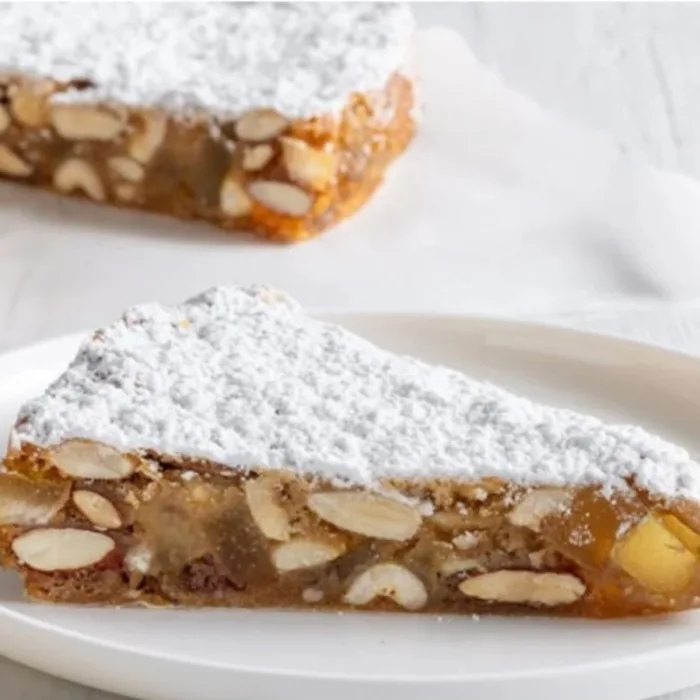

You will find here, many more mediterranean recipes:


…Or if you want to travel here to experience it first hand:

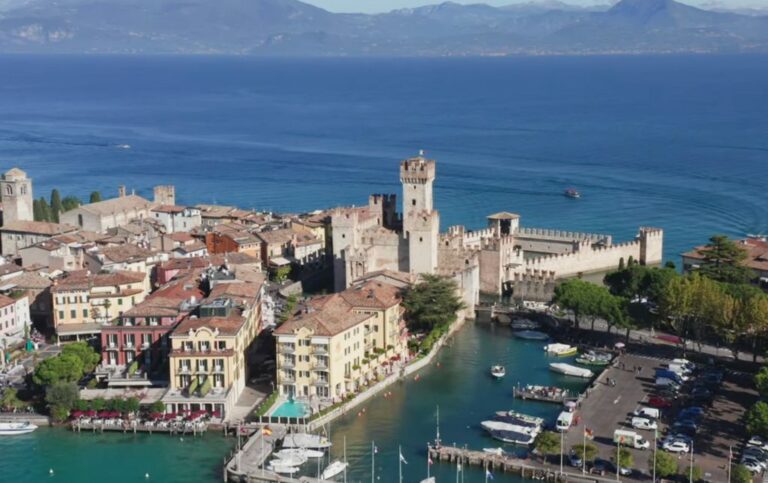


Discover here a selection of posts offering practical tips and heartfelt insights on:
- motivation,
- family organization,
- meal planning,
- travel adventures,
- personal inspiration,
- Bible reflections,
- and parenting guided by biblical wisdom