
How to Make Italian Pizza Home – the Traditional Way

When it comes to authentic Italian pizza, the world of flavors, ingredients, and cooking methods is vast and deeply rooted in tradition. Italian pizza is a celebration of simplicity, featuring a few carefully selected ingredients that highlight the freshness and flavors of the garden or market. It’s about taking the necessary time to let the dough rise, allowing each component to shine without being overwhelmed by too many toppings. Crafted with love and patience, every pizza becomes a testament to authentic Italian culinary tradition. When prepared this way, it perfectly captures the essence of summer, bringing its warmth and joy to every bite.
Authentic Italian Pizza Recipe
Italian pizza is more than just a meal – it’s a celebration of simplicity, patience, and the joy of cooking with love. The magic of real traditional pizza lies not in its complexity, but in its simplicity.
Italian Pizza - home made

With just a handful of fresh, high-quality ingredients and a dash of amore, Italians have managed to create a dish that's captured the hearts and taste buds of the world.
Ingredients
For the Dough:
- 500 grams (4 cups) all-purpose flour or Italian 00 flour
- 325 ml (1 1/3 cups) lukewarm water
- 5 grams of salt
- 10 grams of wet yeast (or 1.5 grams of dry yeast)
For the Sauce:
- 1 can (400 grams) San Marzano tomatoes - can be replaced with any full, creamy tomato sauce
- 2 tablespoons extra virgin olive oil
- a pinch of salt
- Fresh basil leaves
For the Toppings:
- 250 grams (9 oz) fresh mozzarella cheese, torn (you can slice it or shave it but for the maximum original effect, just torn it in pieces)
- Fresh basil leaves
- Extra virgin olive oil
- Optional: Parmigiano Reggiano, grated
- Optional: Various toppings like cherry tomatoes, arugula, prosciutto, mushrooms, olives, salami. My recommendation is not to use more than one optional topping at a time (maximum two) - this is how Italians are doing it!
Instructions
1. Prepare the Dough:
* Mix the Yeast: In a small bowl, combine the lukewarm water and yeast and a spoon of the flour to feed the yeast. Stir and let it sit for about 5-10 minutes until it becomes frothy.
* Combine Ingredients: In a large mixing bowl, combine the flour and salt. Create a well in the center and pour in the yeast mixture.
* Knead the Dough: Mix the ingredients until a dough forms. Transfer to a lightly floured surface and knead for about 10 minutes until smooth and elastic.
* First Rise: Place the dough in a lightly oiled bowl, cover it with a damp cloth, and let it rise in a warm place for about 1-2 hours or until it has doubled in size.
2. Prepare the Sauce:
* Cook the Garlic: In a medium saucepan, heat the olive oil over medium heat.
* Add Tomatoes: Add the San Marzano tomatoes and break them up with a spoon. Season with salt and simmer for about 15 minutes. Add fresh basil leaves towards the end of cooking.
* Blend (Optional): For a smoother sauce, you can blend the mixture with an immersion blender.
3. Assemble the Pizza:
* Preheat the Oven: Preheat your oven to the highest temperature (around 250°C/482°F) with a pizza stone inside if you have one. This simulates the high temperatures of a wood-fired oven.
* Divide and Shape the Dough: Once the dough has risen, punch it down and divide it into 2-4 portions, depending on how large you want your pizzas. Shape each portion into a ball and let them rest for 10 minutes.
* Roll Out the Dough: On a lightly floured surface, roll out each dough ball into a thin circle. Transfer to a piece of parchment paper or a pizza peel if using a pizza stone.
4. Add Toppings:
* Olive oil: drip 1 spoon of olive oil on each of the pizza and spread on the entire surface with a brush
* Sauce: Spread a thin layer of tomato sauce over the dough, leaving a small border around the edges.
* Cheese and Toppings: Distribute the mozzarella cheese evenly over the sauce. Add any additional toppings you prefer.
5. Bake the Pizza:
* Transfer to Oven: If using a pizza stone, slide the pizza (with the parchment paper) onto the preheated stone. If not, place the pizza on a baking sheet.
* Bake: Bake for about 10-12 minutes, or until the crust is golden and the cheese is bubbly and slightly browned.
* Finish: Once out of the oven, drizzle with a little extra virgin olive oil, scatter fresh basil leaves on top, and optionally, sprinkle with grated Parmigiano Reggiano.
6. Serve:
* Slice and Enjoy: Slice the pizza and serve immediately. Enjoy your homemade authentic Italian pizza!
Notes
- Use High-Quality Ingredients: The key to authentic Italian pizza is using the best ingredients you can find, especially for the tomatoes, cheese, and olive oil.
- Don't Overload with Toppings: Italian pizzas are known for their simplicity. Use a few high-quality toppings rather than overloading the pizza.
- Let the Dough Rise Properly: Give your dough plenty of time to rise. This will result in a lighter, more flavorful crust.
- Bake at High Temperatures: If possible, use a pizza stone and bake at the highest temperature your oven allows to get that perfect, bubbly crust.
These tips for the perfect pizza will make you and your family enjoy your culinary journey to Italy right from your kitchen!
Key Elements of Authentic Italian Pizza
Pizza Dough
The foundation of any authentic Italian pizza is its dough. Made from simple ingredients like flour, water, salt, and yeast, the dough is allowed to rise for a long time, often up to 24 hours. This slow fermentation process results in a light and chewy crust.
Tomato Sauce
The classic tomato sauce used on Italian pizzas is typically made from San Marzano tomatoes, which are known for their sweet and rich flavor. The sauce is usually seasoned with salt, olive oil, and sometimes garlic and basil, creating a simple yet flavorful base.
Fresh Mozzarella Cheese
Fresh mozzarella cheese, especially buffalo mozzarella, is a staple in traditional Italian pizza. Its creamy texture and mild flavor complement the tomato sauce perfectly.
High-Quality Ingredients
Authentic Italian pizzas prioritize fresh ingredients such as fresh vegetables, herbs like basil leaves, and high-quality meats. These elements come together to create a pizza that’s rich in flavor and authenticity.
Wood-Fired Oven
One of the key differences between Italian and American pizza is the cooking method. Real Italian pizza is often cooked in a wood-fired oven at very high temperatures, sometimes reaching up to 900°F. This method gives the pizza a unique, bubbly crust with a slightly charred flavor that’s hard to replicate with an electric oven.
Types of Italian Pizza
Pizza Margherita
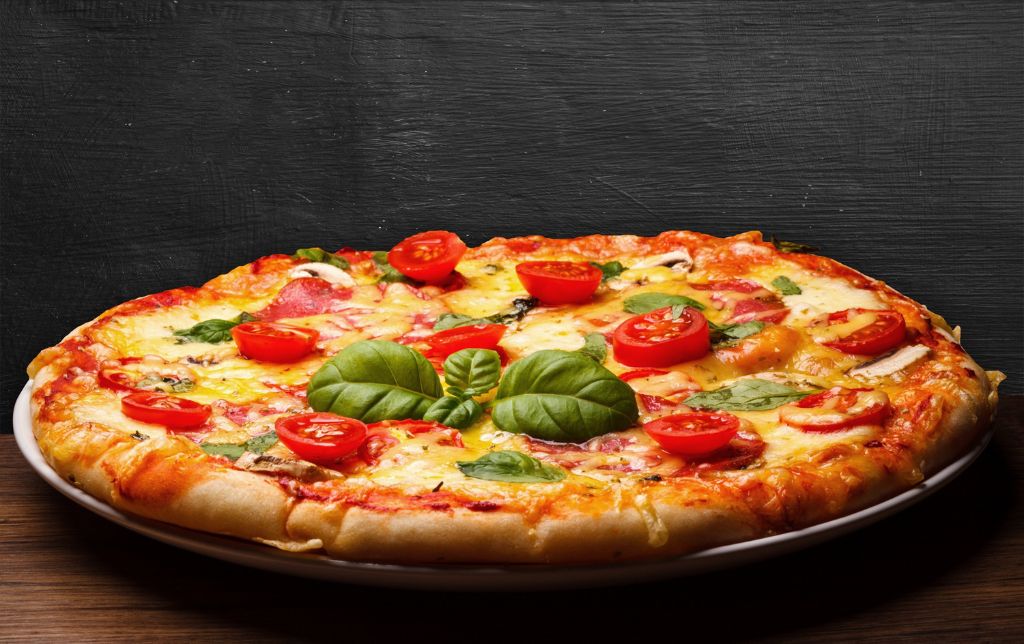
The most iconic of all Italian pizzas, Pizza Margherita, is a celebration of simplicity. Topped with red tomatoes, white mozzarella, and green basil, it embodies the colors of the Italian flag. A drizzle of olive oil and a sprinkle of Parmigiano Reggiano complete this classic.
Pizza Marinara
Another classic, Pizza Marinara, features tomato sauce, garlic, oregano, and olive oil, but no cheese. It’s one of the oldest pizza recipes and a true testament to the beauty of minimalism in Italian cuisine.

Pizza Quattro Stagioni
The Quattro Stagioni (Four Seasons) pizza is divided into four sections, each representing a different season with various toppings like artichokes, ham, mushrooms, and olives. This pizza showcases the diversity of Italian toppings.

Pizza Romana
Characterized by its thin crust and crisp texture, Pizza Romana often includes toppings like anchovies, capers, and fresh tomatoes, offering a salty and savory flavor profile.
Pizza Siciliana
Pizza Siciliana typically has a thicker crust and is often topped with strong flavors like anchovies, onions, tomatoes, herbs, and sometimes hard cheeses like Pecorino.

Pizza Bianca
Pizza Bianca or “white pizza” skips the tomato sauce and is usually topped with mozzarella, olive oil, and sometimes ricotta or other cheeses. It’s a rich and creamy alternative to the traditional red sauce pizzas.

Special Varieties and Street Food
Pizza al Taglio
This street food favorite, also known as pizza by the slice, is baked in large rectangular trays and sold by weight. It’s perfect for a quick snack on the go.
Pizza alla Pala
Baked on a wooden plank, Pizza alla Pala is known for its long, oval shape and crisp crust. It’s a popular choice for sharing.
Pizza Fritta
A Neapolitan specialty, Pizza Fritta is deep-fried, creating a crispy exterior with a soft, doughy interior. It’s often filled with ricotta, provolone, and salami.




The Authentic Italian Pizza Experience
Family-Owned Restaurants
To truly experience authentic Italian cuisine, visit family-owned restaurants and pizzerias. These establishments often follow traditional recipes passed down through generations, ensuring an authentic flavor and a warm, welcoming atmosphere.
Italian Pizza Kitchen
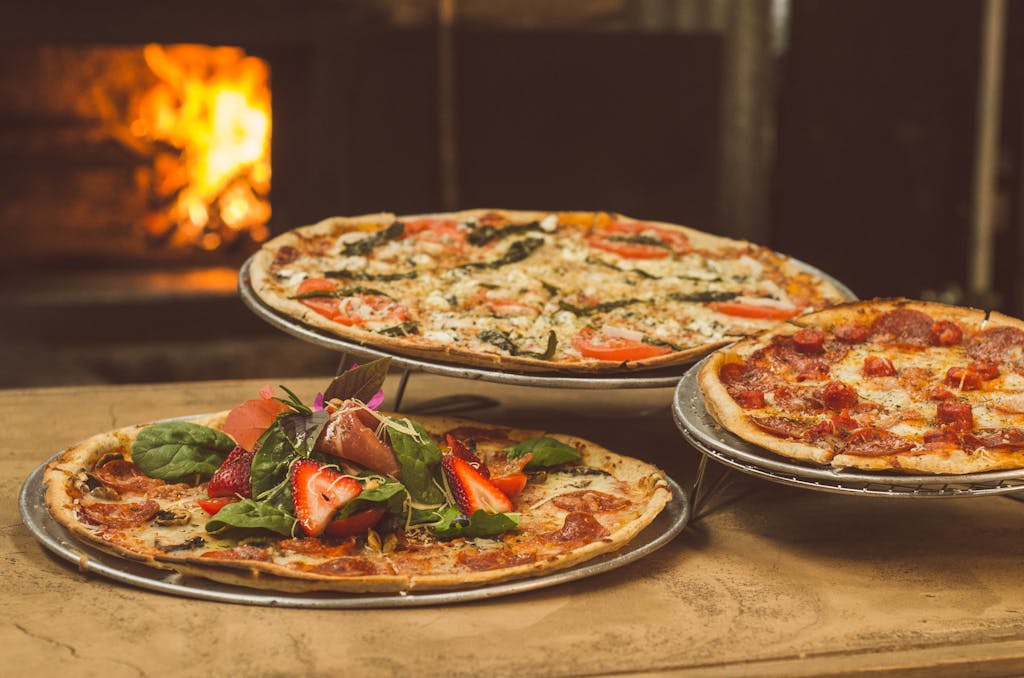
In an Italian pizza kitchen, you’ll witness the step-by-step process of creating the perfect pizza. From rolling out the dough with a rolling pin to topping it with fresh ingredients and baking it in a wood-fired oven, the artistry involved is captivating.
Comparing Italian and American Pizza
Key Differences
- Crust: Italian pizzas typically have a thinner, more delicate crust compared to the often thicker and doughier American-style pizza.
- Ingredients: Italian pizzas focus on fewer, higher-quality ingredients, while American pizzas may use a wider variety of toppings.
- Cooking Method: The use of a wood-fired oven at high temperatures is a hallmark of Italian pizza, contributing to its unique texture and flavor.
If you love Italian cuisine, you will enjoy these recipes too:
Orecchiette di manzo al limone
Quick and easy mediterranean rice recipe for summer
Conclusion
Exploring the world of authentic Italian pizza is a journey through ancient civilizations, traditional cooking methods, and a dedication to high-quality ingredients. Whether you’re savoring a classic Neapolitan style pizza or discovering the unique flavors of Pizza Siciliana, each bite is a testament to Italy’s rich culinary heritage. So, next time you find yourself in an Italian restaurant, remember these insights and enjoy the delicious taste of true Italian pizza.


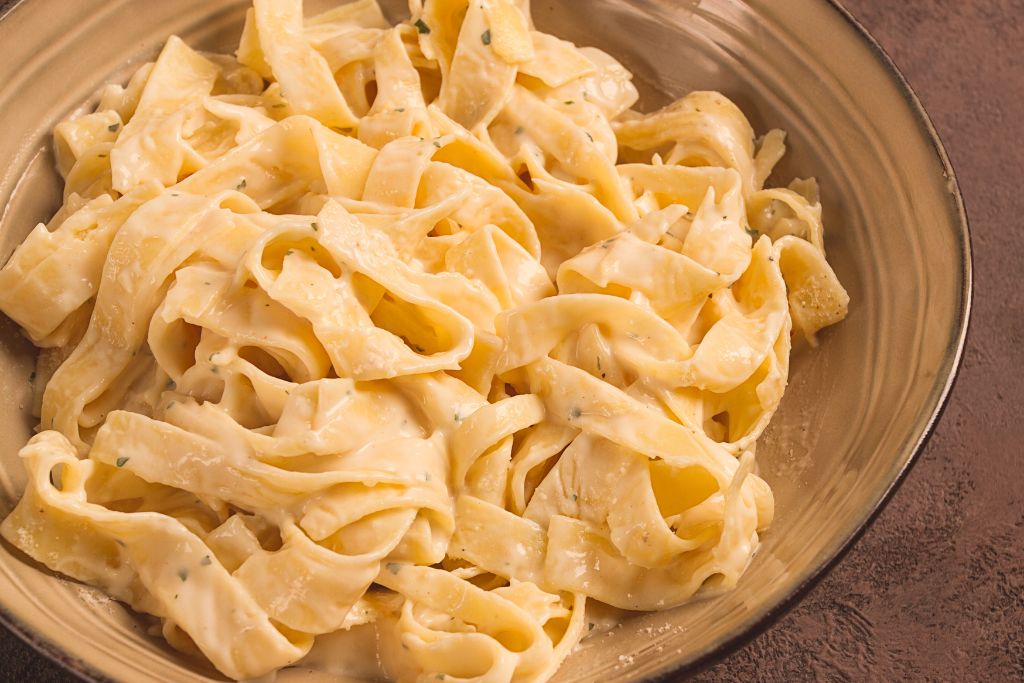


I used the roller to make the pizza sheet thin and by God it was so tasty and crunchy! My kids loved it, definitely I will do it again. And again 😉