
Vin Brulé – The Spiced Mulled Wine for the Cold Wintery Festive Days
This Mulled Wine, known in Italian as Vin Brulé is a warm, spiced beverage that has become synonymous with winter festivities, particularly around the Christmas season in Italy. It is a little confusing, as the name Vin Brulé comes from the French burnt wine, but the French call this beverage warm wine (vin chaud) and not burnt wine (vin brule). This comes only to show how old this beverage is as how spred around the mediterraneans first and foremost, as it originated 2000 years ago (at least) in the Roman Empire and it spread with it around the mediterranean sea and upper north in Europe.

Vin Brule Foundational Ingredients:
You can be very creative with this beverage, especially since you can find really flavorful spices around the mediterranean. However, you will need to always follow this basic structure of ingredients:
- Base: Red wine, typically a full-bodied but not overly tannic variety. Common choices include Merlot, Barbera, or another dry red as Chianti for example.
- Spices: Cinnamon, cloves, and star anise are staples. Additionaly you can add nutmeg, allspice, or ginger for extra warmth and complexity.
- Sweeteners: Sugar or honey to balance the wine’s acidity and to meld the flavors together.
- Citrus: Oranges and sometimes lemons (the zest and occasionally their juice) for a fresh, aromatic note.
- Optional! you can occasionally add a splash of brandy or another spirit for an extra kick, though this isn’t traditional for Vin Brulé.
Preparation of vin brule:
- First Heating: The wine is gently heated with the spices and sugar, never brought to a boil, to preserve the alcohol content and to meld the flavors without burning off the alcohol.
- Then Infusion: Spices are often wrapped in cheesecloth or added directly to the wine, allowing their flavors to infuse gently. Citrus peels or slices add aromatic depth.
- The Serving: Vin Brulé should be served hot, ideally in ceramic mugs to retain warmth, often garnished with a slice of citrus or a cinnamon stick for an aesthetic touch.
Origin and Tradition:
As with everything in Italy, the mulled wine has a millennia old history too. It dates back to ancient Rome, where it was known as “conditum paradoxum.” The tradition has evolved over centuries and spread in the entire world. Thus Vin Brulé is only the Italian take on this global winter warmer and you can find it in absolutely every Christmas fair in Europe and every household in Italy (and not only) during the winter festivities.
Nowadays, the “burnt wine” is a Festive Drink, beloved during the holiday season, helping to combat the chill of winter while enjoying it together with the local community and during celebrations. It also has Health Claims as it’s considered to have health benefits, such as aiding digestion or warming the body, thanks to the combination of spices known for their medicinal properties.
Vin Brulé Recipe Card (Example Variant):
Vin Brulé

Vin Brulé encapsulates the warmth and festive spirit of winter in Italy, making it a cherished tradition during the colder months.
Ingredients
- 1 bottle of red wine
- 1/2 cup sugar or honey
- 1 orange, sliced or zested
- 2-3 cinnamon sticks
- 5-6 cloves
- 1-2 star anise
- Optional: lemon zest, a pinch of nutmeg
Instructions
- Combine all ingredients in a large saucepan.
- Heat gently until the sugar dissolves and the wine is hot but not boiling.
- Simmer for about 10-15 minutes to let the flavors meld.
- Strain out the spices if you added them loose, or remove the spice sachet if used.
- Serve hot, garnished as desired.
How is the mulled wine is called around the mediterranean?
Here’s how Mulled Wine is referred to in various Mediterranean countries:
- Italy: Vin Brulé
- France: Vin Chaud (which translates to “hot wine”)
- Spain: Vino Caliente or Mulled Wine (not a traditional Spanish term, but used in contexts where mulled wine is served)
- Greece: Κρασί ζεστό (Krasí zestó), meaning “hot wine”
- Croatia: Kuhano vino (which means “cooked wine”)
- Slovenia: Kuhano vino
- Portugal: Vinho Quente (meaning “hot wine”)
- Malta: Vin Imqadded (loosely translated as “mulled wine” in Maltese)
With what do Italians pair Vin Brulé?
In Italy, Vin Brulé is often enjoyed as a warming drink on its own, but you will find it paired with various foods and sweets that complement its flavors. Here are some common pairings:
Pairing of Vin Brulé with Sweet Treats:
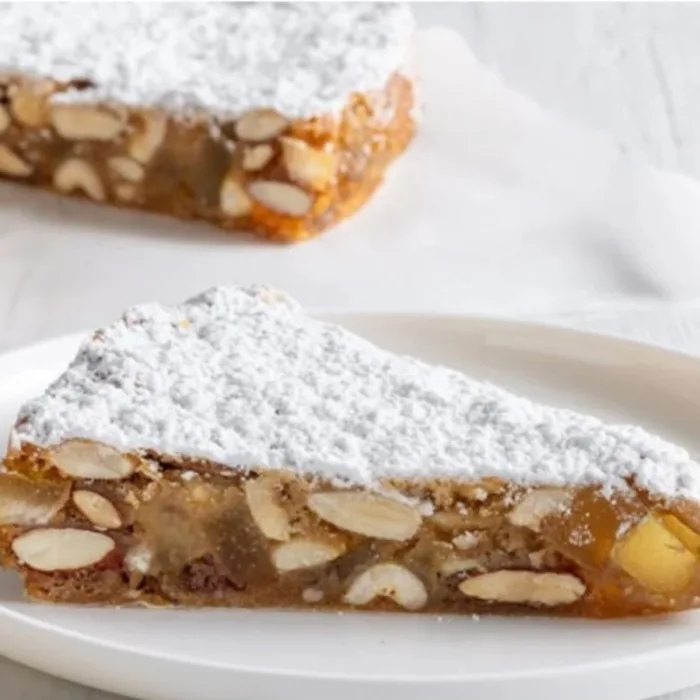
- Panettone: This traditional Milanese Christmas cake, with its light, airy texture and speckles of dried fruit, pairs wonderfully with Vin Brulé. The sweet, slightly alcoholic notes of panettone complement the spiced wine.
- Pandoro: Similar to panettone but without the fruit, this star-shaped cake from Verona is another festive choice, its sweet, buttery taste harmonizing with Vin Brulé.
- Cantucci or Biscotti: These crunchy, almond biscuits are perfect for dipping into the warm wine, adding a delightful texture contrast.
- Torrone: A nougat confectionery, often studded with nuts, which can be enjoyed alongside Vin Brulé for a sweet and slightly sticky contrast.
Savory Options:
- Bruschetta: During events like Christmas markets or winter festivals, simple bruschetta might be served, offering a contrast with its toasted bread and fresh toppings like tomatoes or olive oil.
- Cheese: A selection of Italian cheeses, especially milder ones like mozzarella or gorgonzola dolce, can balance the spices of Vin Brulé.
Seasonal Fruits:
- Chestnuts: Roasted chestnuts are a classic winter treat in Italy, providing a sweet, earthy counterpoint to the spiced wine.
- Apples: Slices of apple, especially if used in the Vin Brulé itself, can be served as a simple, fresh accompaniment.
Pastries:
- Strudel: While more commonly associated with Alpine regions, apple strudel can be a delightful pairing, especially if the Vin Brulé includes apple spices.
Cookies and Cakes:
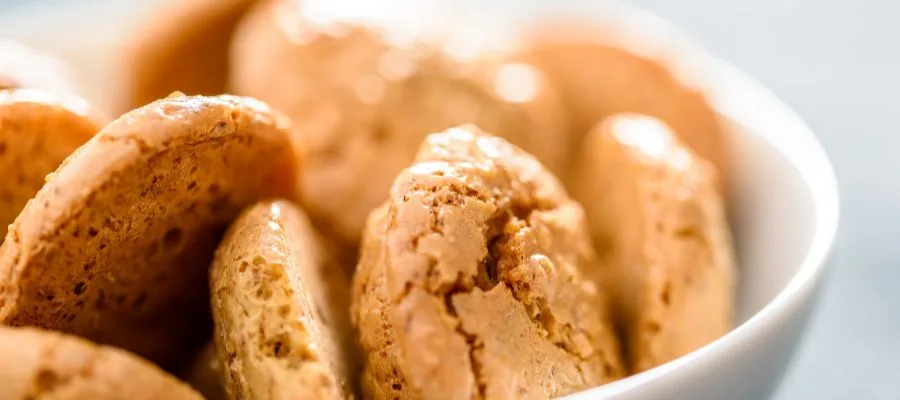
- Amaretti: These almond-flavored cookies, with their crunchy exterior and chewy interior, make for an excellent pairing, with their bitterness offsetting the sweetness of the wine.
- Zeppole or Fritelle: Especially around Carnival time or other winter festivities, these fried dough treats can be a fun, informal pairing.
And not last, the vin brule is served paired with joy and friends
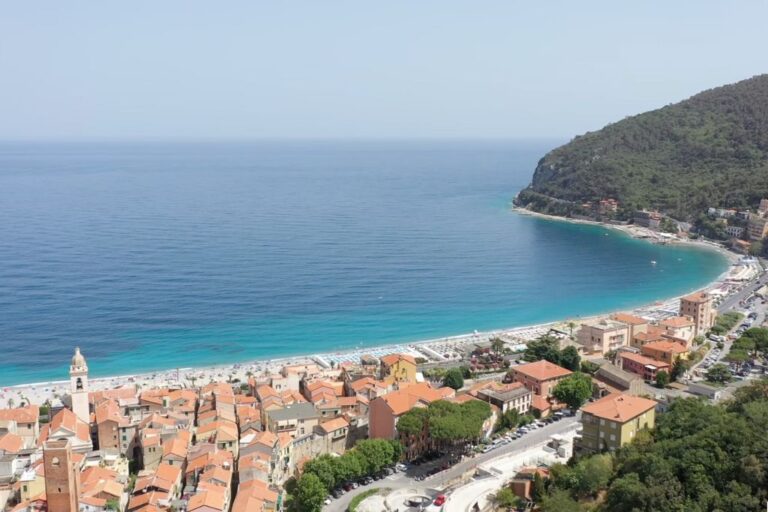
As the chill of winter sets in, Italians come together in piazzas at bustling Christmas markets, in the cozy corners of homes, or in historic town squares, all united by the shared pleasure of this comforting beverage.
In this spirit, Vin Brulé becomes a catalyst for joy, a toast to the holiday spirit, where friends and family raise their glasses, not just to celebrate the season, but to savor the warmth of community. With whatever you decide to pair it, each sip of Vin Brulé encapsulates the essence of Italian Christmas—about warmth, tradition, and the simple joy of being together.







this spiced wine sounds like winter in a mug! You made it look so easy with just a few ingredients, and I’m already excited to try it. Thanks for the warm vibes!