Exciting 3 Days Trip in the Musical Jewel of Lombardy

Visiting Cremona – 3 days itinerary
This 3 days itinerary provides a blend of historical exploration, cultural immersion through music, and local gastronomy, capturing the essence of what Cremona offers to visitors. Remember to check opening times and any special events or closures in advance. Whether you’re a music enthusiast, history buff, or lover of fine food, Cremona offers a unique blend of cultural and historical experiences. Walking through its ancient streets, you can feel the city’s deep connection to the art of violin making and its enduring influence on the world of music.
Here’s a step-by-step itinerary for visiting Cremona, Italy, focusing on its rich history, musical heritage, and local cuisine:
Day 1: Arrival and Historic Center
Morning:
- Arrive in Cremona. If you’re coming by train, the station is centrally located for easy access to the city center.
- Start at Piazza del Comune where you’ll find:
- Cremona Cathedral (Duomo) – Visit this Romanesque masterpiece, known for its “Sistine Chapel of the North” frescoes.
- Torrazzo – Climb this bell tower, the tallest brickwork bell tower in Europe. Enjoy panoramic views of Cremona from the top.


Afternoon:
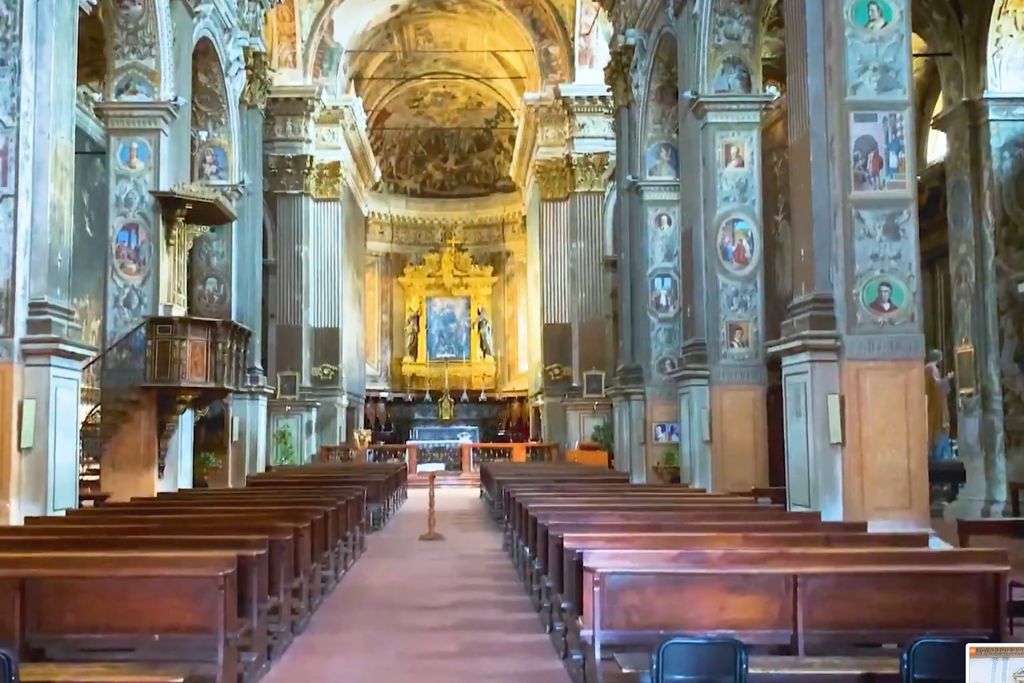
- Explore the Baptistry next to the Cathedral, noted for its beautiful frescoes.
- Stroll to Loggia dei Militi to see ancient architecture and the city’s coat of arms.
- Lunch at a local restaurant; try Marubini (a local pasta filled with meat) in a broth.
Evening:
- Visit Piazza della Pace for a relaxed evening. Enjoy an aperitif or dinner at one of the cafes or trattorias.


Day 2: Music and Culture
Morning:
- Head to the Museo del Violino (Violin Museum). Here, you can delve into Cremona’s world-renowned violin-making tradition, including Stradivari’s legacy.


Afternoon:
- After lunch, visit Chiesa di San Domenico, where you might catch concerts or events, given its association with music festivals in Cremona.
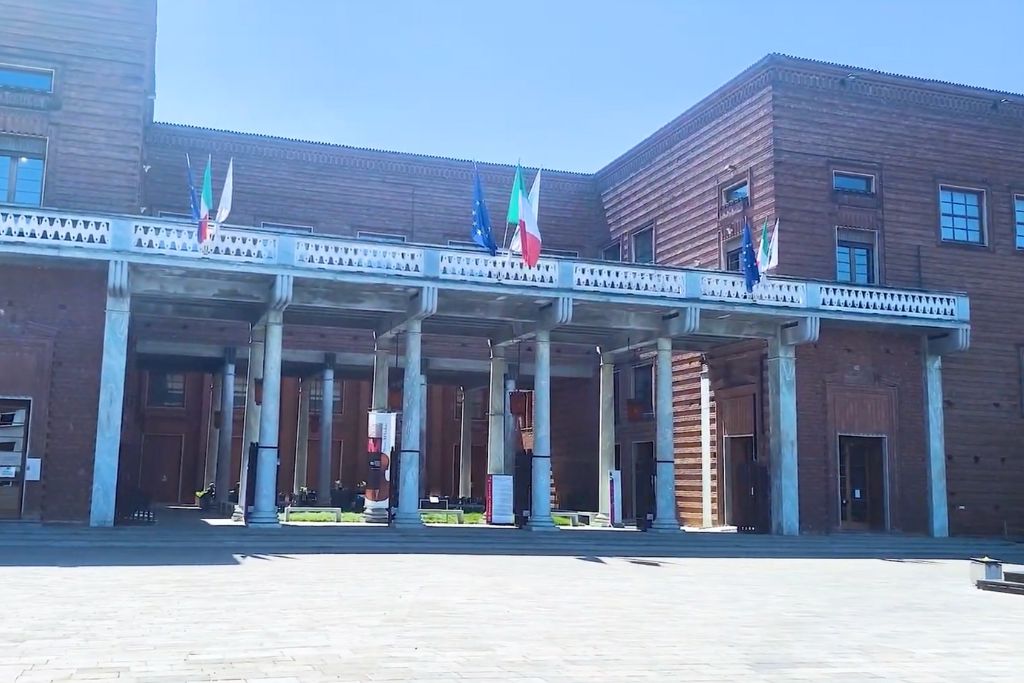
- If open, explore Palazzo Comunale (Town Hall) for temporary exhibitions or historical insights.


Evening:
- Optional visit to Teatro Ponchielli for an evening performance if there’s a show scheduled, celebrating Cremona’s musical heritage.
Day 3: Food, Leisure, and Nearby Attractions
Morning:
- Visit Mercato dei Fiori e Frutta if it’s a market day, around Piazza del Comune, to experience local produce and perhaps pick up some torrone (nougat), a famous Cremonese sweet.
Afternoon:
- Take a short trip to San Sigismondo, a basilica about 3 km from Cremona, known for its Renaissance architecture and frescoes.
- Return to Cremona and explore Parco della Terrazzi for a relaxed stroll or a picnic.


Evening:
- Dine in Centro Commerciale Cremona Po or another local eatery, tasting more local specialties like mustard of Cremona, which is unique to the region.
Additional Tips:
- Transportation: Cremona is quite walkable, but consider renting bikes or using public transport for convenience, especially if visiting outlying attractions.
- Local Cuisine: Don’t miss out on trying Nocino (walnut liqueur) or Mostarda di Cremona, a sweet and spicy fruit preserve often served with boiled meats.
- Events: If your visit coincides with any of Cremona’s festivals, like the International Festival of Violin Making or the Antique Market, adjust your itinerary to include these experiences.
- Accommodation: Book centrally located to make the most of your short stay, reducing travel time between attractions.
Iconic Landmarks and Must-Visit Attractions
All Cremona is a historic city in the Lombardy region of northern Italy, renowned for its rich cultural heritage and significant contributions to music and the arts. Here’s an overview of what makes Cremona so special:
- it’s a hub of musical heritage
- its architectural and cultural marvels
- the notable figures linked to Cremona through their creative life and/ or musical pieces
- its festival and events
- the flavory culinary delights
- its modern attractions
- its unique features
- the educational art institutions
1. A Hub of Musical Heritage
Violin Making Tradition
Cremona is famously known as the birthplace of the art of violin making. The city is home to some of the most legendary luthiers in history, including:
- Antonio Stradivari: Perhaps the most famous violin maker, Stradivari’s instruments are still revered for their unparalleled sound quality. His violins, crafted during the 17th and 18th centuries, are considered some of the finest ever made. The Cremona Violin is synonymous with excellence, and the city’s tradition of violin making has been recognized as a UNESCO Intangible Cultural Heritage.
- Andrea Amati: Often credited with creating the modern violin, his legacy continued through his descendants.
- Guarneri del Gesù: Another celebrated family of luthiers whose instruments are highly prized.
Museo del Violino
The Violin Museum (Museo del Violino) in Cremona is a must-visit for anyone interested in the history and artistry of violin making. This museum, located in the Palazzo dell’Arte, showcases a stunning collection of violins, including those made by Stradivari and other legendary luthiers. The museum offers interactive exhibits and insights into the craft that has made Cremona famous worldwide.
2. Architectural and Cultural Marvels
Cremona Cathedral
The Cremona Cathedral (Duomo di Cremona) is the symbol of the city and it is a stunning example of Lombard Romanesque architecture. You can find here intricate frescoes and sculptures. The adjoining Torrazzo, a 112-meter-high bell tower, is one of the tallest brick structures in Europe and offers breathtaking views of the city.
Piazza del Comune
It’s the heart of Cremona’s historic center. This main piazza is surrounded by significant buildings such as the Palazzo Comunale (town hall), the Loggia dei Militi, and the Octagonal Baptistery. These structures date back to the 13th century and are integral to the city’s architectural heritage.
Palazzo Comunale
It is only a short walk from the main piazza. This iconic building plays a central role in the city’s civic life. Nearby, you can also find the Hotel Impero and Hotel Astoria, both of which provide convenient accommodations for visitors. dates back to the early 13th century. You can often find here exhibitions and events that celebrate Cremona’s rich heritage.
3. Notable Figures
Cremona’s history is marked by notable figures such as Claudio Monteverdi, a pioneer in the development of opera. The city’s past is also tied to significant historical events, including the Marriage of Bianca Maria Visconti and Francesco Sforza, uniting powerful Italian families and shaping the region’s history.
Emperor Frederick and the Lombard League, an alliance of northern Italian towns, played pivotal roles in Cremona’s development as an independent commune. The city’s political and cultural influence peaked during the Renaissance, leaving a lasting legacy.
4. Festivals and Events
Stradivari Festival
Held annually, this festival celebrates the legacy of Antonio Stradivari with concerts, exhibitions, and masterclasses featuring world-renowned musicians and instrument makers.
Festa del Torrone
This festival celebrates Cremona’s famous nougat (torrone) with various culinary events, historical reenactments, and entertainment.
5. Culinary Delights
The city’s cuisine reflects its rich agricultural surroundings and deep-rooted culinary traditions. Exploring its culinary offerings you will get a delicious insight into the region’s rich cultural and agricultural heritage. Whether enjoying a simple pasta dish or a complex dessert, each bite is a testament to the city’s gastronomic excellence.
Here are some traditional dishes you must try when visiting this charming city:
Salumi and Cheese
1. Salame di Cremona: Cremona is famous for its cured meats, and Salame di Cremona is a local favorite. This salami is made from finely minced pork, seasoned with garlic, wine, and spices, and aged to perfection.
2. Grana Padano: This hard, slow-ripened cheese, similar to Parmigiano Reggiano, originates from the Po Valley. It has a rich, nutty flavor and is often enjoyed grated over pasta or as a standalone snack.
Starters and Appetizers
3. Mostarda di Cremona:A unique condiment made from candied fruits and a mustard-flavored syrup. It pairs perfectly with meats and cheeses, offering a sweet and spicy contrast.
4. Tortelli di Zucca:These pumpkin-filled ravioli are seasoned with amaretti cookies, nutmeg, and grated cheese, then served with a sage and butter sauce. This dish is especially popular during the fall and winter months.
Main Courses
5. Marubini:A type of stuffed pasta, similar to ravioli, filled with a mixture of meat, cheese, and breadcrumbs. Marubini is traditionally served in a rich broth or with a meat sauce.
6. Gran Bollito Cremonese:This hearty dish features a selection of boiled meats, including beef, chicken, and veal, served with various sauces such as green sauce (salsa verde) and pearà, a peppery bread sauce.
7. Pisarei e Faso:A comforting dish of small, hand-rolled pasta (pisarei) served with a thick, savory bean (faso) and tomato sauce, often flavored with pancetta and sage.
Desserts
8. Torta Bertolina:A traditional autumn cake made with grapes, typically the uva fragola variety. It’s a moist and flavorful dessert that showcases the local grape harvest.
9. Sbrisolona:A crumbly almond cake that is crunchy and slightly sweet, often enjoyed with a glass of dessert wine or a cup of coffee.
10. Torrone:Cremona is particularly famous for its nougat, known as torrone. Made from honey, sugar, egg whites, and toasted nuts (usually almonds or hazelnuts), it is a delightful treat especially popular during the Christmas season.
Dining Experience
When visiting Cremona, be sure to explore local restaurants and trattorias where you can savor these traditional dishes. Some recommended spots include:
- La Sosta: Known for its traditional menu and cozy atmosphere.
- Osteria del Melograno: Offers a range of local specialties and a great selection of wines.
- Ristorante Il Violino: A fine dining experience that combines classic and contemporary Italian cuisine.
6. Modern Attractions
Today, Cremona continues to celebrate its heritage through various cultural institutions and events. The Tourist Office in Piazza Marconi offers information on the city’s attractions, including artisan workshops, gelato shops, and historical tours.
For a taste of local cuisine, visitors can enjoy typical dishes at restaurants like La Sosta. The Po River provides a scenic backdrop for leisurely walks and exploration of the surrounding countryside.
7. Unique Features
Cremona boasts unique features such as the world’s largest astronomical clock and numerous artisan workshops that keep the tradition of handcrafted musical instruments alive. The Palazzo Comunale and other historic buildings offer a glimpse into the city’s storied past.
Whether you’re visiting for the first time or returning to experience its charm again, Cremona is a city that captivates with its blend of history, culture, and musical excellence. From its status as the world capital of violin making to its rich architectural heritage, Cremona offers an unforgettable journey through time and art.
8. Educational Institutions
International School of Violin Making: Cremona is home to the International School of Violin Making (Scuola Internazionale di Liuteria), where students from around the world come to learn the craft from master luthiers.