See Now Memorable Places and Taste Savory Foods

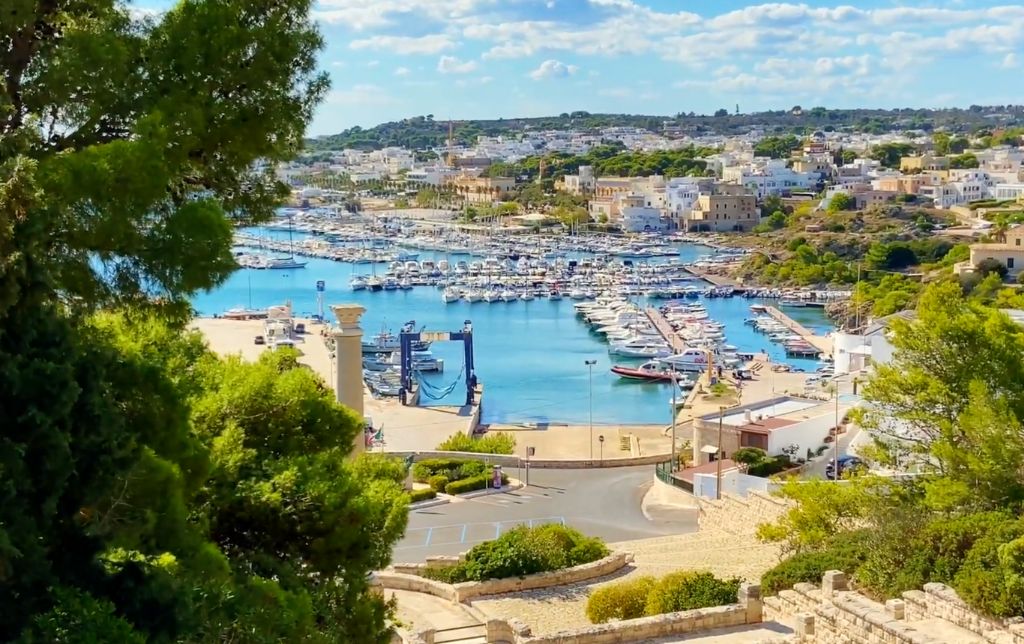
Ventimiglia is a captivating town located on the northwestern part of the Italian Riviera, just near the French border. Stepping in Ventimilia is finding oneself in a blend of rich history, beautiful landscapes, and vibrant markets, making it an excellent destination for a day trip or a longer Italian adventure.
Historical Sites
Ventimiglia, with its rich historical tapestry, offers numerous sites that highlight its ancient and medieval past. Here’s a guide to the key historical sites in Ventimiglia that you should not miss:
1. Ventimiglia Alta (Historic Old Town)


The medieval hill town of Ventimiglia Alta is a must-visit area, characterized by its narrow, winding streets and vibrant, colorful houses. Walking through this part of town is like stepping back in time.
2. Roman Theater

Explore the remains of the ancient Roman theater located in Ventimiglia Alta. This site gives a fascinating glimpse into the city’s Roman past and its significance during Roman times.
3. Ancient City Walls
As you wander through Ventimiglia Alta, you’ll come across traces of the ancient city walls that once fortified the town. These remnants are a testament to the town’s strategic importance throughout history.
4. 11th Century Romanesque Cathedral
The Ventimiglia Cathedral, also known as the Cattedrale di Santa Maria Assunta, dates back to the 11th century. This Romanesque cathedral is one of the most significant religious structures in the region, featuring beautiful architecture and historical artifacts.


5. Octagonal Romanesque Baptistry
Adjacent to the cathedral, the Octagonal Romanesque Baptistry is another important historical site. Its unique shape and architectural style make it a remarkable example of Romanesque religious architecture.
6. Archaeological Museum “Girolamo Rossi”
Located near the Roman theater, the Archaeological Museum “Girolamo Rossi” houses artifacts from the Roman era, including items discovered in the nearby archaeological sites. The museum provides a deeper understanding of Ventimiglia’s ancient history.
7. Prehistoric Caves (Balzi Rossi)
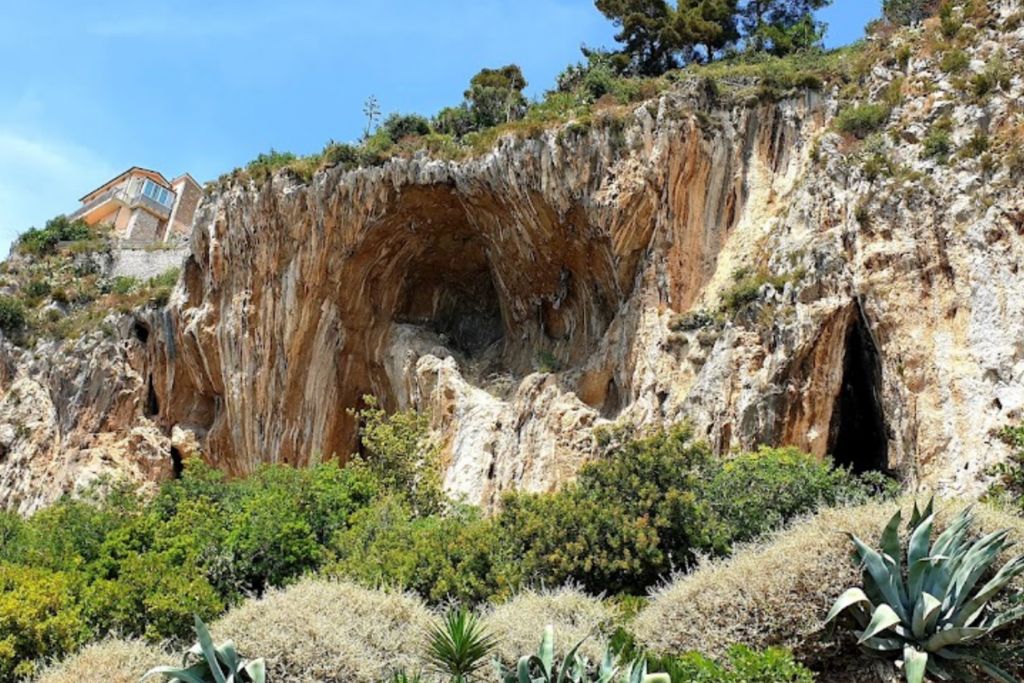
The Balzi Rossi caves, just outside Ventimiglia, are a significant prehistoric site. These caves are associated with the Cro-Magnon family and contain paleolithic artifacts that provide invaluable insights into early human history.
8. Remains of a Roman Theater
In addition to the Roman theater in Ventimiglia Alta, there are other smaller remnants scattered throughout the town, highlighting the area’s historical significance during the Roman era.
9. Medieval Gates
The remaining gates of the medieval town are scattered throughout Ventimiglia Alta. These gates were once part of the city’s fortifications and are a reminder of its medieval past.
10. Hanbury Gardens (Giardini Botanici Hanbury)


Although primarily known for their botanical significance, the Hanbury Gardens also hold historical value. The gardens, established in the 19th century by Sir Thomas Hanbury, feature a former villa and beautifully landscaped grounds that have historical and cultural importance.
11. Medieval Churches
Ventimiglia Alta is home to several medieval churches, each with its own unique history and architectural features. These churches are integral to understanding the town’s religious and cultural heritage.

12. Traces of Ancient City Walls
Throughout Ventimiglia, you’ll find traces of the ancient city walls that once protected the city. These remnants are scattered across the old town and provide insight into the city’s historical defense mechanisms.
13. Battaglia di Fiori (Battle of the Flowers)
While not a historical site in the traditional sense, the annual Battaglia di Fiori is a historic event that has been celebrated for generations. This colorful festival, featuring flower-covered floats, is a vital part of Ventimiglia’s cultural heritage.
14. Palazzo Biancheri
Located in the historic center, Palazzo Biancheri is a notable historical building that showcases the architectural style of past centuries.
15. Medieval Bridges
Ventimiglia features several medieval bridges, which are beautiful examples of the engineering skills of the time. These bridges are not only functional but also add to the town’s picturesque landscape.
Visiting Tips
- Wear Comfortable Shoes: The narrow, cobblestone streets of Ventimiglia Alta can be challenging, so comfortable footwear is essential.
- Plan for a Day Trip: Ventimiglia’s historical sites can be explored in a day, making it a perfect day trip destination from nearby cities like Nice or Genoa.
- Check Opening Hours: Some historical sites and museums may have specific opening hours or may be closed on certain days, so it’s best to check in advance.
Ventimiglia’s historical sites offer a rich tapestry of the past, from prehistoric times through the Roman era to the medieval period. Exploring these sites provides a deeper appreciation of the town’s historical significance and cultural heritage.
Exploring Ventimiglia in 1 Day
Easy Accessibility
Ventimiglia is conveniently located on the main rail line, making it easy to reach from both Italy and France. The train station is a key transit point, with very short train rides to the French Riviera and the Italian Riviera town of Sanremo. This makes Ventimiglia a good base for exploring the region. The proximity to the French town of Menton and the Italian border means you can experience two countries in one trip.
Ventimiglia Alta
Start your day journey in the historic old town, Ventimiglia Alta. You will find here a medieval hill town characterized by its narrow, winding streets and colorful houses. Walking through this area, you can explore the remains of a Roman theater, traces of the ancient city walls, and paleolithic artifacts found in the prehistoric caves nearby. The octagonal Romanesque baptistry and the 11th-century romanesque cathedral are must-see landmarks that reflect the town’s historical significance.
Modern Town
The modern part of Ventimiglia offers a stark contrast to its medieval counterpart. In the city center, you’ll find the bustling covered market, an ideal spot to sample local produce such as olive oil, fresh bread, and various Italian foods. On Fridays, the town hosts its famous Friday Market, one of the largest open-air markets in the region, where you can shop for leather goods, clothing, and other items.
Hanbury Gardens
A short distance from the town center lies the renowned Hanbury Gardens, or Giardini Botanici Hanbury. These beautiful gardens, once the former villa of Sir Thomas Hanbury, are home to a vast collection of exotic plants and wild flowers, making them a delightful place to explore.
Beaches and Outdoor Activities

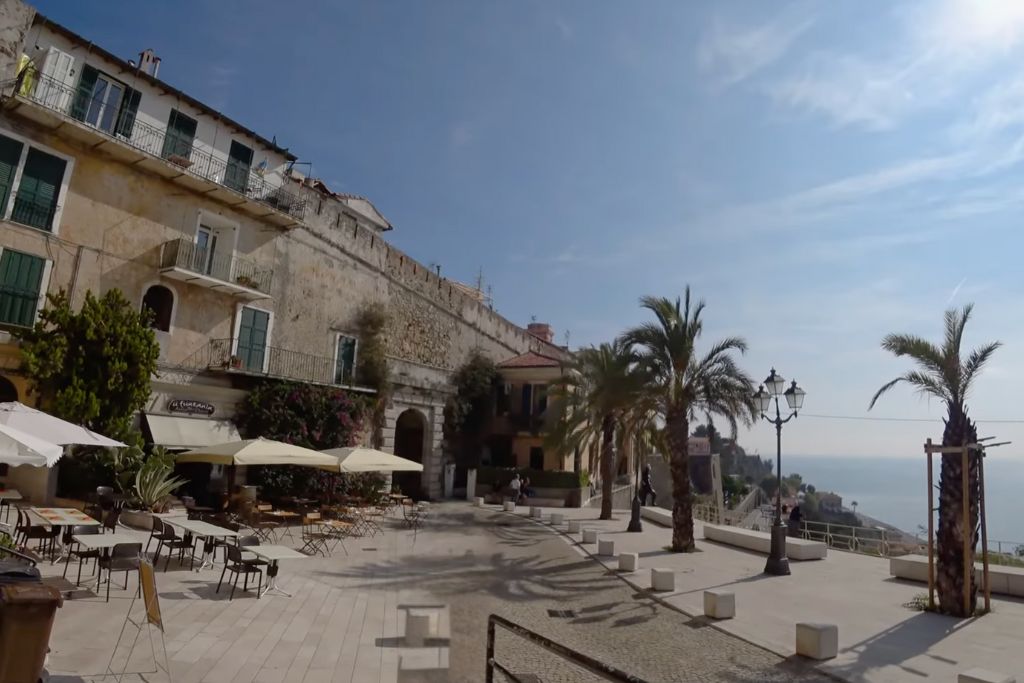


For beach lovers, Spiaggia delle Calandre offers a lovely sandy beach area perfect for sunbathing and swimming. The seaside promenade along the Roya River is a great place for a leisurely walk, offering stunning views of the coastline.
Ventimiglia’s Markets
Friday Market
The Friday Market is a highlight for many visitors, where you can find everything from local produce to leather goods. This market is a vibrant hub of activity and a great way to experience the local culture.


Covered Market
The covered market in the city center is perfect for picking up fresh, local ingredients, including olive oil, fresh bread, and other Italian specialties. It’s also an excellent spot to enjoy an outdoor table meal amidst the market’s bustling atmosphere.

Events and Festivals
The Battaglia di Fiori (Battle of the Flowers) in Ventimiglia is a vibrant and colorful festival that showcases the town’s community spirit and creativity. Here is an overview of this remarkable event:

Overview of Battaglia di Fiori
The Battaglia di Fiori is one of Ventimiglia’s most beloved traditions, celebrated biennially. This event is typically held in late June and is a highlight of the town’s cultural calendar. It involves elaborately decorated floats made entirely of flowers, which parade through the streets of Ventimiglia.
Historical Background
The tradition of the Battaglia di Fiori dates back to the early 20th century, though similar floral festivals have been celebrated in Italy for centuries. The event was conceived as a way to welcome summer and celebrate the region’s rich horticultural heritage. Over the years, it has evolved into a grand spectacle that attracts visitors from all over Italy and beyond.
Festival Highlights
- 1. Flower Floats Parade:The centerpiece of the Battaglia di Fiori is the parade of flower-covered floats. These floats are masterpieces of floral artistry, often taking months of preparation. Each float is adorned with thousands of flowers, arranged in intricate designs that depict various themes, from historical scenes to popular culture.
- 2. The Battle:The “battle” aspect of the festival is a friendly and joyous affair. At the climax of the parade, participants on the floats and spectators engage in a playful battle, tossing flowers at each other. This tradition symbolizes the celebration of life and nature’s beauty.
- 3. Street Decorations:During the festival, Ventimiglia’s streets are transformed into a floral wonderland. Buildings, balconies, and public spaces are adorned with colorful flower arrangements, creating a festive and vibrant atmosphere throughout the town.
- 4. Music and Performances:The Battaglia di Fiori is accompanied by various musical performances, including marching bands and local musicians. Traditional dances and performances add to the festive ambiance, making it a lively and entertaining event for all ages.
- 5. Community Involvement:The festival is a community effort, with local residents participating in the preparation and execution of the event. Schools, organizations, and families often collaborate to create the stunning floral floats, fostering a sense of unity and pride among the townspeople.
Visiting the Battaglia di Fiori
Best Time to Visit:
- The festival is usually held over a weekend in late June. Check local listings for the exact dates, as the event is biennial (held every two years).
How to Get There:
- Ventimiglia is easily accessible by train from both Italy and France. The town is located on the main rail line, with the train station just a short walk from the city center and festival activities.
Accommodation:
- It’s advisable to book your accommodation well in advance, as the Battaglia di Fiori attracts many visitors. Options include local hotels such as Hotel Sole Mare or Hotel Calypso, which offer convenient access to the town’s attractions.
What to Bring:
- Comfortable clothing and footwear, as you’ll likely be on your feet exploring the town and enjoying the festivities.
- A camera to capture the stunning floral displays and vibrant atmosphere.
- Some cash in euros, as local vendors and markets may not always accept cards.
Other Attractions:
- While in Ventimiglia for the Battaglia di Fiori, take the opportunity to explore other attractions such as the historic old town Ventimiglia Alta, the Hanbury Gardens, and the beautiful Spiaggia delle Calandre beach.
The Battaglia di Fiori is a unique and enchanting celebration that brings together the community of Ventimiglia and visitors in a joyful homage to the beauty of flowers. It’s a festival that captures the essence of Italian culture and offers a memorable experience filled with color, music, and tradition. If you have the chance to visit Ventimiglia during this time, it’s an event you won’t want to miss.
Recommendations
For a memorable stay, consider staying at local accommodations such as Sterling Heights. Enjoy the town’s culinary delights at restaurants in Piazza Marconi and along the seaside promenade. The local produce, Italian foods, and fresh bread available in Ventimiglia make it a great place for food lovers.
Local cuisine – delicious blend of best mediteranean French and Italian traditional dishes
Ventimiglia, being close to the border, also benefits from a blend of French and Italian culinary traditions, so you might find some dishes with a French twist or ingredients not commonly found deeper in Italy. Remember, the local cuisine often prides itself on freshness, especially when it comes to seafood, and the use of olive oil, which is a staple in Ligurian cooking.
Breads and Flatbreads:
- Focaccia – Olive oil, herbs, sometimes cheese or olives.
- Sardenara – Similar to a pizza, with toppings like tomatoes, onions, and anchovies.
- Farinata – Chickpea flour pancake.
- Socca – Similar to farinata, often associated with nearby Nice.
Pasta and Ravioli:
- Trofie al Pesto – Small, twisty pasta with pesto sauce.
- Pansotti alla Genovese – Ravioli filled with greens, served with walnut sauce.
- Ravioli di Pesce – Seafood-filled ravioli.
Seafood:
- Zuppa di Pesce – Fish soup.
- Ravioli di Pesce – Can also be grouped here for its filling.
Meat and Stuffed Dishes:
- Cima alla Genovese – Stuffed veal stomach with vegetables.
Sauces and Condiments:
- Bagnun – Anchovy sauce for seasoning.
Desserts:
- Baci di Alassio – Almond biscuits with chocolate.
General Ligurian Specialties:
- While many dishes could fit here due to regional overlap, Pesto (from Trofie al Pesto) is a quintessential Ligurian ingredient that’s used in various dishes.
Whether you’re here for a day trip or a longer stay, Ventimiglia offers a rich blend of history, culture, and natural beauty that promises an unforgettable Italian adventure.