
Why is this Deserted City Worth Visiting?
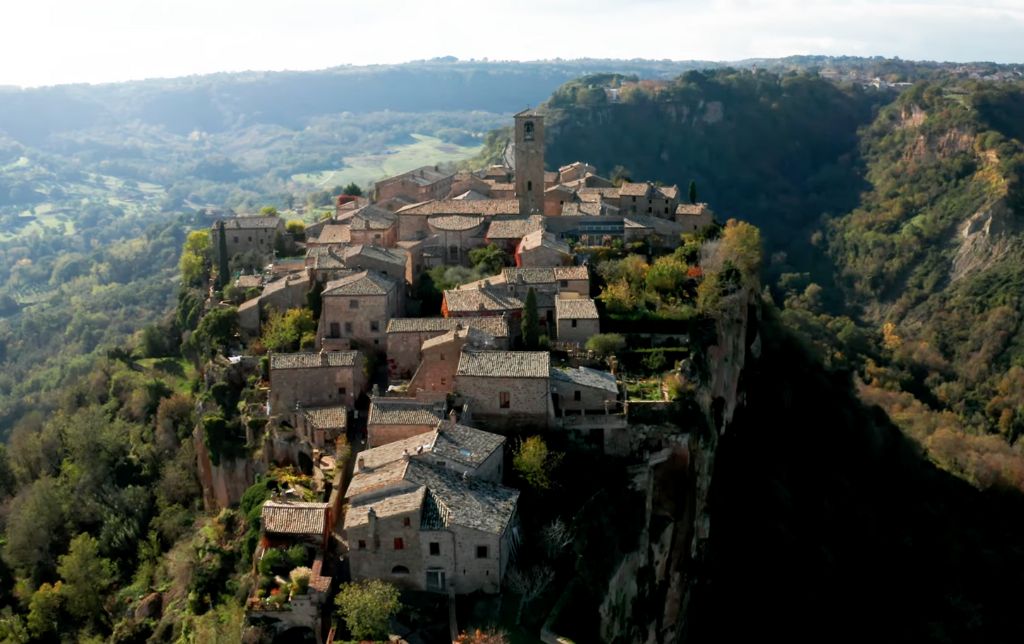
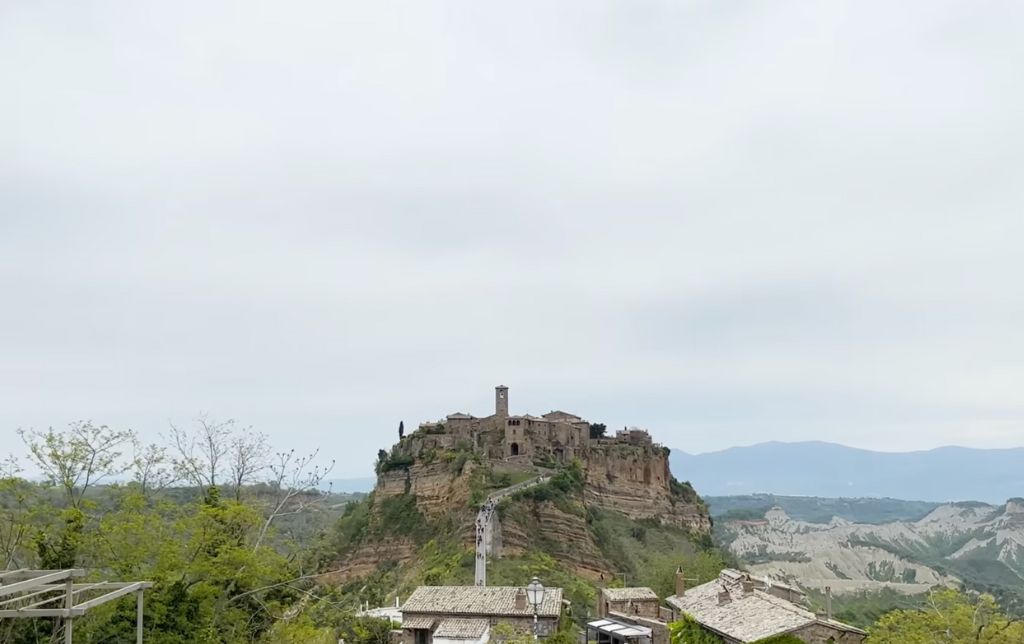
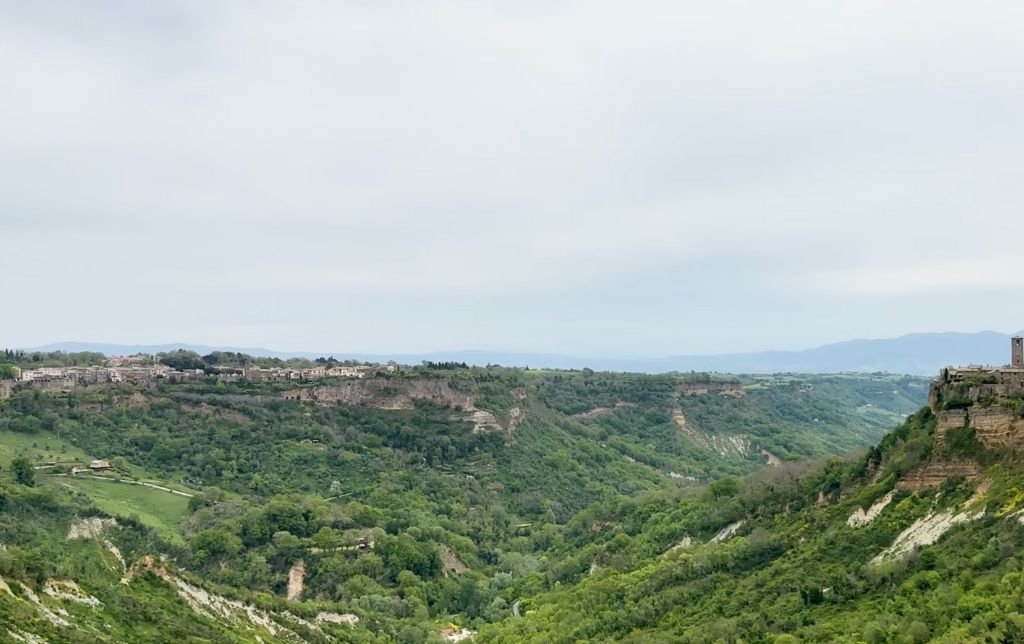
Civita di Bagnoregio, often referred to as “The Dying City,” is one of the most enchanting Italian hill towns, perched atop a plateau of volcanic tuff and surrounded by a vast canyon. This small town in central Italy’s Lazio region offers a perfect day trip for those seeking a blend of history, architecture, and breathtaking views. Renowned travel expert Rick Steves describes it as a must-visit destination for its unique charm and picturesque setting.

A Journey Back in Time
Civita di Bagnoregio was once a thriving Etruscan city in the 5th century BC. By the Middle Ages, it had become an important center for the Baglioni family. Unfortunately, earthquakes and landslides have plagued the town throughout its history. A particularly destructive earthquake in 1695 caused a massive landslide that nearly severed Civita di Bagnoregio from the mainland.
Today, Civita di Bagnoregio is a popular day trip destination from nearby Orvieto or Rome. The only way to enter the town is by walking across a long, pedestrian-only bridge known as the main entrance . The bridge itself is quite an experience, offering stunning views of the vast canyon below.
Main Entrance and Access
The only way to enter Civita di Bagnoregio is through its iconic main entrance, a huge stone passageway that leads visitors into the heart of the town. This imposing gateway, adorned with medieval sculptures including a human head, sets the stage for the historical journey that awaits.


Strolling Through History
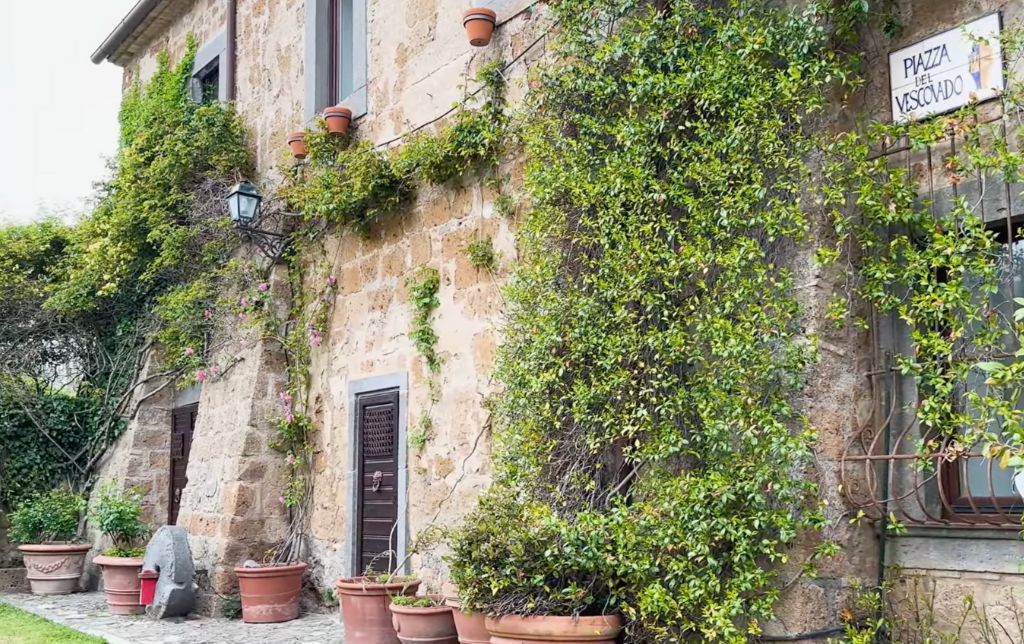
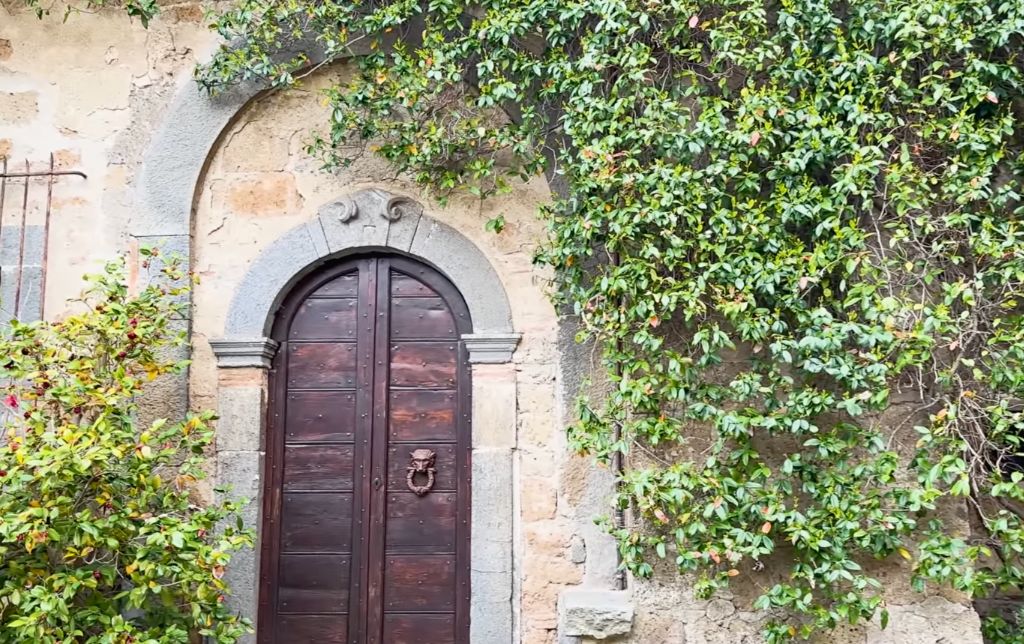
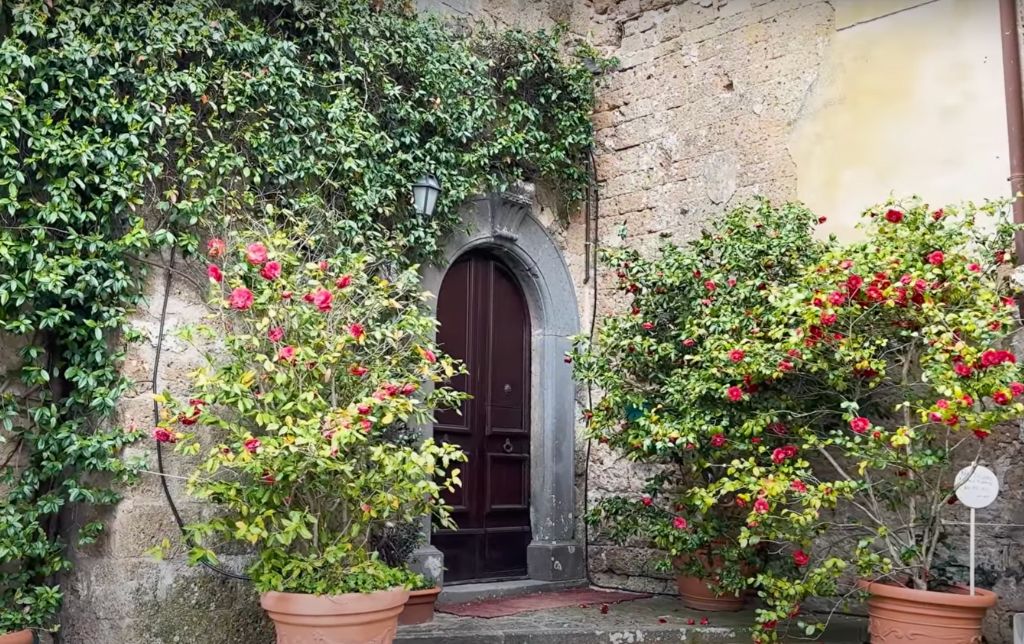
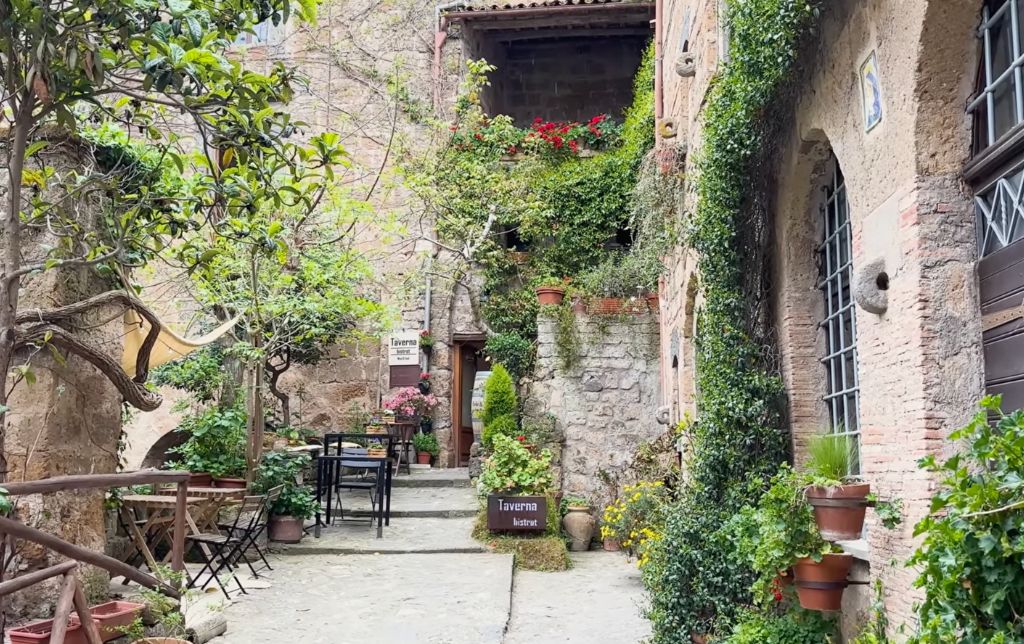
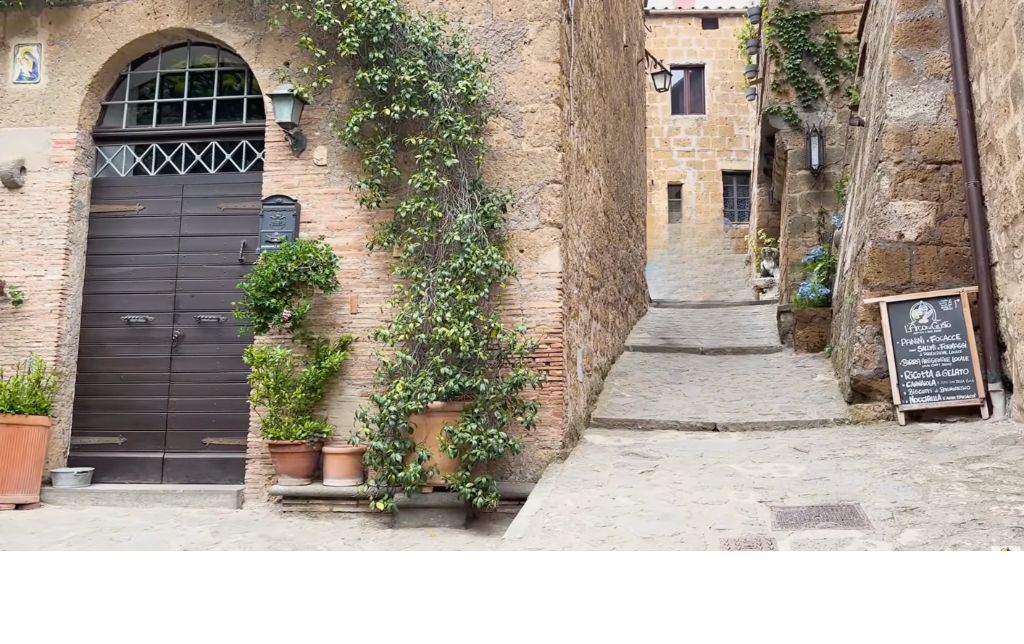
As you walk through the town, you are immediately transported to the Middle Ages. The well-preserved architecture, narrow cobblestone streets, and rustic stone houses create an ambiance that feels frozen in time. The main piazza, the central square of the town, is a hub of activity and a great place to start your exploration.
Key Highlights
Saint Bonaventure and Religious Heritage
One of the notable historical figures associated with Civita di Bagnoregio is Saint Bonaventure, a revered medieval theologian and philosopher. The town honors his legacy with various sites dedicated to his memory.

Civita’s Resilience
Despite the passage of time and the erosion that constantly threatens its existence, Civita di Bagnoregio has endured through centuries, including the tumultuous periods of World War II. The resilience of this “dying city” is a testament to its historical and cultural significance.
Vast Canyon and Scenic Views
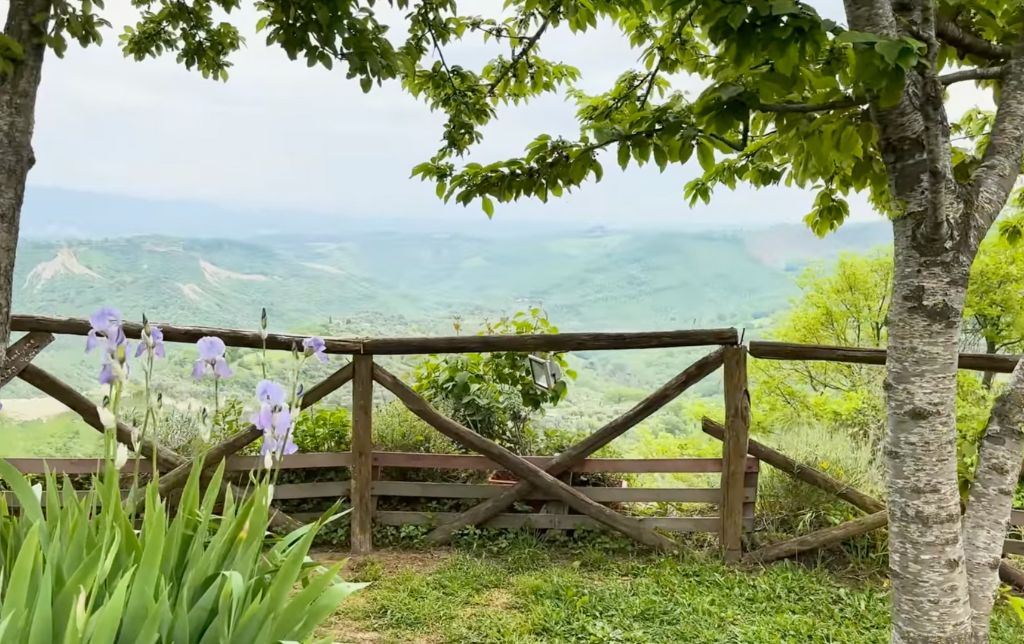
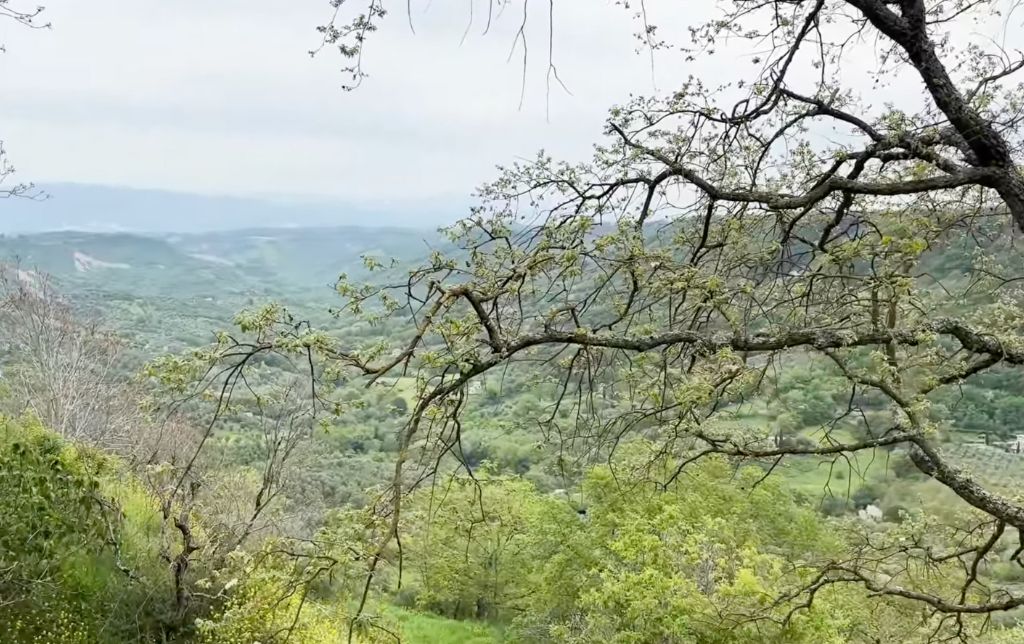
The vast canyon surrounding Civita offers stunning panoramic views that are a photographer’s delight. The dramatic landscape adds to the town’s allure, making every corner a potential viewpoint.




Historical Significance:
- Etruscan Roots: Civita di Bagnoregio boasts a rich history dating back to the 5th century BC. It was once a thriving Etruscan city and later an important center for the Baglioni family.
- Connection to Saint Bonaventure: The town was once called “City of St. Bonaventure” after the famous philosopher and theologian born there.


Things to Do
Exploring the Main Piazza
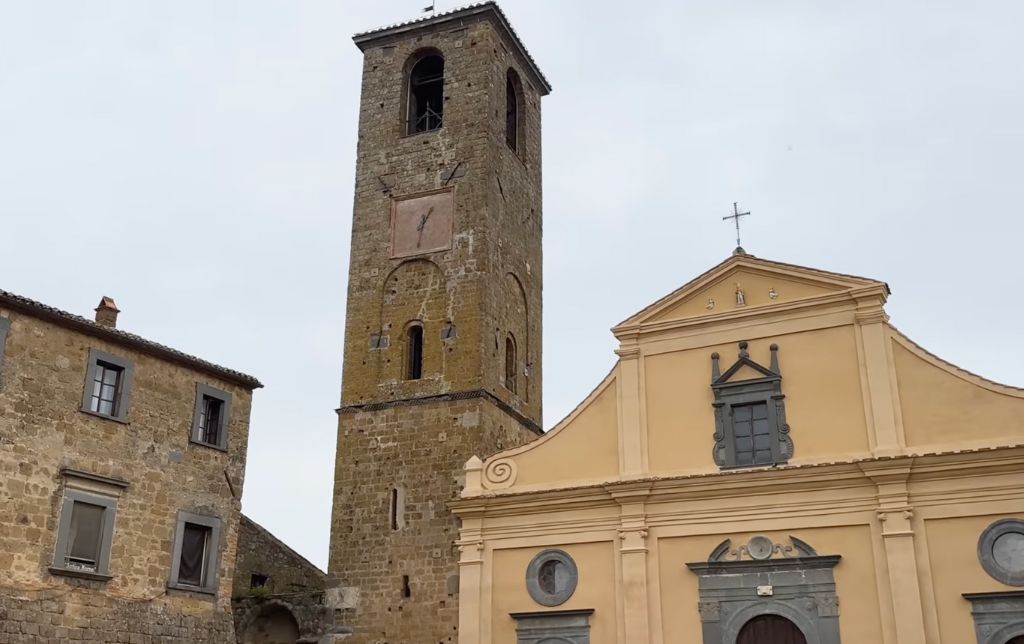
The main piazza is the heart of Civita di Bagnoregio, where you can relax, enjoy a meal, and soak in the atmosphere. The San Donato Church, located in the piazza, is a must-visit with its beautiful Romanesque architecture.
A Day Trip to Remember
A day trip to Civita di Bagnoregio is usually enough time to explore its charming streets, visit the main sites, and enjoy the local cuisine. The town’s small size makes it easy to navigate, ensuring you can see all the highlights in a single day.





Guided Tours and Rick Steves’ Recommendations
For those looking to deepen their understanding of Civita’s history, guided tours are available. Following Rick Steves’ recommendations can also enhance your visit, offering insights into the town’s hidden gems and historical context.
Practical Tips!
Getting There
It’s located in the Lazio region, about 74 miles north of Rome, making it an easy day trip from the Eternal City. The town’s population has dwindled to just 12 permanent residents, making it a quiet and serene place to explore. Access to Civita di Bagnoregio is via a pedestrian bridge, and it requires a bit of a hike, so comfortable shoes are recommended. The journey to this hill town is part of the adventure, offering scenic views along the way.
Seasonal Considerations
While Civita di Bagnoregio can be visited year-round, the best time to visit is during the spring and autumn when the weather is mild and the crowds are fewer. Summer can be hot, and winter might be chilly, but each season offers its unique charm.
Interesting facts:
Here are some interesting Civita di Bagnoregio facts:
- The town was once called “City of St. Bonaventure” after the famous philosopher and theologian who was born there in 1221.
- Civita di Bagnoregio was nearly abandoned after World War II, but restoration efforts have helped to preserve the town’s unique character.
- Civita di Bagnoregio is a popular filming location and has been featured in movies and TV shows such as “Life of Pi” and “The Passion of the Christ.”
FAQ
How long does it take to visit Civita di Bagnoregio?
Rick Steves recommends allowing at least a few hours to explore Civita di Bagnoregio, though a full day would allow you to savor the experience.
What does the name mean?
“Bagnoregio” is derived from Latin origins and is often interpreted to mean “Bath of the King” or “Royal Bath.”
Conclusion
Civita di Bagnoregio, with its rich history, stunning views, and timeless charm, is a hidden gem that embodies the essence of Italian hill towns. Whether you’re inspired by the words of Rick Steves or drawn by the allure of the “dying city,” a visit to Civita promises an unforgettable experience that will transport you back to the Middle Ages, offering a perfect blend of culture, history, and natural beauty.


