
Visit Now the Best Kept Secret of Italy
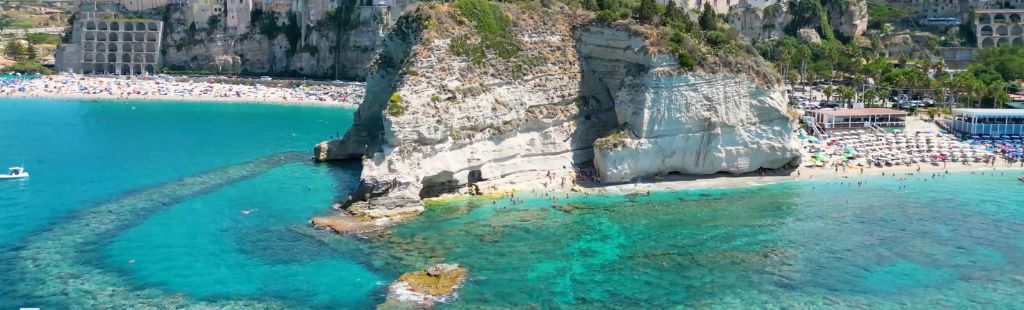
Calabria, located in southern Italy, is a region rich in history, culture, and natural beauty. Nestled between the Ionian Sea to the east and the Tyrrhenian Sea to the west, Calabria offers diverse landscapes, from rugged mountains to pristine sandy beaches. Here’s a detailed look at what makes Calabria a perfect destination for nature lovers, history buffs, and food enthusiasts alike.
Geographical Overview
Calabria, the “toe of Italy,” is bordered by the Tyrrhenian Sea to the west and the Ionian Sea to the east. This unique positioning offers an extensive coastline with some of the best beaches in Italy, along with rugged terrains and scenic hillside towns.
Key Locations
Scilla
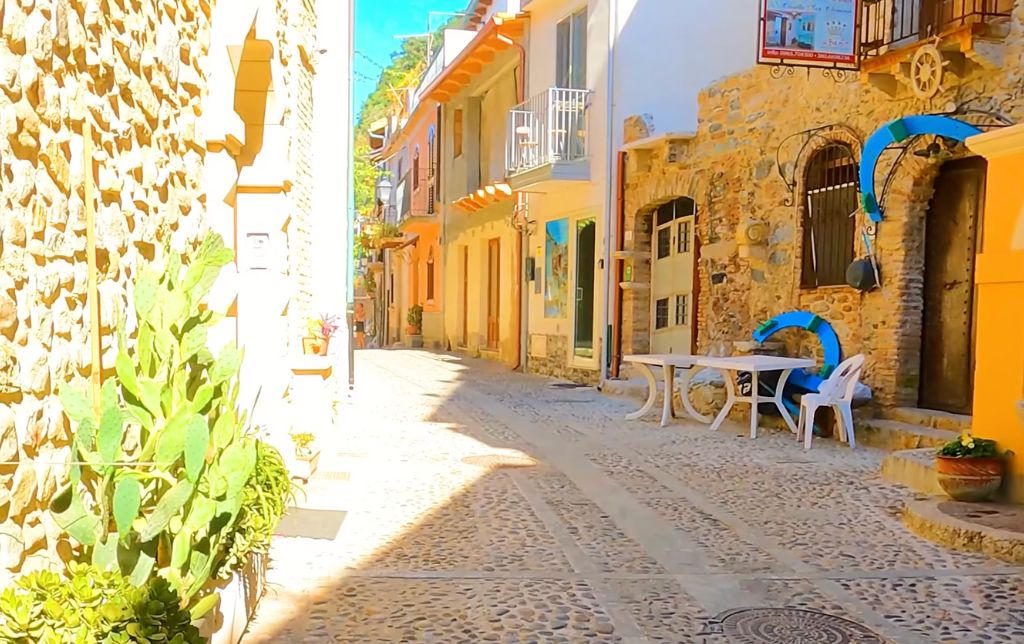
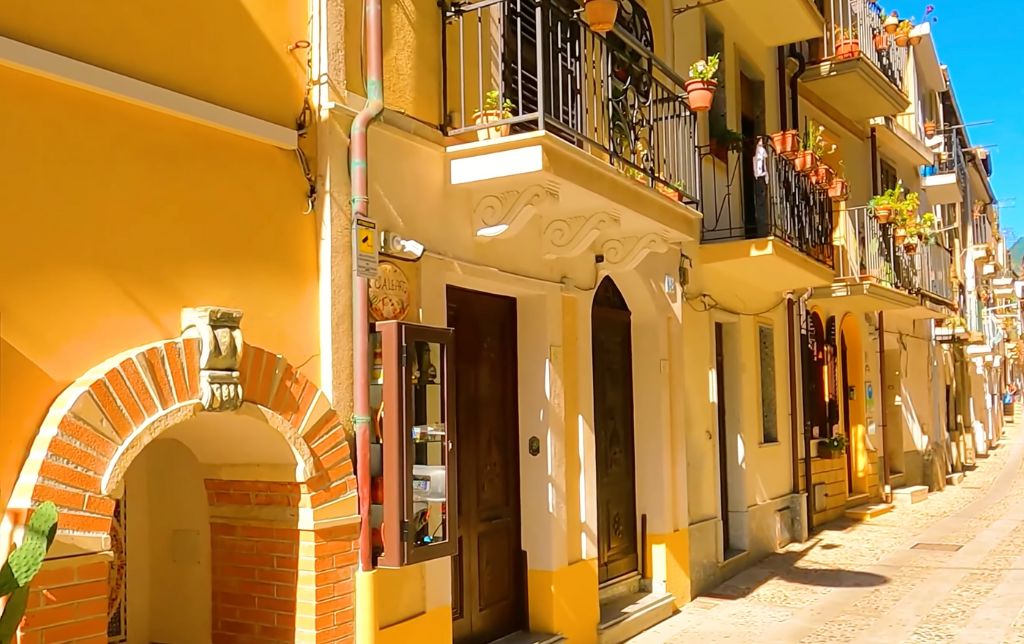


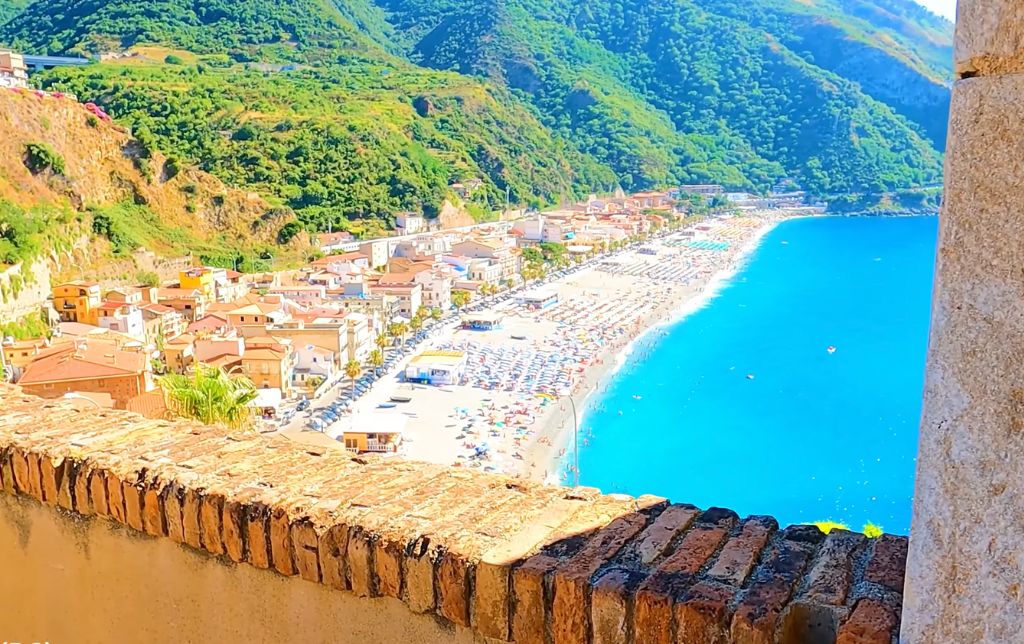


Scilla’s like the jewel of Calabria’s coast. You’ve got here stunning beaches, a town straight out of a storybook, and a vibe so chill, it’s like the Mediterranean decided to throw a party. Here’s the lowdown on why Scilla should be on your travel list:
Myth and Mystery
So, this place isn’t just gorgeous; it’s got legends. Ever heard of Odysseus? Yeah, Scilla’s that spot in the tales where he had to dodge the sea monster Scylla. If you’re into myths or just love a good story, this adds some cool layers to your visit.
Three’s a Charm: Scilla’s got three main zones:
- Marina Grande: This is where you soak up the sun on sandy beaches. It’s the go-to spot for tourists looking to chill by the sea where the water’s warm, and you’re surrounded by places to eat and stay.
- Chianalea: They call it the “Little Venice” down here. Why? Because the houses are practically kissing the sea. It’s super picturesque, with homes reflecting into the water, making you feel like you’ve stepped into a painting.
- The Downtown: Here’s where you get the real local feel. Less of the tourist buzz, more of the day-to-day life with town halls, local shops, and where the patron saint hangs out, giving you that authentic Italian town experience.
Ruffo Castle
You can’t miss this if you’re in Scilla. It’s perched up high, giving you those Insta-worthy views over the town and the sea. Plus, it’s not just for looks; this castle has seen more action than a blockbuster movie, highlighting Scilla’s role as a defensive hotspot back in the day.
Tropea
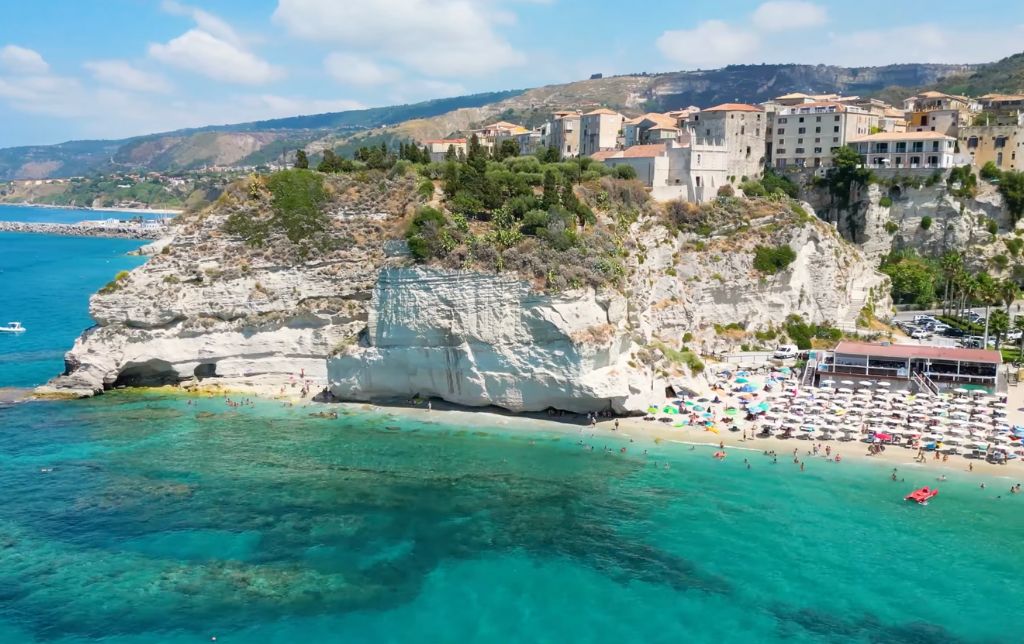


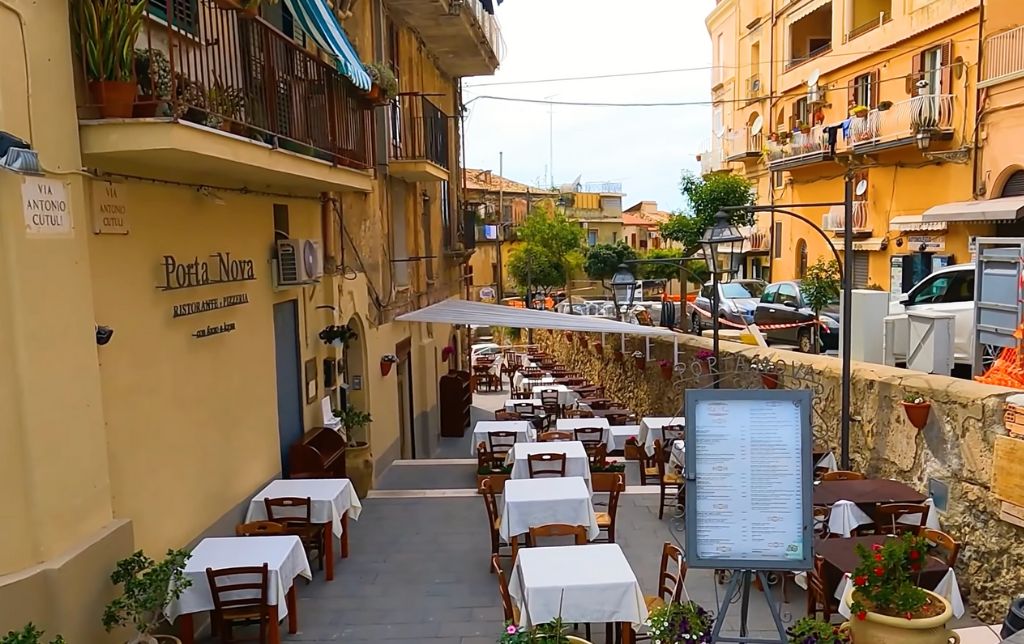
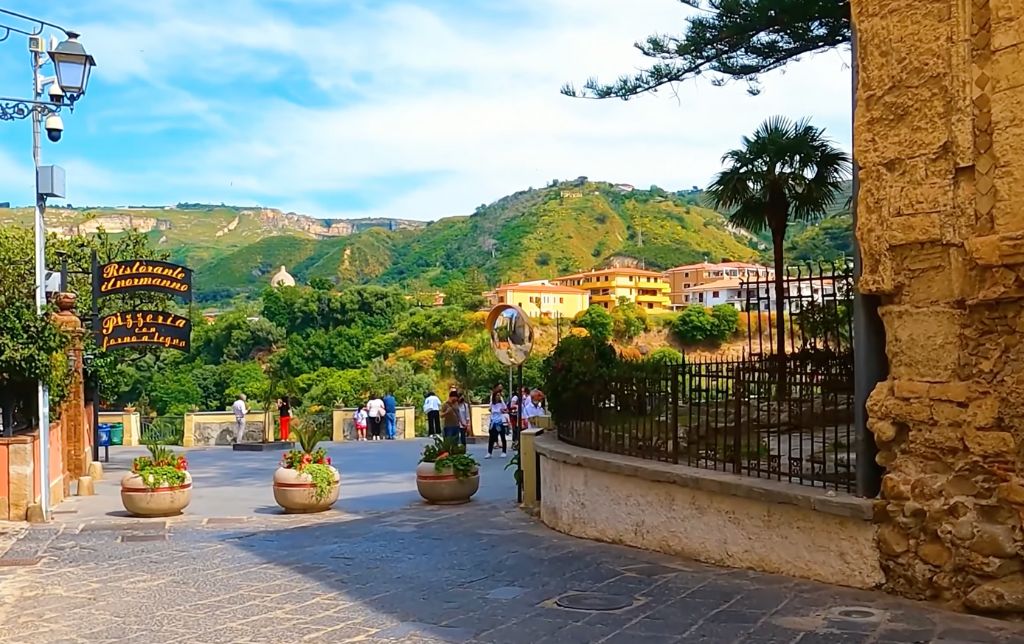
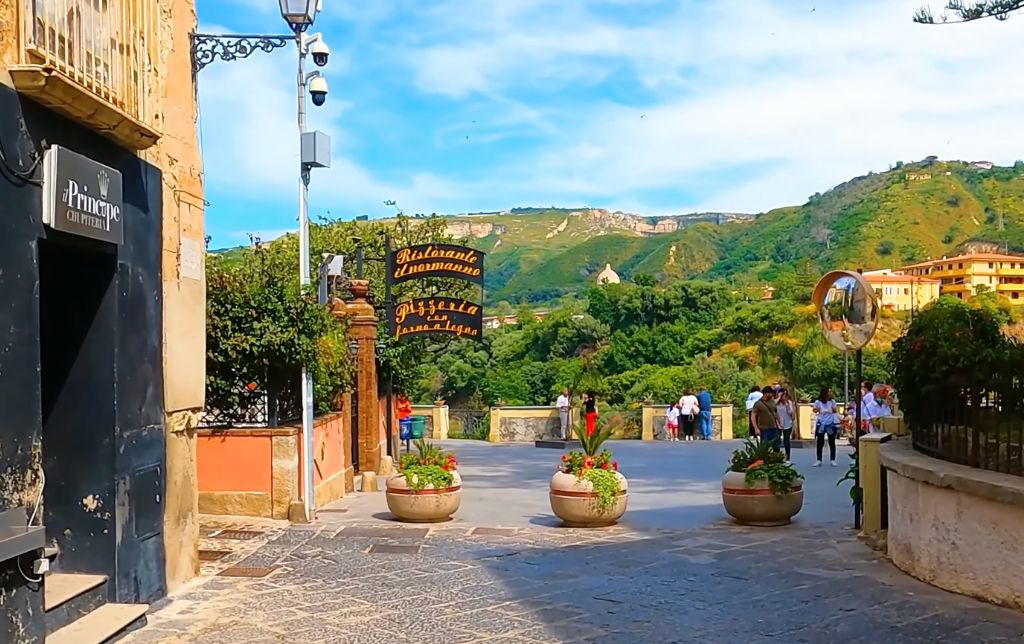

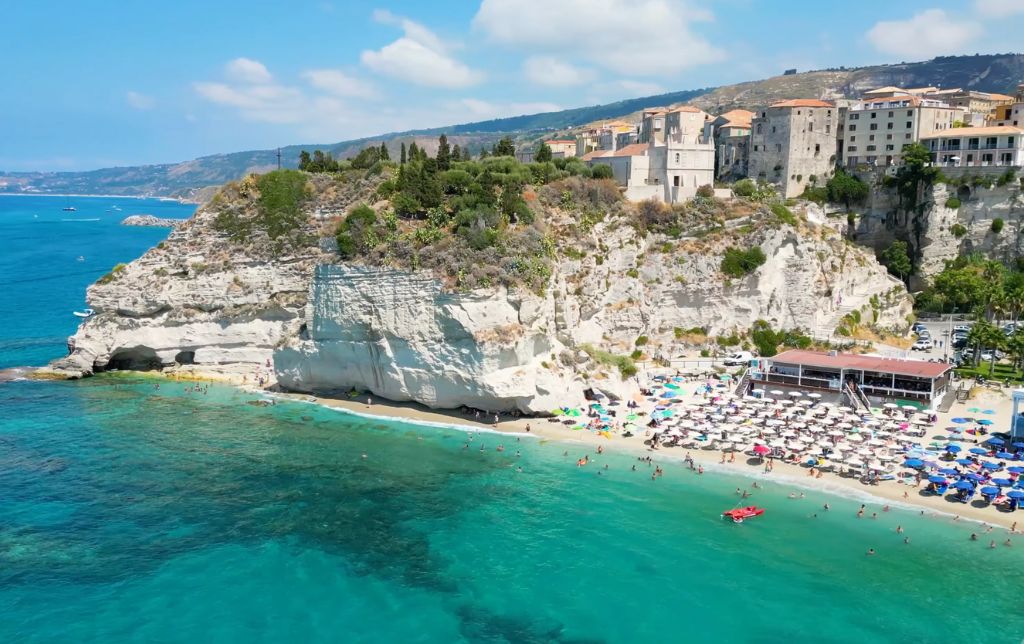
Tropea is a gem tucked away on the Calabrian coast of Italy, and if you haven’t heard of it yet, you’re in for a treat. Here’s the scoop:
The Vibe
Imagine a small town where the buildings cling to cliffs like they’re holding on for the best sea view ever, which, by the way, looks out over the Tyrrhenian Sea. The vibe? Totally chilled out. It’s like the town itself invites you to slow down, take a breath, and just enjoy life.
Beaches
The beaches here are the real deal. Think crystal clear waters where you can float around with the sound of kids playing and the occasional splash of someone diving off the cliffs. You’ve got options too – from sandy stretches where you can rent a lounger or just throw down your towel, to more secluded spots if you’re up for a little exploration.
Old Town Charm
Wander into the historic center, and it’s like stepping into another era but with Wi-Fi. Cobblestone streets, ancient buildings, and these cool old palaces from the 17th and 18th centuries. Every corner has a story, like the Norman Cathedral or the Sanctuary of Santa Maria dell’Isola that’s basically the poster child of Tropea, perched on its own little island.
Sunsets
They’re not just sunsets in Tropea; they’re like nature’s own grand finale every evening, especially when the sun seems to dip right into Stromboli’s volcano. Find a spot at Belvedere Piazza del Cannone, and you’ll get why people rave about it.
Getting Around
You’re best off with a car if you want to explore beyond Tropea, like hitting up Capo Vaticano or Pizzo. But inside Tropea? Walking’s your best bet. Remember, the historic center is up on a cliff, so be ready for some stairs to get to the beach.
Reggio Calabria


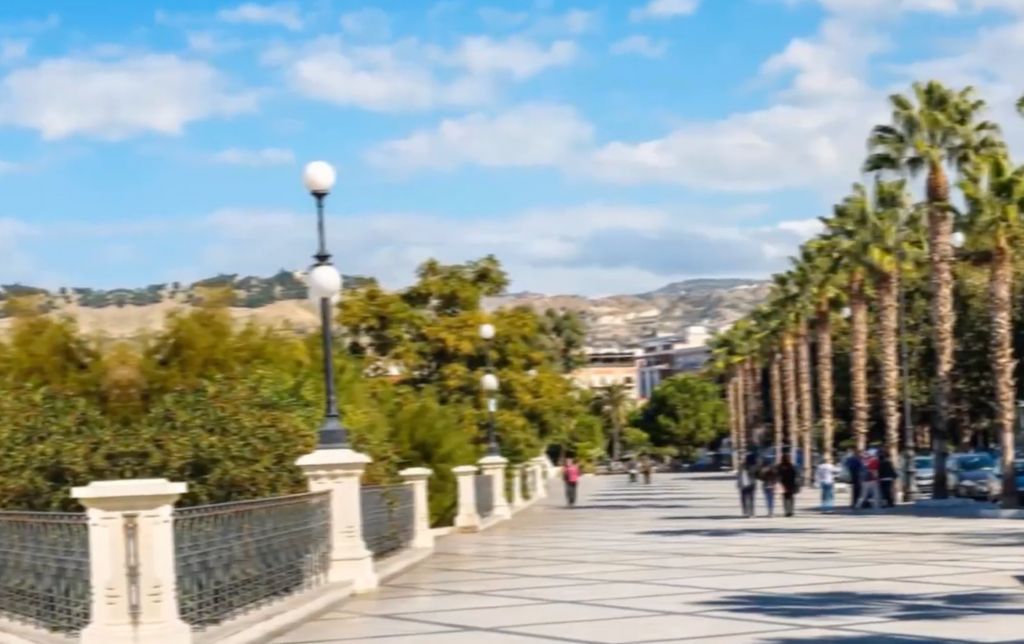
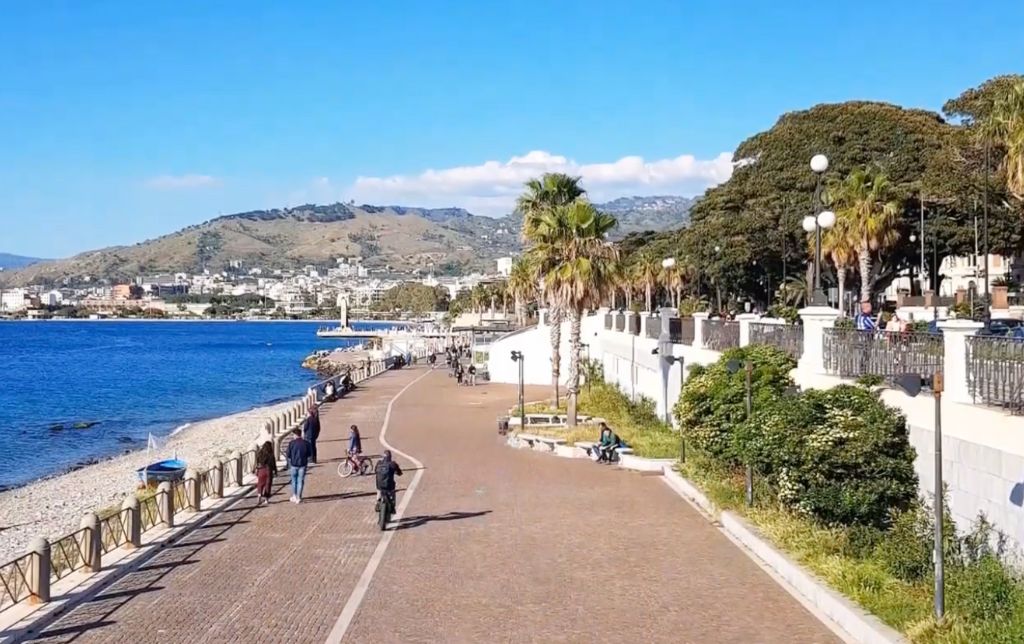

Reggio Calabria, often simply referred to as Reggio, stands as the largest city and the capital of the Calabria region in Southern Italy, facing the Strait of Messina with Sicily on the opposite side. Here’s a deeper look into what makes Reggio Calabria a city of significant interest:
Challenges and Resilience
Reggio Calabria has taken some hard hits from Mother Nature, especially with earthquakes that have literally shaken up the place. But here’s the thing about Reggio – it gets knocked down, but it gets up again, each time. This city’s vibe is all about bouncing back, rebuilding better, and keeping its history alive, making it a testament to human spirit and resilience.
Historical Background
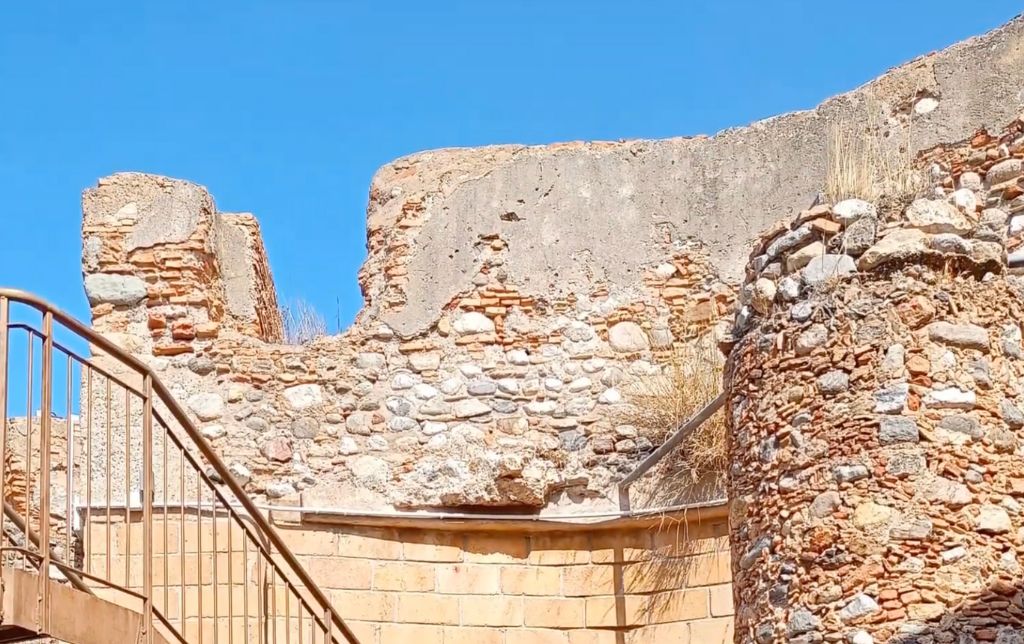
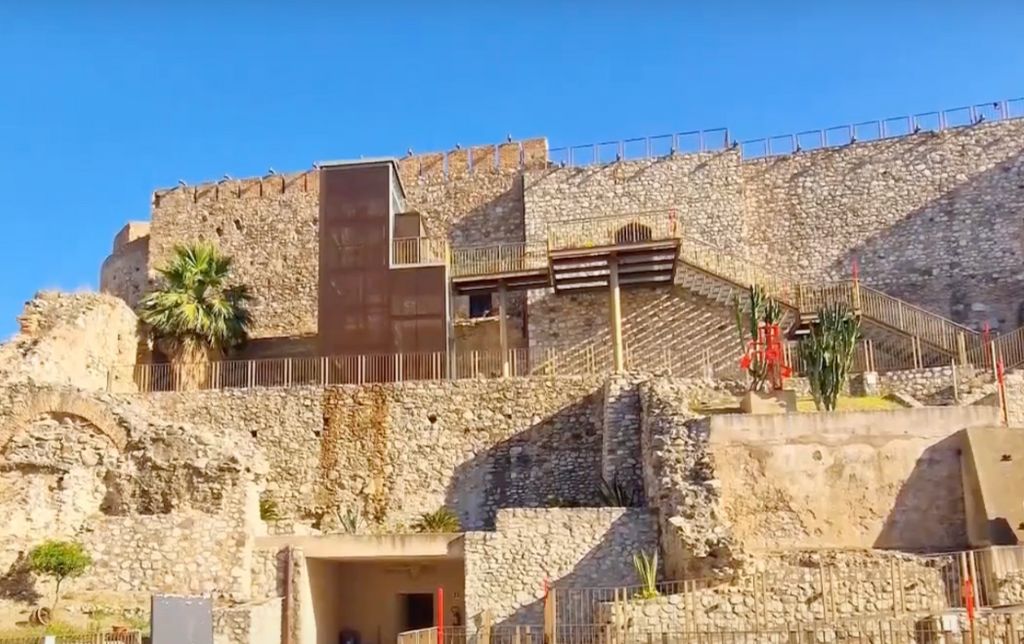
Reggio Calabria isn’t just old; it’s ancient, dating back to the 8th century BC when Greeks decided to set up shop here. It was a big deal in Magna Graecia, mixing it up with Romans, Byzantines, Normans, and Bourbons. Each ruler added their flavor to the city’s mix, which you can see in its buildings and culture.
The Riace Bronzes
If you’re into art or history, you’ve got to see these two warrior statues, the Riace Bronzes. Found in the sea back in ’72, these guys are now the pride of Reggio’s museum. They’re not just old statues; they’re like time capsules from 450 BC, showing off what Greek sculpting was all about with all their detailed muscles and mysterious vibes.
Cultural Significance
Think of Reggio as this cultural stew because of where it sits. You can see it in the architecture – there’s the Aragonese Castle, the Cathedral that’s seen more makeovers than a Hollywood star due to those quakes, and the lungomare Falcomatà, which folks call Italy’s most beautiful stretch. It’s where you walk, chill, and soak in views of Sicily.
Modern Reggio
Today, Reggio’s where it’s at for culture, business, and learning in Calabria. It’s got the Mediterranean University, bringing in fresh energy with students. Despite the earth doing its dance beneath it and the economy doing its roller coaster thing, Reggio keeps its charm modern while holding tight to its roots.
Lamezia Terme
A major transport hub with direct flights connecting Calabria to other parts of Italy and Europe. But Lamezia is not just about catching flights, though. Lamezia’s got its own charm. Think of thermal baths (that’s what “Terme” stands for) – yeah, you can soak in some naturally warm waters if you need a break after your flight or before you jet off. Plus, it’s a neat spot to base yourself if you’re looking to explore Calabria, with good connections by road and rail to get you around. So, Lamezia Terme? It’s more than just a transit point; it’s your launchpad into everything Calabria has to offer.
Villa San Giovanni
Villa San Giovanni is essentially the closest point on the Italian mainland to Sicily, making its port the primary hub for ferry services crossing the Strait of Messina. This geographical advantage has historically positioned it as a crucial transit point.
Diamante

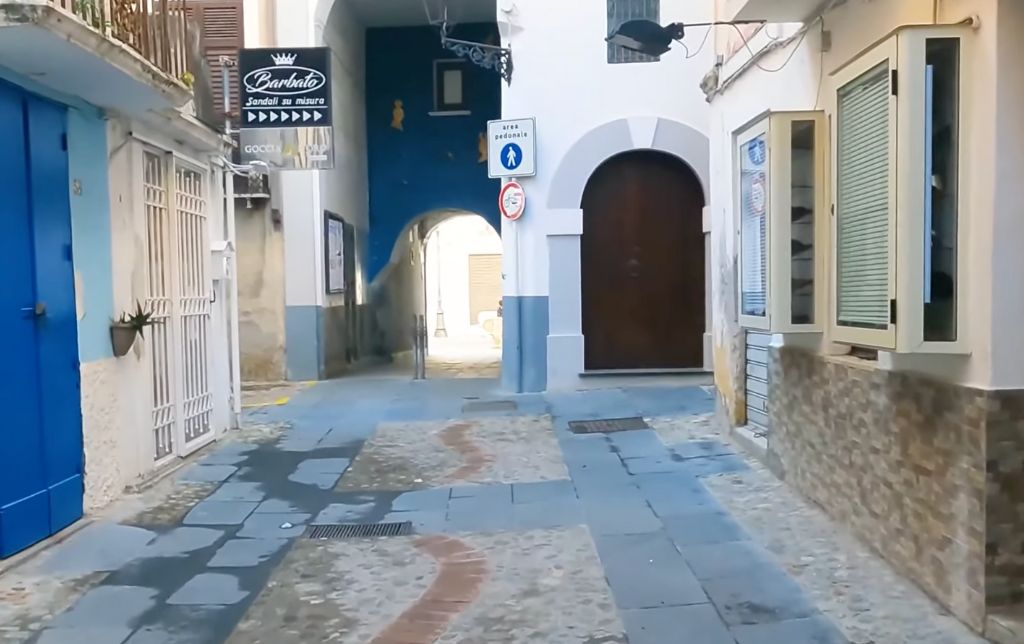
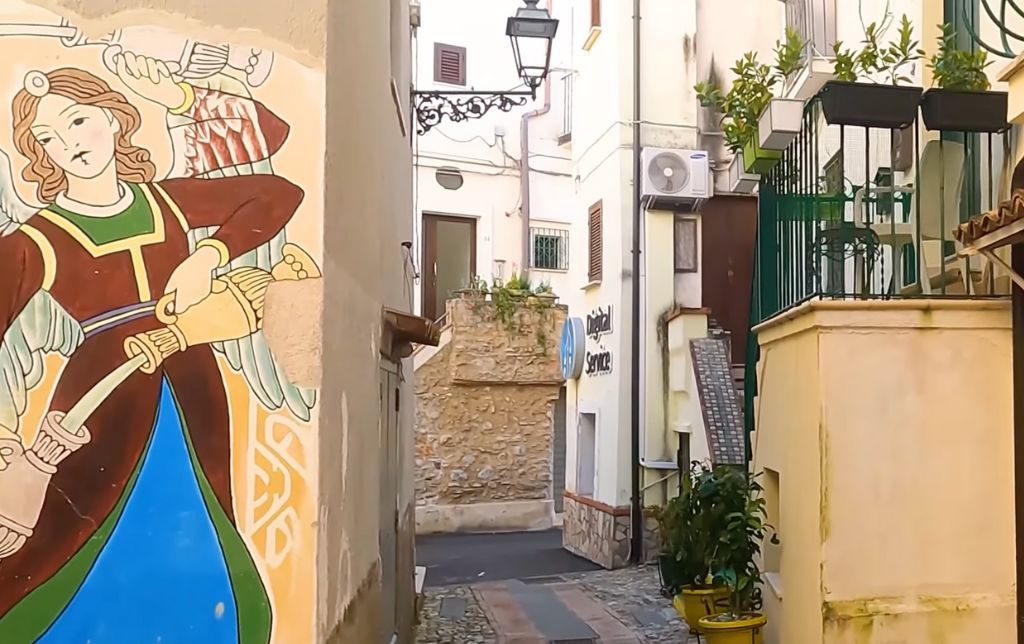
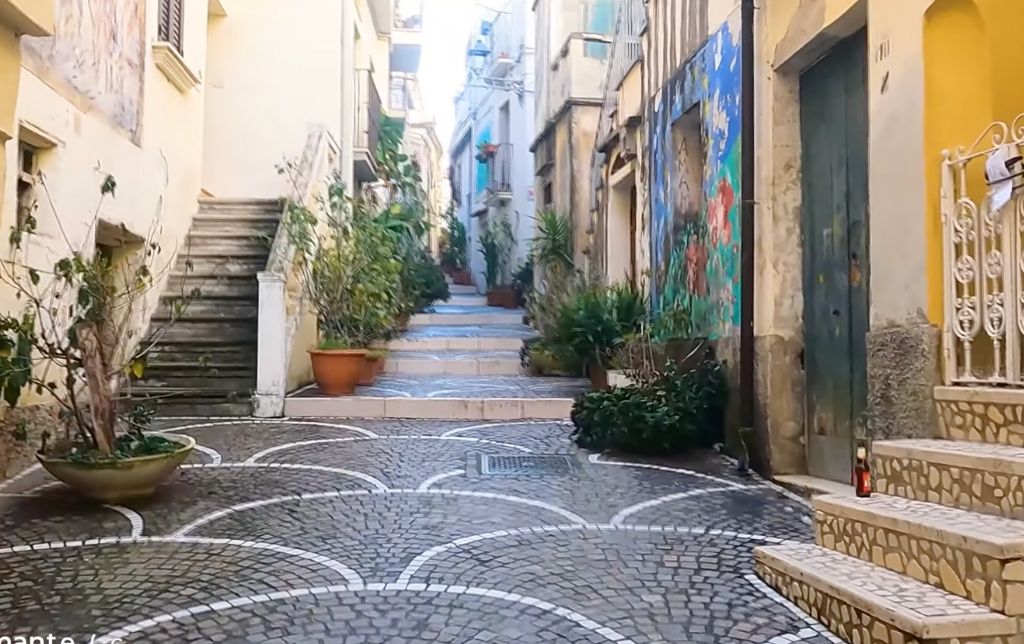


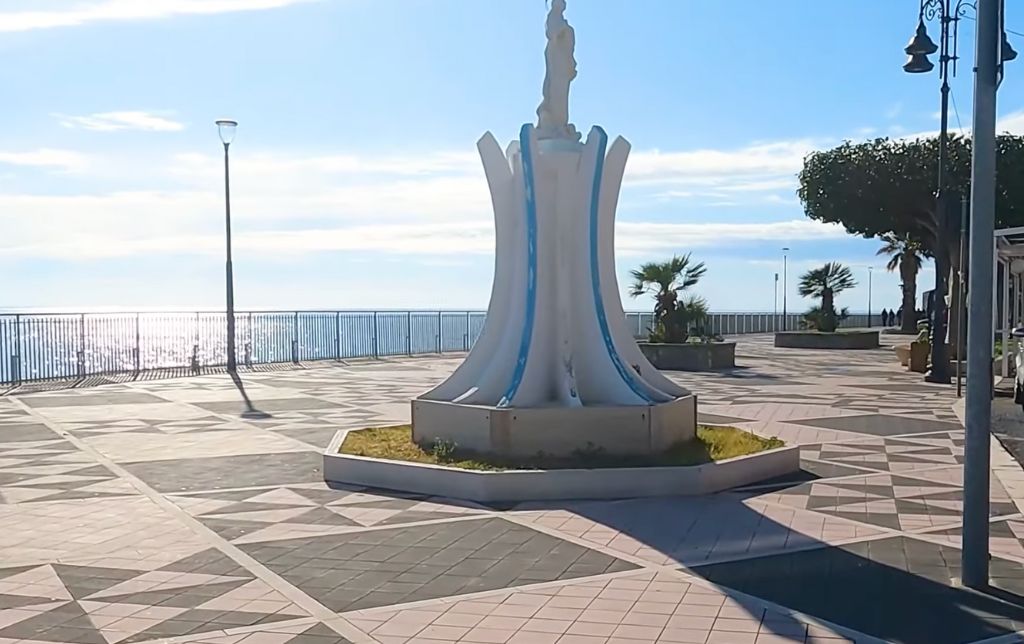
Diamante is a small town perched on the Tyrrhenian coast, where the sea’s blues meet the vibrant life of Southern Italy. It’s not just any place; it’s like an open-air art gallery with over 200 murals painting the town, giving it the nickname “the town of murals.” You walk through its narrow streets, and there’s art everywhere, telling stories, capturing your imagination.
Then, there’s the peperoncino, yeah, chili peppers, which might sound spicy for a casual chat, but here, it’s culture. Every September, they throw a festival, the Peperoncino Festival, where the air smells of spices, and the town celebrates this fiery little pepper like it’s a local hero.
Diamante’s not just about art and spice, though. It’s got history, with its close ties to the Diamante citron, a unique citrus that’s been around for ages, giving the town its name, meaning ‘diamond’.
And let’s not forget, this place lets you live that sweet Italian seaside life, with views of the island of Cirella not far off, where once pirates roamed. Now, it’s tourists and locals soaking up the sun, enjoying life at a slower pace, with a touch of artistic flair.
Other Calabrian villages
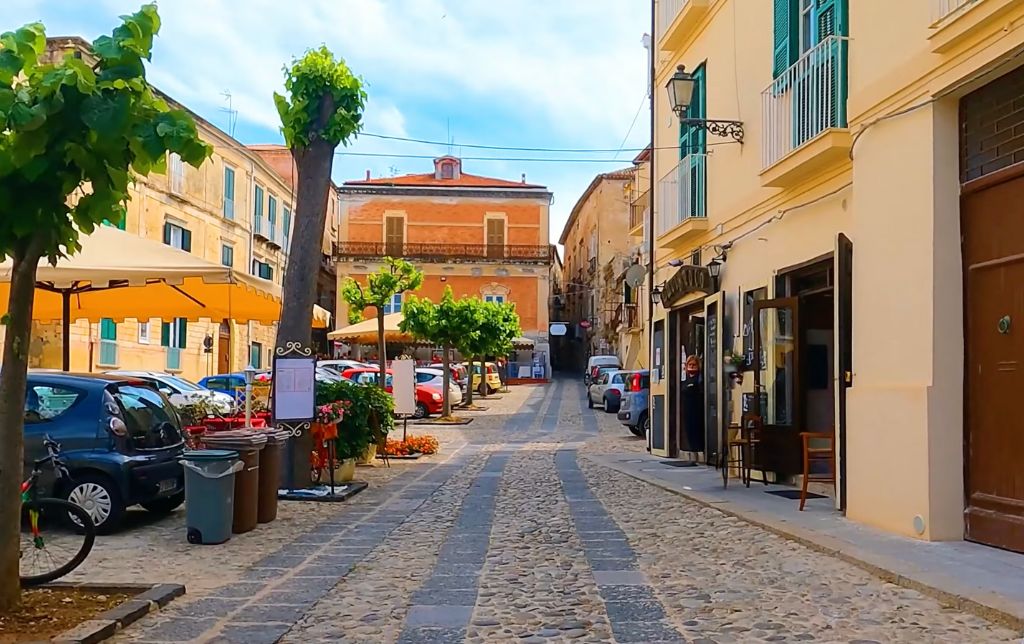

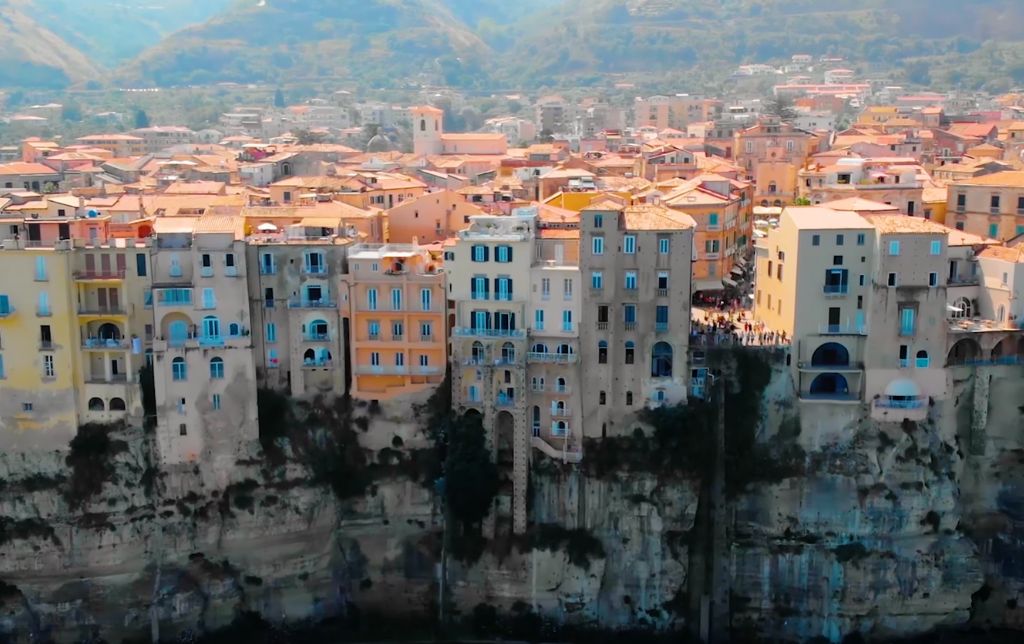
Other Calabrian villages are like stepping into Italy’s quiet corner where time hasn’t rushed forward. Places like Gerace, Bova, and others aren’t just dots on a map, they’re full of character. Think of Gerace with its ancient vibes, where you walk on cobblestones worn smooth by centuries and every church or piazza has its own tale. Then there’s Bova, up in the hills, where the air smells like history and the local Griko dialect throws you back to times when Greek settlers called this place home.
These villages are perched on hilltops or nestled in valleys, offering views that could make anyone a poet. Life here? It’s slow, authentic. You might find yourself at a local bar sipping on a ‘caffè’ while the locals discuss everything from the weather to the harvest.
Food in these parts? It’s farm-to-table before that was even a thing – fresh, simple, and flavored with local herbs and the famous Calabrian chili. Each village might have its specialty, from handmade pasta to particular ways of curing meats.
And festivals, oh, they go all out. Whether it’s celebrating a saint, the harvest, or just life itself, these events are vibrant, colorful, and everyone’s invited. Calabrian villages aren’t just places; they’re experiences, offering a taste of Italy that’s as real as it gets.
History and Heritage
Ancient Times and Magna Graecia
Calabria has a long history that dates back to ancient times, heavily influenced by the Greeks, who established many colonies here. The region was part of Magna Graecia, and remnants of this era can still be seen today.
If you take a moment to delve into Calabria’s past, you will find that it was not merely touched by Greek civilization but was an integral part of Magna Graecia, where Greek culture, language, and architecture thrived. This historical chapter has left an indelible mark on the region. Archaeological treasures, from the imposing temples at Locri to the well-preserved structures at Sibari, attest to the sophistication and scale of these ancient Greek cities.
These colonies were not just outposts but vibrant centers of trade, philosophy, and art, influencing local customs and urban planning. The remains of theaters, agorae, and sanctuaries not only reflect the architectural prowess of the Greeks but also their societal values, where culture and public discourse held paramount importance. This legacy continues to echo through Calabria, offering insights into a time when this region was a crossroads of Mediterranean civilization, blending indigenous Italic cultures with Hellenic traditions in a lasting synthesis.
Historical Sites
Museo Nazionale della Magna Grecia:
The Museo Nazionale della Magna Grecia in Reggio Calabria stands as a custodian of Calabria’s rich Hellenic heritage. Within its walls, history breathes through artifacts that once formed the backbone of daily life, religion, and artistry in ancient Greek colonies.
The Riace Bronzes: These two stunning 5th-century BC statues, found in the sea, exemplify peak Greek artistry in bronze.
The museum’s collection doesn’t stop there; it spans from prehistoric items to Roman artifacts, telling the tale of cultural fusion in ancient Calabria. Each piece, from pottery to jewelry, reflects the life and times of Greek settlers in Italy, making the museum a vivid link to our historical past and a beacon of cultural continuity.
Capo Colonna
You’ve gotta check out the remnants of that ancient Greek temple dedicated to Hera Lacinia. This was a central religious site from the 7th century BC onwards. It was reputed for its magnificence, drawing pilgrims and becoming a pivotal sanctuary in the region. Here, Hera, revered as the queen of the gods in Greek mythology, was worshipped not only as a deity of marriage and birth but also as a protector of sea trav.
There is only one solitary Doric column left from the temple, but it’s like a beacon of history, telling tales from way back in the 7th century BC when this place was buzzing as a key sanctuary in Magna Graecia. This spot wasn’t just about worship; it was a big deal politically too, housing the treasury of the Italiote League at one point.
Now, if you’re into stories of gods, or you just dig the vibe of places where history feels alive, this column’s got your name on it. It stands there, all majestic, reminding everyone of the might and artistry of Greek civilization right here in Italy. And yeah, while most of the temple’s stones were nicked for buildings in nearby Crotone, this one column keeps the legacy going. Totally worth a visit to feel that connection to the past, you know?
Ghost Towns and Norman Castles
The region is dotted with abandoned hill towns, relics of a bygone era. These ghost towns, along with numerous Norman castles, provide a glimpse into Calabria’s medieval history.
Natural Beauty
National Parks
Calabria is a paradise for nature lovers, with several national parks showcasing its diverse landscapes.
- Aspromonte National Park: Known for its rugged mountains, diverse flora and fauna, and picturesque villages.
- Sila National Park: Located on the Sila Plateau, offering beautiful forests, lakes, and hiking trails.
- Pollino National Park: Straddling the border with Basilicata, it’s Italy’s largest national park, known for its wild landscapes and ancient trees.
Coastal Areas
- Capo Vaticano: Famous for its crystal-clear waters and white sandy beaches, it’s a top spot for beach lovers.
- San Nicola Arcella: Known for its beautiful beaches and stunning coastal views.
- Santa Maria dell’Isola: A picturesque sanctuary perched on a rocky cliff in Tropea, offering spectacular views of the Tyrrhenian Sea.
Calabrian Cuisine
Calabrian cuisine is a delight for food enthusiasts, characterized by its use of fresh, local ingredients, and bold flavors.
Key Ingredients
- Olive Oil: A staple in Calabrian cooking, produced from the region’s abundant olive groves.
- Citrus Fruits: The mild Mediterranean climate is perfect for growing oranges, lemons, and bergamot.
- Chili Pepper: Calabria is famous for its spicy cuisine, with chili peppers playing a central role.
Traditional Dishes
- Nduja: A spicy, spreadable pork sausage that is a hallmark of Calabrian cuisine.
- Pasta alla ‘nduja: Pasta served with a sauce made from nduja sausage.
- Cipolla di Tropea: Sweet red onions from Tropea, often used in salads, sandwiches, and as a topping for pizza.
- Pesce Spada: Swordfish, typically grilled and served with lemon and olive oil.
Dining Experiences
- Pizza Festivals: Local festivals celebrating the region’s love for pizza, often featuring a variety of unique toppings.
- Pastry Shops: Offering traditional sweets such as ‘Pignolata’ and ‘Torrone’.
Cultural and Religious Festivals
Calabria hosts numerous cultural and religious festivals throughout the year, reflecting its rich heritage and local traditions.
- Religious Festivals: Many towns celebrate their patron saints with processions, music, and feasts.
- Cultural Events: Festivals showcasing Calabrian music, dance, and traditional crafts.
Activities and Experiences
Outdoor Adventures
Calabria is an excellent destination for avid hikers, with numerous trails offering stunning views and varying levels of difficulty.
- La Sila: A high plateau with trails for hiking, mountain biking, and in winter, cross-country skiing.
- Aspromonte: Offers challenging hikes and the opportunity to explore remote villages.
Beach Activities
The region’s extensive coastline provides ample opportunities for water sports, sunbathing, and boat trips.
- Capo Vaticano: Ideal for snorkeling and diving.
- Praia Art Resort: A luxury resort offering private beach access and a range of water activities.
Heritage Tours
Exploring the historical sites and ancient ruins provides a deep dive into the rich history of Calabria.
- Heritage Tours: Guided tours of ancient Greek and Roman sites, medieval castles, and historic towns.
Best Time to Visit
The best time to visit Calabria is during the summer months (June to September), when the weather is warm and perfect for beach activities. Summer’s buzzing, especially August when Italians flood in, but if you want to skip the crowds while still catching good weather, aim for May or October. It’s less crowded, prices drop a bit, and the sea’s still warm.
You will find here some other of my favorite destinations in Italy:


