
Go now to the Best Kept Secret Region in Italy

If you don’t know about Salento, start planning! Your next trip will be amazing!
Salento is the enchanting region located at the heel of Italy’s boot but also the sun-drenched tip of Europe, where every step feels like walking on the edge of the old world.
I call it a secret as practically no one knows about it. And yet it offers visitors a unique blend of history, culture, and natural beauty. It has a stunning coastline, a rich culinary traditions, and charming small towns. That’s why Salento is a destination that promises unforgettable experiences.
This guide will explore the best of Salento, focusing on its local cuisine, secluded beaches, and must-visit attractions.
Which are the most secluded beaches in Salento region?
You’ve got to check out Salento if you’re into beaches. It’s got some of Italy’s most stunning and hidden away spots. Imagine stretching out on pristine sandy beaches with crystal-clear waters, where you can dip in both the Ionian and Adriatic seas.
Ionian Coast
Porto Cesareo
If you’re into snorkeling or diving, you’ve got to hit up Porto Cesareo. It’s not just about the gorgeous sandy beaches; it’s the underwater scene that’s buzzing with life. Plus, there are plenty of beach clubs around where you can kick back and soak up some sun.
Spiaggia della Purità
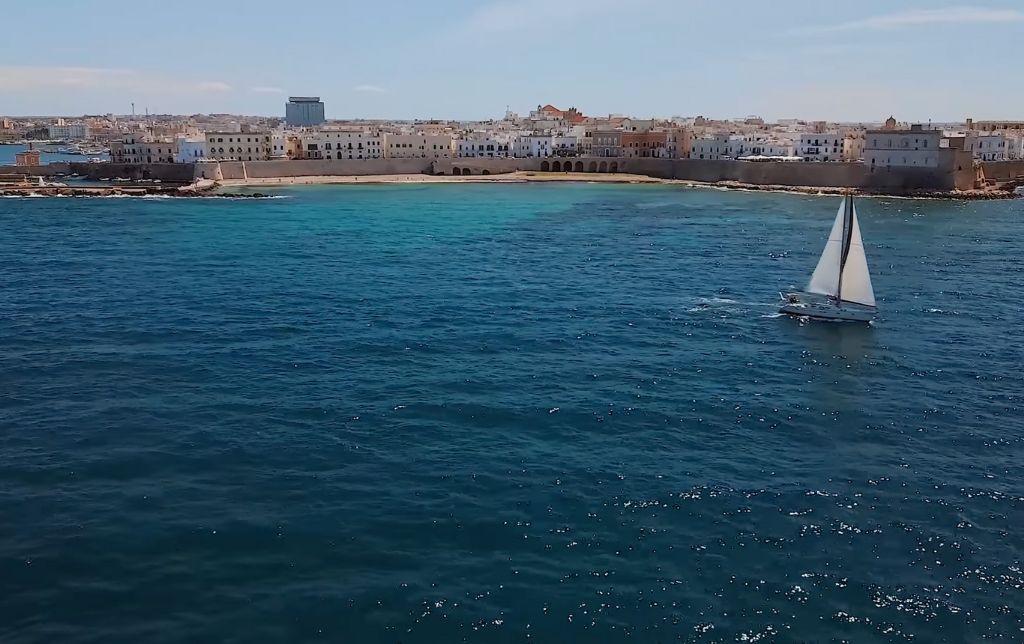
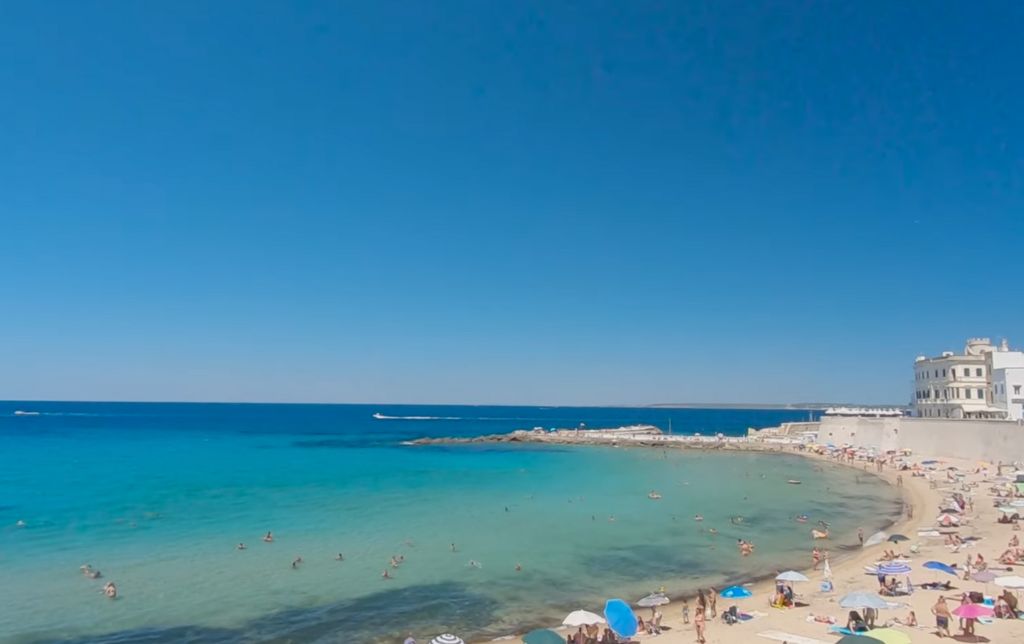
Fancy a chill day by the water? Then head over to Spiaggia della Purità in Gallipoli. This spot is all about those crystal-clear waters and golden sands where you can lounge around and forget your worries.
Adriatic Coast
Baia dei Turchi


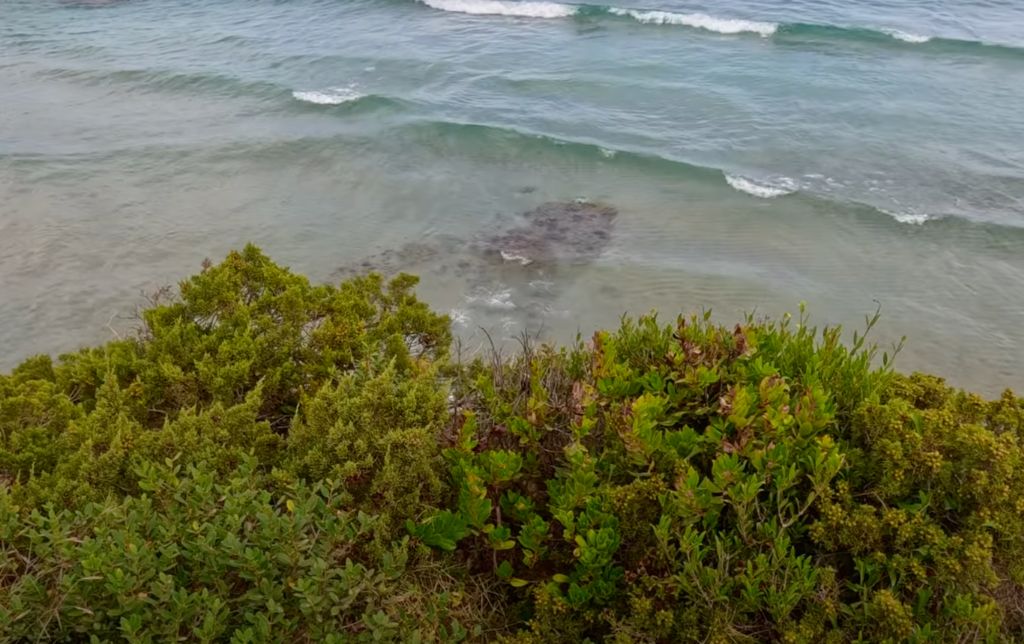
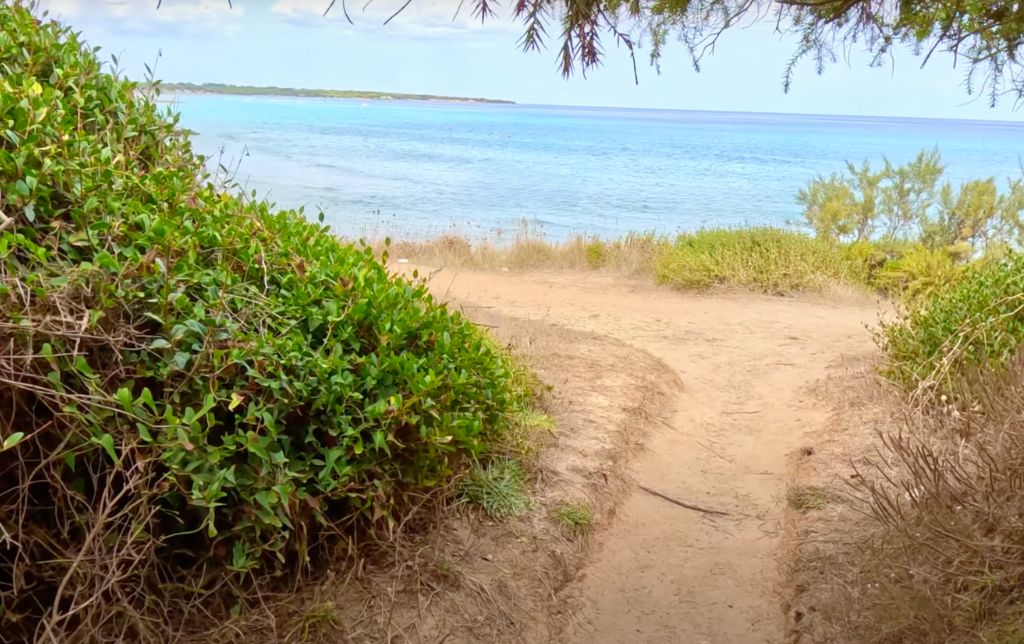
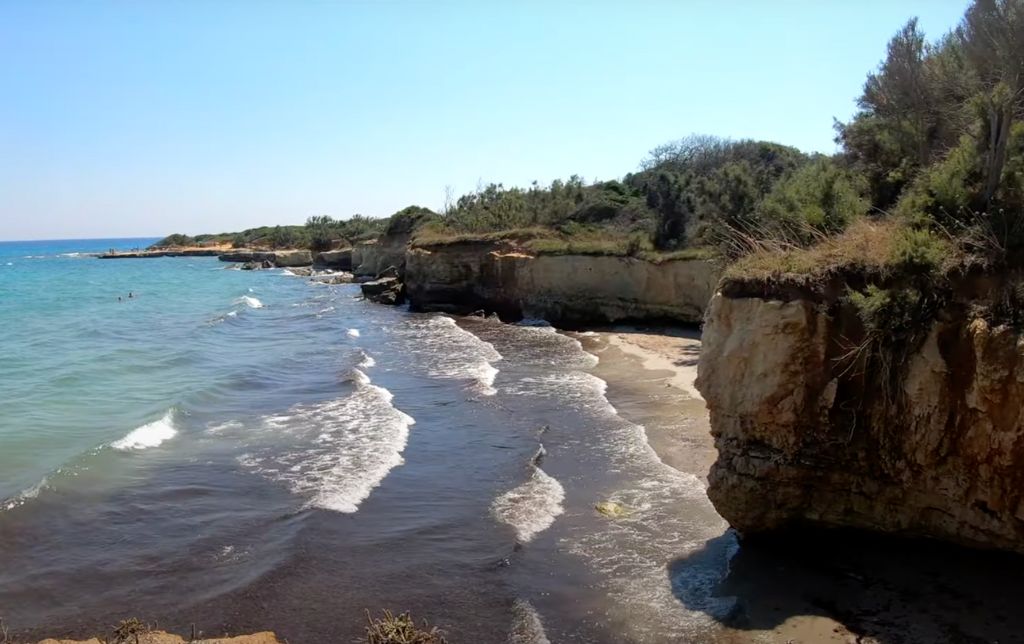
You’ve gotta check out Baia dei Turchi if you love a good secret spot. It’s right near Otranto, tucked away in pine forests, and trust me, its azure waters and soft sands are the perfect recipe for some peace and quiet.
Santa Cesarea Terme
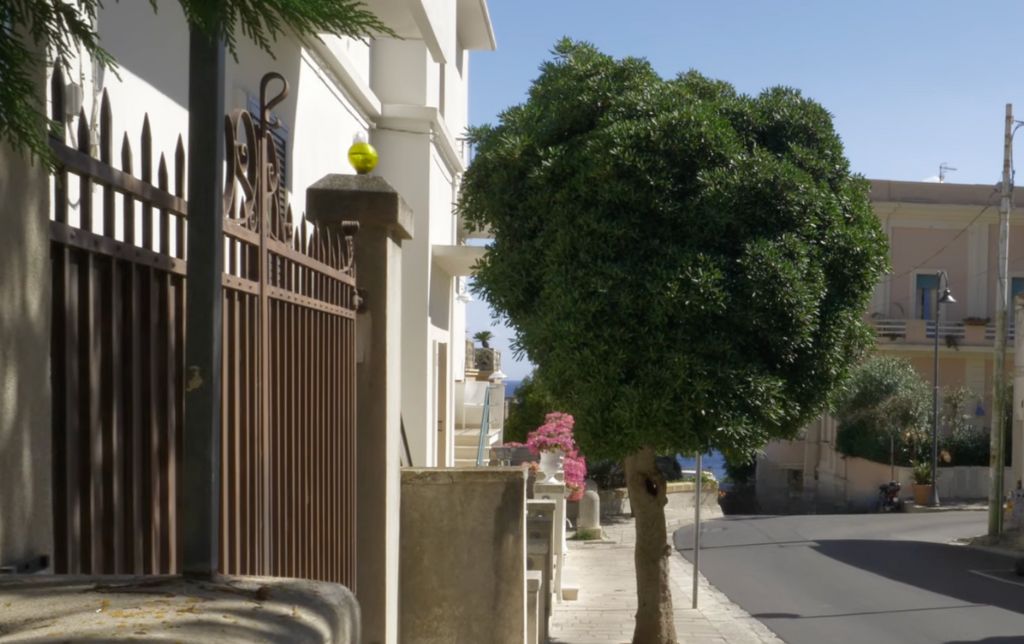
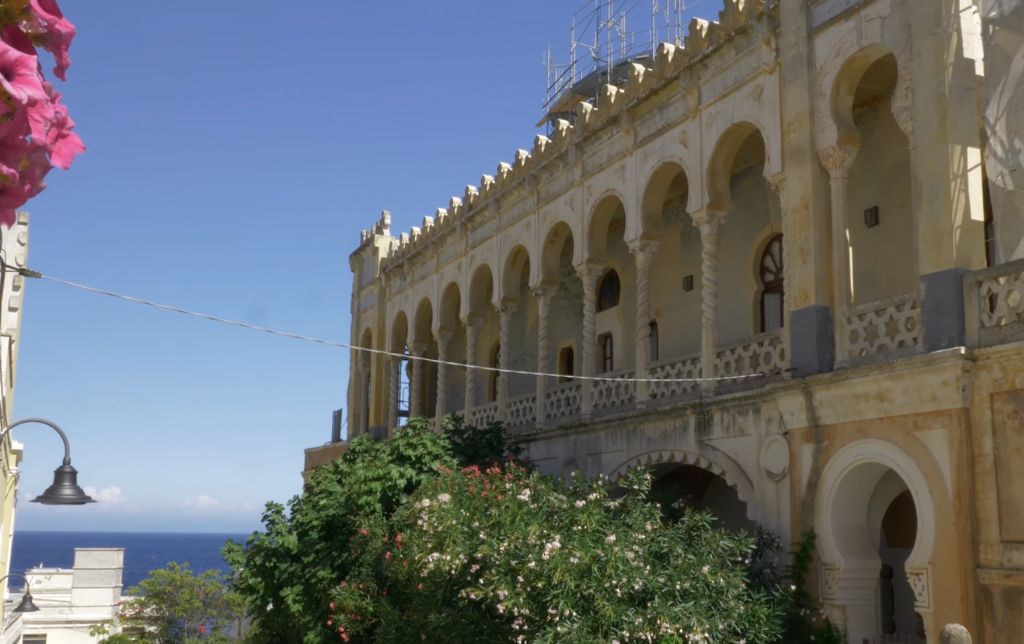
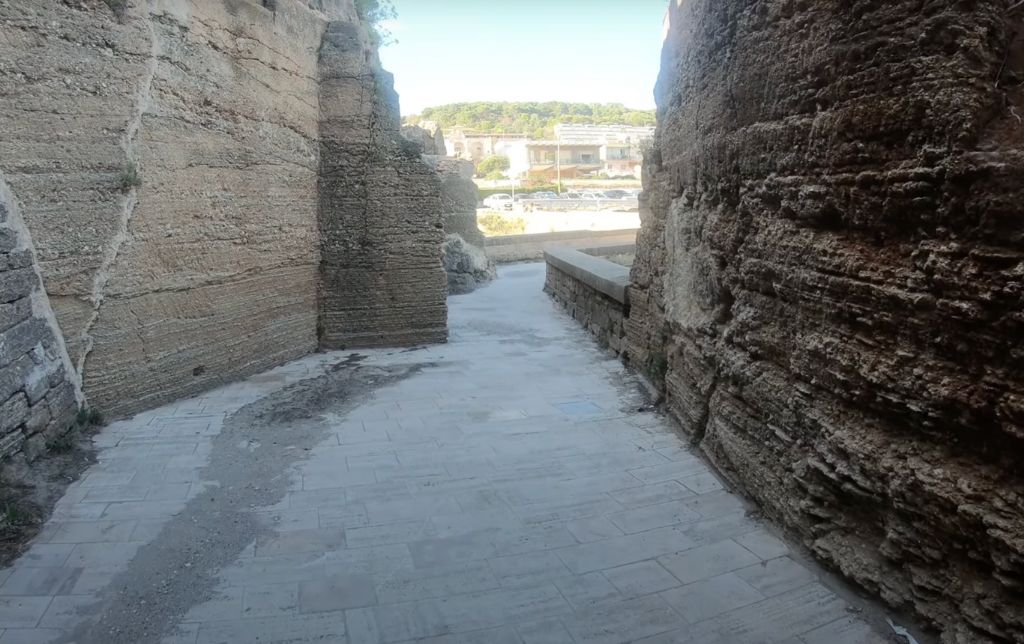
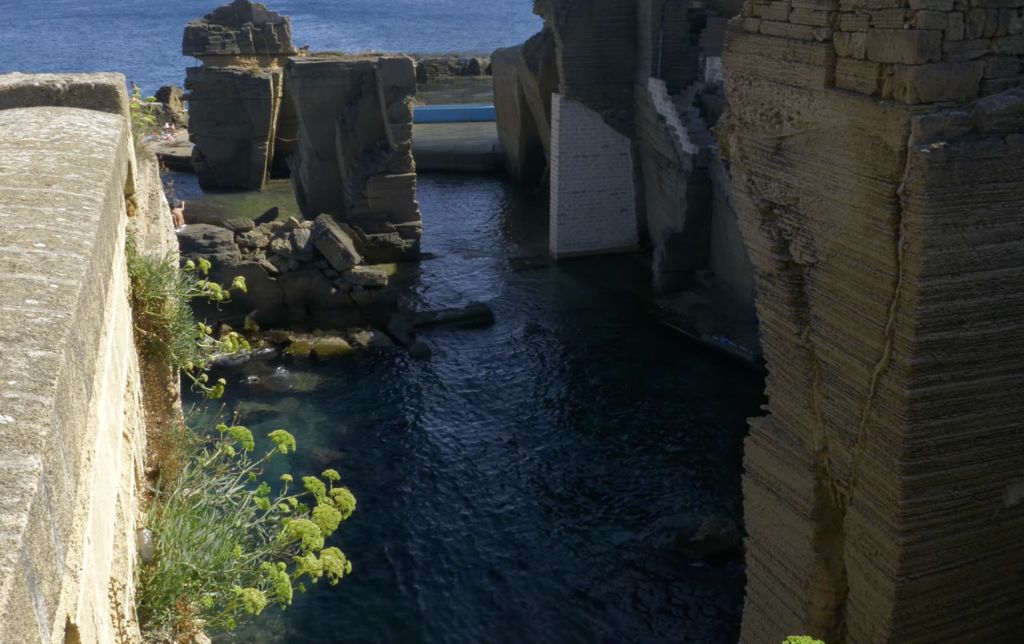
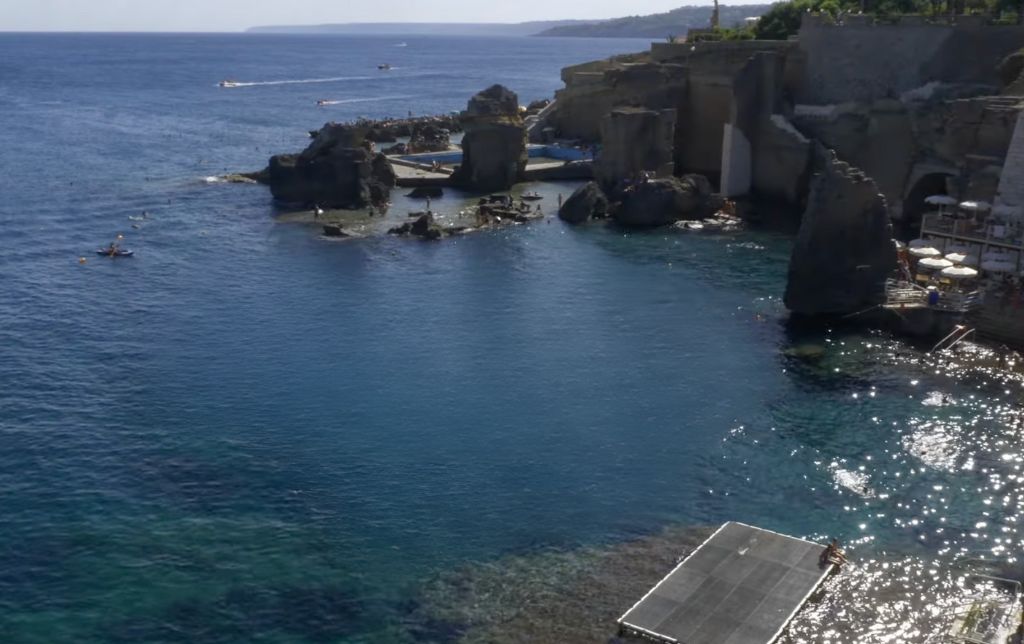
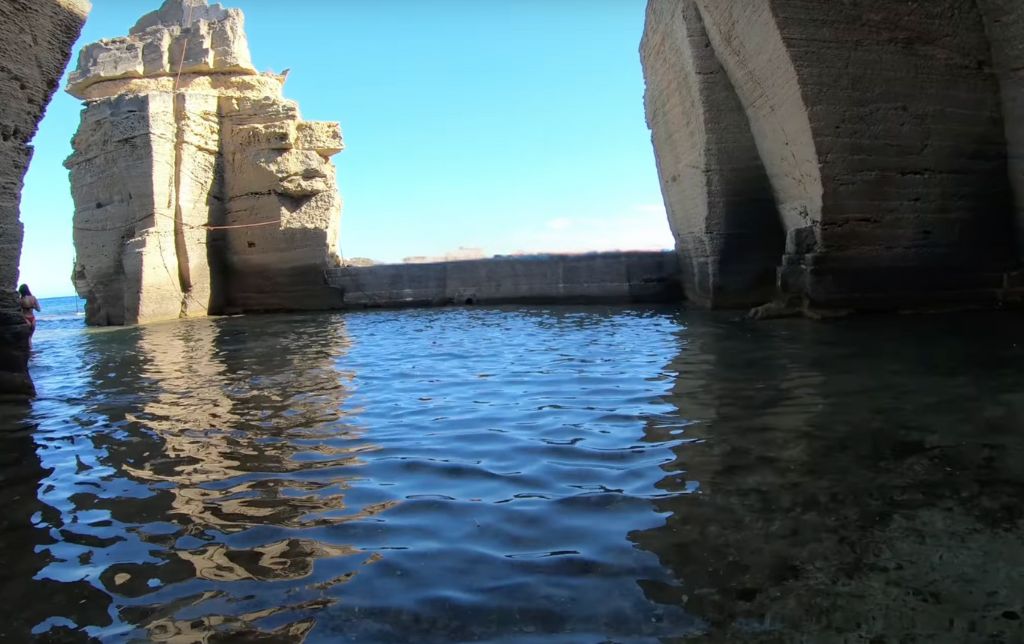
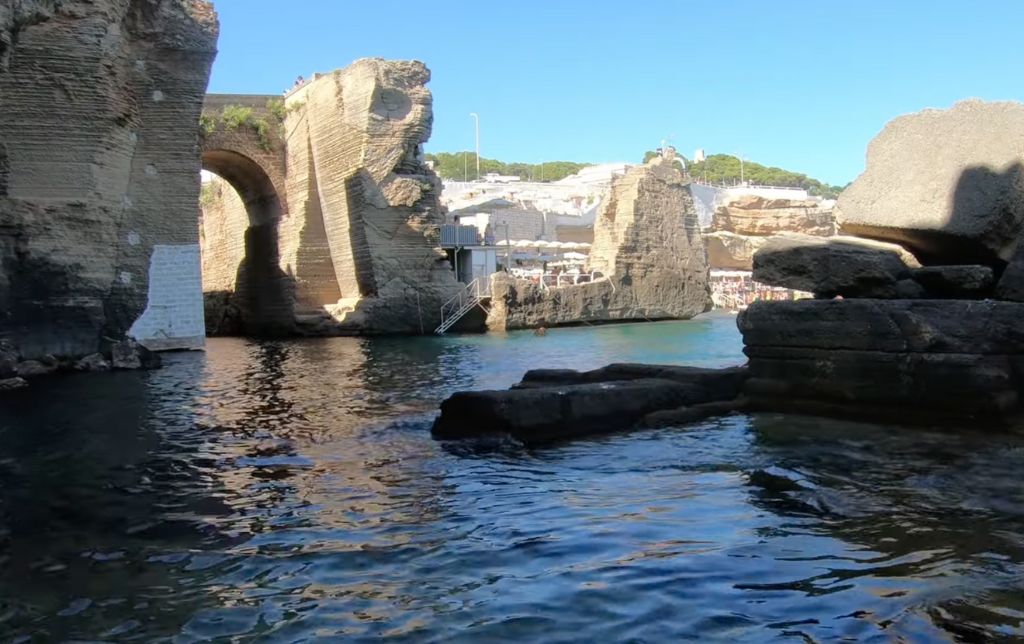
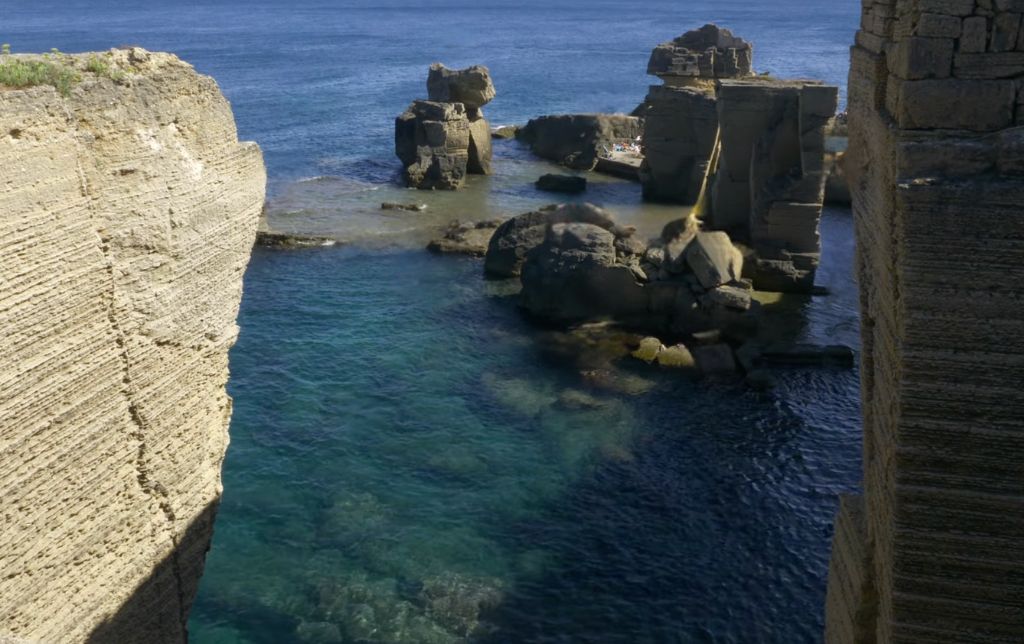
If you’re up for something different, head to Santa Cesarea Terme. It’s known for its thermal baths, so you can mix a bit of wellness with your beach day on its unique rocky coastline.
Spiaggia Chianca Liscia
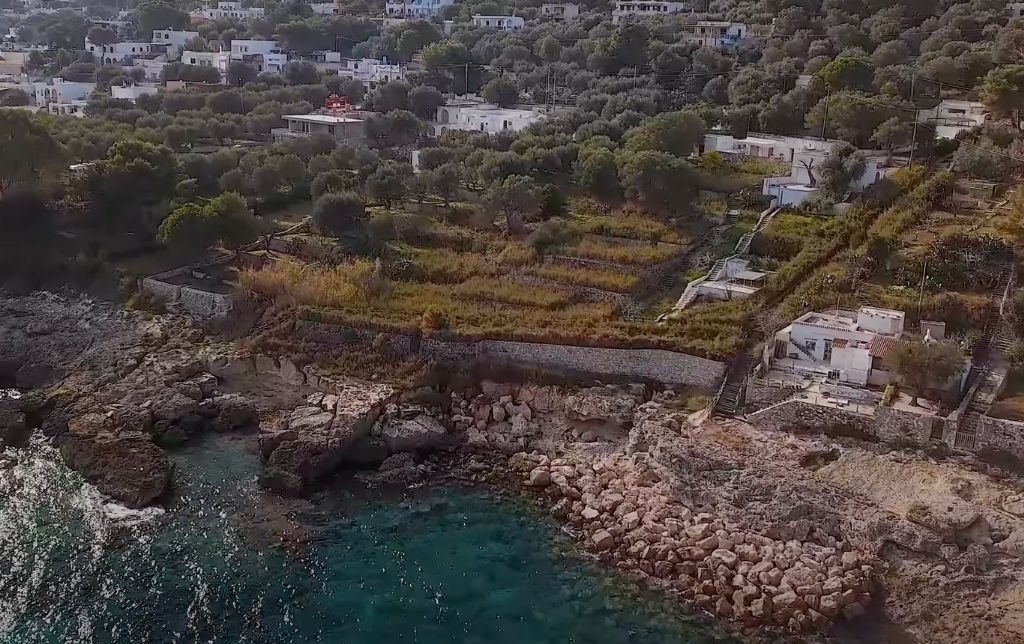

Check out Spiaggia Chianca Liscia in Marina di Marittima, Salento. It’s this cool spot where you can sunbathe on flat, smooth rocks like you’re on a natural lounge chair. Not too crowded, even in the summer, so it’s perfect for chilling out. The water’s super clear, great for a swim or snorkeling. But heads up, getting there’s a bit of a trek down a tricky path, not the best for kids, older folks, or anyone with mobility issues. Still, if you’re up for it, the place is gorgeous, peaceful, and the water’s nice and shallow by the shore. A real slice of nature for those looking to escape the hustle.
Santa Maria di Leuca: where Ionian and Adriatic hug each other
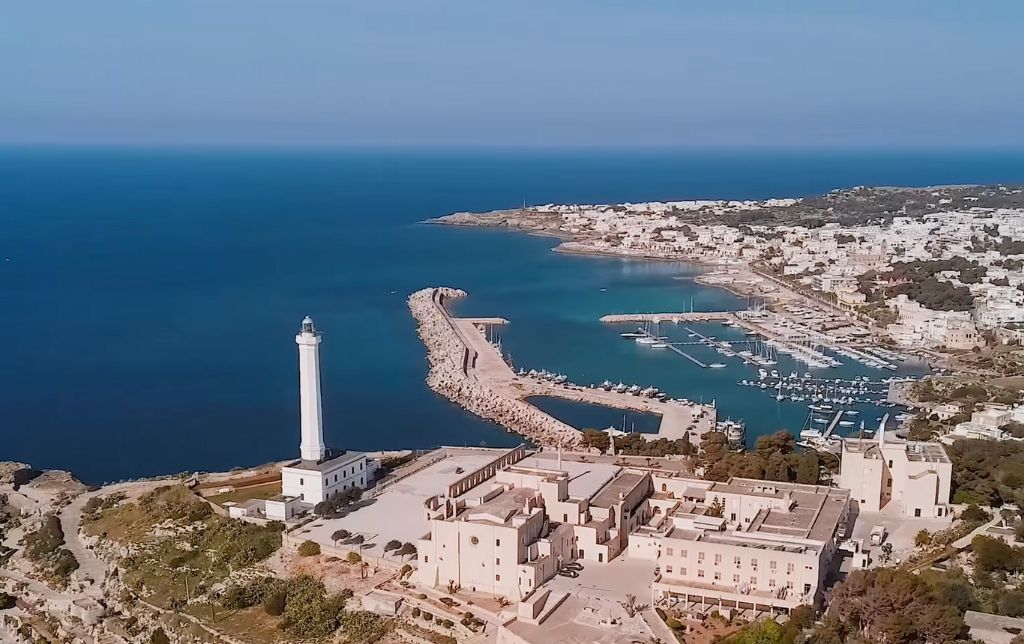

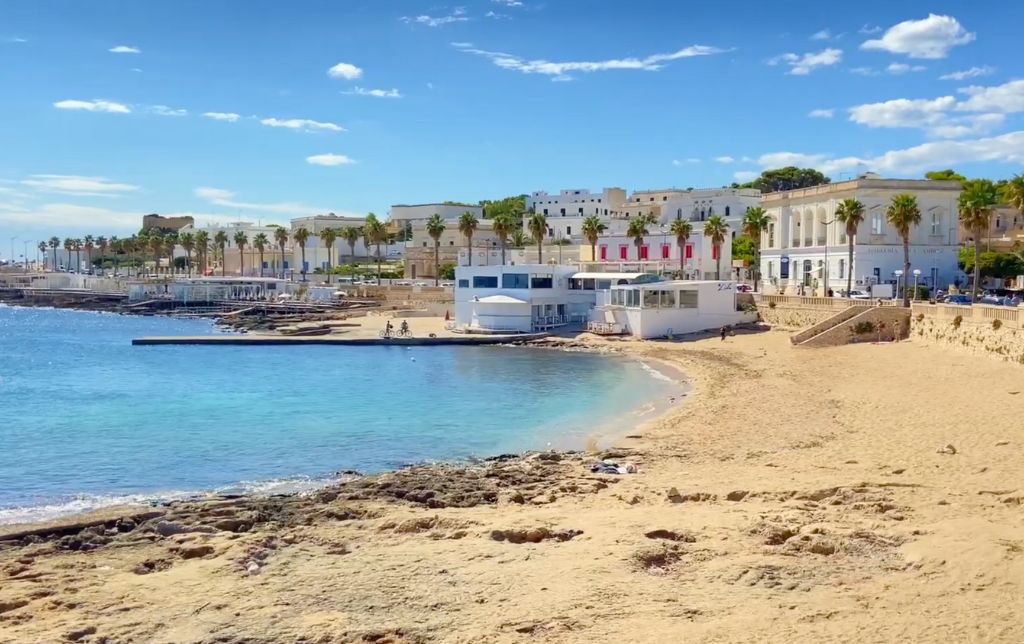

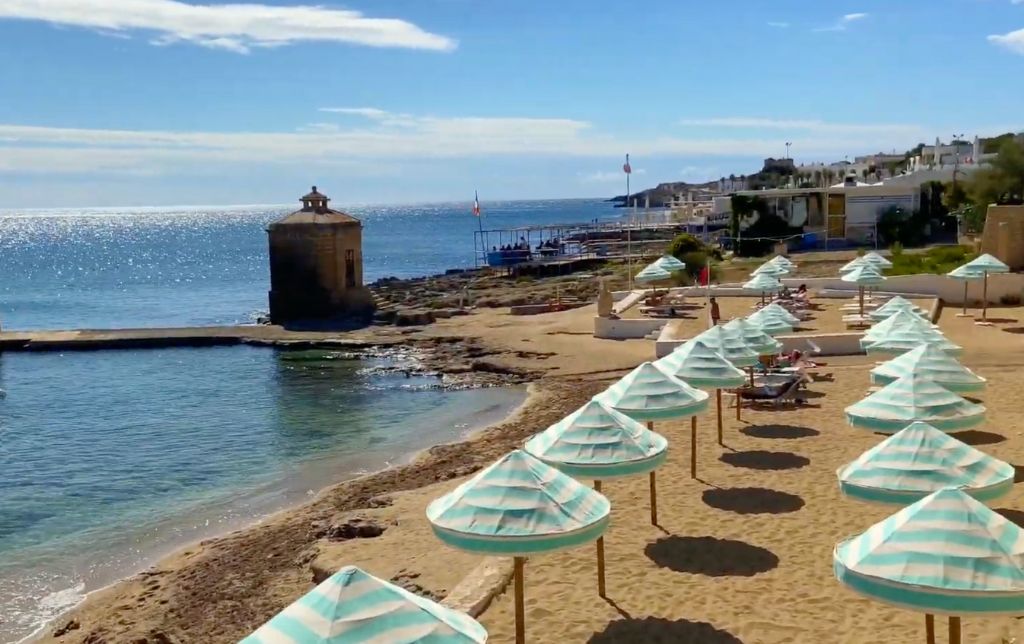
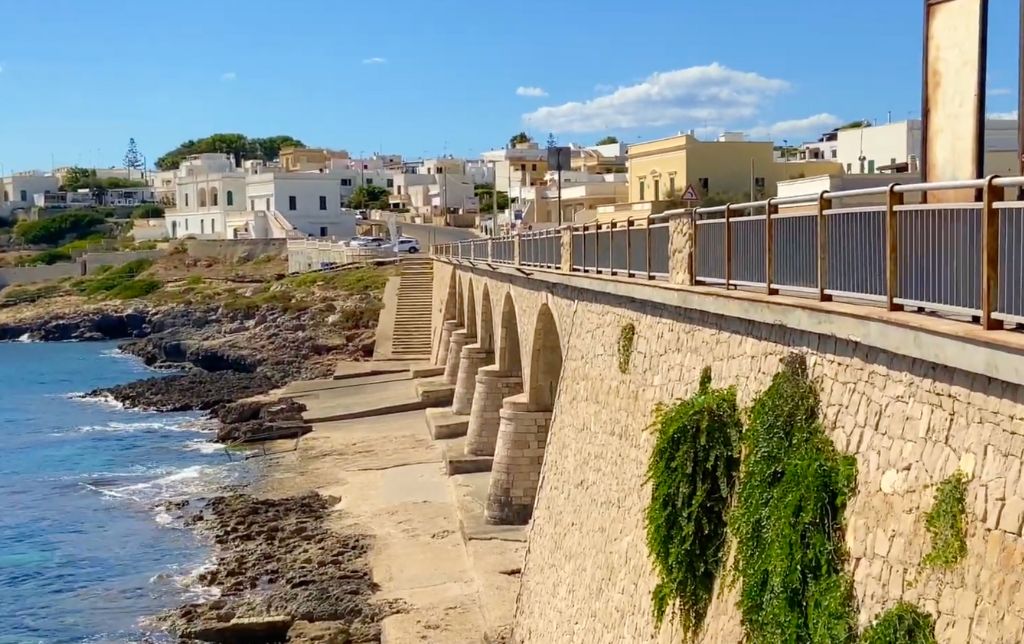
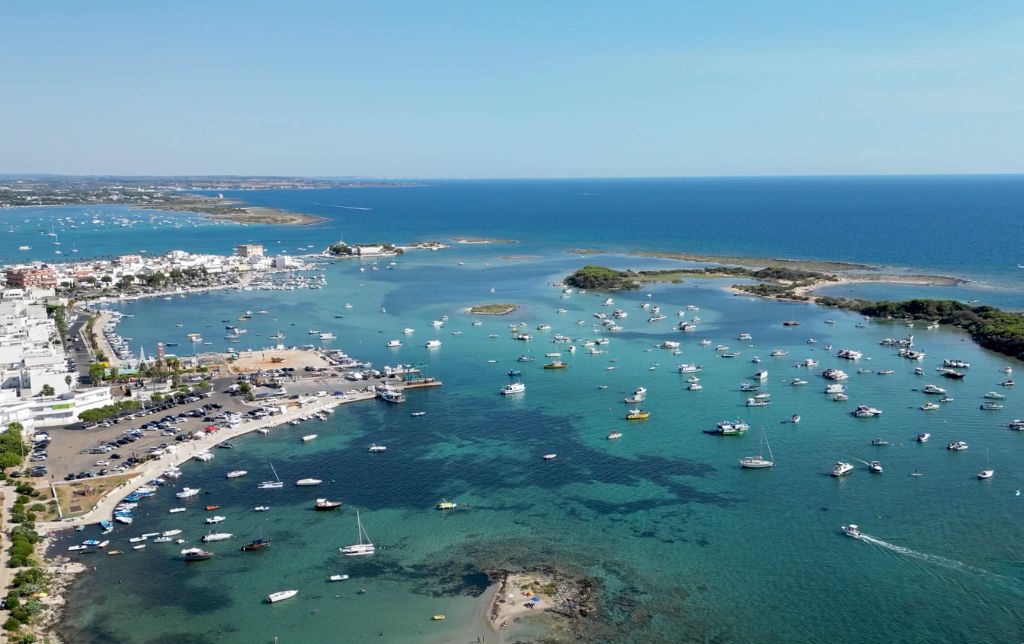
You’ve got to see Santa Maria di Leuca if you’re hanging around the bottom end of the Salento peninsula. It’s where the Ionian and Adriatic waves say hi to each other. With its drop-dead gorgeous views and that old-school lighthouse, it’s like the perfect backdrop for when you take your boat out for a spin.
But Santa Maria di Leuca isn’t just about stunning seascapes where the Adriatic and Ionian Seas meet; it’s steeped in history and myth that make it even more captivating:
The Legend of Leucasia
There’s a local legend, crafted by the Salentine writer Carlo Stasi, about a siren named Leucasia. She fell in love with a shepherd named Melisso, but after being rejected for another, Leucasia’s wrath led to the creation of the two promontories, Punta Ristola and Punta Meliso, supposedly the petrified forms of the lovers. This tale adds a romantic yet tragic layer to the already scenic location.
Historical Significance
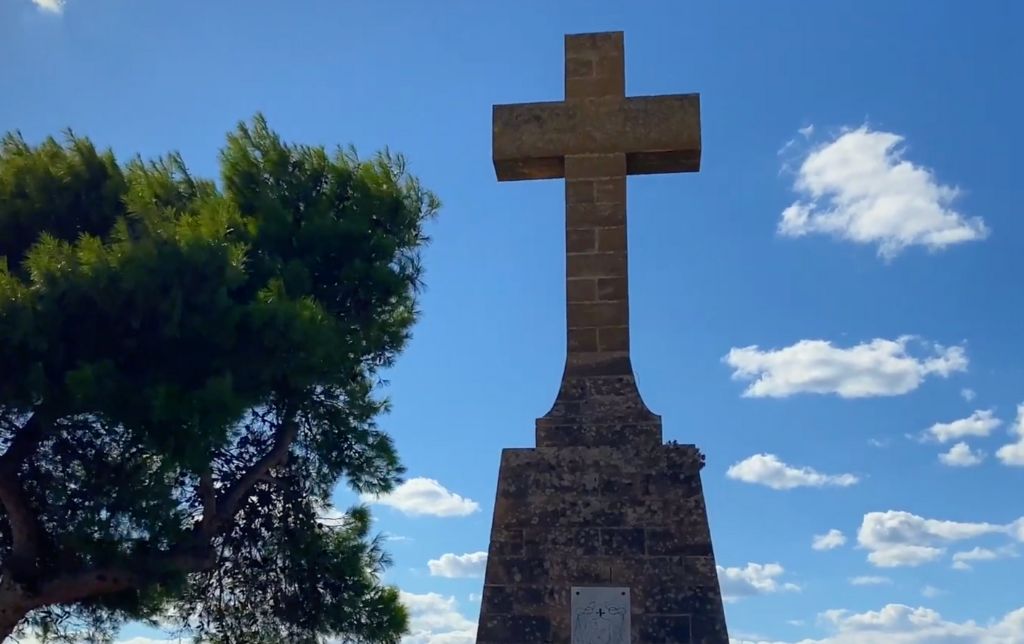
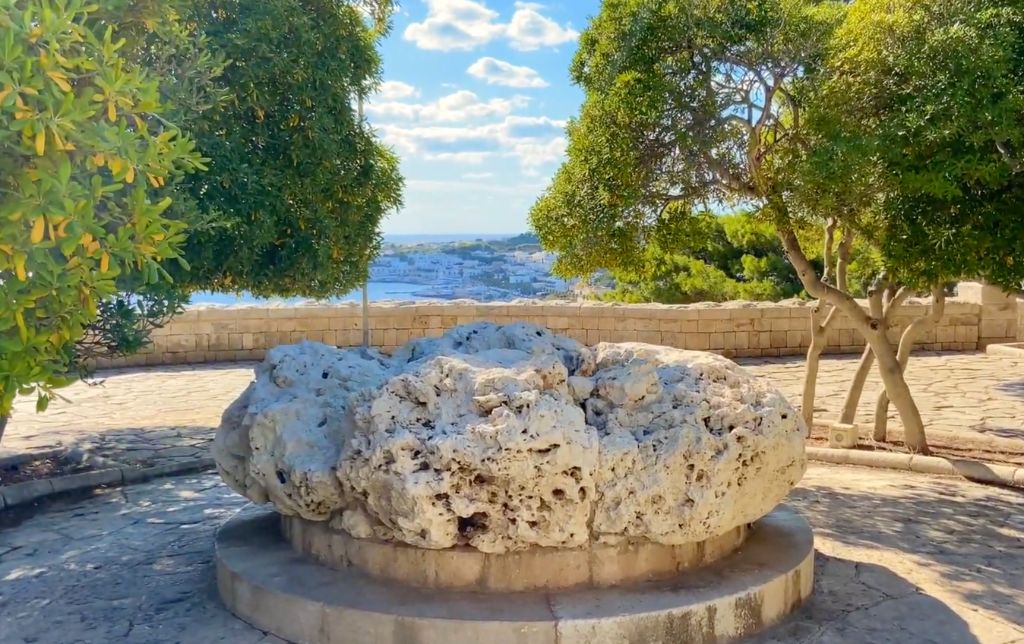
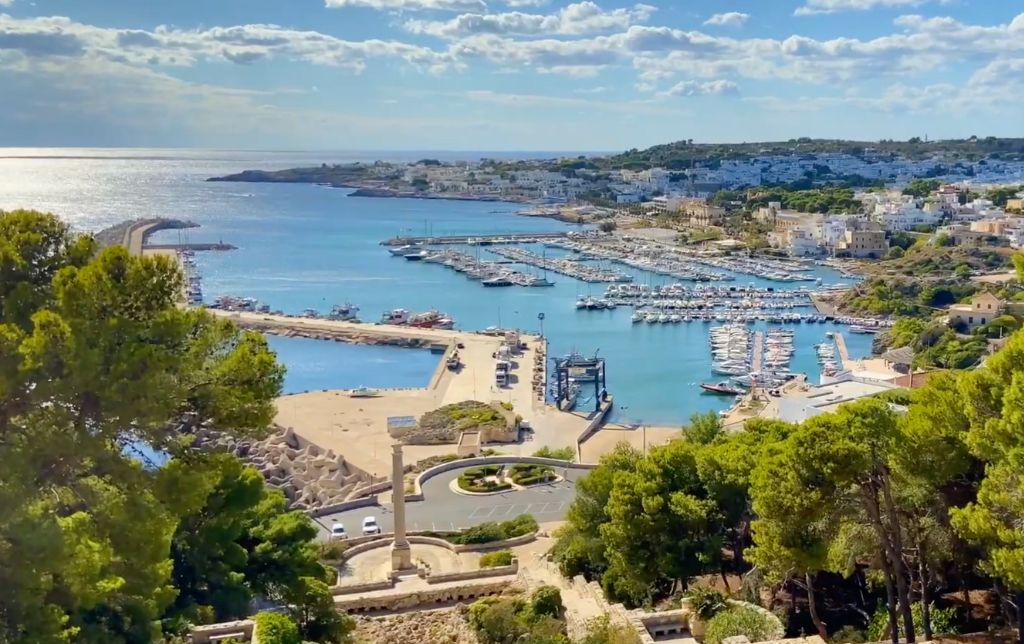
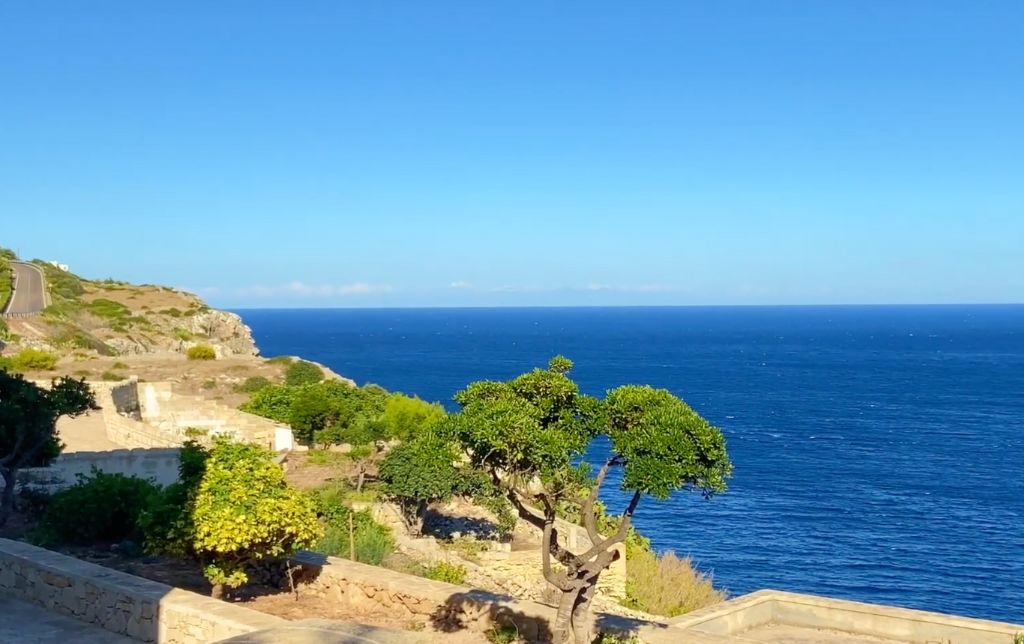


Legend says Saint Peter himself started his missionary work in Italy from here, which adds a spiritual significance to the place. Following his rumored visit, a sanctuary was built, now known as the Basilica De Finibus Terrae, meaning “End of the Land,” which has become a pilgrimage site.
Architectural Marvels

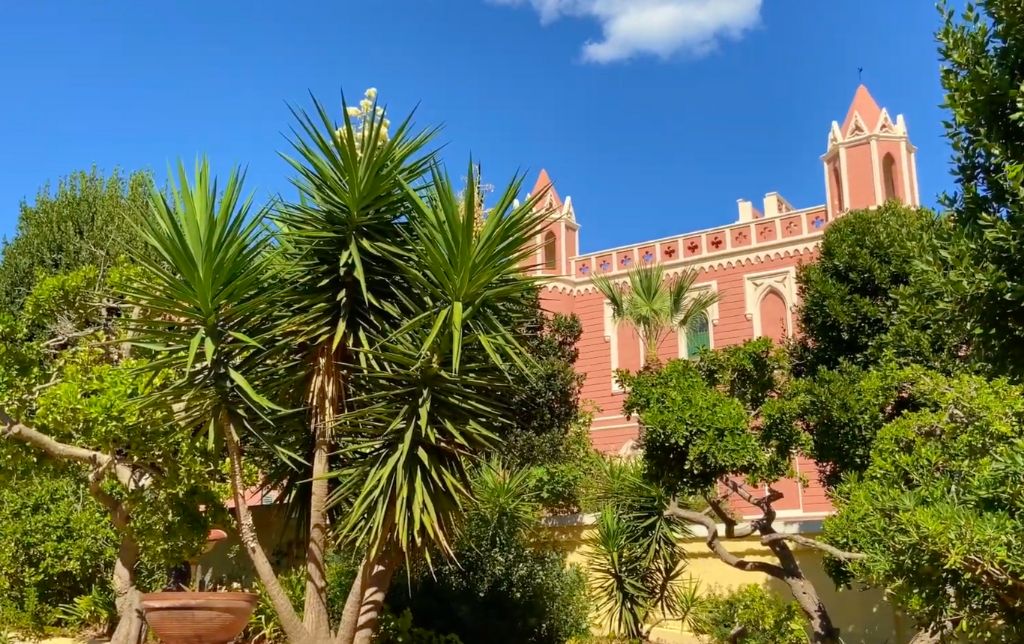
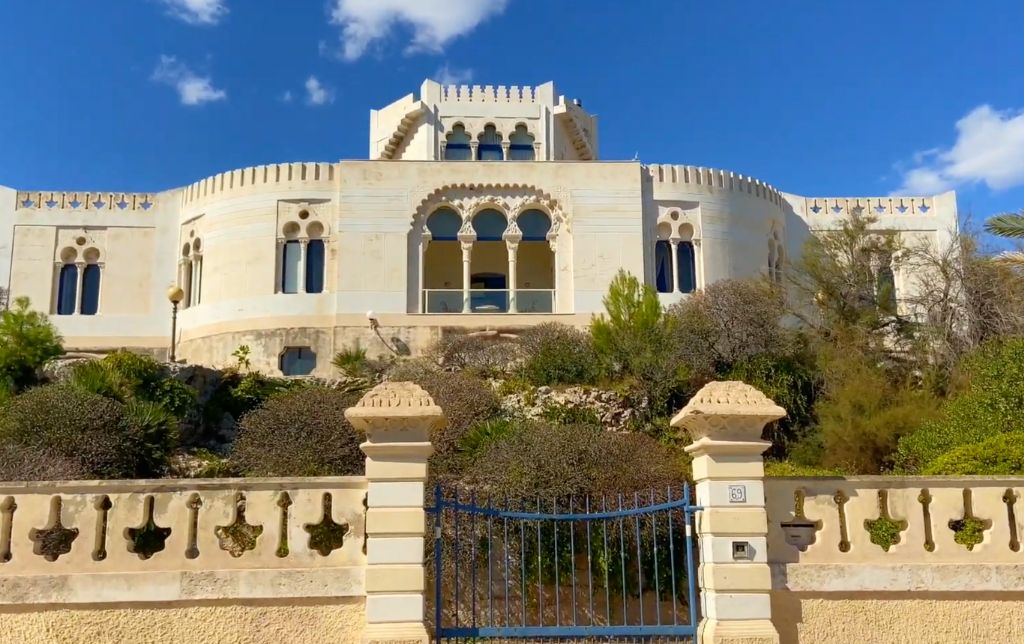
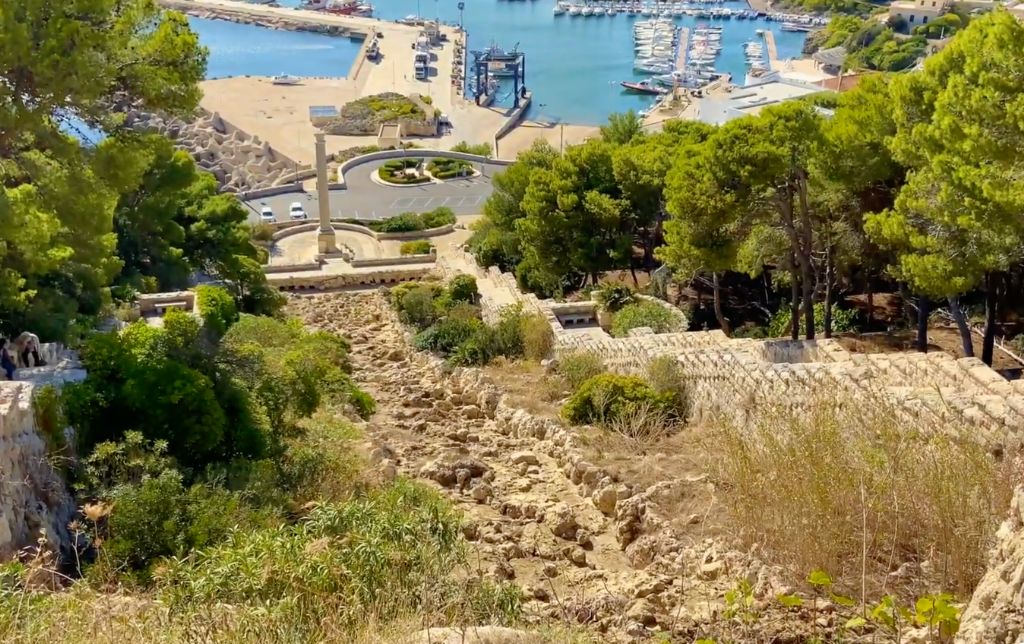
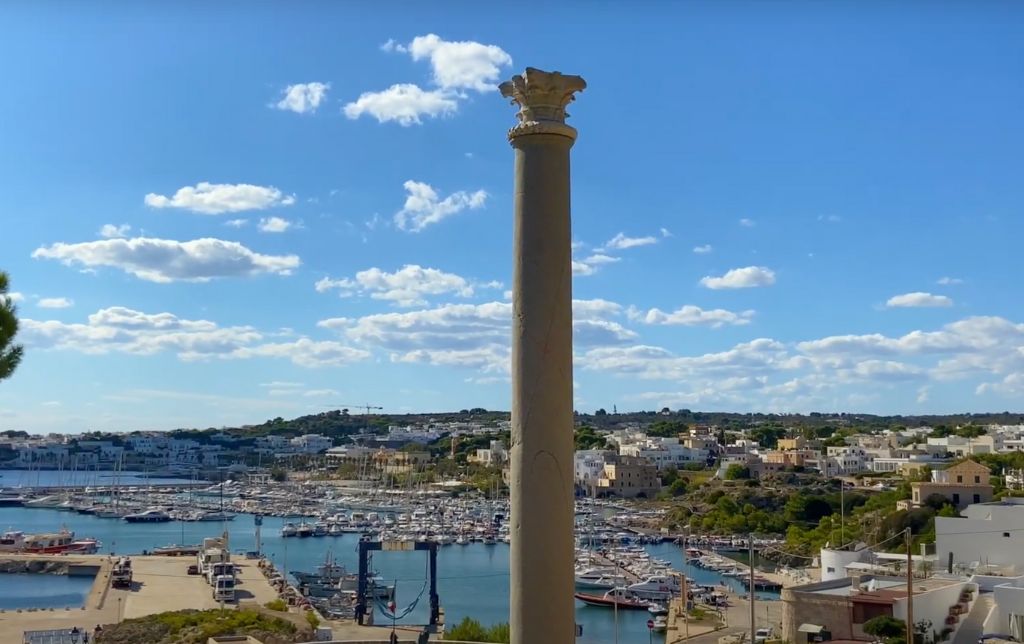
Besides the lighthouse, which stands as one of Italy’s most important, there’s the monumental waterfall of the Apulian Aqueduct. This isn’t just a feat of engineering but also a symbolic structure where water flows into the sea, marking the end of land. Nearby, the Corinthian column celebrates this aqueduct’s completion.
Caves and Mysteries
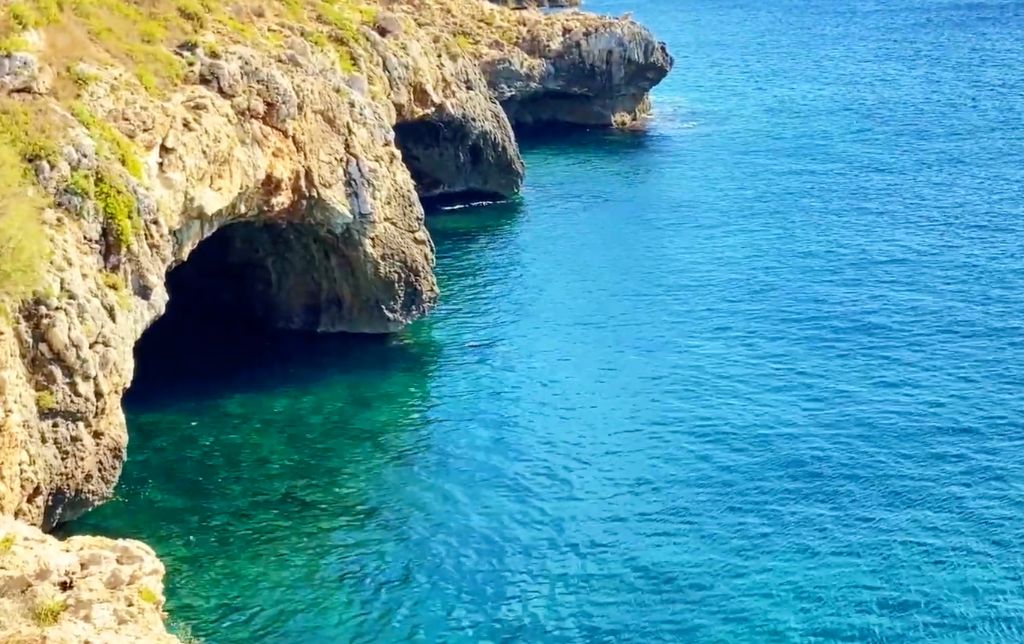
The coastline of Salento is dotted with numerous caves like Grotta del Diavolo and Grotta Porcinara, with prehistoric findings suggesting ancient human activities. These caves aren’t just geological wonders but are also wrapped in local legends, like treasures hidden by pirates or ancient rituals.
The ‘Empress of Hell’ Connection
While not directly about Leuca but relevant to the region’s lore, there’s a medieval legend where the Virgin Mary is referred to as the ‘Empress of Hell,’ showcasing her power over demons. This reflects the deep religious roots and the blending of Christian stories with local mythology.
Sunrise and Sunset
Leuca is one of the few places in Italy where you can see both the sunrise and sunset over the sea due to its unique geographical position. This natural phenomenon has made it a mystical place for both locals and visitors, often associated with renewal and reflection.
Must-Visit Attractions
Salento is dotted with charming towns, historic sites, and natural wonders, each offering its own unique appeal.
Historic Towns and Cities
Lecce
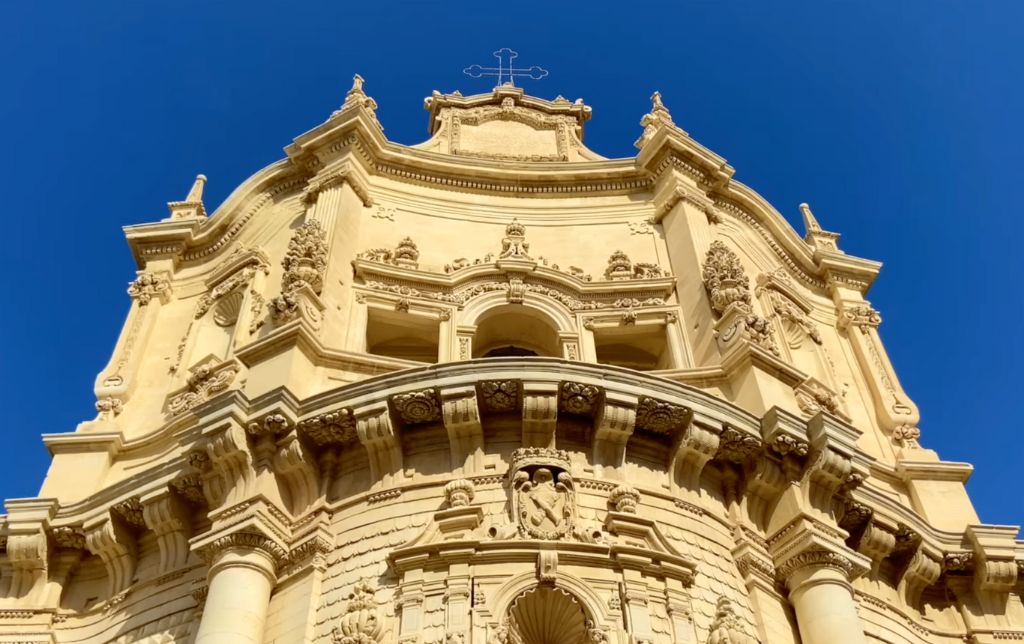
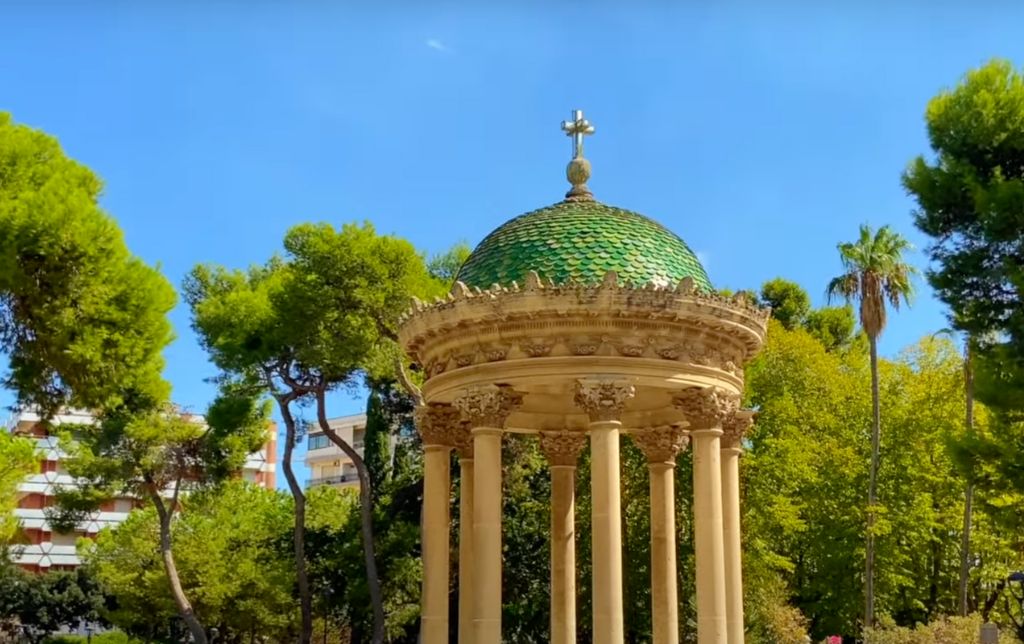
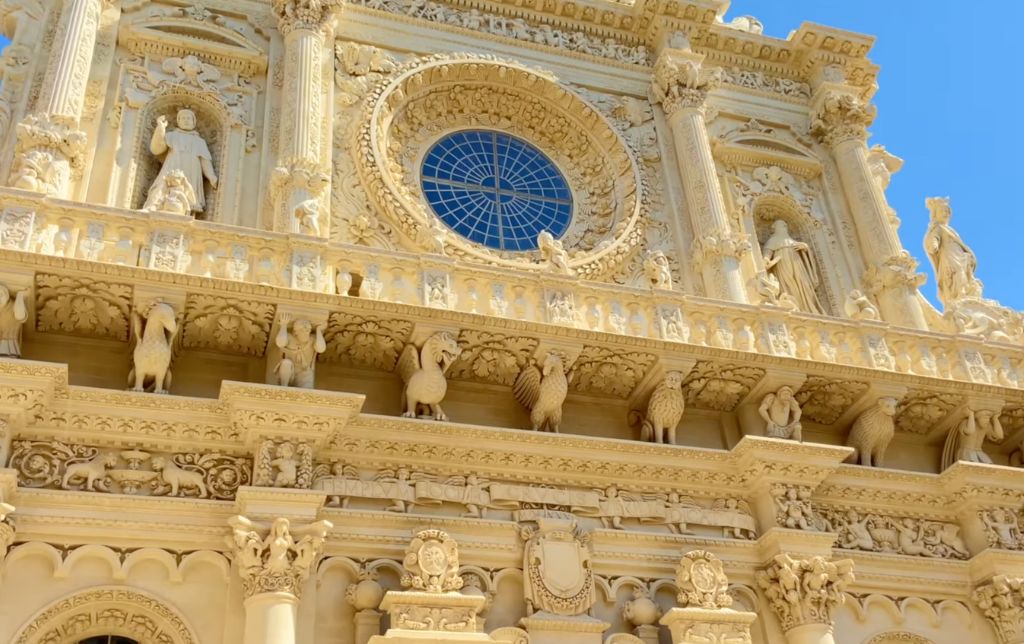


You’ve got to check out Lecce when you’re in Salento; it’s called the “Florence of the South” for a reason. This city is all about that baroque vibe, with buildings that look like they’ve been carved from honey-colored stone. Wander around the historic center, and you’ll feel like you’ve stepped into an open-air museum where every corner has a story. Lecce isn’t just about pretty buildings, though; it’s buzzing with culture, from lively street festivals to hidden courtyards where locals sip espresso. Plus, legend has it that Lecce was founded by the Messapii before even the Romans got there, so you’re walking on layers of history!
Gallipoli
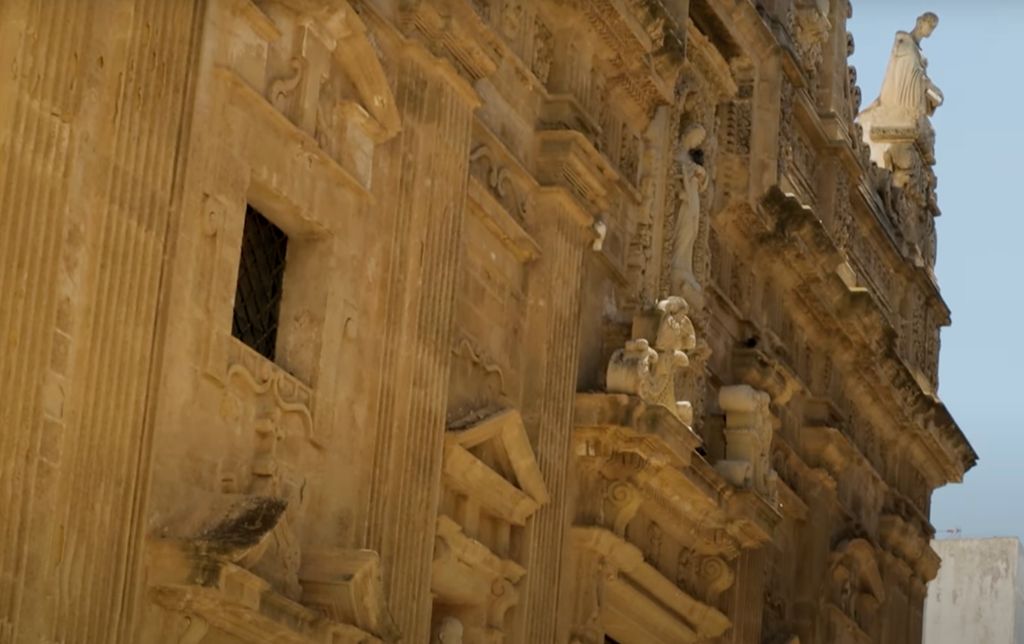

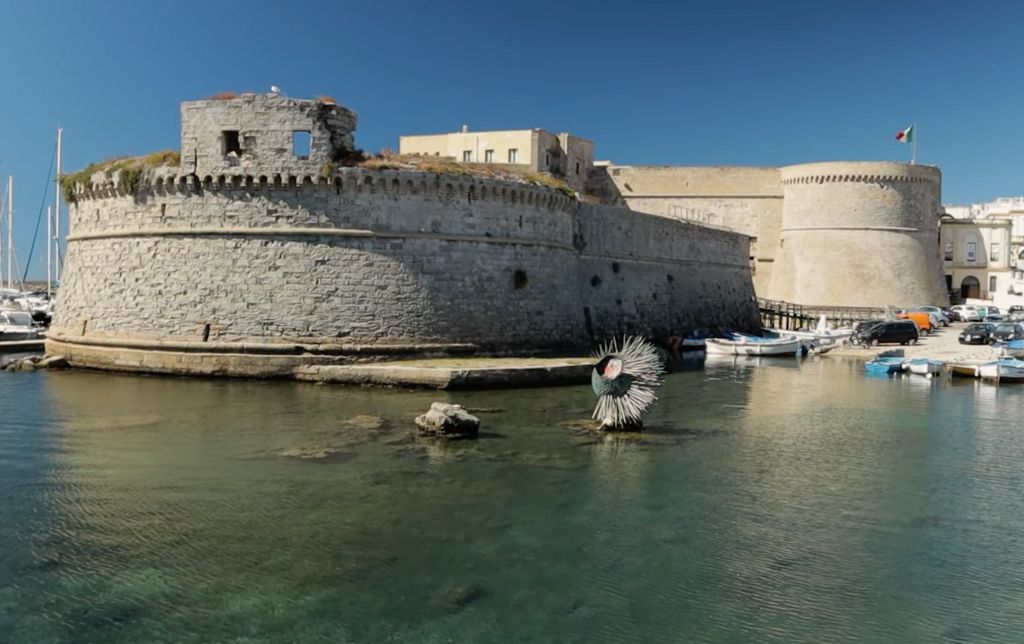
Step into Gallipoli, and you’re literally walking through history. Those ancient walls? They’ve been around since the 1300s, whispering stories of bygone eras. Wander the tight, winding streets where every corner might just reveal secrets of old traders, fighters, or sweethearts.
The old town’s core, sitting pretty on its own island, links to the mainland via a 17th-century bridge. Cross it, and you’re treading paths soaked in history. They say “Gallipoli” means ‘beautiful city’ in Greek, and it’s no myth how its allure made it a hotspot for various rulers.
Whispers of hidden treasures add a layer of mystery, remnants perhaps from when the town was flush with olive oil money. Then there’s the Angevin Castle – not just a fortress but a lookout over the Ionian, with rumors of a hidden tunnel from its depths to the sea, used by soldiers or perhaps rogue pirates.
Listen closely, and you might hear tales of the “Sirens of Gallipoli” on still nights, their songs a haunting reminder of the town’s ties to the sea. In Gallipoli, every stone isn’t just old; it’s a page from a vast, vivid history book, inviting you to explore.
Otranto
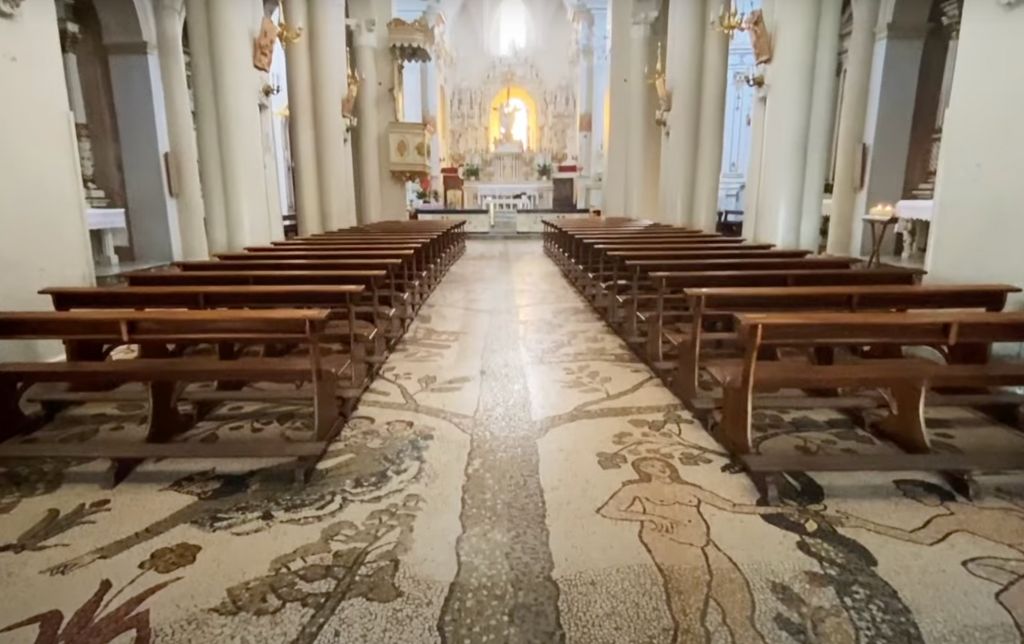

You’ve got to check out Otranto, not just for its sun-soaked beaches but for a deep dive into history that’s as colorful as it gets.
Otranto Cathedral isn’t just a church; it’s a canvas of history with its 12th-century mosaic floor by monk Pantaleone. Picture this: you’re walking on the Tree of Life, surrounded by tales from the Bible, mythical beasts, and even Alexander the Great. This floor? It’s an old-school graphic novel teaching folks through art.
Then there’s the grim side – the Martyrs of Otranto. After the 1480 Ottoman siege, 800 locals chose death over conversion. Their skulls now rest in the cathedral, turning it into a shrine of resistance.
Otranto’s been a cultural mash-up for ages, thanks to its prime spot. Byzantine, Norman, Ottoman – you name it; their vibes are all over, from the architecture to tales of secret tunnels used for who-knows-what.
Surprisingly, King Arthur pops up in the mosaic, hinting at how far his legends spread, weaving through medieval Europe’s storytelling network.
Walking through Otranto’s old town feels like navigating a time maze, with each alley whispering secrets of past lives – traders, fighters, maybe even forbidden romances.
And don’t overlook the Castello Aragonese, buzzing with legends of buried treasures or old maritime secrets.
In Otranto, the cathedral is more than a worship place; it’s a history book with each chapter etched in stone and mosaic, inviting you into a world where past stories still echo.
Natural Wonders
Porto Selvaggio
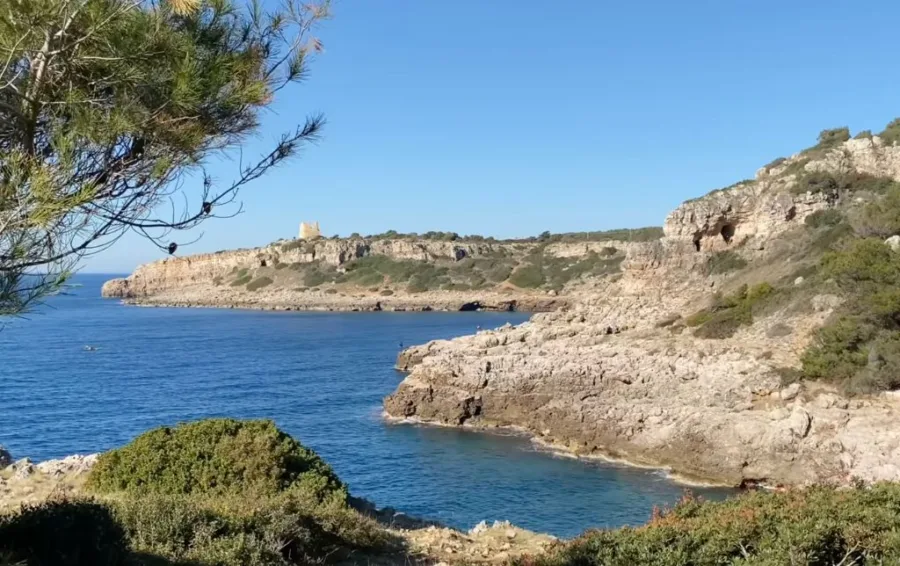
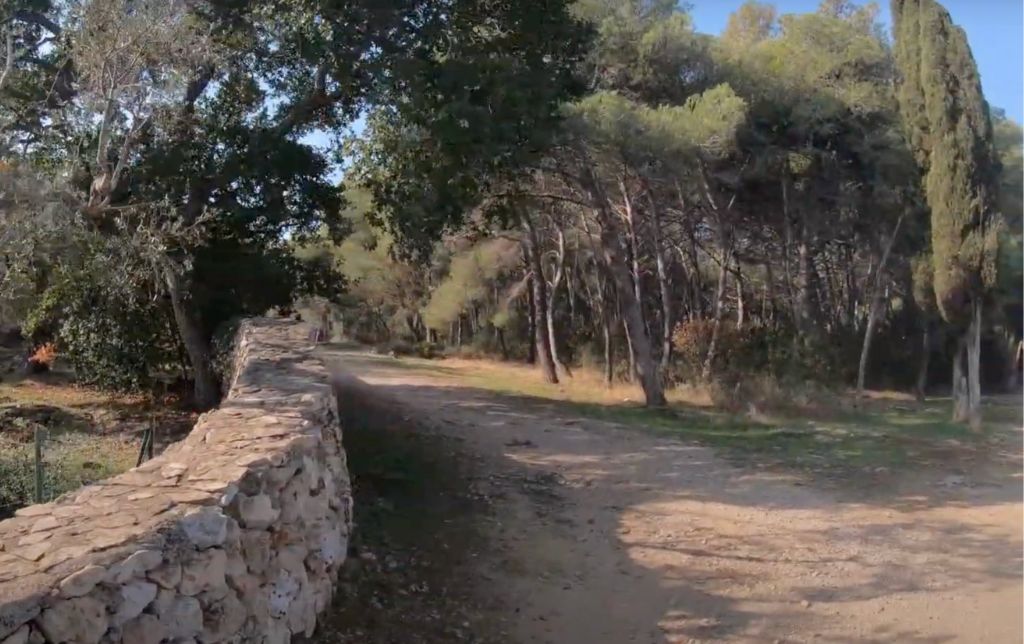
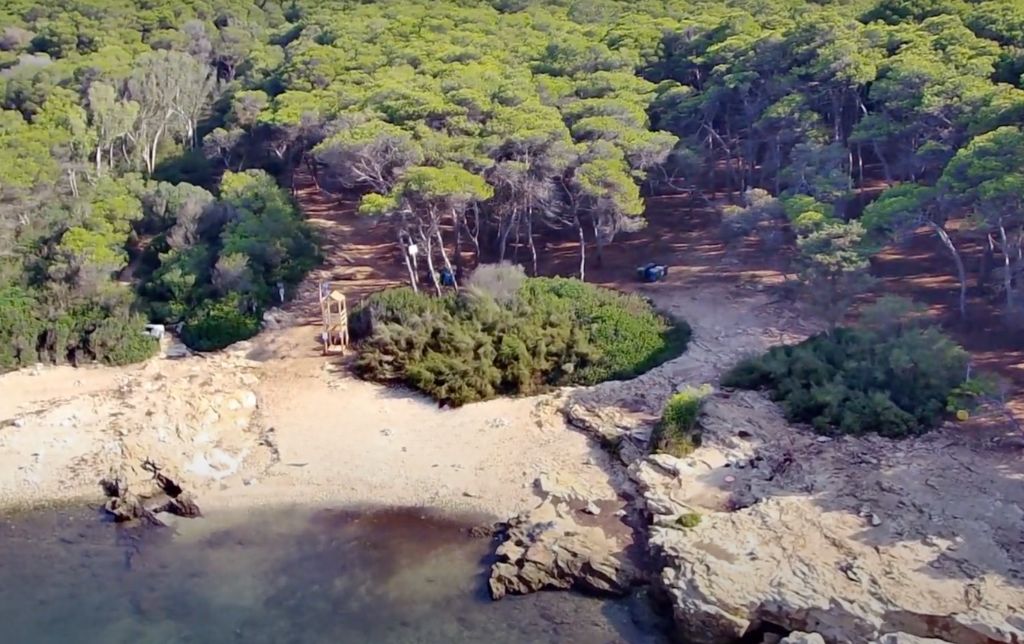
Porto Selvaggio is a nature lover’s paradise, offering more than just picturesque beaches. Here, you can hike through aromatic pine forests on trails that reveal breathtaking views of the Ionian Sea. It’s a photographer’s dream with every turn. The beaches here are secluded treasures, like Spiaggia della Sorgente, where you might find yourself in a serene, uncrowded cove with crystal-clear waters.
The area is steeped in mystery and lore; locals whisper about ancient ceremonies in the woods and the ‘Whispering Pines,’ where folklore says you can hear echoes of bygone love stories or lost sailors. For wildlife enthusiasts, Porto Selvaggio serves as a sanctuary for diverse species, from rare birds to unique Mediterranean plants, making it a hotspot for biodiversity.
Don’t miss the Torre Santa Maria dell’Alto, a historical watchtower that once guarded against pirates, now offering panoramic sunset views. For the adventurous, the rugged trails provide a mild challenge, and the vibrant underwater world is perfect for snorkelers. This park isn’t just for relaxation; it’s a place for d
Valle d’Itria
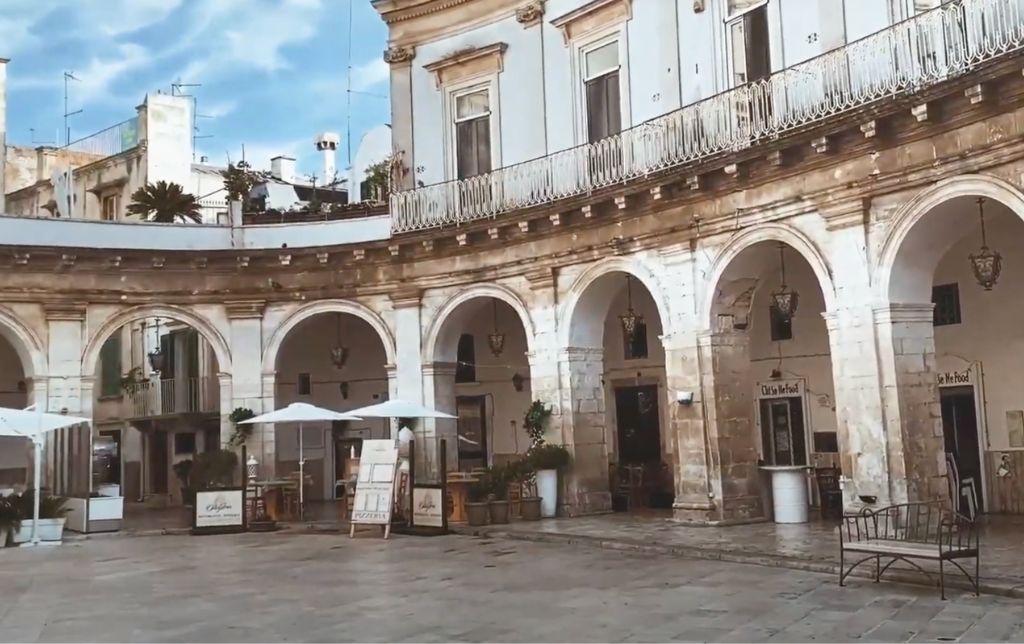
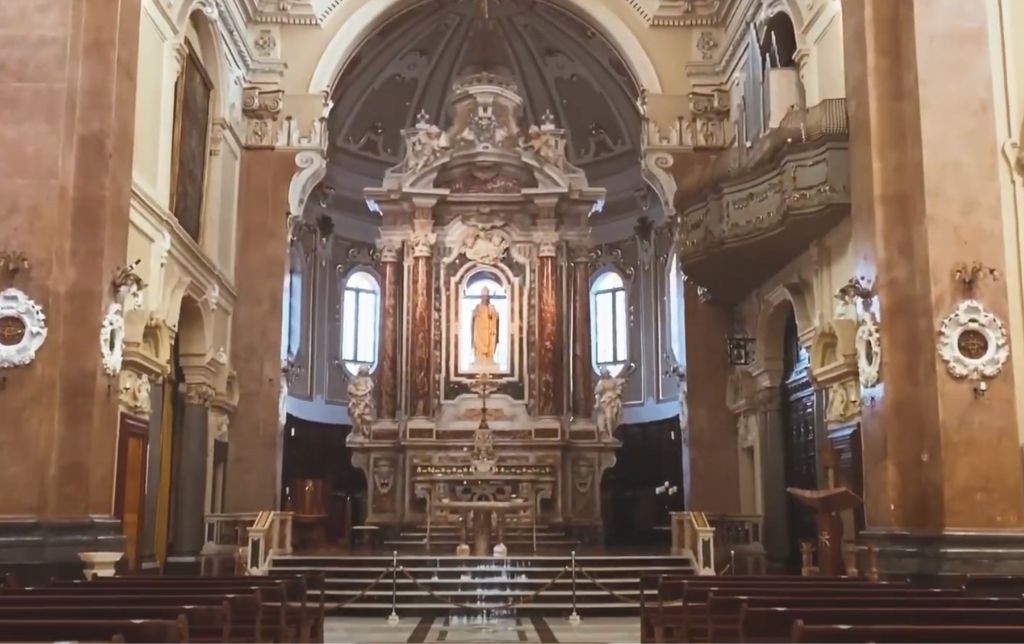
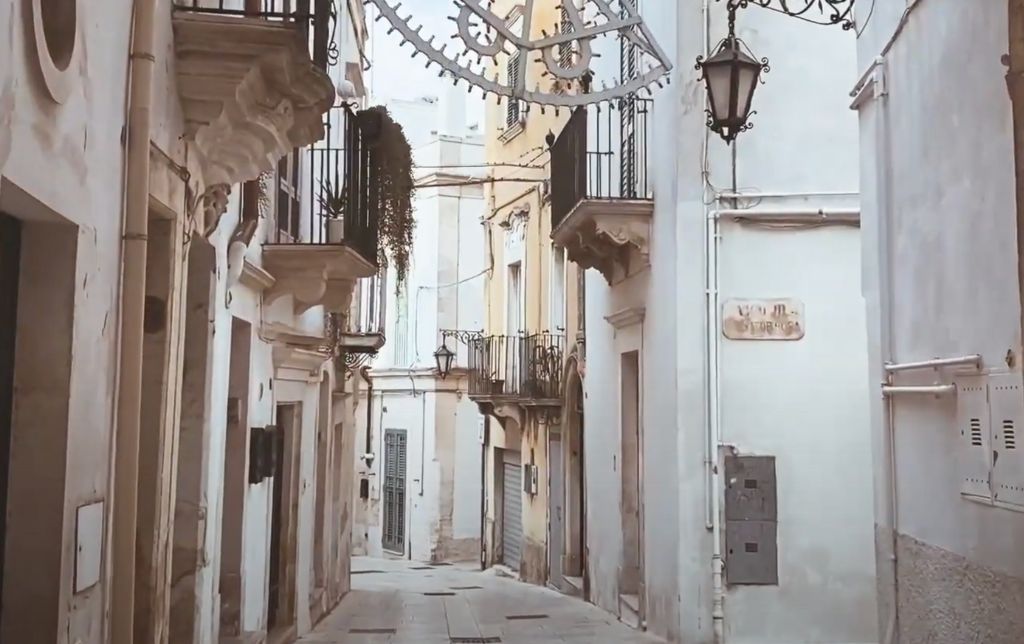
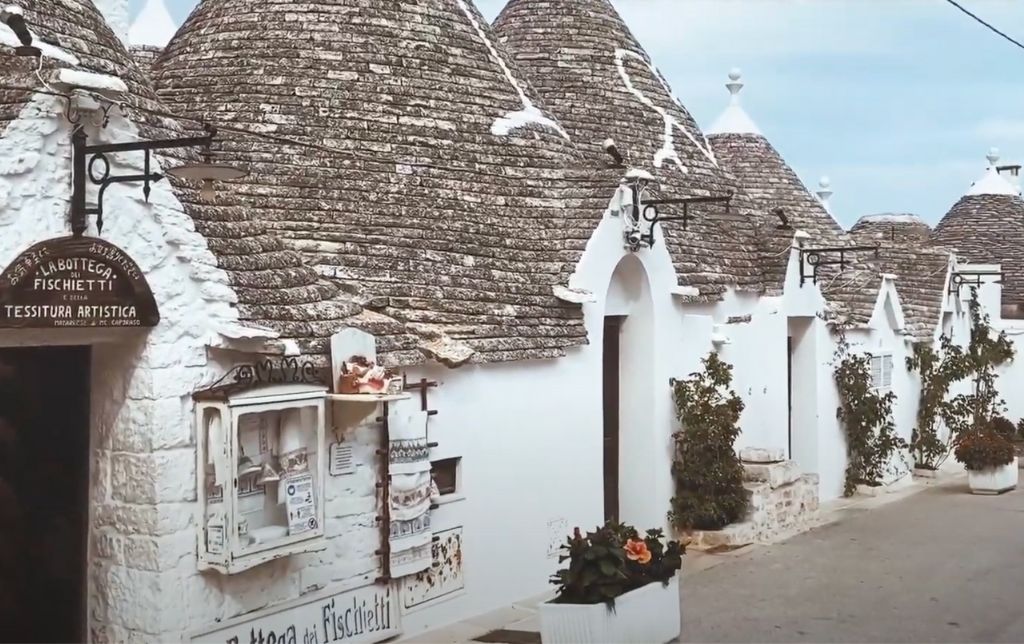
Out past Salento, the Itria Valley’s like stepping into a storybook. You’ve got these cool, cone-shaped trulli houses that, back in the day, folks could quickly pull apart to skip out on taxes. Now? They’re quirky places to crash or grab a souvenir, with tops painted with lucky charms.
Alberobello’s where it’s at for trulli lovers, feeling like a gnome town straight out of a fantasy, with whispers of hidden loot and secret meet-ups.
The olive groves here aren’t just old; they’re ancient, cranking out oil that’s got this special zing. And if you’re into vino, hit up the vineyards for some Primitivo or Negroamaro – the land’s supposedly magic for growing grapes.
Don’t miss trying your hand at making ‘orecchiette’ pasta; it’s like the valley’s handshake, passed down forever.
Jump into one of the local shindigs where lanterns light up the trulli, making nights magical. Officially, it’s for saints, but some say it’s an old-school welcome to spring.
In the Itria Valley, every bite of food, sip of wine, or night in a trullo, you’re living in a blend of history and enchantment.
The culinary offer
Local cuisine
Salento’s local cuisine is a delightful reflection of its rich cultural heritage and abundant natural resources. The region’s culinary offerings are a testament to its fertile land and coastal bounty, making it a paradise for food lovers.
Olive oil
Salento is renowned for its high-quality olive oil, a staple in the local diet and a key ingredient in many dishes. The region’s olive groves, some of which date back to the Middle Ages, produce some of the best olive oil in Italy. A visit to a local olive farm for a tasting session is a must-do activity for any food enthusiast.
Traditional dishes
- Pasticciotto: This delicious pastry, filled with custard or chocolate, is a traditional breakfast treat in Salento.
- Ciceri e Tria: A hearty dish made with pasta and chickpeas, often featuring fried pasta for added texture.
- Horse Meat: Though it might surprise some, horse meat is a traditional delicacy in Salento, often served in stews or grilled.
Street food
Salento’s street food scene is vibrant and diverse, offering a range of delicious snacks and small meals. Some popular options include:
- Puccia: A type of sandwich made with a special bread, stuffed with a variety of fillings such as cheese, vegetables, and cured meats.
- Rustico: A savory pastry filled with béchamel sauce, mozzarella, and tomato.
Wine and coffee
Salento is part of Italy’s renowned wine-producing regions. The local Malvasia Nera, a rich and aromatic red wine, is a must-try for wine enthusiasts. Additionally, the region’s proximity to the famous coffee region of Eje Cafetero ensures that coffee lovers will not be disappointed. Many cafes and coffee shops offer free coffee tastings, providing a warm welcome to visitors.
Cultural Experiences
Traditional Music
Salento celebrates its rich cultural heritage through traditional music, particularly the pizzica, an energetic folk dance. This dance does more than entertain; it embodies a cultural tradition deeply embedded in local folklore. Historically, people performed pizzica as a ritual dance to heal from the mythical tarantula’s bite, driving dancers into a wild frenzy.
When you visit, dive right in—don’t just stand by. The locals eagerly share their dance steps, and you’ll find the rhythm irresistible. Each pizzica melody narrates stories of love, pain, or defiance. If luck is on your side, you’ll witness an all-night celebration where music plays until sunrise, with everyone, from children to the elderly, twirling and jumping. It transcends mere dancing; it’s the pulse of Salento. So, find a dance partner or go it alone, and immerse yourself in the lively essence of pizzica. This is one experience you’ll rave about long after your trip ends.
Wine Tastings
Many local wineries offer tastings and tours, providing insight into the region’s winemaking traditions and the chance to sample exquisite wines.
Best Time to Visit
The best time to visit Salento is during the shoulder seasons of early June and September when the weather is pleasant, and the crowds are smaller. The summer months of July and August are high season, attracting a lot of people due to the warm weather and numerous cultural events.
In conclusion…
…you’ve got to see Salento. It’s not just pretty; it’s like a treasure chest of culture. You’ve got amazing food, hidden beaches where you can actually hear yourself think, and old towns that’ll charm your socks off. Whether you’re flying solo, with the fam, or even planning something fancy like a bridal shower, Salento’s where you wanna be. Trust me, it’s the slice of southern Italy you didn’t know you needed.
Here are some other of my favorite destinations in Italy:
No posts


I didn’t even know this heel-of-the-boot place existed until now. You made it sound so cool – definitely on my bucjet list