
Meal planning? Who hasn’t stood in front of the fridge at 5 PM, wondering what on earth to make for dinner. You’ve got hungry kids, a busy schedule, and a pantry full of random ingredients that don’t seem to go together. Sound familiar? If so, you’re not alone! Many families struggle with menu planning. To answer some of your questions and why not, maybe inspire you a bit, I put here together some tips and tricks to make menu planning easier for even the busiest of families.
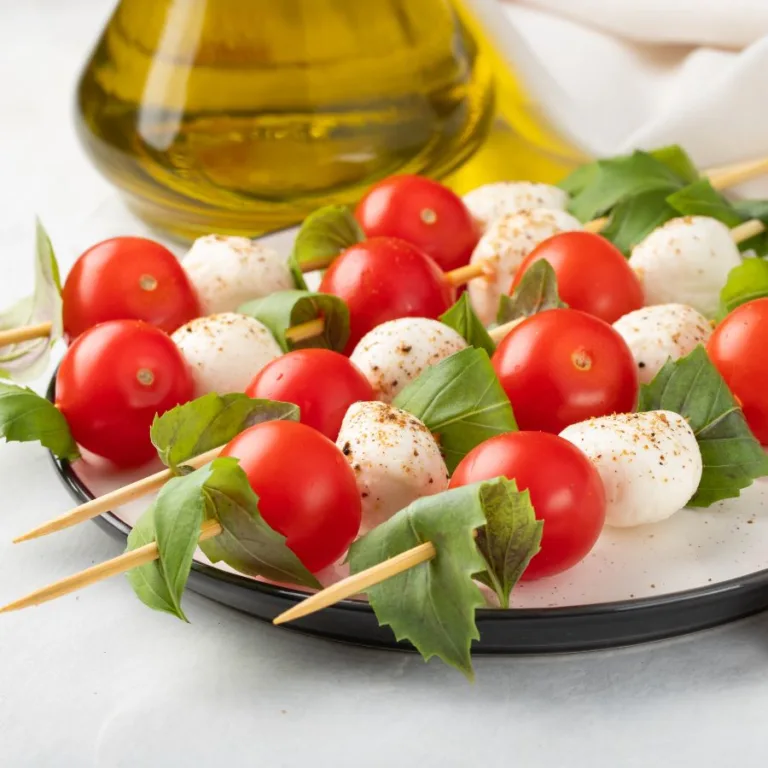

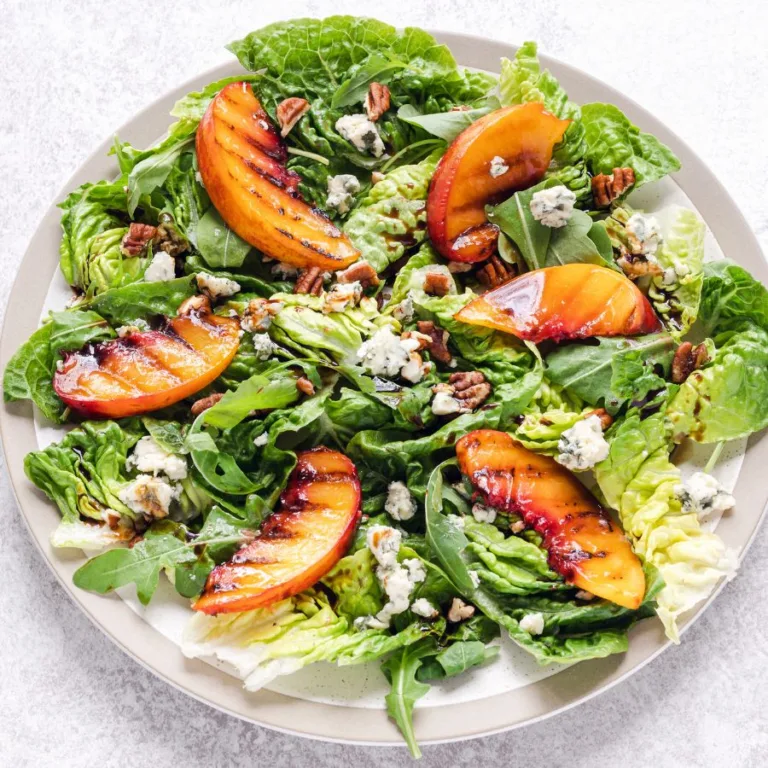
In this blog post, we’ll share our top tips and tricks for creating a family menu that’s both delicious and stress-free. We’ll cover everything from meal prep to grocery shopping, and even throw in some of our favorite family-friendly recipes. So grab a cup of tea, sit back, and let’s dive into the world of family menu planning!

How do you plan a family menu for the entire family?
What are the factors to consider when planning meals for families?
- your family dietary needs and each family member portion size
- your family nutrition goals
- what’s your monthly food budget for family meal planning
- what’s your time availability
- how can the entire family be involved (teenagers for meal prep, grand parents or other help for groceries shopping)
- what meal planning tools are age appropriate for your children
What are the 7 basic steps of menu planning?
step 3: make together a meal planner(Here are some tips for creating a meal plan that works for your family)!
The next in family menu planning is to create a meal plan. This can be as simple or as detailed as you like, but the key is to have a plan in place.
- Pick a planning period: I recommend you tart small with a week or two. As you get comfortable, extend it if you like. We are still at the one week one.
- Create a Master List of Go-To Meals: Sit down and brainstorm a list of your family’s favorite meals. These could be simple dishes that you can whip up in no time or more elaborate recipes for weekends or special occasions. Having a go-to list makes for easy meal planning without having to start from scratch every time.
- Involve all family members: Get everyone involved (or at least get their opinions) in the meal planning process. Ask your kids for their input, and let them help choose recipes and plan meals. This will help ensure that everyone is happy with the menu, and it’s a great way to get kids interested in cooking and healthy eating.
- Get visual: Use a calendar, whiteboard, or even sticky notes to map out your meals. Seeing it helps solidify the plan and gets everyone excited. There are plenty of meal planning templates available online, or you can create your own. A template can help you stay organized, and it’s a great way to keep track of your meal plan from week to week.

- Talk it out: Sit down for a family meeting (bribery with snacks optional). Discuss favorite foods, allergies, dietary needs, and even mealtime traditions. Get everyone involved, even little ones can voice their preferences.
- Embrace the “maybe pile”: Have everyone jot down favorite recipes they’d love to try. Don’t worry about feasibility of a new idea or a new recipe when you brainstorm!
- Consider everyone’s needs: Make sure there’s variety for different tastes and dietary restrictions. Remember, picky eaters exist (we’ve all been there!).
- Plan for leftovers: When you’re planning your meals, think about how you can use leftovers to create new meals for the next day. For example, if you’re making roast chicken one night, you can use the leftovers to make chicken pot pie or chicken salad later in the week. Also, don’t forget to count in any leftovers from the previous week.
- Leave room for flexibility: Life happens! Unexpected events or cravings deserve space. Have a few “backup meals” in your repertoire, like quick pasta dishes or frozen pizzas.
- Assess your schedule: Take a look at your calendar for the week ahead. Are there any busy nights with soccer practice, PTA meetings, or piano lessons? On those nights, you’ll want to plan for quick and easy meals or leftovers. Save the elaborate recipes for evenings when you have more time to spare.
- Theme nights are your friend: Mexican Monday, Taco Tuesday, Meatless Wednesday – themes make planning easier and can be fun for kids.
step 4: create a grocery list
Once you have your meal plan in place, it’s time to create a grocery list. For more details, you could check this article!

Here are some tips for creating a grocery list that will make your life easier:
- Check your pantry and fridge: Before you start making your grocery list, take a look at what you already have on hand. This will help you avoid buying ingredients you don’t need and it’s a great way to use up ingredients that are nearing their expiration date.
You will also avoid food waist and unnecessary or wasteful expenses.
- Group items by category: When you’re making your grocery list, group items by category – for example, fruits and vegetables, meats, dairy, etc. This will make it easier to find what you need at the grocery store, and it will help you avoid backtracking.
- Don’t forget the staples: Make sure to include staples like milk, bread, eggs, and butter on your grocery list. These are the items that you’ll use on a regular basis, and you don’t want to run out!
- Stick to your list: When you’re at the grocery store, stick to your list as much as possible. This will help you avoid impulse purchases, and it will keep you on track with your meal plan.
step 5: principles for groceries shopping
- Master the list: Use your menu plan to create a detailed shopping list. Categorize items (dairy, produce, etc.) to save time at the store.
- Embrace sales: Plan meals around what’s fresh and affordable. Frozen fruits and vegetables are your friends!
- Seasonal and Local Ingredients: Eating with the seasons not only ensures that you’re getting the freshest, most flavorful produce and healthy foods, but it also supports local farms and reduces your carbon footprint. Hit up your neighborhood local farmer’s market or join a CSA (Community Supported Agriculture) to score some seasonal goodies for your menu.
- Don’t forget the pantry and fridge: Check what you already have and incorporate it into your plan to avoid food waste.
- Get the kids involved: Make shopping a learning experience. Let them choose fruits and vegetables, compare prices, and help with meal prep.
step 6: Here are some tips for meal prep
One of the keys to successful family menu planning is to do some meal prep in advance. This can help you save time during the week, and it’s a great way to make sure that you have healthy meals ready to go when you need them.
- Choose the right day: Pick a day when you have some free time to do your meal prep. For many families, this is Sunday afternoon, but you can choose any day that works for you.
- Plan ahead: When you’re doing your meal prep, think about what you can do in advance to make your life easier during the week. For example, you can chop vegetables, cook grains, or even make a batch of soup or chili that you can reheat later.
- Store your food properly: Make sure to store your meal prep properly, in containers that are airtight and labeled with the date. This will help your food stay fresh, and it will make it easier to find what you need when you’re ready to cook.
- Don’t forget the freezer: The freezer is your friend when it comes to meal prep. You can freeze soups, stews, casseroles, and even cooked grains to use later. Just make sure to label and date everything, and to thaw frozen items in the refrigerator before reheating.
step 7: get the family involved! (Here are some tips and trickes to get everyone on board):
- Assign tasks: Give everyone in the family a task to help with meal prep, grocery shopping, or cooking. Make a to-do list where everybody is included according to their age, capabilities and time availability. For example, one person can be in charge of chopping vegetables, while another can be in charge of setting the table.
- Make it fun: Turn meal prep and cooking into a fun family activity. Put on some music, have a dance party in the kitchen, or make it a competition to see who can chop vegetables the fastest.
- Keep it age-appropriate: Simple tasks like stirring, mixing, and setting the table are perfect for little hands. Older kids can handle more complex tasks with supervision.
- Embrace the mess: Cooking can be messy, but it’s also a bonding experience. Laugh it off and focus on the fun.
- Teach kids about healthy eating: Use meal planning as an opportunity to teach kids about healthy eating. Talk to them about the importance of a balanced diet, ingredients, cultures, and the science behind cooking. Spark curiosity and a love for food. Then allow them help choose healthy recipes and ingredients.
- Be kind to yourself (and your family): perfection is overrated, things might not go according to plan, and that’s okay! Don’t be afraid to adapt or order takeout if needed.
- Be flexible: Kids change their minds, plans get disrupted, roll with the punches and don’t sweat the small stuff.
- Enjoy the journey: Mealtime is about more than just food.
- Celebrate successes: Did everyone enjoy the meal? High five yourselves! Positive reinforcement goes a long way.
Meal Ideas
You will find here below some of our family’s favorite recipes for the late evenings when there is no left time to cook:
12 meal ideas from our master list to help your menu planning with the family
Here are a 12 meal ideas of home cooked meals to get you started. These delicious meals will help you start your engines in meal planning:
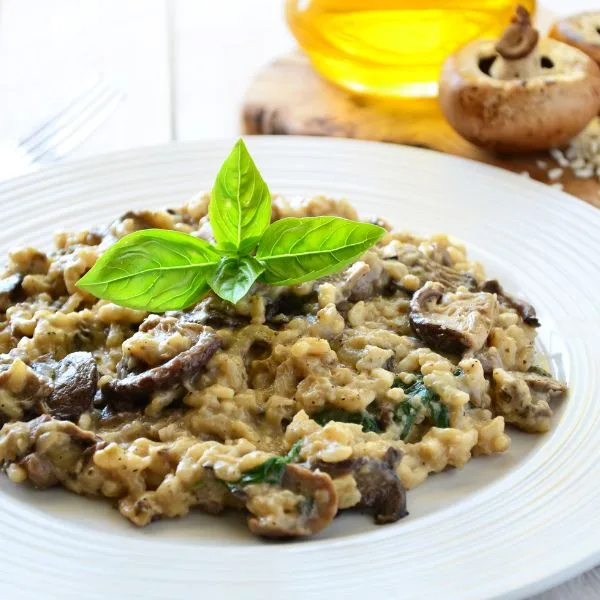
- Mushroom Risotto: Sauté fresh porcini or mixed mushrooms with onions, then stir in Arborio rice and gradually add mushroom broth until creamy. Finish with Parmesan and parsley for a comforting, earthy Italian classic that’s perfect for cozy family dinners or as a side to meats.
- Zucchini Carpaccio with Parmesan: This light and fresh summer starter features thinly sliced zucchini marinated in lemon and olive oil, topped with shaved Parmesan and herbs. It’s quick to assemble and makes a refreshing side or appetizer, ideal for warm days when you want something crisp and healthy.
- Sweet Sour Pumpkin: Fry butternut squash slices and marinate them in a garlic-infused vinegar-sugar sauce with mint for this Sicilian agrodolce dish. It’s a tangy, vegan side that pairs wonderfully with roasted meats, offering a balance of sweet and sour flavors for fall family dinners.
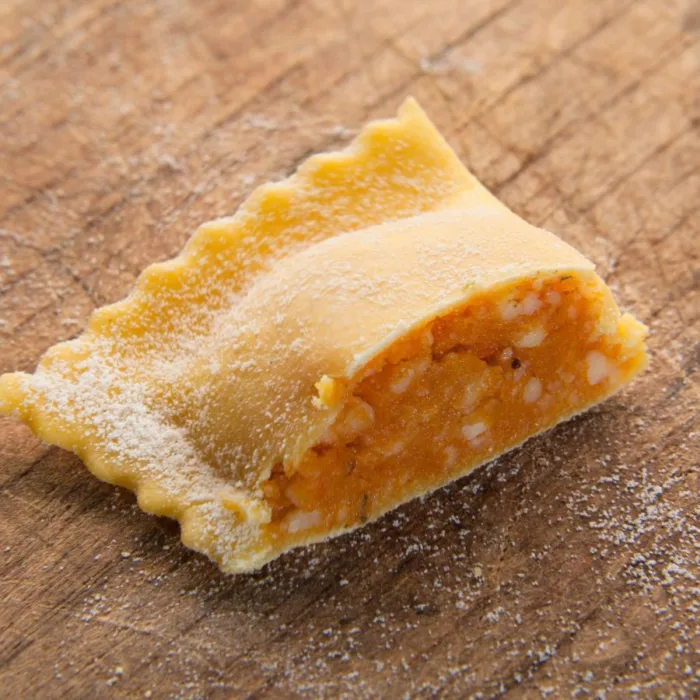
- Pumpkin Tortelli: Make homemade pasta filled with roasted pumpkin, amaretti biscuits, and cheese, then boil and toss in sage butter. This northern Italian classic is a cozy, festive pasta option for holidays, with the sweet-sour filling making it a hit for all ages—get the family to help shape the tortelli.


- Orzo with Peas and Mint: Cook orzo pasta and mix with fresh peas, mint, and a light lemon dressing for a simple, herby side or main. This customizable dish is ready in minutes, adding a fresh pop of green to your meals and encouraging picky eaters to try new veggies.
- Grilled Fish with Lemon and Herbs: Marinate fish fillets in lemon and herbs, then grill until flaky for a healthy, light entree. Serve with sides like steamed veggies for a Mediterranean-inspired meal that’s quick and omega-rich, great for introducing seafood to the family table.
- Strawberry Tomato Bread Salad: Transform stale bread into a vibrant Tuscan panzanella by tossing it with diced strawberries, tomatoes, cucumber, and basil in a tangy vinaigrette. Let the flavors meld for a juicy, resourceful meal that’s great as a light lunch or picnic option, with kids helping to chop the fruits.
- Buckwheat Cake: Whip up this gluten-friendly torta di grano saraceno with nutty buckwheat flour, eggs, and simple pantry staples, baked until tender. Serve slices plain or topped with fresh fruit and yogurt for a versatile breakfast treat or dessert that adds an earthy twist to your table.


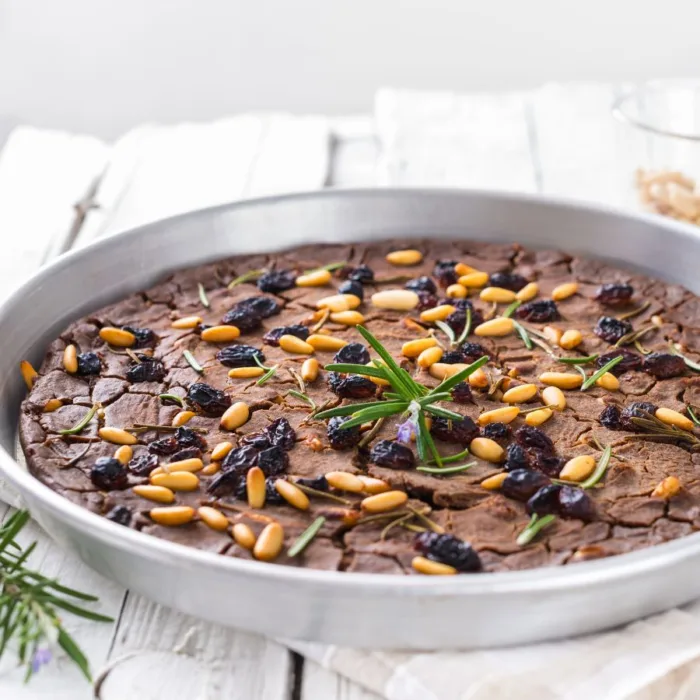
- Castagnaccio: Bake this rustic Tuscan chestnut cake with chestnut flour, pine nuts, rosemary, and raisins for a dense, naturally sweet dessert. It’s gluten-free and vegan, ideal for autumn, with a nutty flavor that’s great served plain or with ricotta.
- Cassata: Layer sponge cake with sweetened ricotta, candied fruits, and marzipan for this traditional Sicilian cake, often coated in icing and decorated. It’s a rich, festive dessert that’s ideal for holidays, with variations including chocolate or nuts for added flair.
- Cantucci (Biscotti di Prato): Bake crunchy almond biscuits twice for that signature texture, perfect for dipping in sweet wine like Vin Santo. These Tuscan classics are easy to store and customize with chocolate or other nuts, offering a satisfying crunch for coffee time or gifting.
- Almond Frangipane Tart: Fill a buttery tart shell with a creamy almond frangipane mixture (made from ground almonds, eggs, and sugar), then bake until golden. This elegant, perfume-inspired treat can be topped with fruit like pears or apricots for a sophisticated yet easy dessert



There you have it—the best tips in stress-free menu planning for busy families. Remember, it’s all about finding a system that works for you and your family and being flexible when things don’t go according to plan. So go ahead, whip out that meal planner and get started—I promise your future self will thank you come dinnertime!




Your positive and uplifting words are like a ray of sunshine on a cloudy day Thank you for spreading light and positivity in the world
I have recommended this blog to all of my friends and family It’s rare to find such quality content these days!
I appreciate how this blog promotes self-growth and personal development It’s important to continuously strive to become the best version of ourselves