Planning the best trip to Italy for summer 2025 involves balancing iconic destinations with lesser-known gems to create a memorable experience. As we have seen all the “big” cultural destinations in Italy, I will be able to “sell” to you some real hidden gems. But if it’s the first time for you in Italy, then I suggest you start with the big ones. They are really worth it!!
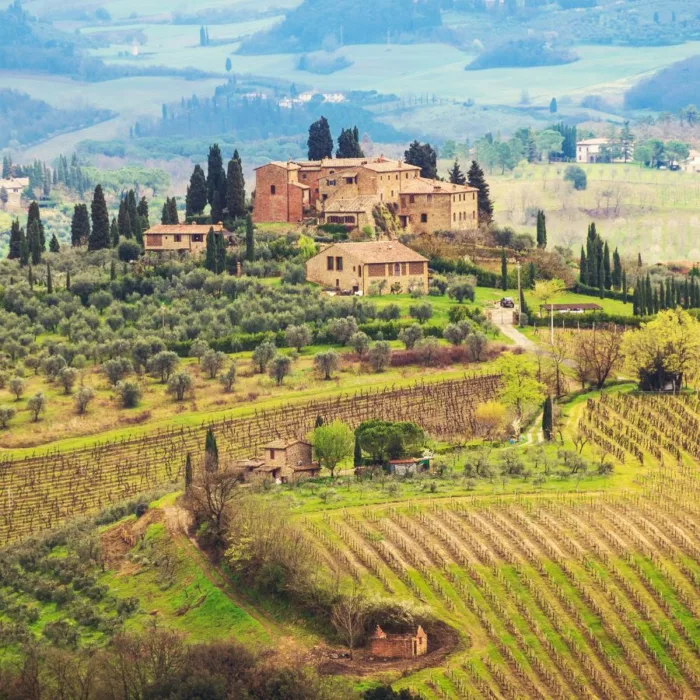


I will suggest some itineraries to cover key cities, coastal areas, cultural sites, and practical considerations for a summer trip. And also keeping in mind the weather, crowds, and unique experiences.
Must Knows for Planning a Summer 2025 Trip to Italy
Best Time in Summer:
The best time to visit Italy is June or Early July. This is because Italy is in the Mediterranesns and the weather can get really challenging in the summer. JUne is ideal for pleasant weather (average 77°F/25°C in central Italy, warmer in the south) and fewer crowds compared to peak season. Late May to early June is even better for lower prices and fewer tourists, but August is hotter (up to 86°F/30°C or more in the south) and crowded, especially around Ferragosto (August 15), when many Italians vacation and some businesses close.
So, avoid August if Heat-Sensitive: Southern cities like Rome and Naples can exceed 100°F, making sightseeing uncomfortable. Especially since much of the siteseeing in Italy is outside – Rome is the world’s biggest outdoor museum, right? Northern areas (e.g., Dolomites, Lake Como) or coastal regions (e.g., Cinque Terre) are cooler.
Crowds and Booking
Summer (June–August) is peak season, with crowded attractions (e.g., Colosseum, Uffizi Gallery) and higher prices. Book accommodations, high-speed train tickets (e.g., Frecciarossa, Italo), and major attractions 3–6 months in advance!! This is very important, otherwise you risk to get to Rome and not be able to visit your art galleries or history museums. Pre-book tickets for must-sees like the Vatican Museums, Sistine Chapel, or Uffizi to avoid long queues (2+ hours in summer heat). Early morning or evening visits reduce crowd exposure but not by much. Keep in mind that even when you have a ticket booked you will have to que outside of the gates for half an hour or so. This can get really bad when not planned!


Transportation
- High-Speed Trains: Connect major cities very efficiently (Rome, Florence, Venice, Milan, Naples). e.g., Rome to Florence in ~1.5 hours! You need to book directly via Trenitalia or Italo for best prices.
- Regional Trains: Ideal for smaller towns (e.g., Cinque Terre, Siena). More affordable but slower. For these ones, you need to ask around once in the location. The best options you will always get directly from the locals.
- By car: Useful for countryside exploration (e.g., Tuscany, Puglia), but driving on the narrow streets of the old cities and coastal areas like Amalfi can be challenging.
- Car rental tip! Rent the smallest car you can find. I know, an SUV is so much more comfortable, but you risk to literally get stuck on a narrow street or to not be able to make a curve. Trust me on this one 😉
- Car parking: If you’re driving to Italy, whether with a rental car or your own from elsewhere in Europe, be prepared: parking can be just as tricky as navigating the roads! 😉 You’ll need to plan your parking in advance. I know, it’s a bit of a hassle, but in big cities especially, you’re likely to face limited or tricky parking options, and leaving your car in the wrong spot could lead to issues like break-ins or other frustrations. The good news? Information on parking lots and online booking options is readily available, so with a little upfront planning, you’ll be all set.
- if you consider entering Italy by land, you will soon need to take into consideration the EITAS – a visa waiver program for travelers from visa-exempt countries visiting the Schengen Area and certain other European countries for short stays (up to 90 days within any 180-day period). I detail it below!
- Public Transport in Coastal Areas: Buses in Amalfi Coast are tricky (tickets sold at specific shops, inconsistent schedules) but the Cinque Terre’s train system is more reliable. So, you need to inform yourself a little bit on what best transportation means are for the region you are visiting.


What about the European Travel Information and Authorization System (ETIAS)?
What is ETIAS?
- Purpose: ETIAS pre-screens travelers to identify potential security threats, irregular migration, or health risks, improving safety in the Schengen Area. It’s not a visa but a mandatory travel authorization for visa-exempt nationals.
- Who Needs It: Citizens of over 60 visa-exempt countries, including the U.S., Canada, Australia, New Zealand, and the UK, must apply for ETIAS to enter 30 European countries, including Italy, France, Spain, Germany, and non-EU Schengen members like Switzerland, Norway, Iceland, and Liechtenstein. Cyprus is included, but Ireland is not (due to the UK-Ireland Common Travel Area).
- Validity: An approved ETIAS is valid for 3 years or until the passport expires, whichever comes first. It allows multiple short stays (up to 90 days in 180 days) for tourism, business, medical, or transit purposes.
- Application Process:
- Online: Apply via the official ETIAS website (europa.eu/etias) or mobile app, providing personal details, passport information, travel plans, and security-related answers.
- Cost: €7 (~$7–11 USD) for ages 18–70; free for under 18 and over 70.
- Processing: Most applications are approved within minutes, but some may take up to 30 days if additional checks or interviews are needed. Apply at least a few weeks before travel.
- Exemptions: EU citizens, those with EU residence permits, refugees with EU-issued travel documents, and certain visa-required travelers (e.g., students on short programs) may not need ETIAS. Check consulate requirements for specific cases.
- Border Checks: ETIAS doesn’t guarantee entry. Border guards verify passports and entry conditions (e.g., sufficient funds, return ticket).
ETIAS Delay to Late 2026
Update! ETIAS implementation was pushed back to late 2026. So, for 2026 you are free to go around Europe by car!
Weather and Packing
Weather
Expect hot, sunny days (77–86°F/25–30°C, hotter in the south) with occasional thunderstorms in the north (e.g., Lake Como). Pack lightweight clothing, sunscreen, and a hat. Do NOT forget the sunscreen, not even if you are in the mountains!
Dress Code
Cover shoulders and knees for churches (e.g., St. Peter’s Basilica, Duomo). Pack a light scarf or shawl for summer visits to Italy’s churches and sacred sites. Without one, you may be denied entry due to dress code rules requiring covered shoulders and knees. If you forget, you might have to buy a scarf from street vendors near the entrances, often at five times the usual price.
Beach Gear
If visiting coastal areas (e.g., Sardinia, Puglia), pack swimwear and flip-flops for beaches or stabilimenti balneari (beach clubs).
Cultural Considerations
Riposo
Many restaurants and shops close from 1–4 PM for a midday break, especially in smaller towns. Plan meals or activities accordingly!
Festivals
Summer hosts events like Siena’s Palio (July 2, August 16), a historic horse race, or Tuscany’s harvest festivals (late June–July). These draw crowds but offer unique experiences.
Local Markets
Local Markets: Italy’s lively markets, particularly in smaller towns, are often held only on specific days of the week, typically in the morning and closing by early afternoon. To catch the freshest produce and best deals, visit early! Check local tourism websites or ask at your accommodation to confirm market days (e.g., weekly markets in Florence or Siena). Planning ahead ensures you don’t miss out, as arriving late or on the wrong day might mean finding empty squares or limited stalls, especially with the midday riposo closing many businesses.
Budgeting:
Costs
Expect higher summer prices (e.g., hotels in Rome: €150–300/night; meals: €15–40/person). Budget €30–100 for travel insurance.
Saving Tips
Stay in smaller towns, eat at local vendors (e.g., panini trucks), or book multi-city tours for included meals and transport.
Must-See Destinations and Activities for Summer 2025
Here’s a streamlined itinerary for a 10–14 day summer trip to Italy, highlighting iconic destinations, cultural gems, and culinary experiences, tailored for a memorable adventure. This guide is designed to be clear and easy to read, focusing on Rome, Florence with Tuscany, Cinque Terre, Venice, and optional add-ons like Sardinia or Puglia.
Rome (3–4 Days)
Why Visit
Rome, the Eternal City, mixes ancient ruins, lively culture, and delicious food. Summer evenings are great for dining outdoors and wandering charming streets.
Must-Sees:
- Colosseum and Roman Forum: Step into ancient history; visit early (8–10 AM) to dodge heat and crowds.
- Pantheon: A free, awe-inspiring 2,000-year-old temple with a stunning dome.
- Trevi Fountain: Toss a coin for luck; go early morning or late evening for fewer people.
- Vatican Museums and Sistine Chapel: Marvel at Michelangelo’s frescoes; evening tours (Fridays in summer) mean smaller crowds.
- Trastevere: Stroll this cozy neighborhood for authentic Roman dishes like carbonara or cacio e pepe.


Food Tip:
Grab street food at Campo de’ Fiori market or try a pizza-making class.
Summer Tip
Sightsee early (8–10 AM) or after 5 PM to stay cool. Refill water bottles at free nasoni fountains.
Florence and Tuscany (3–4 Days)
Why Visit
Florence, the heart of the Renaissance, is packed with art and history, while Tuscany’s rolling hills offer charming towns and wine. Summer brings vibrant festivals and vineyard tours.
Must-Sees in Florence:
- Uffizi Gallery: See Botticelli’s Birth of Venus and Michelangelo’s works; book tickets early. Do not miss it – here you will se the Botticelli’s The Birth of Venus.
- Duomo and Baptistery: Climb the dome for city views; visit early to beat the heat.
- Ponte Vecchio: A historic bridge with shops; perfect for sunrise photos.
- Piazzale Michelangelo: Catch stunning sunset views over Florence.

Tuscany Day Trips
- Siena: Explore Piazza del Campo and the Gothic cathedral; catch the Palio race if visiting July 2.
- San Gimignano: A medieval town with towers and gelato; quieter than Florence.
- Chianti Region: Join a wine tour for Chianti Classico; check out late-June harvest festivals. There are many wonderful wine tours, but we felt the best here: FATTORIA di MONTEMAGGIO S.R.L. They took us on a very interesting trip into the bio wine and oil making processes. We ended up by leaving their property with 2 cases full of bio wine and extravirgin olive oil.


Food Tip
Enjoy bistecca fiorentina (Florentine steak) or pici pasta in Florence’s Oltrarno area.
Summer Tip
Rent a car for easy Tuscany day trips, as public transport to small towns is limited. Stay in Florence for convenience or a Tuscan villa for a countryside escape.
Cinque Terre (2–3 Days)
Why Visit
Five picturesque coastal villages (Monterosso, Vernazza, Corniglia, Manarola, Riomaggiore) boast Mediterranean views, hiking trails, and fresh seafood. Easier to navigate than the Amalfi Coast.
Must-Sees:
- Hiking Trails: Trek the scenic Monterosso-to-Vernazza trail (2 hours, moderate); get a Cinque Terre Card for trail access and unlimited train rides.
- Lovers’ Trail: Stroll the short, romantic path between Manarola and Riomaggiore, ideal for sunset.
- Vernazza: Visit its medieval castle and colorful harbor; dine on fresh seafood (tagged “italian dish”).
- Monterosso Beach: Unwind on sandy beaches (tagged “beaches”).


Food Tip
Savor trofie al pesto, a Ligurian classic (tagged “recipe”).
Summer Tip
Hop between villages by regional train; book a stay in La Spezia for affordability. Hike early to avoid midday crowds.
Venice (2–3 Days)

Why Visit
This magical canal city offers history, romance, and unique summer vibes with gondola rides and festivals.
Must-Sees:
- St. Mark’s Square and Basilica: Visit early to skip crowds; pre-book basilica tickets.
- Doge’s Palace: Discover Venetian history and the Bridge of Sighs.
- Rialto Bridge: Enjoy sunset views over the Grand Canal.
- Gondola Ride: A must-do; opt for a shared ride to save money (€30–80).
- Murano and Burano: Take a day trip for glass-blowing and colorful houses.
Food Tip:
Try cicchetti (Venetian tapas) at local bacari or linguini with clams.
Summer Tip:
Skip crowded areas midday; wander quieter spots like Cannaregio. Cover shoulders and knees for sacred sites.
Optional Add-On: Sardinia or Puglia (2–3 Days)
Sardinia:
- Why Visit: Crystal-clear waters, pristine beaches, and a relaxed vibe; less crowded than Amalfi Coast.
- Must-Sees: Costa Smeralda for upscale beaches, Cagliari for history, Nuraghe towers for culture (tagged “cultural europe”).
- Summer Tip: Fly or ferry from mainland Italy; book resorts early.
Puglia:
- Why Visit: Charming whitewashed towns, unique trulli houses, and rugged beaches, less touristy than Tuscany.
- Must-Sees: Alberobello’s trulli, Ostuni’s white city, Polignano a Mare’s cliffside beaches (tagged “beaches”).
- Food Tip: Taste creamy burrata and Primitivo wine (tagged “recipe”).
- Summer Tip: Rent a car for easy exploration; public transport is spotty.
Suggested 10–14 Day Itinerary
- Days 1–3: Rome: Colosseum, Vatican, Trastevere; join a pizza-making class.
- Days 4–6: Florence + Tuscany: Uffizi, Duomo, Siena day trip, Chianti wine tour.
- Days 7–9: Cinque Terre: Hike trails, relax on Monterosso beach, enjoy seafood.
- Days 10–12: Venice: St. Mark’s, gondola ride, Murano/Burano day trip.
- Optional Days 13–14: Sardinia or Puglia: Beaches and culture in Alberobello or Costa Smeralda.
- Travel: Take high-speed trains between Rome, Florence, and Venice. Use regional trains for Cinque Terre. Fly or ferry to Sardinia; rent a car for Puglia.
Practical Tips for Summer 2025c
- Accommodation: Book hotels or villas 3–6 months ahead. Stay near Monti in Rome for nightlife, Oltrarno in Florence for charm, or La Spezia for Cinque Terre affordability.
- Budget: Plan for €150–300/day per person (mid-range hotels, meals, attractions). Save by dining at markets or staying in smaller towns like Lucca.
- Safety: Italy is safe, but watch for pickpockets in busy spots like Rome’s Termini station. Use a money belt and stick to official booking platforms.
- Events: Look for summer festivals like Siena’s Palio (July 2) or Umbria Jazz Festival (July). Book early, as these draw big crowds.
- Driving: If driving, plan parking in advance to avoid stress or break-ins, especially in cities. Use apps like Parkopedia or hotel parking.
- Dress Code: Bring a light scarf or shawl for churches to cover shoulders and knees; avoid pricey vendor purchases.
- Markets: Visit local markets early (e.g., Campo de’ Fiori, Rome) on specific days; check schedules via tourism sites or your hotel.
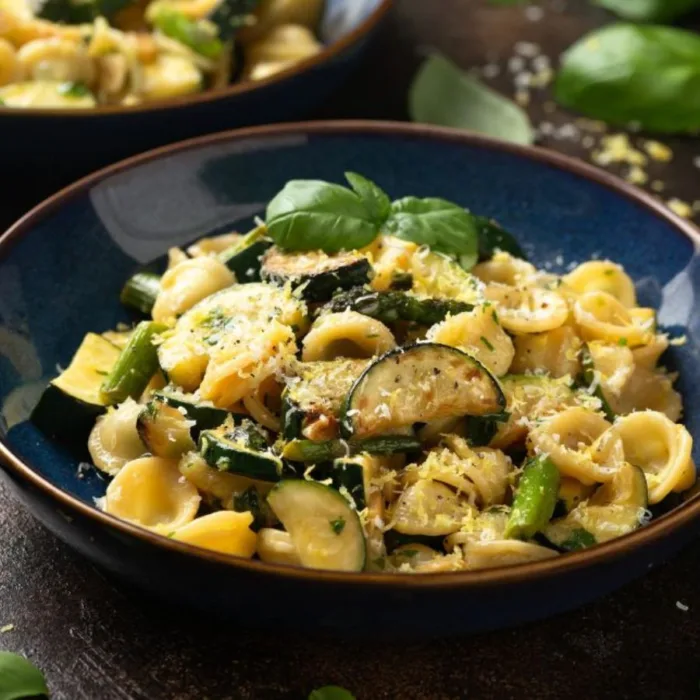
Here you will find some Summer light recipes, cooked often in Italy:


Here you will find some Easter recipes cooked often in Italy:

Pigna di Pasqua


Here you will find some other recipes cooked often in Italy:


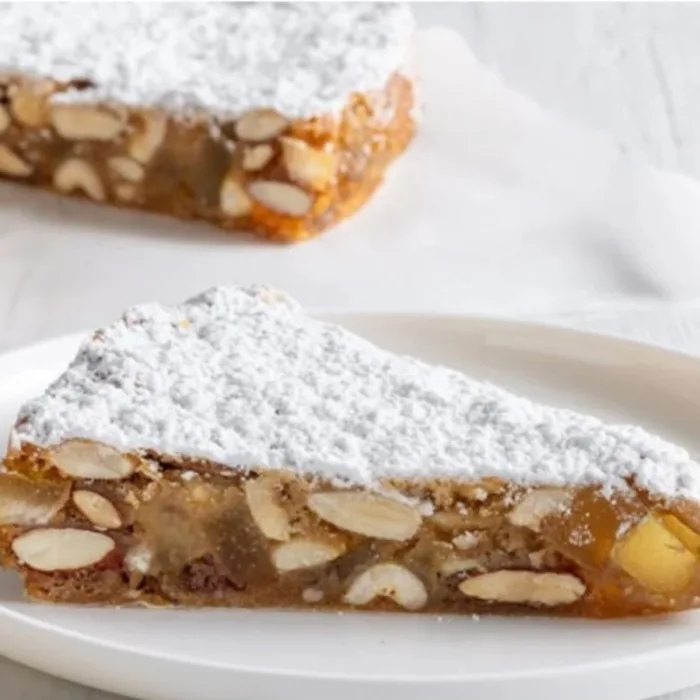

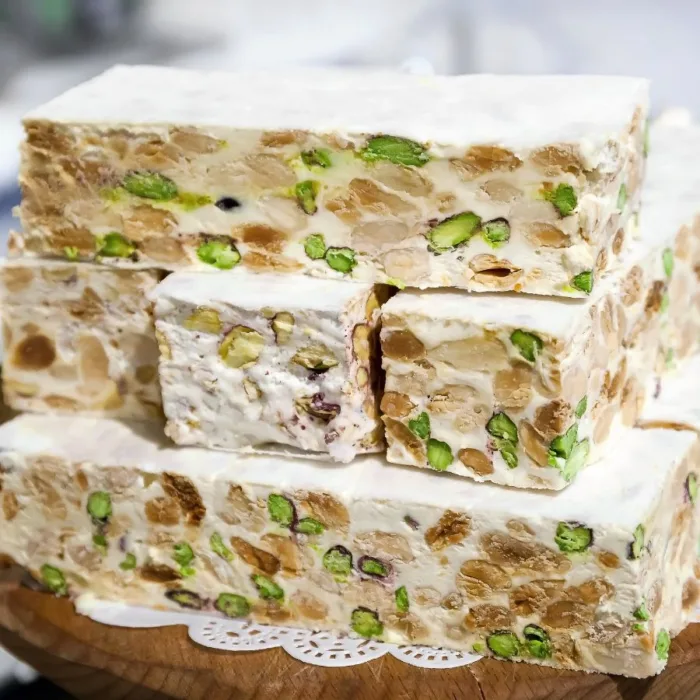


You will find here, many more mediterranean recipes:

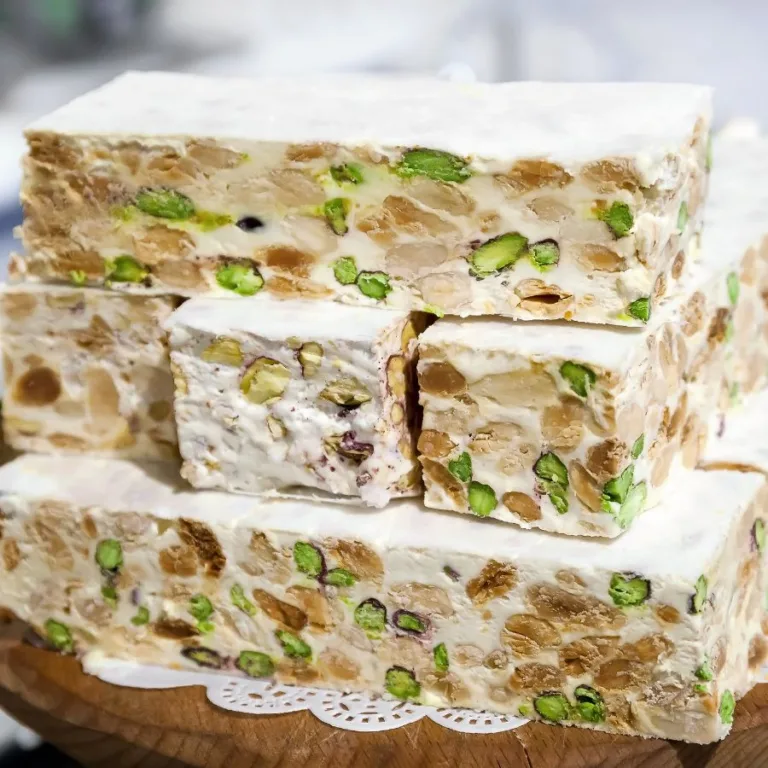
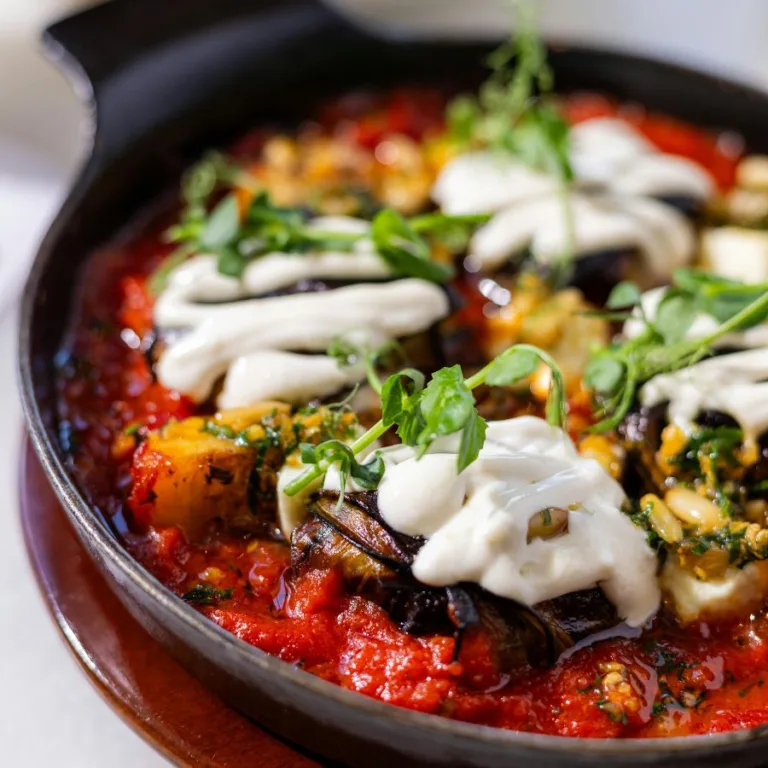

…Or if you want to travel here to experience it first hand:


Discover here a selection of posts offering practical tips and heartfelt insights on:
- motivation,
- family organization,
- meal planning,
- travel adventures,
- personal inspiration,
- Bible reflections,
- and parenting guided by biblical wisdom