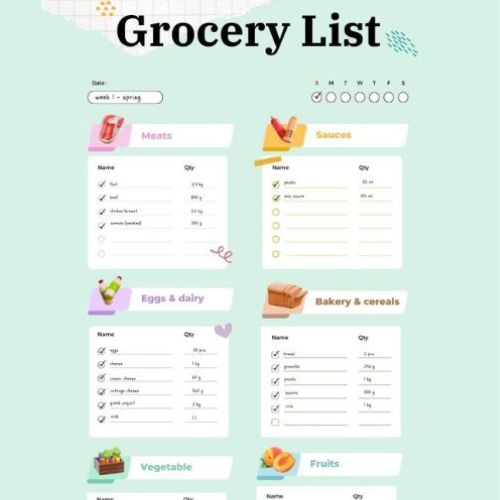
As the mistress of a house and family, my focus is less stuff to do and more time to enjoy with one another! This means, less time for domestic chores and household tasks and involves next level planning for the entire family. I will try to show you here how to create a master task list that allows a smooth-running, organized, and efficient care of the home with a bunch of cool tips and tricks to make your daily life easier. Whether you’re trying to nail that meal planning game or just figuring out the different roles children should play in the daily routine, I have something to share with you. Either you are a full-time homemaker or a business woman juggling due dates, I hope that my home management system will at least get you inspired!
So let’s dive into this fun and practical guide to managing your home like a boss and family assistant together!

Create Routines: Establishing good Habits for Success
Routines provide structure and stability not only at work but also in your private home. They give you a sense of control and predictability. By establishing daily tasks and weekly routines, you create a framework for an organized and predictable household.
For example, a morning routine might include making the bed, preparing breakfast, and packing lunches, while an evening routine could involve tidying up, preparing for the next day, and winding down with a book or a TV show.
Weekly routines might include meal planning, grocery shopping, and scheduling appointments. These routines help keep your household running like a well-oiled machine, making it easier to manage the chaos of everyday life.
But don’t worry, routines aren’t about becoming robots following a rigid schedule. They’re about creating structure and stability that works for you. Find what rhythms fit your family’s needs and personalities. Embrace flexibility – life throws curveballs, so adjust your routine accordingly. And remember, routines are your tools to get more free time, not your drill sergeants!
So go forth, my fellow routine revolutionaries! Embrace the power of planning and predictability. You’ll be amazed at how a little structure can transform your home (and your sanity) into a haven of peace and harmony. Now go forth and routinize your way to a happier, more organized you!
Strategies for creating habits
Family mornings a warzone? Evenings a chaotic dance of bedtime battles? Fear not, fellow warriors of routine! A simple daily routine sets the tone for a productive day and a restful night. First things, first! Busy mamas need their time too. So, before setting up routines for the busy households, let’s start early, before the little ones get up with a morning stretch and finish the day, after day got to bed, with a soothing bedtime routine: it can be a romantic bath or a favorite book, anything that gets your engines cool down. Trust me, your mind and body will thank you! And then, create morning and evening rituals for your mini crew. Start with fun wake-up songs and healthy breakfasts, setting the day for joy and success. End with calming bath time, story time snuggles, and predictable sleep schedules – sweet dreams guaranteed! Remember, simple is the key word here – small, regular but consistent routines are your secret tool to conquer those mornings and evenings! ✨
Ditch the communication chaos with weekly family meetings! Gather around (snacks encouraged!), discuss schedules, divvy up weekly and daily chores, and plan fun outings. Think of it like a mini family summit, but way cooler than boring business meetings. The starting point is to customize the subjects and duration by the age of the little ones! The house manager is like a commander of an army, proposing (to be negotiated!) the home management system, defining different roles and monitoring the implementation of the various tasks defined. Remember, consistency is key – regular chats keep everyone on the same page (and prevent meltdowns!). Go forth, conquer the communication gap, and celebrate your happy, connected fam! ✨
Home Maintenance: preserve your investment
Keeping your home in tip-top shape is like giving it a big ol’ hug. In your book of household management, the regular maintenance is key. It not only keeps your home looking sharp but also helps avoid costly repairs down the line. A well-maintained home retains its value and provides a comfortable living environment. Regular upkeep is key to avoiding major repairs. To retain its value, you will have to pay for large things like: new roof, heating, ventilation, air conditioning, bathroom/ kitchen renovations and smaller things like: appliances landscaping and lawn care. The total maintenance cost should be at around 1% of home value every year.
Strategies for home maintenance
Don’t forget to give your heating, ventilation, and air conditioning systems some seasonal TLC. Regular checkups keep them running smoothly and efficiently, saving you money and keeping your home comfy all year long. Check your roof, gutters, and drainage system every year, and clean them regularly. This will help you avoid major repairs and save money in the long run.
Arm yourself with a master tasklist with clear due dates to conquer common foes like creaky doors and dusty vents. Tick off tasks like checking for leaks, testing smoke detectors, and giving your insulation a thorough inspection. Remember, consistency is key – regular checkups prevent small issues from morphing into monster repairs (and save your wallet).
Don’t forget to keep your property in tip-top shape with leveling up your property with prompting upgrades, as any regular estate manager would.✨
Finances: keeping your budget on track
Staying on top of your budget means you’re less likely to overspend on those impulse buys and more likely to save for the things that truly matter. Plus, you’ll be setting a great example for your little ones, teaching them the value of money and the importance of making smart financial decisions.
Further more, a well-managed budget can help you avoid those pesky arguments about money. By setting clear goals and priorities, you’ll be able to keep the peace and focus on what’s really important – enjoying quality time with your family.
And let’s not forget about the long-term benefits of keeping your family budget on track. By saving and investing wisely, you’ll be setting your family up for a bright and secure financial future.
Strategies for family budget
Setting a monthly budget can be a game-changer for your finances. By allocating funds for bills, groceries, and savings, you’ll stay on top of your money and avoid those pesky surprises.
build an emergency fund to handle those unexpected expenses like unexpected car troubles, appliance meltdowns, or medical mysteries without breaking the bank. Think of it like a safety net for your budget, preventing small bumps from turning into financial wipeouts. Remember, consistency is key – even small, regular contributions add up fast. Not to mention the interest, which is not big nowadays, but it’s more than the administration fee. So go forth, conquer those financial worries, and celebrate the peace of mind that comes with a prepared wallet!
periodically review your financial situation and make adjustments as needed. Check the savings and the debt, adjust the spending habits, and keep on track towards your goals! Remember, flexibility is key – life throws curveballs, so adapt your plan and celebrate those financial victories, big or small! ✨
Appointment scheduling and calendar management: get time on your side
Conquer the appointment chaos with smart scheduling and calendar magic. Like that, you will ensure that everyone’s on the same page and prevent missed events (adios, awkward apologies!). Bonus points for color-coding, reminders, and shared calendars! Remember, organization is key to stress-free scheduling, so go forth, manage your minutes, and reclaim your precious time!
Strategies for calendar management:
Unite your tribe with a centralized family calendar, your secret weapon against scheduling meltdowns. Think of it as a giant, colorful roadmap, visible to all, where soccer games, dentist appointments, and pizza nights coexist in beautiful harmony. Reminders and color-coding are your best friends, keeping everyone in the loop and avoiding calendar clashes. Remember, clear communication is key to a stress-free family, so go forth, conquer the chaos, and celebrate a life where everyone’s on the same page!
Dive into the world of scheduling apps, your new best friend for conquering calendar chaos. Think reminders that buzz louder than your snooze button and coordination that makes juggling your life feel like a breeze. From color-coded calendars to shared to-do lists, these apps are your magic wands for staying on top of everything (even that dentist appointment you almost forgot!). Remember, technology is a most valuable tool, so go forth, explore, and conquer your time!
Chat about upcoming appointments, activities, and family fun. Color-code calendars, set reminders, and delegate tasks – teamwork makes the dream work! Remember, a little planning prevents major debacles. So go forth, conquer the week, and celebrate a life where you’re always in the know!
Event planning: celebrating life’s moments
Ditch the last-minute scrambling and embrace efficient event planning. Set a budget, choose a date, and gather your guest list (think RSVP!). Next, choose the details: food, drinks, activities – get creative, but remember, budget-friendly doesn’t have to mean boring! DIY decorations, potluck contributions, and themed playlists can add charm without breaking the bank.
And don’t forget, technology is your party pal! Use online tools for invitations, RSVP tracking, and even collaborative planning with friends or family. Plus, don’t underestimate the power of a shared to-do list that will allow you to delegate tasks, conquer details, and involve the children in the planning (according to age, of course).
Remember, flexibility is key. Unexpected hiccups happen (someone forgot the sprinkles?), but with a well-planned foundation, you can roll with the punches and keep the party vibes flowing. So go forth, plan with purpose, and celebrate knowing you’ve created a memory-making event that everyone will enjoy (including you!).
Strategies for events planning
Best tool for you to keep track of upcoming birthdays, game nights, and epic family gatherings. Color-code categories, set reminders, and invite guests with ease. This way, you’ll be able to stay on top of your party planning game and avoid scheduling conflicts.
Create detailed checklists for planning, including invitations, decorations, and menu preparation.
Think of your family as your awesome party crew, ready to help with decorations, food prep, or even playlist magic. Share the tasks, celebrate collaborative creativity, and high-five yourselves for conquering party planning as a team. Remember, many hands make light work (and more epic celebrations!). So go forth, delegate with joy, and party like the teamwork rockstars you are! ✨
Discover the huge advantage of knowing the right household management style
Household management, much like organizational management, can be influenced by different leadership or management styles. Let’s explore how the autocratic, democratic, and laissez-faire management styles can manifest in the context of running a household:
Description
In an autocratic household management style, one individual typically holds centralized authority, making decisions without significant input from other family members. The leader has full control and expects others to follow instructions without much room for discussion or collaboration.
Application in Household Management
- Decision-Making: The head of the household (often a parent or guardian) makes decisions regarding finances, schedules, and major family matters.
- Task Delegation: Responsibilities and chores are assigned based on the decisions made by the leader, and there may be limited input or negotiation from other family members.
- Communication: Communication tends to be top-down, with the leader providing instructions or information without seeking much input or feedback.
Pros
- Quick decision-making.
- Clear expectations and directives.
- Can be effective in emergencies or situations requiring swift action.
Cons
- Limited collaboration and input from other family members.
- Potential for feelings of resentment or dissatisfaction.- May not encourage independent decision-making among family members.
Description
In a democratic household management style, decision-making is more collaborative, involving input from multiple family members. The goal is to create an environment where everyone’s opinions and ideas are valued, and decisions are made through a collective process.
Application in Household Management
- Decision-Making: Important decisions are made through discussions where each family member has the opportunity to express their opinions and preferences.
- Task Delegation: Responsibilities are shared based on family members’ interests, skills, and preferences. There is a sense of fairness in the distribution of chores.
- Communication: Open communication is encouraged, and family members feel free to express their thoughts, ideas, and concerns.
Pros
- Fosters a sense of inclusivity and teamwork.
- Encourages individual responsibility and independence.
- Provides a platform for open communication and problem-solving.
Cons
- Decision-making processes may take longer.
- Consensus may be challenging to achieve in certain situations.- Requires effective communication and conflict resolution skills.
Description
The laissez-faire household management style is characterized by a hands-off approach, where the leader takes a more relaxed stance, allowing family members a high degree of autonomy. Decision-making is often decentralized, and individuals have the freedom to manage their own responsibilities.
Application in Household Management
- Decision-Making: Family members are given considerable freedom to make decisions related to their personal spaces, schedules, and activities.
- Task Delegation: Responsibilities are often self-assigned, and family members have the freedom to choose how they contribute to the household.
- Communication: Communication tends to be informal, and there is less structure in terms of regular family meetings or discussions.
Pros
- Encourages independence and individual initiative.
- Minimizes feelings of micromanagement.- Suitable for families with older, responsible members
Cons
- Lack of centralized direction may lead to a lack of structure.
- Some family members may feel a lack of guidance.
- Potential for uneven distribution of responsibilities.