Core principle of mediterranean cooking and it’s origins
What is so special about mediterranean cooking?

Mediterranean cooking is a magical culinary style (ok, I’m biased, I admit!) It is inspired by the traditional diets of countries bordering the Mediterranean Sea like Greece, Italy, Spain, France, Turkey, Lebanon, and Morocco, among others.
Here is a complete list of countries commonly considered part of the Mediterranean region due to their borders with the Mediterranean Sea:
- Europe:
- Spain
- France
- Monaco
- Italy
- Malta
- Slovenia
- Croatia
- Bosnia and Herzegovina
- Montenegro
- Albania
- Greece
- North Africa:
- Morocco
- Algeria
- Tunisia
- Libya
- Egypt
- Middle East:
- Lebanon
- Syria
- Israel
- Palestine
- Turkey (straddling Europe and Asia)
- Cyprus (geographically in Asia but culturally and politically often associated with Europe)
Here are some key characteristics of Mediterranean cooking:
Core Ingredients:
- Olive Oil: Often used as the primary fat for cooking and dressings.
- Herbs and Spices: Basil, oregano, rosemary, thyme, mint, parsley, dill, cumin, coriander, saffron, and paprika. Garlic is also fundamental.
- Vegetables: Tomatoes, peppers, aubergines (eggplants), zucchini, onions, cucumbers, leafy greens like spinach and kale, artichokes, and olives.
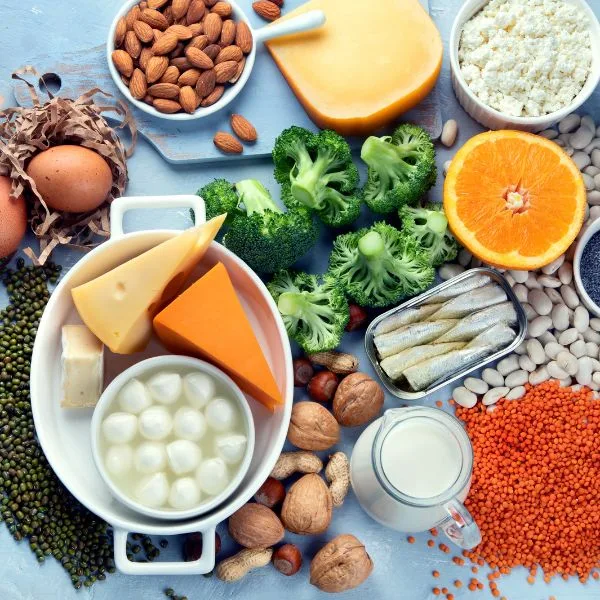
- Legumes: Beans (like chickpeas, lentils, cannellini beans), peas, and fava beans.
- Grains: Whole grains like farro, bulgur, barley, and couscous. Bread, especially whole grain or sourdough, is a staple.
- Fruits: Both fresh (like figs, grapes, and citrus) and dried fruits (dates, apricots).
- Seafood: Fish like sardines, tuna, cod, and shellfish are commonly consumed, reflecting the proximity to the sea.
- Meat: Poultry, lamb, and occasionally pork are used, but in smaller quantities compared to other cuisines. Red meat consumption is moderate.
- Nuts and Seeds: Almonds, walnuts, pine nuts, sesame seeds, and sunflower seeds.
- Dairy: Mainly in the form of cheese (like feta, halloumi, pecorino, Parmesan, and goat cheese) and yogurt, especially in Greece and Turkey.


Cooking Techniques:
- Grilling: Especially for fish, meats, and vegetables.
- Roasting: Often used for vegetables to bring out their sweetness.
- Simmering: Soups, stews, and sauces are common, allowing flavors to meld over time.
- Baking: Breads, pastries, and pizza (like Italy’s Neapolitan pizza) are integral.
- Steaming: For vegetables and fish, preserving nutrients and texture.
Dietary Patterns:
- High in Plant Foods: Emphasis on vegetables, fruits, legumes, nuts, and whole grains.
- Healthy Fats: Predominantly from olive oil but also from fish (omega-3 fatty acids) and nuts.
- Moderate Wine Consumption: Often with meals, particularly red wine.
- Meals Structure: Breakfast might be light, lunch is typically the largest meal, and dinner is lighter but shared with family or friends, emphasizing social eating.
Cultural Aspects:
- Meals as Social Events: Eating together with family or friends is common, with meals often taking longer due to multiple courses or tapas-style servings.
- Seasonal and Local Foods: There’s a strong tradition of using seasonal produce and locally sourced ingredients, which contributes to the freshness and variety of dishes.
Signature Dishes:
- Greece: Moussaka, Greek salad, spanakopita, dolmades.
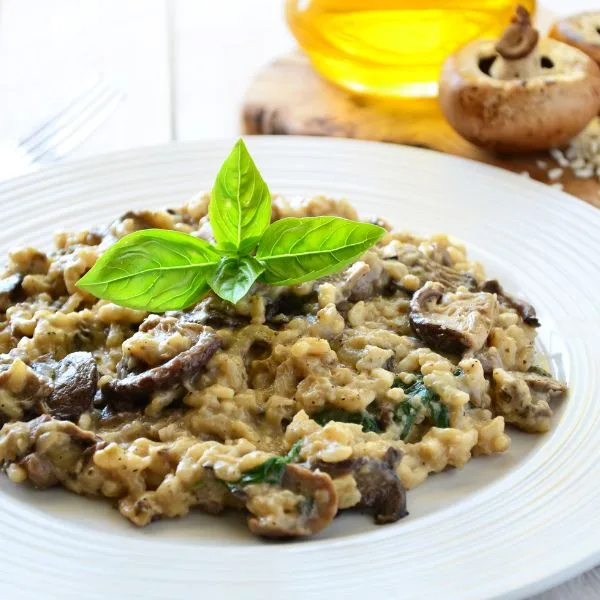
- Italy: Pasta dishes like pasta alla Norma, risotto, minestrone, and various pizzas.
- Spain: Paella, tapas like patatas bravas or gambas al ajillo, gazpacho.
- Turkey: Meze, kebabs, baklava, and pilafs.
- Lebanon: Hummus, tabbouleh, baba ganoush, kibbeh.
Mediterranean cooking isn’t just about specific dishes but embodies a lifestyle where food is enjoyed in moderation, with an emphasis on fresh, wholesome ingredients, balanced flavors, and communal dining. This diet has been associated with numerous health benefits, including reduced risks of heart disease, certain cancers, and other chronic conditions.
How does the geography, history, culture and climate of the mediterranean impacts the eating of mediterraneans?
The Mediterranean region’s eating habits are shaped by a complex interplay of its geography, history, culture, and climate
Ingredients
- Coastal Influence: The extensive Mediterranean coastline offers a sea rich in fish and seafood, influencing a diet where these foods are consumed regularly. This also leads to a tradition of fishing and a culinary focus on fresh, simply-prepared fish dishes.
- Mountainous and Hilly Terrain: Much of the Mediterranean landscape is rugged, leading to a reliance on hardy crops like olives, grapes, and grains that can grow in such environments. This terrain also necessitates terrace farming, preserving soil and allowing cultivation in otherwise challenging areas.
- Island Life: Many Mediterranean countries include islands where unique microclimates and isolation can result in specialized food cultivation and unique dishes.
History:
- Civilizations: Waves of civilizations—Greek, Roman, Arab, Ottoman, among others—have contributed to the culinary tapestry of the Mediterranean. Each left behind ingredients, cooking techniques, and dishes:
- Greek Influence: The use of olive oil, fish, and legumes.
- Roman Impact: The spread of viticulture across the empire, leading to a wine culture.
- Arab Contributions: Introduced rice, sugar, citrus fruits, and spices like cinnamon and saffron.
- Ottoman Legacy: Techniques for baklava, dolma, and the use of yogurt.
- Trade Routes: The Mediterranean Sea was a central hub for trade, introducing new foods and spices from Africa, Asia, and beyond, which were then integrated into local cuisines.


Culture:
- Social Eating: Mediterranean culture places a high value on meals as social events, where family and community gather, leading to a tradition of shared plates, long meals, and the importance of hospitality through food.
- Festivals and Traditions: Religious and cultural celebrations often have specific foods associated with them, influencing seasonal eating patterns and the development of sweet and savory specialties.
- Culinary Techniques: The respect for ingredients and simplicity in cooking reflects a cultural philosophy of enjoying food in its most natural form, which is evident in techniques like grilling, roasting, and the use of fresh herbs.
- Wine and Dining: Wine is not just a beverage but part of the cultural ritual of dining, often consumed in moderation as part of the meal.
Climate:
- Seasonal Diet: The distinct four seasons lead to a strong tradition of seasonal eating, where diets shift with the availability of fresh produce:
- Spring: Utilizes tender greens, artichokes, and asparagus.
- Summer: Focuses on fresh vegetables and fruits, like tomatoes, eggplants, peppers, and melons.
- Fall: Brings in the harvest of nuts, squashes, and root vegetables.
- Winter: Features preserved foods, legumes, and hearty grains like farro.
- Olive Oil and Grapes: The hot, dry summers are perfect for olive and grape production, which are both fundamental to the diet. Olives are harvested in late fall, and grapes in early fall for wine production.
- Preservation: The need to preserve food for the winter has led to a variety of techniques like sun-drying, pickling, curing, and fermentation, each adding to the flavor profile of Mediterranean cuisine.
- Fresh Herbs and Spices: The mild winters and sunny summers support the growth of a variety of herbs which are used fresh during the growing season or dried for year-round use.


Overall Impact:
- Balance and Moderation: The diet promotes a balanced intake of nutrients, with an emphasis on moderation, which aligns with historical and cultural practices of frugality and sustainability.
- Health and Longevity: The combination of these factors has contributed to the Mediterranean diet’s reputation for promoting health and longevity, influencing modern dietary recommendations.
- Cultural Identity: Food in the Mediterranean is not just sustenance but a crucial part of identity, with each region having its specialties that reflect its unique historical, geographical, and climatic conditions.
- Adaptability: Mediterranean eating habits show a remarkable adaptability to local conditions, which continues to evolve while still holding true to its core principles.
This holistic approach to food reflects not just what Mediterranean people eat but how and why they eat, weaving together the threads of geography, history, culture, and climate into a rich culinary tapestry.
Why is mediterranean cooking healthier than other types of cooking?
Mediterranean cooking is often considered healthier than many other types of cooking for several reasons:
Emphasis on Plant-Based Ingredients:
- High Intake of Vegetables and Fruits: These foods are rich in vitamins, minerals, antioxidants, and fiber, which can help lower the risk of chronic diseases.
- Whole Grains: Instead of refined grains, Mediterranean cooking often uses whole grains like bulgur, farro, or whole wheat pasta, which have more fiber, nutrients, and a lower glycemic index, aiding in blood sugar control and digestive health.
- Legumes: Beans, lentils, and chickpeas are dietary staples, providing protein, fiber, and a range of nutrients with minimal saturated fat.
Use of Healthy Fats:
- Olive Oil: Predominantly used in place of butter or other fats high in saturated fats. Olive oil is rich in monounsaturated fats, which are beneficial for heart health, and it contains antioxidants.
- Nuts and Seeds: These are not only sources of healthy fats but also provide protein, fiber, and micronutrients. They can help reduce bad cholesterol levels.
Moderate to Low Meat Consumption:
- Red Meat in Moderation: Red meat, which can be high in saturated fats, is consumed less frequently, reducing the intake of saturated fats and cholesterol.
- Fish and Seafood: Rich sources of omega-3 fatty acids, beneficial for heart and brain health, are consumed regularly.
Fish as a Primary Protein Source:
- Omega-3 Fatty Acids: The emphasis on fish like sardines, mackerel, and salmon provides anti-inflammatory omega-3s, which are good for cardiovascular health.
Dairy in Moderation:
- Cheese and Yogurt: When included, these are often in moderation, providing calcium and probiotics without excessive saturated fat.
Cooking Methods:
- Healthier Cooking Techniques: Methods like grilling, baking, roasting, and stewing are common, which require less added fats compared to frying. When frying is used, it’s often shallow frying, and olive oil is typically the fat of choice.
Seasoning and Flavoring:
- Herbs and Spices: Instead of heavy reliance on salt, Mediterranean cooking uses a variety of herbs (like basil, oregano, rosemary) and spices (like cumin, paprika, saffron) for flavor, reducing sodium intake.
Lifestyle and Eating Habits:
- Mindful Eating: The culture encourages meals to be enjoyed slowly and socially, which can lead to better digestion and satisfaction with less food.
- Wine in Moderation: When consumed, wine (particularly red wine) is usually in moderation and with meals, which can have cardiovascular benefits due to antioxidants like resveratrol.
Lower Processed Foods:
- Less Processed Foods: There’s a focus on fresh, whole foods rather than processed items, which often contain high levels of salt, sugar, and unhealthy fats.
Diversity of Nutrients:
- Nutritional Variety: The variety of ingredients used ensures a broad spectrum of nutrients, promoting dietary diversity which is key to a balanced diet.
Antioxidants:
- Rich in Antioxidants: Many ingredients like tomatoes, olive oil, red wine, and various fruits and vegetables provide antioxidants that combat oxidative stress and inflammation.
Whole Food Philosophy:
- Whole Foods: The diet prioritizes foods that are as close to their natural state as possible, which minimizes the intake of additives, preservatives, and other potentially harmful substances found in processed foods.
While Mediterranean cooking is generally healthier, it’s worth noting that the health benefits are maximized when it’s part of a lifestyle that includes physical activity, social interaction during meals, and overall moderation. No single food or cooking method can guarantee health; it’s the combination of these elements that contributes to the health benefits associated with the Mediterranean way of eating. However, these principles of Mediterranean cooking can certainly contribute to a healthier diet compared to many other culinary traditions that might rely more heavily on processed foods, higher meat consumption, or less healthy fats.
Other frequently asked questions about mediterranean cooking
What is the difference between mediterranean diet and mediterranean cooking?
While the term mediterranean diet is often used with the meaning of a broader lifestyle approach to eating, I use it here with the actual meaning of dieting with a mediterranean diet. So, what? Is it possible to diet and have a full blown fun way of dieting, too? Yes, it, is. And for this I invite you to read this article.
What are the main health benefits of the Mediterranean diet?
Benefits include:
- Decreased diabetes risk and better insulin sensitivity
- Reduced risk of heart disease and stroke
- Lower incidence of certain cancers
- Improved cognitive function and potentially lower risk of Alzheimer’s disease
- Better weight management and reduced obesity
How important are herbs and spices in Mediterranean cooking?
Extremely important! Herbs like basil, oregano, rosemary, thyme, and parsley, along with spices such as saffron, cumin, and paprika, are used extensively for flavor without relying on salt. They also provide health benefits due to their antioxidant properties.
What role does wine play in the Mediterranean diet?
Wine, particularly red wine, is often consumed in moderation, typically with meals. It’s thought to contribute to heart health when consumed in these amounts.

Is the Mediterranean diet expensive to follow?
The short answer is: apart from the olive oil and fish, no! So it depends on where you live. It is not necessarily expensive, especially if you live in an area where you can get olive oil and fresh fish easily. It focuses on whole, unprocessed foods which can be cost-effective, especially if you buy in season and locally. However, high-quality olive oil and fresh fish might increase costs.
Can you eat meat on the Mediterranean diet?
Yes, but red meat is consumed in moderation. Fish and seafood are more common, with poultry also included in moderate amounts. The diet encourages lean protein sources.
Is dairy a part of the Mediterranean diet?
Yes, but in moderation. Cheese, yogurt, and sometimes milk are consumed, often in smaller portions or as part of dishes rather than as primary foods.
Can you adapt the Mediterranean diet for vegetarians or vegans?
Absolutely. The diet naturally aligns well with vegetarian principles due to its emphasis on plant foods. If you are a vegans you will need to find alternative sources for nutrients typically found in animal products, like B12. But if you are a vegan I’m sure you know everything about it!
What are some common misconceptions about the Mediterranean diet?
- It’s only about eating: It’s also about lifestyle, including socializing over meals and physical activity.
- It’s all about pasta and bread: While these are included, the focus is on whole grains and balanced portions.
- You can’t have sweets: Mediterranean diets include desserts, but they are often fruit-based or made with honey and nuts, consumed in moderation.
How does Mediterranean cooking differ from region to region?
While the core principles are similar, each region has its specialties:
- Italy: More pasta and tomato-based dishes.
- Greece: Emphasis on olive oil, fish, and grilled meats.
- Spain: Known for tapas, seafood, and rice dishes like paella.
- North Africa: Use of couscous, tahines, and spices like cumin and coriander.
Are there any cultural practices associated with Mediterranean eating?
Yes, Mediterranean eating culture includes:
- Celebratory meals during festivals often feature traditional dishes and ingredients.
- Eating meals together as a family or with friends, fostering a sense of community.
- Taking time to savor food and eat slowly, which can aid digestion and satisfaction.