
The Comfy Italian Food of the Mushroom Season
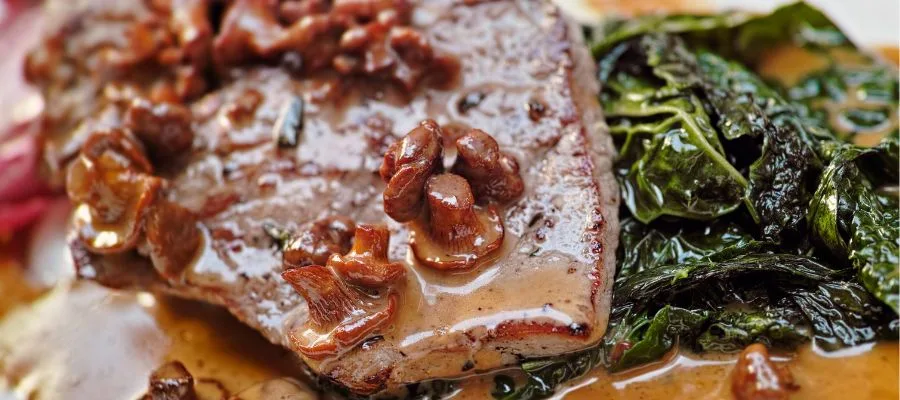
The Vitello al Marsala or Veal Marsala dish blends together the tender, delicate meat of veal with the deep, caramelized notes of Marsala wine. It’s a simple yet refined dish, originating from the island of Sicily. Here is where the sweet Marsala wine is produced and this dish captures the essence of its birthplace with every bite.
Recipe Card
Veal Marsala
This dish blends together the tender, delicate meat of veal with the deep, caramelized notes of Marsala wine and fragrant chewy mushrooms freshly picked in the fall.
Ingredients
- Veal Cutlets: 4, about 1 to 1.5 pounds, pounded to about 1/4 inch thickness
- Salt and Pepper: To taste
- All-purpose Flour: For dredging, about 1/2 cup
- Olive Oil: 2 tablespoons
- Butter: 2 tablespoons, plus more if needed
- Shallots: 2, finely chopped (or 1 small onion)
- Garlic: 1 clove, minced
- Marsala Wine: 3/4 cup, dry or sweet according to preference (replace with another dry nutty wine)
- Chicken or Veal Stock: 1/2 cup
- Mushrooms: 1 cup, sliced (button, cremini, or a mix). Frankly, any mushroom works!
- Fresh Thyme: A few sprigs or 1/2 teaspoon dried
- Heavy Cream: Optional, 1/4 cup for a richer sauce
- Fresh Parsley: Chopped, for garnish
Instructions
- Prepare the Veal:
Season the veal cutlets with salt and pepper.
Dredge each cutlet in flour, shaking off any excess. - Cook the Veal:
In a large skillet, heat the olive oil and 1 tablespoon of butter over medium-high heat.
Add the veal cutlets, cooking until golden brown, about 2 minutes per side for medium-rare. You might need to do this in batches to avoid overcrowding the pan. Remove the veal and set aside on a plate. - Make the Sauce:
In the same skillet, add the remaining tablespoon of butter. Sauté the shallots and garlic until softened, about 2 minutes.
Add the mushrooms and cook until they release their juices and start to brown, 4-5 minutes.
Pour in the Marsala wine, stirring to deglaze the pan, scraping up any browned bits from the bottom.
Let the wine reduce slightly, about 2 minutes, then add the stock and thyme. Bring to a simmer and cook for another 5 minutes to meld the flavors. - Finish the Dish:
If using cream, stir it into the sauce now. Cook for an additional 2-3 minutes until the sauce thickens slightly.
Taste and adjust seasoning with salt and pepper if needed.
Return the veal to the skillet, spooning the sauce over the cutlets to reheat them. - Serve:
Serve the veal immediately, garnished with chopped parsley. It's traditionally served with pasta, mashed potatoes, or polenta to soak up the delicious sauce.
Notes
- Pound the Veal: It will ensures even cooking and tenderness.
- Wine Choice: Use a good quality Marsala as it's key to the dish's flavor. Dry Marsala will give a more savory dish, while sweet Marsala will be richer and sweeter.
- Mushrooms: Feel free to use your favorite type or a mix for depth of flavor.
Here are some tips to turn your first time into a success:
Here are some very easy to follow but make a world of difference tips to ensure you make the best Veal Marsala and impress your family.
1. Quality of Ingredients:
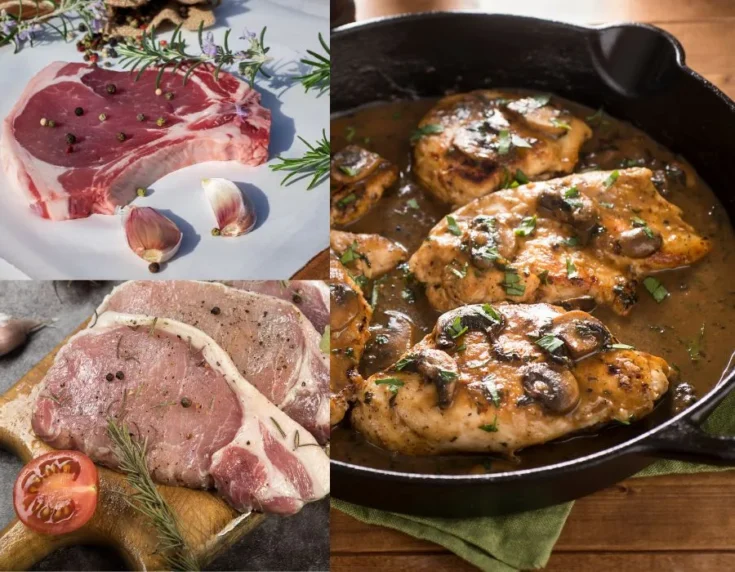
- Veal: Choose high-quality, fresh veal. Look for pink, moist, and firm cutlets.
- Marsala Wine: Use a good quality Marsala wine. The flavor of the wine significantly impacts the dish, so opt for a wine you’d drink, not just cook with.

2. Preparation:
- Pound the Veal cutlets to an even thickness. This ensures they cook uniformly and become very tender.
- Dredge: Coat the veal lightly in flour. This helps to achieve a nice browning and thickens the sauce. Shake off excess flour to avoid a pasty coating.
3. Cooking Techniques:
- Searing: Sear the veal in a very hot pan. This locks in the juices and flavor. Don’t overcrowd the pan; cook in batches if necessary to ensure each cutlet browns properly.
- Deglazing: After removing the veal, deglaze the pan with Marsala wine to capture all the flavorful bits stuck to the bottom. This is key to a deep-flavored sauce.
4. Sauce:
- Reduction: Allow the Marsala to reduce by at least half before adding the stock. This concentrates the flavor.
- Mushrooms: Use fresh, high-quality mushrooms. Sauté them until they release their moisture and start to brown for the best flavor.
- Thickening: If your sauce isn’t thickening as desired, you can either cook it longer to reduce it more or use a small amount of cornstarch or flour mixed with cold water (a slurry) to thicken it. However, as the flour from dredging should provide enough thickening I prefer to cook it longer, until it reaches the desired thickness organically.

5. Flavor Enhancements:
- Herbs: Fresh thyme or sage can elevate the dish, but use them sparingly. They should complement, not overpower.
- Cream: If you like a richer sauce, a touch of cream can be added at the end of cooking, but do this off the heat to prevent curdling.
6. Finishing Touches:
- Rest the Meat: Let the veal rest for a few minutes after cooking. This helps the juices redistribute within the meat, making it juicier.
- Garnish: Finish with fresh parsley for a burst of color and freshness.
7. Serving:
- Serve Veal Marsala immediately after preparation. The sauce should be warm and the veal tender when served.
- Accompaniments: Pair with something that can soak up the sauce, like mashed potatoes, polenta, or pasta.

8. Adjustments:
- Taste as You Go: Especially with the sauce, taste and adjust seasoning. Sometimes reducing the sauce more or adding a pinch more salt can make a big difference.
9. Non-Alcoholic Version:
- If avoiding alcohol, you can use a non-alcoholic fortified wine substitute or a combination of grape juice and a bit of vinegar for the acidity, but beware that only the wine is able to give the depth of the flavors the authentic recipe is famous for!
What can I replace the marsala wine with?
If you need to replace Marsala wine in a recipe like Veal Marsala, you have several options, each altering the flavor profile slightly but still providing a similar depth. Here are some alternatives:
1. Madeira Wine
- Similar in flavor to Marsala, Madeira is a fortified wine from the Madeira Islands. It’s a good direct substitute.
2. Dry Sherry
- Another fortified wine, dry sherry can mimic the nutty and dry taste of Marsala. Fino or Amontillado Sherry would work well.
3. Red or White Dry Wines with Sweeteners
- Red Wine: Use a dry red like Pinot Noir or Merlot and add a bit of sweetness with honey, sugar, or grape juice.
- White Wine: A dry white like Pinot Grigio or Chardonnay with a splash of balsamic vinegar for depth, and perhaps a touch of brown sugar or molasses for sweetness.
4. Port Wine
- While sweeter than Marsala, port can be used if you adjust the sweetness of the dish. You might need to reduce the amount of added sugar or skip it entirely.
5. Balsamic Vinegar or Grape Juice
- Balsamic Vinegar: Dilute with a bit of water or stock to reduce acidity, and you might need to add some sugar or honey to balance the flavor.
- Grape Juice: Combine with a tablespoon of brandy or cognac to add depth, but this won’t provide the alcohol’s cooking effect.
6. Chicken or Vegetable Stock with Vinegar or Lemon Juice
- This is for an alcohol-free version. The stock can replace the volume of Marsala, with a small amount of vinegar or lemon juice for acidity, and maybe some Worcestershire sauce for complexity.
Tips for Substitution:
- Quantity: Use the same amount of substitute wine or the combination as the recipe calls for Marsala.
- Cooking Time: Since these substitutes don’t have the same alcohol content to burn off, you might not need to cook the sauce as long to reduce it.
- Taste: Always taste as you go. You might need to adjust sweetness, acidity, or saltiness depending on the substitute used.
- Alcohol Content: If alcohol is a concern, ensure your substitute is non-alcoholic or cook off the alcohol by simmering longer.
Remember, each substitution will give a slightly different flavor, but these options can still result in a delicious dish that’s close to the original intent of Veal Marsala.
Which is the best meat for the authentic veal marsala recipe?
For Veal Marsala, you typically want to use:
- Veal Cutlets or Scaloppine: These are thin slices of veal cut from the leg or the top round. The key characteristics you’re looking for include:
- Tenderness: Veal from younger animals is more tender, which is ideal since veal marsala involves quick cooking methods like sautéing or pan-frying.
- Thickness: The slices should be thin, usually about 1/4 inch thick or less. If the cutlets are too thick, you’ll need to pound them to this thickness with a meat mallet or the back of a heavy pan. This not only tenderizes the meat but also ensures it cooks evenly and quickly.
- Leanness: Veal cutlets should have minimal fat. While a little marbling can add flavor, veal for dishes like Marsala tends to be leaner, providing a clean taste that complements the sauce.
- Veal Scallopini or Escalope: These terms refer to thinly sliced or pounded veal, often used interchangeably with cutlets for this dish.
Where to Buy:
- Butcher Shops: Specialty butcher shops often have high-quality veal cutlets, and they can cut and pound them to your specifications.
- Grocery Stores: Many larger supermarkets carry pre-sliced veal cutlets, though they might not be as fresh or of the same quality as those from a butcher.
Tips for Choosing:
- Color: Look for veal that is light pink, almost white. Avoid anything that looks too red, as that might indicate older calf meat, which won’t be as tender.
- Freshness: Fresh veal will have a mild, clean smell. If it has an off or strong odor, it’s not fresh.
- Packaging: If buying pre-packaged veal, check the date and ensure the packaging is intact, with no signs of leaking or puffiness, which could indicate spoilage.
- Ask the Butcher: Don’t hesitate to ask your butcher for recommendations on the best cut for Veal Marsala, and ask if they can prepare it for you by pounding it thin.
Remember, the quality of the veal will significantly affect the final dish’s tenderness and flavor, so choosing the right cut is crucial for an authentic Veal Marsala experience.
If you love all things mediterraneo like me, that means you will love these:
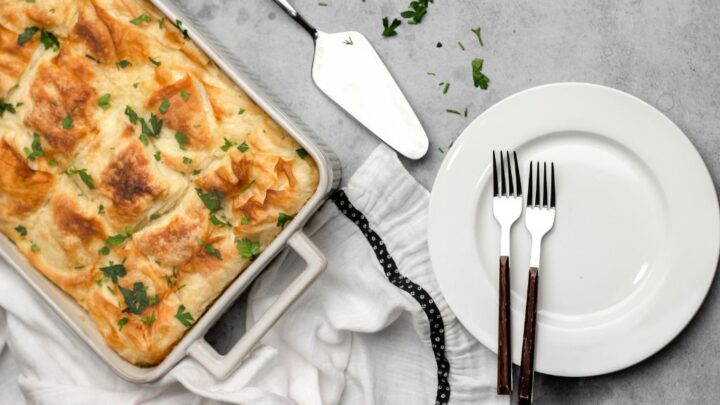
Spanakopita – Greek Spinach Pie
Risotto ai Funghi – Italian Mushroom Risotto


Fatayer – Lebanese Cheese Pies
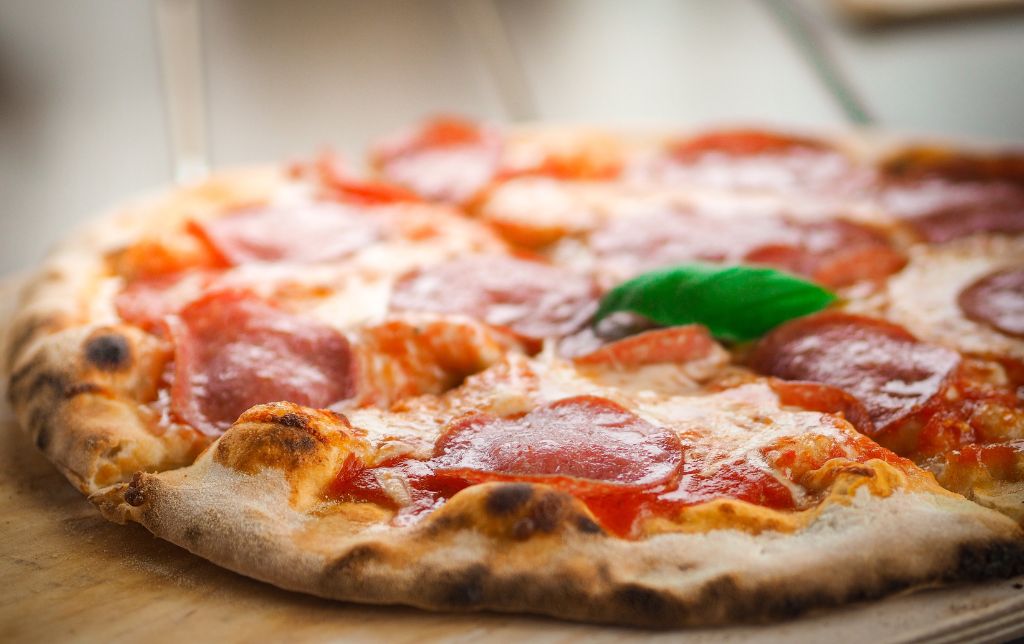
Pizza Napoletana – Italian Pizza the Napoli Recipe







Very good article. I certainly apreciate this site.
Just another great recipe! I love how you broke down the steps in your post—makes me feel like I won’t mess it up. And the pics are killing me—I’m already hungry just scrolling through.
You’ve got me excited to cook with wine thanks to this recipe; it feels so grown-up
You totally sold me on trying this out; that sauce with the mushrooms sounds amazing
your veal marsala recipe post has me drooling—it looks so easy and fancy at the same time!