Ciaramicola – the Easter Italian Red Cake
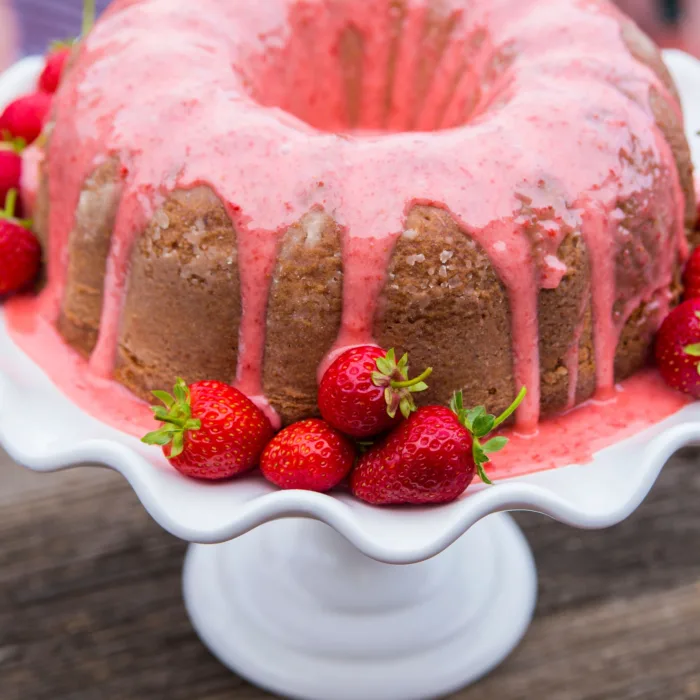
Ciaramicola is a traditional Easter cake from Perugia, Umbria, cherished for its vibrant red interior and snowy white meringue topping. This festive treat gets its distinctive color and flavor from Alchermes, a bright red liqueur, symbolizing the passion of Christ, while the meringue represents purity. Typically baked in a ring shape, it’s adorned with colorful sprinkles, adding a playful touch to its rustic charm. Made with simple ingredients like flour, eggs, and butter, it’s a soft, slightly dense cake that’s both a culinary delight and a cultural emblem of spring celebrations in central Italy. It’s often enjoyed with coffee or sweet wine, making it a perfect centerpiece for Easter gatherings.
The Authentic Ciaramicola Recipe Card
Ciaramicola
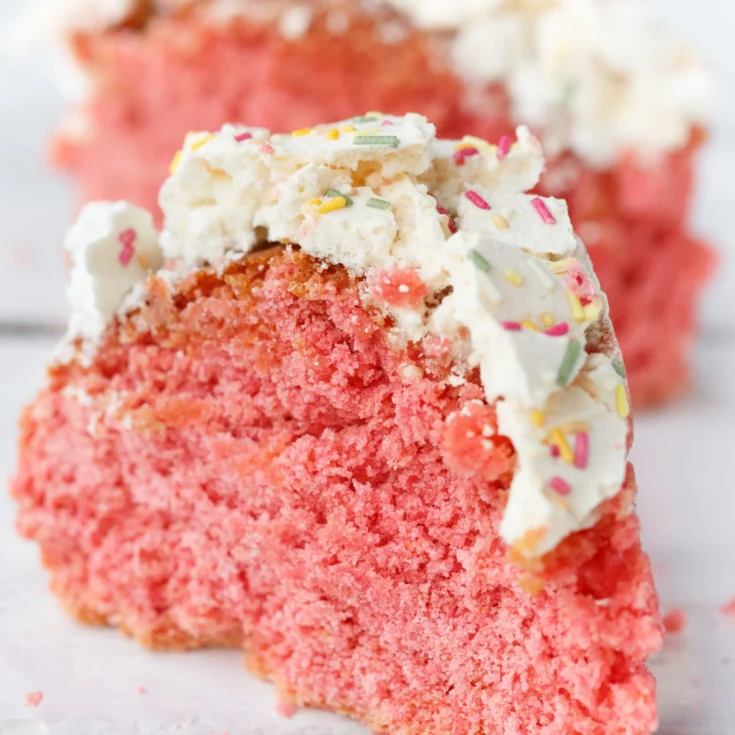
Here’s a straightforward recipe for Ciaramicola, the traditional Umbrian Easter cake from Perugia. It’s got that signature reddish hue from Alchermes liqueur, a soft texture, and a festive meringue topping with sprinkles. This version keeps it simple and authentic, perfect for a holiday treat.
Ingredients
For the Cake:
- 2 whole eggs
- 2 egg yolks (save the whites for the meringue)
- 200 g (1 cup) granulated sugar
- 80 g (⅓ cup) unsalted butter, melted and cooled
- 230 g (1¾ cups) all-purpose flour, sifted
- 1 packet (16 g or 4 tsp) baking powder
- 100 ml (⅓ cup + 1 tbsp) Alchermes liqueur (substitute with cranberry liqueur or cherry syrup with a splash of rum if unavailable)
- Zest of 1 lemon
For the Meringue Topping:
- 2 egg whites (from the yolks used above)
- 150 g (1¼ cups) powdered sugar
- A few drops of lemon juice
- Colored sprinkles (nonpareils or confettini)
Instructions
- Prep the Oven and Pan:
Preheat your oven to 180°C (350°F).
Grease and flour a 24 cm (9-10 inch) Bundt or ring pan—something with a hole in the middle works best for the classic shape. - Make the Cake Batter:
In a large bowl, beat the 2 whole eggs, 2 egg yolks, and granulated sugar with an electric mixer until light and fluffy—about 3-4 minutes. It should look pale and airy.
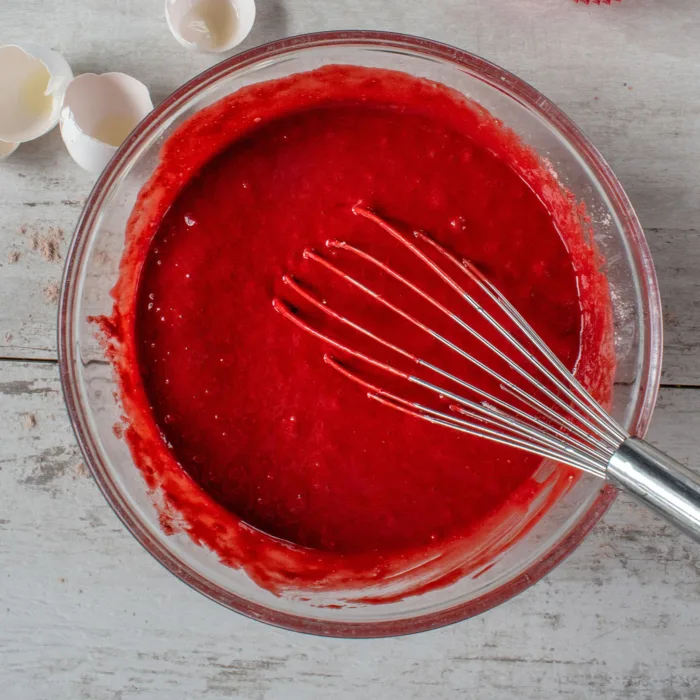
Slowly drizzle in the melted butter while mixing, then add the lemon zest and Alchermes liqueur. The batter will turn a vibrant reddish-pink.
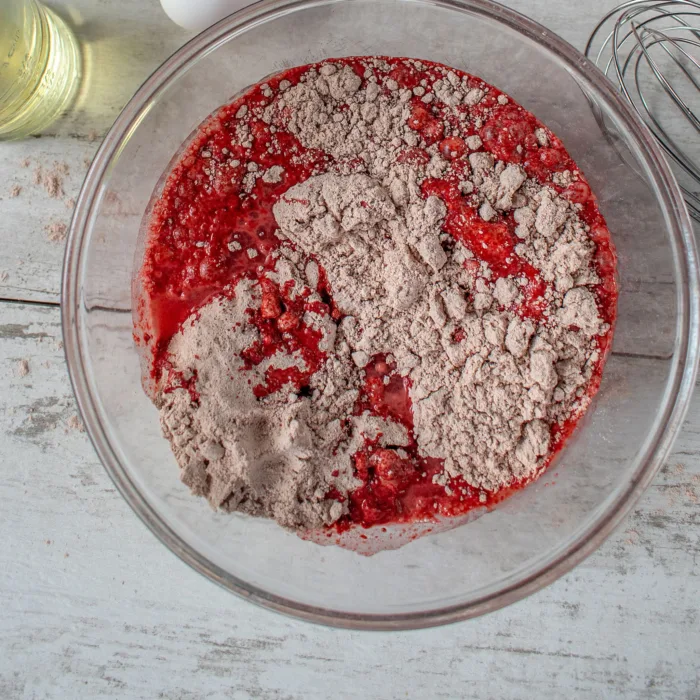
Sift the flour and baking powder together, then fold them into the wet mixture gently with a spatula or on low speed until smooth and lump-free. Don’t overmix—keep it tender. - Bake the Cake:
Pour the batter into the prepared pan, smooth the top, and bake for 40-45 minutes. Check with a toothpick—if it comes out clean, it’s done. Let it cool completely in the pan (about 1-2 hours) before moving on. - Prepare the Meringue:
In a clean bowl, whip the 2 egg whites with a few drops of lemon juice using an electric mixer until soft peaks form.
Gradually add the powdered sugar and keep beating until you get stiff, glossy peaks—about 5-7 minutes. It should hold its shape when you lift the beaters. - Decorate and Finish:
Spread the meringue over the cooled cake with a spoon or spatula, making little peaks for texture. Sprinkle the colored sprinkles on top while it’s still wet.
Pop it back in the oven at 90°C (195°F) for 35-40 minutes to dry the meringue—it should firm up but stay white. (If it’s nearly set, you can turn off the oven and leave it inside with the door cracked to finish drying.) - Serve:
Let it cool slightly, then carefully remove it from the pan. Slice and enjoy—it’s best fresh, maybe with a coffee or a glass of sweet wine.
Notes
- Storage: Keeps for 2-3 days under a cake dome at room temp; the meringue might soften over time.
- Alchermes Substitute: If you can’t find it, mix 80 ml cherry syrup with 20 ml rum or brandy for a similar vibe—color and flavor won’t be exact but close enough.
- Texture Tip: Don’t rush the cooling before meringue—it prevents a soggy top.
How does ciaramicola taste?
Ciaramicola has a unique taste that’s a little bit of everything—sweet, spiced, and bright, with a texture that ties it all together. The cake itself is soft and tender, with a subtle sweetness from the sugar and butter, but the star is the Alchermes liqueur, which gives it a warm, spiced flavor—kind of like hints of cinnamon, cloves, and a faint floral edge, all wrapped in a rosy hue. The lemon zest cuts through with a fresh, citrusy lift, keeping it from feeling too heavy. Then there’s the meringue topping—crisp on the outside, slightly chewy inside, adding a sugary crunch that contrasts the moist crumb. It’s not overly rich, more like a festive, aromatic treat that’s distinctly Umbrian and perfect for Easter!
How does ciaramicola smell?
I know I always say “it smells like Easter in a plate” or “it smells like nonna’s hair” but it’s true! Ciaramicola has a warm, inviting smell that hits you as soon as it’s baking or sliced. The Alchermes liqueur leads with a sweet, spiced aroma—think cinnamon, cloves, and a whiff of something floral, almost like a distant cousin to mulled wine. Then there’s the bright, zesty punch of lemon zest that cuts through, giving it a fresh, citrusy lift. The buttery cake base adds a subtle, cozy richness, while the meringue, once it’s drying, brings a faint sugary scent, like marshmallows toasting. It’s a mix of springtime cheer and holiday spice—distinctly Umbrian and hard to resist!
What’s the trick to make perfect Ciaramicola?
Making a perfect Ciaramicola hinges on nailing a few key steps that balance its unique look, texture, and flavor—those signature Umbrian traits like the rosy hue and fluffy meringue. Here’s the trick to getting it just right:
1. Whip the Eggs for Lift
- Why: The cake’s lightness depends on air. Beat the eggs, yolks, and sugar until they’re super fluffy and pale—4-5 minutes with a mixer. This traps air that baking powder alone can’t match.
- Trick: Use room-temp eggs—they whip up better—and don’t skimp on time. You want triple the volume before adding butter.
2. Get the Alchermes Glow
- Why: That pinkish-red color is Ciaramicola’s calling card. Alchermes (or your sub) needs to shine through without drowning the batter.
- Trick: Measure precisely—100 ml—and mix it in thoroughly after the butter but before the flour. If subbing (e.g., cherry syrup + rum), test a small batch first to ensure the color pops; too little, and it’s dull, too much, and it’s soggy.
3. Fold, Don’t Stir
- Why: Overmixing deflates the batter and toughens the cake by working the gluten.
- Trick: Sift flour and baking powder, then fold them in with a spatula using gentle, upward scoops—stop as soon as it’s smooth. Think of it like folding laundry, not stirring soup.
4. Cool Completely Before Meringue
- Why: A warm cake melts the meringue into a gooey mess instead of a crisp cap.
- Trick: Let it cool in the pan for at least 1-2 hours—pop it in the fridge for 20-30 minutes if you’re rushed, but room temp is best. Test the surface; it should feel cool to the touch.
5. Master the Meringue
- Why: The topping’s gotta be snowy, stiff, and not weepy—it’s the crowning glory.
- Trick: Whip egg whites with lemon juice to soft peaks before adding sugar slowly—tablespoon by tablespoon—so it dissolves fully. Beat to stiff, glossy peaks that hold a curl. Dry it low and slow (90°C/195°F) to keep it white; if it browns, drop the temp to 80°C next time.
6. Timing the Bake
- Why: Undercook, and it’s gummy; overcook, and it’s dry. The cake needs 40-45 minutes at 180°C (350°F).
- Trick: Start checking at 35 minutes with a toothpick—crumbs are fine, wet batter isn’t. If the top browns too fast, tent it with foil but don’t open the oven too early, or it’ll sink.
Bonus Touch
- Sprinkle Smart: Add sprinkles right after spreading meringue—they stick better when it’s tacky. Press lightly if needed.
- Rest It: Let the finished cake sit 30 minutes post-oven—the flavors settle, and the meringue sets fully.
The real secret? Patience – rushing any step (whipping, cooling, meringue) throws it off. Nail these, and you’ve got a Ciaramicola that’s soft, vibrant, and Perugia-proud—perfect for Easter or any table!

Why is Ciaramicola associated with Easter?
Its bright red-and-white colors—red from the Alchermes liqueur inside, white from the meringue on top—echo the resurrection themes of Easter, symbolizing life and purity, and they also match Perugia’s city flag, giving it local pride. Historically, it’s linked to a sweet old custom where young women baked it as a love token for their fiancés during Easter festivities, blending romance with the season’s renewal vibe. Plus, its rich ingredients—eggs, sugar, butter—fit the post-Lent celebration, when folks could finally indulge after weeks of fasting.
Can I make Ciaramicola in advance in preparation for Easter Sunday?
Yes, you can make Ciaramicola in advance for Easter Sunday, but timing and storage are key to keeping it fresh and pretty. The cake itself holds up decently, though the meringue topping is the trickier part—here’s how to pull it off:
Short-Term (1-2 Days Ahead)
- How: Bake the cake base (without meringue) on Friday or Saturday. Let it cool completely, wrap it tightly in plastic wrap, and store it at room temp in a cool, dry spot—away from heat or humidity. On Sunday morning, whip up the meringue, spread it on, add sprinkles, and dry it in the oven as per the recipe (90°C/195°F for 35-40 minutes).
- Why It Works: The cake stays soft and moist for a couple of days, and fresh meringue looks and tastes best—crisp outside, tender inside—without getting soggy or weepy.
- Pro Tip: If the Alchermes flavor fades slightly, brush a tiny bit more liqueur on the cake before meringue-ing it up.
Longer-Term (3-5 Days or More)
- How: Bake the cake fully (no meringue) up to a week ahead, cool it, wrap it in plastic wrap then foil, and freeze it. Thaw it at room temp on Saturday (takes 4-6 hours), then add the meringue and sprinkles Sunday morning, drying it fresh. Alternatively, bake and freeze it unglazed earlier in the month—March 19, 2025, is about 10 days before Easter (April 5), so you could do it now and thaw closer to the date.
- Why It Works: Freezing locks in the cake’s texture and flavor; the meringue added last keeps its wow factor. The lemon zest and Alchermes might mellow a bit, but they’ll still shine.
- Pro Tip: Slice it before freezing if you want grab-and-go portions—wrap each piece individually.
Bake Full Ciaramicola Cake in Advance? Not Ideal
- Why Not: If you finish it with meringue days ahead, the topping softens, weeps, or cracks by Sunday—especially in humid conditions. It’s edible but loses that perfect crunch and look. Max storage with meringue is 1-2 days under a cake dome, and even then, it’s a compromise.
- Workaround: If you must do it all early, make it Saturday, store it covered at room temp, and accept a slightly less crisp meringue by Sunday.
Best Plan to Bake Ciaramicola in Advance
For Easter Sunday (April 5, 2025), bake the cake base by Friday, April 3, store it wrapped at room temp, and do the meringue fresh Sunday morning. You’ll get that just-baked vibe—soft cake, vibrant color, and a meringue that pops. If you’re juggling a busy weekend, freeze it now (mid-March) and finish it closer to the day. Either way, it’s doable and delicious with a little planning!
How is Ciaramicola best paired and when is it served?
Beeing a versatile treat, ciaramicola pairs beautifully with drinks and moments that match its festive, slightly sweet vibe. Here’s how to enjoy it best:
Best Pairings
- Drinks:
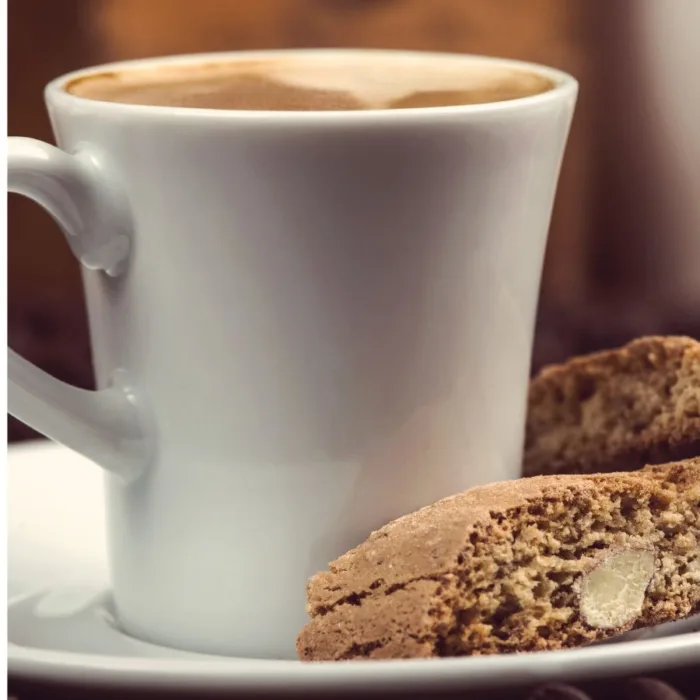
- Coffee or Espresso: A strong black coffee or a quick espresso cuts through the cake’s sweetness and balances the meringue’s fluffiness—perfect for a morning pick-me-up.
- Sweet Wine: Try a Umbrian dessert wine like Vin Santo or a light Moscato; their honeyed notes complement the Alchermes’ spice and the lemon zest’s brightness.
- Tea: A floral tea (like chamomile) or a citrusy Earl Grey works if you want something softer—keeps it cozy and light.
- Extras: It’s great solo, but a dollop of whipped cream or a dusting of powdered sugar can fancy it up for dessert. Some even pair it with a small scoop of vanilla gelato for a summery twist.
When It’s Served
- Easter Sunday: Traditionally, it’s a breakfast or brunch star on Easter morning—think slicing it up after Mass or during a family gathering to kick off the day’s celebrations. That’s when its red-and-white cheer really shines.
- Afternoon Snack: It’s also a classic for an afternoon coffee break or merenda, especially during the Easter weekend (Good Friday to Easter Monday). Locals in Perugia might nibble it while chatting or relaxing post-feast.
- Gifting Time: Tied to the old custom of giving it to fiancés, it might pop up as a sweet gesture anytime around Easter week—more casual sharing than a formal sit-down.
Why It Fits
The cake’s not too heavy, with that spiced kick from Alchermes and a tender crumb, so it’s flexible—morning, afternoon, or even a late-night bite. In Umbria, it’s less about rigid timing and more about enjoying it with loved ones during the holiday stretch. Pair it with something simple, and it’s a little taste of Perugia whenever you serve it!