Cartellate – Rose Shaped Pastries for Christmas
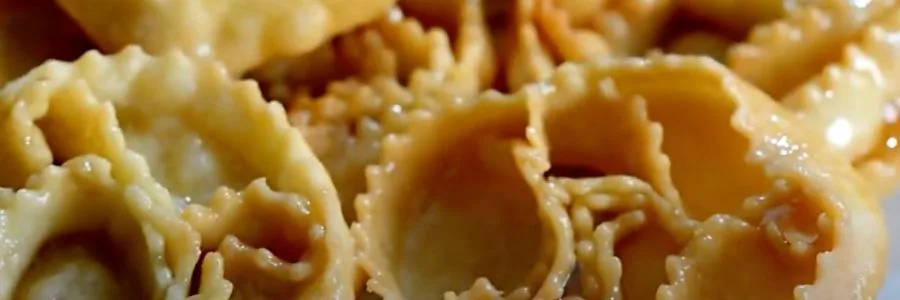
Cartellate are a traditional italian pastry, particularly popular in Puglia (a region in Italy) during the winter Christmas season. They are thin strips of dough that are twisted into a flower shape, then deep-fired until golden and crispy. Often, they are drizzled with vincotto, a sweet, thick syrup made from cooked grape must or of honey, enhancing their festive appeal.
The Authentic Cartellate Recipe Card
Cartellate
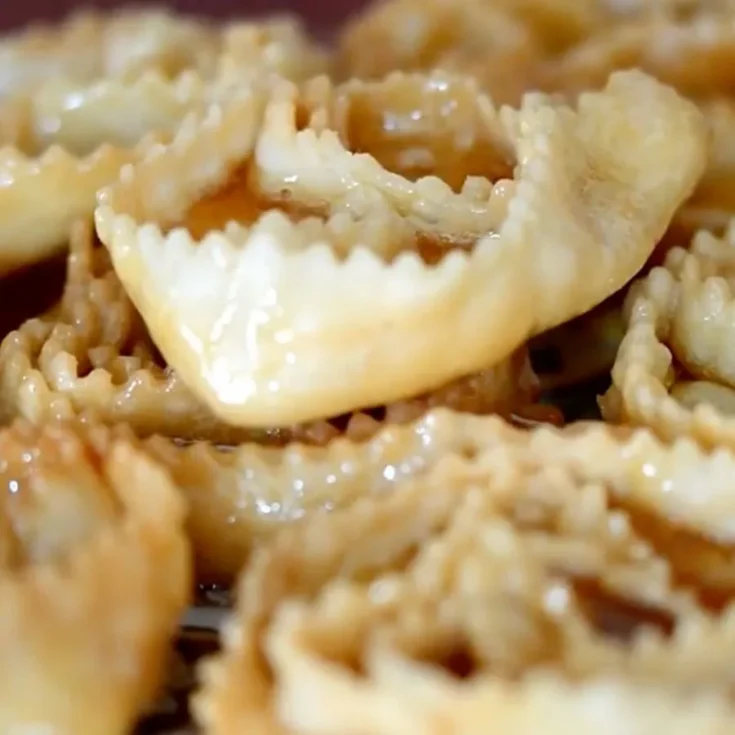
From Puglia, these are rose-shaped pastries made from thin strips of dough, deep-fried, and then doused in honey or vino cotto (cooked wine), sometimes with spices like cinnamon.
Ingredients
For the Dough:
- 500g of flour (preferably "00" flour)
- 200ml of white wine
- 50ml of extra virgin olive oil
- A pinch of salt
For the Syrup:
- 500ml of vin cotto or honey (vincotto is traditional but honey can be used as a substitute)
Instructions
- On a clean surface or in a large bowl, make a well in the center of the flour. Pour in the wine, olive oil, and salt.
- Mix until you form a dough. Knead it for about 10 minutes until smooth. If the dough feels too dry, add a little more wine; if too sticky, add a bit more flour.
- Let the dough rest covered for about 30 minutes.
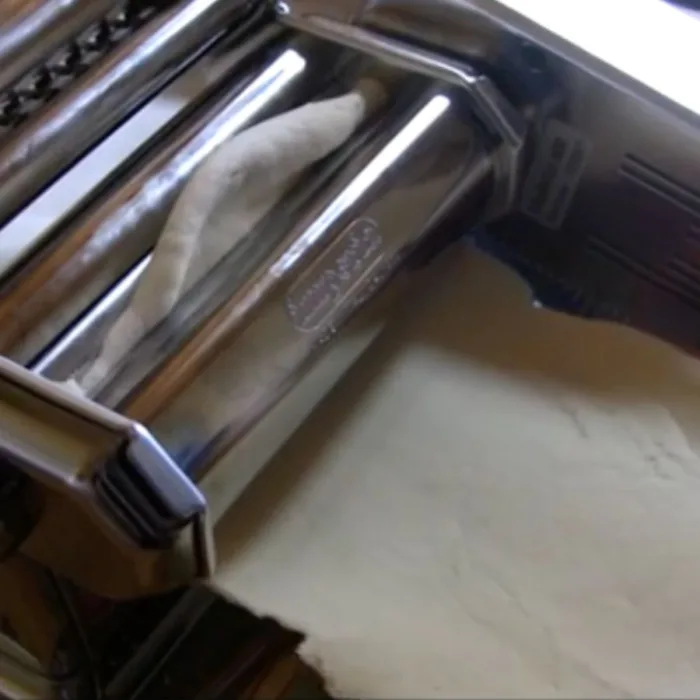
- After resting, use a pasta machine and pass it 2-4 times until it gets very thin (sheet of paper thin). If you don't have a pasta machine, you can roll it out very thinly on a floured surface, to about the thickness of a sheet of paper.
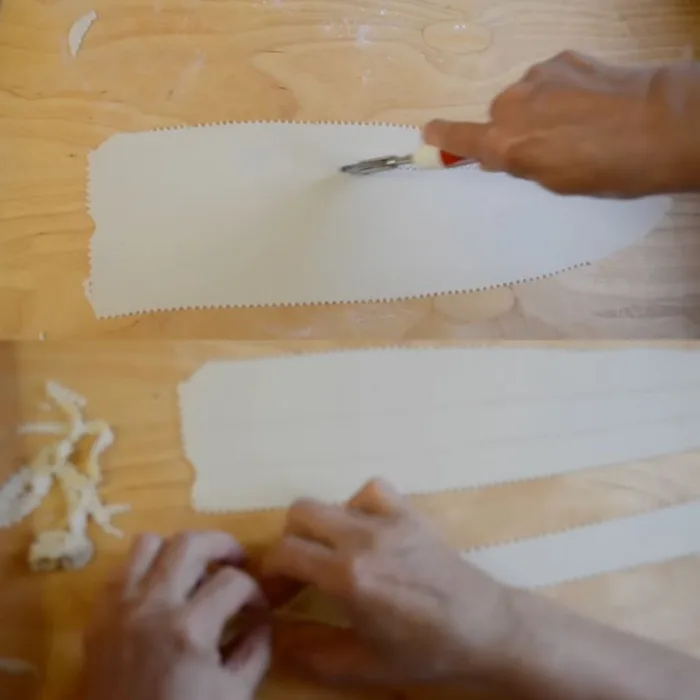
- With a pastry wheel, cut the dough into strips approximately 3-4 cm wide and 20 cm long.
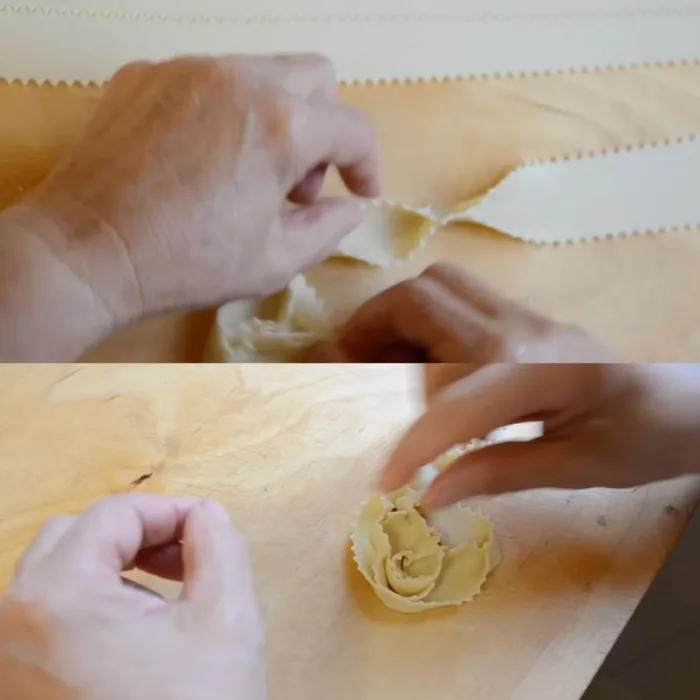
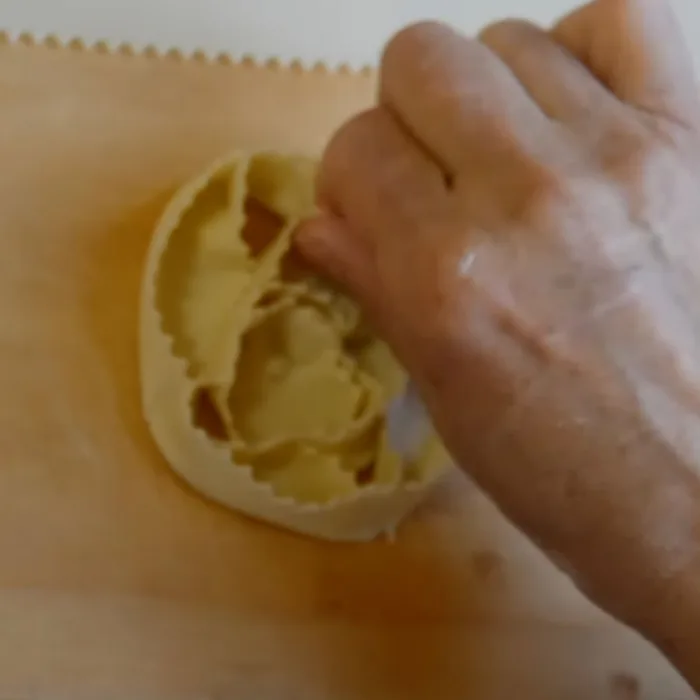
- Roll each strip into a spiral, pinching the end to secure it. The cuts should flare out to create the "petals" of the cartellate.
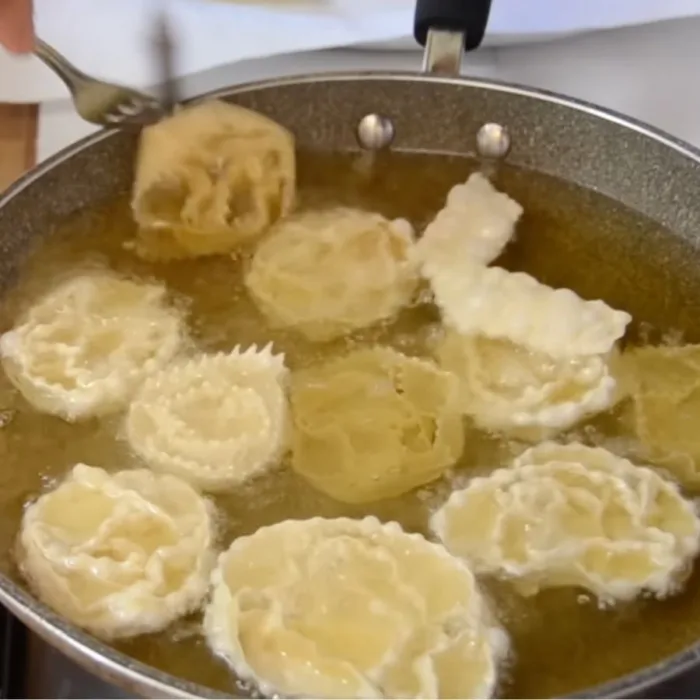
- Heat a generous amount of oil in a deep fryer or a deep pan to about 350°F (175°C). Fry the cartellate until they are golden brown on both sides, which should take about 2-3 minutes per side.
- Drain them on paper towels.
- Warm the vino cotto or honey until it's liquid enough to pour. Dip each cartellate into the syrup, ensuring they are well coated, then place them on a rack or plate to cool and let excess syrup drip off.
- Allow the cartellate to cool and set. They can be served immediately or stored in an airtight container for a few days.
Notes
- For a richer, fluffier texture, roll out the dough, brush it with a bit of oil, and fold it multiple times. This process will create more layers and improve the texture.
- If you're using a pasta machine, fold the dough and pass it through the machine 3-4 times first, and only after start to gradually thin it out into a very thin sheet (continuing to use the machine).
What can i do if i don’t have pasta mashine for cartellate
If you find yourself without a pasta machine but still wish to make cartellate, traditional methods can still yield the thin dough required. Here’s how you can approach it:
- First and most important: allow the dough to rest for about 30 minutes after kneading! This resting period makes the dough more pliable, facilitating the rolling process.
- Begin rolling the dough with a rolling pin. To achieve the almost paper-thin consistency needed for cartellate, you will need some patience. Start by rolling out a thicker piece of dough, then gradually reduce its thickness. Once you’ve rolled out a large piece, divide it into smaller sections for easier handling, continuing to roll each one thinner. Rolling the dough between two sheets of parchment paper or plastic wrap can help maintain an even thickness and prevent sticking. If you don’t have a rolling pin, a clean wine bottle can serve as an effective substitute. Ensure it’s free of labels that might tear the dough.
- After reaching the limit with your rolling tool, employ your hands to stretch the dough further. Gently pull on the edges, expanding the dough without tearing it. You need to be delicate and you might not get it right the first time. But you will master it by practice.
What can go wrong when making cartellate? Tips and tricks
Making cartellate, like any delicate pastry, can encounter several challenges. Here are some common issues and what can go wrong:
Dough Preparation and Shaping
- The balance of moisture in the dough is crucial. It needs to be firm but not hard. And not sticky! If it’s too soft or sticky, shaping becomes nearly impossible, and achieving the thinness needed for cartellate is challenging. Conversely, a dough that’s too dry will crack or tear, disrupting the delicate texture.
- Achieving an even thickness across the dough is pretty important in this recipe. An uneven roll can lead to parts of the cartellate being undercooked and doughy, while others might become overly crispy. The dough must be handled delicately to avoid tearing, particularly when aiming for the nearly transparent thinness that’s traditional.
- Crafting the iconic fluted edges of cartellate requires both skill and patience. Without the right technique, the shapes can fail to hold, potentially unravelling during the frying stage if not properly sealed. So you need to stick them together with patience, pressing the sheets fermly with your fingers. They will stick, you just need not to hurry!
Frying, Soaking and Storage
- The temperature of the oil must be meticulously controlled; too low, and the pastries absorb excess oil, becoming greasy; too high, and they might scorch on the outside while remaining uncooked inside. Overcrowding the frying pan can also lead to soggy results by dropping the oil temperature. In case you don’t have a termometer, you can estimate the oil heat by dropping in a small piece of dough. It should to simmer gently and withount instantly burning. It it doesn’t simmer, increase the heat. If it instantly burns, lower the heat and wait 1 minute.
- After frying, cartellate are soaked in syrup. The soaking must be just right – too much, and they lose their crispness, becoming overly soggy; too little, and they miss out on the distinctive sweet flavor that defines them. Sink them for 2-3 seconds in syrup and take them out, letting them rest on a rack.
- Storage them in an airtight container after and only after you let them drip all the surplus syrup on a rack for 20-30 minutes. Keeping them in a airtight container is necessary to preserve texture, but excessive syrup can counteract these efforts, leading to a less than ideal consistency.
- As with almost all Italian pastries, the type of flour used, ideally “00” flour, affects the dough’s elasticity and thinness. Substituting vino cotto with other syrups can also significantly alter the taste, but I gues it depends on you preferences too. I like it with vino cotto, I just save some in the fall to get me through the winter. You can do it yourself.


Can I make Cartellate in advance in preparation for the winter festivities season?
You can make them 1-2 days earlier and store them in a air tight container, but not more. These are of those desserts which taste best when they are fresh, and they only get soggier with time. I don’t recommend freezing them either, as they change texture. What you can do as preparation though, you can freeze the dough and get it out 1 day before. Let it defrost gently in the fridge until 1-2 hours before the rolling and shaping.
What if I don’t have vincotto?
You can use honey as a substitute! Or mix 2 parts honey and 1 part water or wine to mimic the vino cotto. It’s not gonna be perfect, but good enough!
This is how you make vino cotto (or vincotto, baked wine)
You can make your own vincotto by cooking down grape must (the juice obtained from freshely pressed grapes without any fermentation). Start with a large amount of grape must (you will need appx 5-7 kg of grapes to get appx 1 liter of vincotto). Simmer it over low heat for several hours. It needs to reduce until get to a thick, syrup consistency. No additional sugar or alcohol is needed. This is due to its natural sugars, which are abundant in grapes! The caramelize giving vincotto its sweet, rich flavor. Once it reaches the desired thickness, you can cool it and store it for later use in your pantry. It does not need refrigeration.
Note! when you press the grapes, DO NOT blend them! You need to pay attention not to crush the seeds as they are pretty alergic. There is no danger if you eat seeds, crushed or not, don’t worry. But if you crush too many, you might have a slight alergic reaction (redness of lips or around the mouth).
In what other dishes and desserts can I incorporate vincotto?
In Italy, due to its versatility, Vincotto is often a delightful addition to many recipes, bridging the gap between sweet and savory with its unique, concentrated grape flavor.
Sweet Diserts:
- You can drizzle over ice cream, panna cotta, or cheesecake for a rich, caramely sweetness.
- Use it in place of honey or mapel syrup in recipes for cakes, tarts, or muffins.
- Mix into fruit salads or compotes to add depth of flavor.
Savory Dishes:
- Reduce it further to make a syrup for braising meats or as a finishing touch on roasted vegetables.
- Use can you it as a glaze for meats like pork, duck, or game; it adds a sweet, tangy note that complements the richness of the meat.
- You can incorporate into dressings or marinades for salads or grilled vegetables, enhancing the overall taste with its complexity.
Is vincotto the same as vin brulé?
No, vino cotto is not the same as vin brulé.
- Vino cotto (literally “cooked wine” in Italian) is a type of syrup made by reducing grape must (freshly pressed juice from grapes) without fermentatio or with minimal fermentation. It’s concentrated, sweet, and often used in cooking or as a dessert topping. The process involves cooking the must down to a thick, syrupy consistency, which can take hours or days.
- Vin brulé (which translates to “burnt wine” in French, but is more commonly known as mulled wine in English) is actualy wine, spiced, boiled wine. It typically involves heating red wine with various spices like cinnamon, cloves, star anise and sugar. You can also add in it fruits like oranges or apples. This drink is popular in colder months due to its warming sensation and rich, spiced, Christmasy flavor.
What is the significance of cartellate?
As in many cultures, Italian food prepared for religious holidays carries symbolic meaning beyond its taste or nutritional value. Cartellate, with their connection to Christmas and their form, are an homage to the swaddling of Jesus, symbolizing the humility, simplicity, and love surrounding his birth.
The strips of dough used to make cartellate, which are then twisted and layered into a shape, evoke the image of the strips of cloth used to swaddle Jesus. This is why cartellate are a sample Christmas dessert in Puglia, celebrating the Nativity.