
Traditional Honey Balls Dessert in Italy (Struffoli) and Greece (Loukoumades)
The Christmas series of Mediterranean desserts continues with a sweet that can be found with slight differences both in Italy and in Greece. This can only show how the Mediterranean Countries are connected both in history and through their culinary traditions. These recipes have evolved over centuries, God knows how old they are, and have been crossing borders and blending cultures. Loukoumades in Greece and Struffoli in Italy are basically the same dessert, with only slight customary serving differences, that I will show you below.
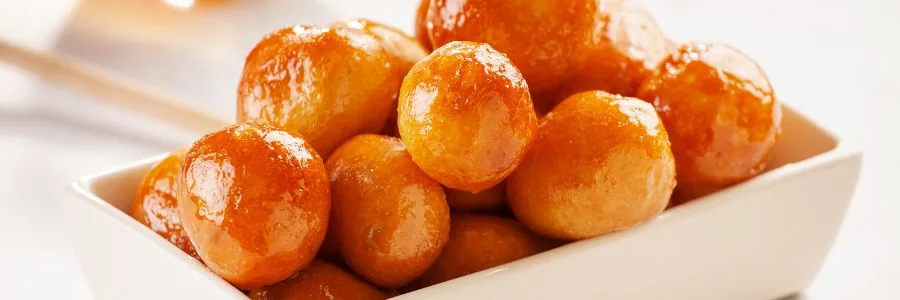
Recipe Card for Traditional Struffoli (the Honey Balls of Italy)
Struffoli
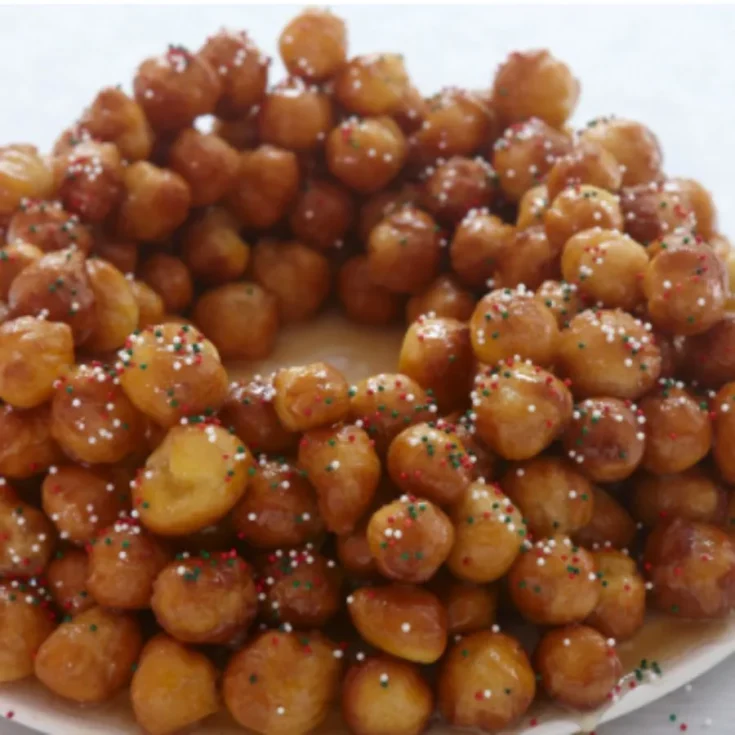
Here's a traditional recipe for Struffoli (Italian Honey Balls), reflecting the methods and ingredients commonly found in various Italian recipes:
Ingredients
- 2 cups all-purpose flour
- 3 large eggs
- 1/4 cup sugar
- 1/4 cup unsalted butter, melted (or lard for a more traditional taste)
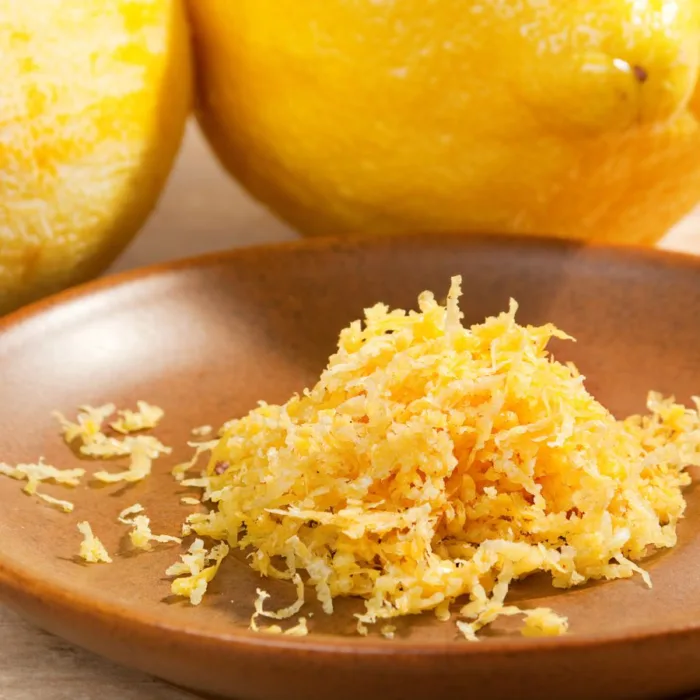
- Zest of 1 orange
- 2 tablespoons anise liqueur or rum (optional, can be substituted with orange juice or water for alcohol-free version)
- 1/2 teaspoon baking powder
- Pinch of salt
- Vegetable oil for frying
For the Honey Glaze:
- 1 cup honey
- 1/2 cup sugar
- Juice of 1/2 lemon (optional, for flavor balance)
- Colored sprinkles or nonpareils
- Candied cherries or orange peel for decoration (optional)
Instructions
- Prepare the Dough:
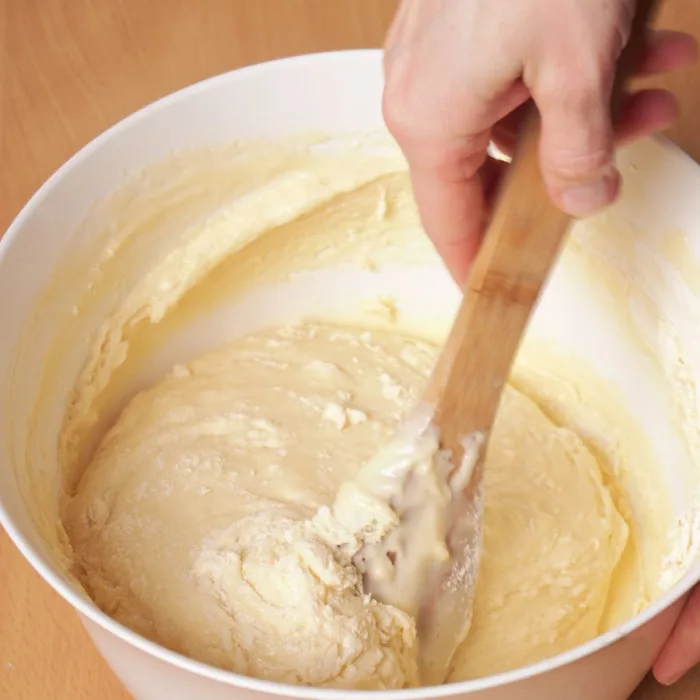
In a large bowl, mix the flour, sugar, baking powder, and salt.
Make a well in the center, add the eggs, melted butter, orange zest, and liqueur or substitute. Mix until you form a soft dough. If it's too sticky, add a little more flour; if too dry, add a touch more liquid. - Knead and Rest:
Turn the dough out onto a floured surface and knead until smooth. Cover with plastic wrap and let it rest for about 30 minutes. - Shape the Struffoli:
Divide the dough into several smaller pieces. Roll each piece into a rope about 1/2-inch thick. Cut into small pieces, then roll these into balls about the size of a hazelnut or slightly smaller. - Fry the Dough Balls:
Heat the oil in a deep pan or fryer to 375°F (190°C). Fry the dough balls in batches until they are golden brown, which should take about 2-3 minutes. Ensure not to overcrowd the pan. Use a slotted spoon to remove them to paper towels to drain. - Make the Honey Glaze:
While frying, combine honey, sugar, and lemon juice (if using) in a saucepan. Heat over low heat until the sugar dissolves and the mixture becomes syrupy, about 3-5 minutes. Be careful not to overcook as it can become too hard when cooled. - Coat the Struffoli:
Place the fried balls in a large bowl or directly into the honey mixture if it's in a wide pan. Pour the warm honey syrup over them or stir them in the pan until well coated. - Assemble and Decorate:
Lightly grease a serving platter or use a glass wrapped in parchment paper to create a wreath shape. Pile the honey-coated struffoli around the glass, or simply mound them into a pyramid. Sprinkle with colored sprinkles before the honey sets. Add candied fruit for decoration if desired. - Set and Serve:
Allow the struffoli to set for a couple of hours so the honey glaze hardens slightly. Remove the glass if you used one to shape them. Serve at room temperature.
Notes
Struffoli can be stored at room temperature in an airtight container for up to 3 days. Do not refrigerate as it will harden the honey glaze.
Here are some tips to turn your first time of making struffoli into a succes:
Dough Preparation:
- Room Temperature Ingredients: Use eggs and butter at room temperature for better dough consistency.
- Kneading: Knead the dough until it’s smooth but not overly tough. The texture should be elastic but not sticky.
- Rest Time: Let the dough rest for at least 30 minutes. This allows the gluten to relax, making the dough easier to work with and resulting in a better texture.
Shaping:
- Uniformity: Try to make the dough balls as uniform in size as possible for even cooking. They don’t need to be perfectly round but should be similar in size.
- Size: Keep the balls small; they will puff up when fried. The traditional size is about that of a hazelnut.
Frying:
- Oil Temperature: Oil should be maintained at around 375°F (190°C). If the oil is too hot, the outside will burn before the inside cooks; too cool, and they’ll absorb too much oil. This may sound difficult, especially when you don’t have a termometre (like me) but once you get experience you will see it’s not so difficult. I boil the oil at medium gas until it’s hot and then I slightly turn the heat down and keep it like that. It’s a good enough approximation.
- Fry in Batches: Don’t overcrowd the pan; fry in small batches to keep the oil temperature consistent and to prevent the struffoli from sticking together.
Honey Glaze:
- Quality Honey: Use flavory honey. The taste of the honey will significantly influence the overall taste of the struffoli. You will find below the honey used in each country.
- Gentle Heat: When heating the honey, do it gently to avoid burning the sugar. If the honey mixture becomes too hot, it might make the struffoli overly hard when cooled.
- Add Lemon Juice: A touch of lemon juice in the honey mixture can balance the sweetness and enhance the flavor.
Assembly and Presentation:
- Immediate Coating: Coat the struffoli with the honey syrup while they are still warm; this helps the syrup to stick better.
- Decorate Promptly: Add sprinkles or nuts right after coating with honey to ensure they stick.
- Shape: Traditionally, struffoli are shaped into a mound or wreath. Use a glass wrapped in parchment paper or a bundt mold to shape them if you desire a specific form.
Storage:
- Room Temperature: Store struffoli at room temperature in an airtight container. Refrigeration can harden the honey, making them less enjoyable.
- Reheating: If they’re not eaten fresh, you can reheat them slightly in the oven to soften the honey glaze before serving.
Variation:
- Flavor Variations: Experiment with different flavors in the dough, like lemon zest or anise seed. You will find below more information about the traditional flavors of both struffoli and loukoumades and their differences.


What can go wrong? The main pitfalls when making strufolli?
Dough Issues:
- Too Sticky or Too Dry: If the dough is too sticky, it will be hard to handle and shape. If too dry, it won’t come together properly. So you need to adjust the balance of liquid and flour. Add a bit more flour if it’s sticky, or a little more liquid if it’s dry. The dough should be soft but manageable.
- Overworking the Dough: Over-kneading can make the dough tough, leading to struffoli that are not as light and airy. So you will need to knead just until the dough is smooth. Let it rest to relax the gluten.
- Not Letting the Dough Rest: Without resting, the dough might not be easy to work with, leading to uneven shapes and textures. That is why the dough needs to rest for at least 30 minutes. This helps in achieving a better texture.
Frying Issues:
- Incorrect Oil Temperature: Too hot oil will burn the outside before the inside cooks, too cool oil will result in greasy struffoli. So if you don’t have thermometer, you will need to test with one ball before frying the batch. Keep an eye on the first few batches; if the oil heats up too quickly, lower the heat slightly.
- Overcrowding the Pan: When you fry too many struffoli at once the oil temperature may drop significantly, leading to uneven cooking. That is why it’s important to fry in small batches to maintain consistent oil temperature (be sure there is distance between your balls in the frying pan!).
- Not Draining Properly: If not drained well, struffoli can be soggy or overly greasy. For this you will need to use a slotted spoon to remove them from the oil and let them drain on paper towels.
Honey Glaze Problems:
- Honey Too Thick or Too Thin: This depends on which kind of honey you use. If it is cristalised (as with most natural honeys during winter time) it won’t coat uniformly. So you may heat the honey gently to thin it out, but don’t overheat! If still think, add a bit of water. Some use a combination of honey and sugar syrup for the right consistency. But you need to pay attention not make it too thin, as it won’t stick or c an make struffoli soggy.
- Overcooking the Honey: If the honey is overheated, it can turn into a hard, caramel-like substance when cooled, making struffoli difficult to eat. You need to keep a close eye on it and only heat it until the sugar dissolves or to the point where it’s easily pourable.
- Not Mixing Enough: If the struffoli aren’t thoroughly mixed with the honey, some will be dry while others overly sweet. You need to gently toss the struffoli in the warm honey mixture until evenly coated.
Presentation and Storage:
- Sticking Together: If struffoli cool down while stacked or packed too tightly, they can stick together. You can prevent this by allowing them to cool slightly before assembling, and if stacking, dusting with confectioners’ sugar between layers.
- Hardening of Honey: over time, the honey can harden, which can affect the texture. So, do not refrigerate; store at room temperature in an airtight container. If they harden over time, a brief warm-up can help.
Loukoumades – the other Christmas honey balls from mediterranean (Greece)
While struffoli from Italy and loukoumades from Greece share the concept of honey-drenched fried dough balls, they diverge in flavor; struffoli often incorporate spices like cinnamon and anise, whereas loukoumades might be flavored simply with honey or enhanced with a hint of sesame. These differences highlight the diverse culinary expressions of local preferences and spices in Mediterranean cultures, from the spiced, festive treats of Italy’s artsy cusine to the straightforward simplicity of Greek sciency cuisine.
…so here is the Greek Honey Balls Recipe Card:
Loukoumades Recipe Card
Loukoumades
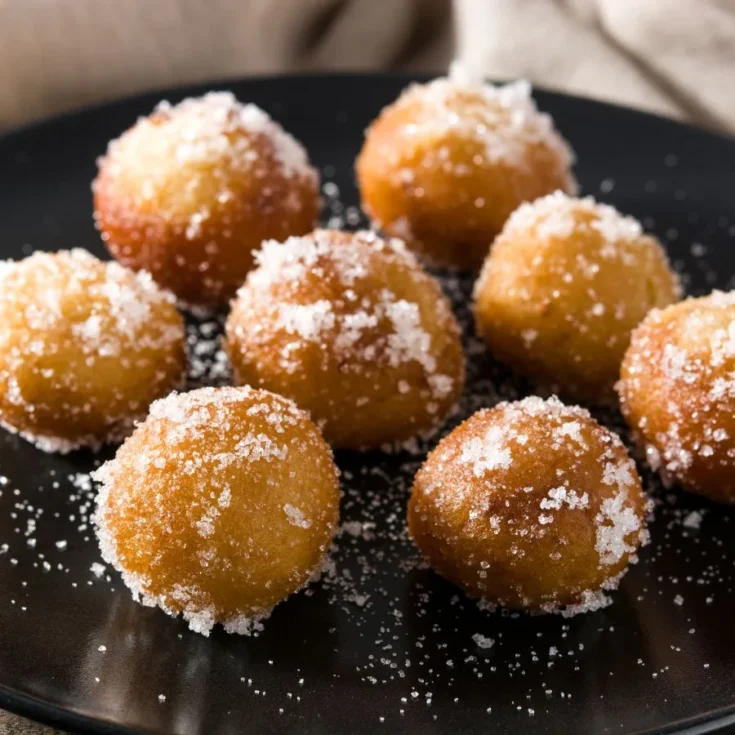
Here's a traditional recipe for Loukoumades, which includes eggs:
Ingredients
- 1 cup lukewarm water
- 1 package (2 1/4 teaspoons) active dry yeast
- 3 cups all-purpose flour
- 1 tablespoon sugar
- 1/2 teaspoon salt
- 2 large eggs, beaten
- 1 teaspoon vanilla extract (optional for flavor)
- Vegetable oil for frying
- Honey, for drizzling
- Cinnamon, for dusting
- Chopped nuts or sesame seeds, for garnish (optional)
Instructions
- Activate the Yeast:
In a small bowl, combine the lukewarm water with the yeast. Let it sit for about 5-10 minutes until it becomes frothy. - Prepare the Dough:
In a large mixing bowl, sift together the flour, sugar, and salt.
Create a well in the center of the flour mixture and pour in the yeast mixture, beaten eggs, and vanilla extract if using.
Mix until you have a smooth, somewhat sticky dough. If the dough feels too dry, add a little more water; if too wet, add a bit more flour. - Let it Rise:
Cover the bowl with a clean cloth or plastic wrap and allow the dough to rise in a warm, draft-free place for about 1 to 2 hours, or until it has doubled in size. - Heat the Oil:
While the dough is rising, heat vegetable oil in a deep fryer or a large, deep saucepan to approximately 350°F (175°C). - Form the Loukoumades:
Once the dough has risen, stir it down gently. Use two spoons or your hands to scoop small amounts of dough, roughly the size of a walnut, and carefully drop them into the hot oil. - Fry:
Fry the loukoumades until they are golden brown on all sides, turning them as needed. This should take about 2-3 minutes per batch. - Drain:
Use a slotted spoon to remove the loukoumades from the oil, letting excess oil drain back into the pan before transferring them to paper towels to drain further. - Serve:
While they are still warm, drizzle generously with honey. If you like, dust with cinnamon and sprinkle with nuts or sesame seeds.
What honey should I use for the Honey Balls?
The choice of honey in these recipes depends mostly on local availability and consequently, the specific regional recipe. That is why, in Italy Acacia honey is often favored for its versatility and sweetness that enhances without overwhelming. Italians value high-quality, pure honey for its flavor and texture, ensuring the struffoli have the perfect balance of sweetness and stickiness.
On the other hand, in Greece, bakers traditionally use thyme honey for loukoumades, especially if they’re looking for an authentic taste. Thyme honey, particularly from the island of Crete or other parts of Greece, is renowned for its distinct, aromatic flavor which comes from the bees foraging on wild thyme. This honey adds a rich, floral taste that complements the simplicity of loukoumades.
However, other types of honey are sometimes used:
Alternative honeys used in Italy and Greece:
What is the traditional flavour of struffoli?
The exact balance of sweet and spice flavors can vary slightly from one family or region to another, but the combination of sweet honey with the anise flavor is what most would consider the quintessential taste of struffoli.
The traditional flavor profile of struffoli is characterized by:
- Sweetness: From the honey that coats the fried dough balls, providing a sticky, sweet exterior.
- Anise: Often, anise liqueur or seeds are used in the dough, giving struffoli a distinctive, slightly licorice-like flavor. This is particularly traditional in some regions of Italy.
- Citrus: Lemon or orange zest might be included in the dough, adding a fresh, zesty note that balances the sweetness.
- Vanilla: Sometimes vanilla essence is added for a subtle aromatic sweetness that complements the other flavors.
Together, these elements create a dessert that’s sweet yet complex, with the anise providing a unique aromatic quality that’s quite traditional for struffoli.
What is the traditional flavour of loukoumades?
The celebrated ingredient in loukoumades is the ancient liquid gold itself: the honey! The cinnamon is only here to enhance the sweetness and aroma of the honey, and the sesame to give it depth. We can say that the essence of loukoumades lies in their simplicity – the dough itself is relatively neutral, allowing the flavors of the honey, only sometimes enhanced by cinnamon, to shine. The warm dough, with its crisp exterior and soft, airy interior, absorbs the honey, creating a delightful combination of textures and flavors that are both comforting and indulgent.
The traditional flavor of loukoumades is primarily defined by:
- Sweetness: The core flavor comes from the honey that is drizzled over the warm, freshly fried dough balls. This honey can vary, but thyme honey is especially favored for its aromatic depth.
- Cinnamon: Often, loukoumades are sprinkled with cinnamon, adding warmth and a spicy sweetness that complements the honey.
- Nuts: While not a flavor in itself, chopped nuts like walnuts or sesame seeds are traditionally used as a garnish, providing a textural contrast and a slight nutty flavor.
In some variations or regional recipes, you might find:
- Orange or Lemon Zest: Sometimes added to the dough for a hint of citrus, enhancing the overall flavor profile without overpowering the honey.
- Mastic: In some parts of Greece, especially on islands like Chios, mastic might be used in the dough for its unique, slightly pine-like flavor.
However, the traditional taste that most Greeks would recognize is the sweet, honey-drenched doughnut with a touch of cinnamon, celebrating the purity and quality of Greek honey.
Frequently asked questions for the first time cooks of Traditional Mediterranean Honey Balls:
Can struffoli be made without eggs?
Yes, you can make an eggless version by using a different binding agent like mashed potatoes or yogurt. However, the texture will differ.
What kind of honey should I use for struffoli?
If you don’t have the traditional ones used in Italy or Greece, use a honey that does not have an overpowering aroma, but a rather discreet one and that is not to hard. You can try your local wild flowers honey for a change!
Can I substitute anise liqueur with something else?
Yes, you can use vanilla extract, rum, or even orange juice for a different flavor profile. For an alcohol-free version, orange or lemon zest can add zest without the liquor. Moreover, you can use essential oils to enhance the aroma.
Why does my struffoli dough crack when rolling?
This could be due to insufficient resting time for the dough, which doesn’t allow the gluten to relax. Also, if the dough is too dry, it might crack.
How can I get my struffoli to puff up more?
Ensure your dough isn’t overworked, and the leavening agent (yeast) is fresh. Frying at the right temperature also helps in achieving a nice puff.
Can I bake struffoli instead of frying?
Baking struffoli isn’t traditional, but if you want to try, shape them and bake at 350°F (175°C) until golden. They won’t have the same texture but can be a healthier alternative.
What’s the best oil for frying struffoli?
Use oils with high smoke points like vegetable, canola, or peanut oil for best results. Olive oil can be used for flavor but impacts the smoke point! You need to pay attention for it not to get burned (which happens at around 180°C for olive oil).
Can I use sugar syrup instead of honey?
Yes, you can make a simple syrup (sugar and water) and flavor it with essences like lemon or orange. However, honey gives a unique taste and texture.
What are traditional toppings for struffoli besides sprinkles?
Chopped nuts (like almonds or hazelnuts), candied fruit, or even chocolate chips can be used. In some regions you might even find colored sugar or dragees.
How long do struffoli last?
They’re best fresh but can last for up to 3 days at room temperature in an airtight container. Over time, they might harden due to the honey.
Can I freeze struffoli?
It’s not recommended to freeze them after they’ve been coated with honey, as the texture can change. You can freeze the dough balls before frying, though.
Can struffoli be reheated?
If they’ve hardened, you can gently warm them in an oven at a low temperature to soften the honey glaze without melting the struffoli.
Is struffoli only for Christmas?
While very popular during the Christmas season, struffoli present any time of the year, especially at celebrations or family gatherings.
Are there regional variations of struffoli in Italy?
Yes, different regions might have their own twists on ingredients, shapes, or even names (like “cicerchiata” in Abruzzo), but the core concept remains similar.










Thanks for the push! Cleaning’s looking less daunting now.
Grazie Mary, I did not make them for Christmas but now, they are great!