Traditional Christmas Panforte – The Italian Spicy Mesmerizing Irresistible Dessert
When I say irresistible I don’t play with words just because! This Christmas cake will craze your smell buds first and foremost. Its combination of powerful spices fills the house with an incredible aroma. Once baked for Christmas, it will become the Christmas smell forever.
What I love most about this cake is that it completely changes the atmosphere in the house. When in oven, the kitchen will smell divine! Plus, it’s very versatile. Here is when you can really get creative and it’s almost impossible to get it wrong.
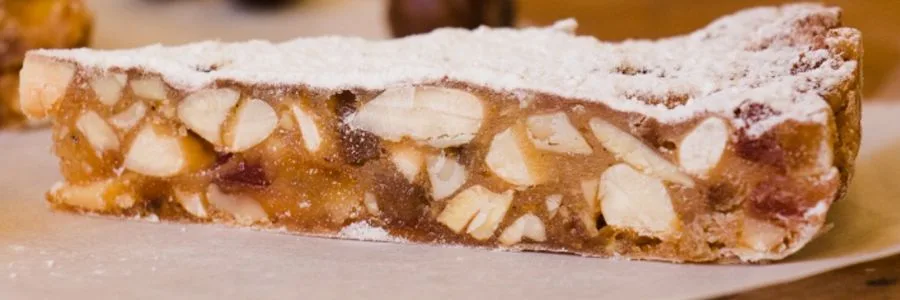
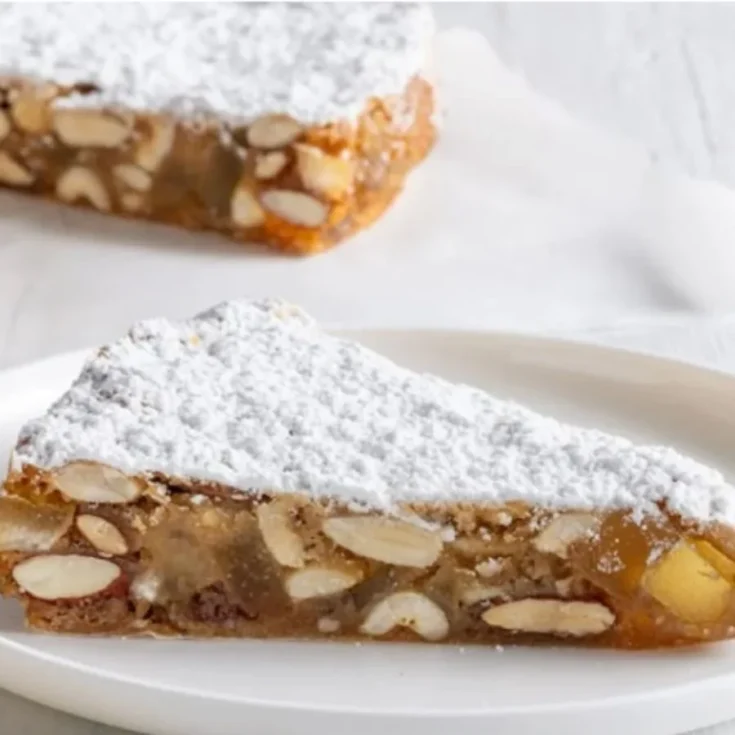
Recipe Card for Traditional Panforte (Hard Bread in Italian)
Panforte Margherita
Ingredients
For the Base:
- 150 g almonds, whole (skin on)
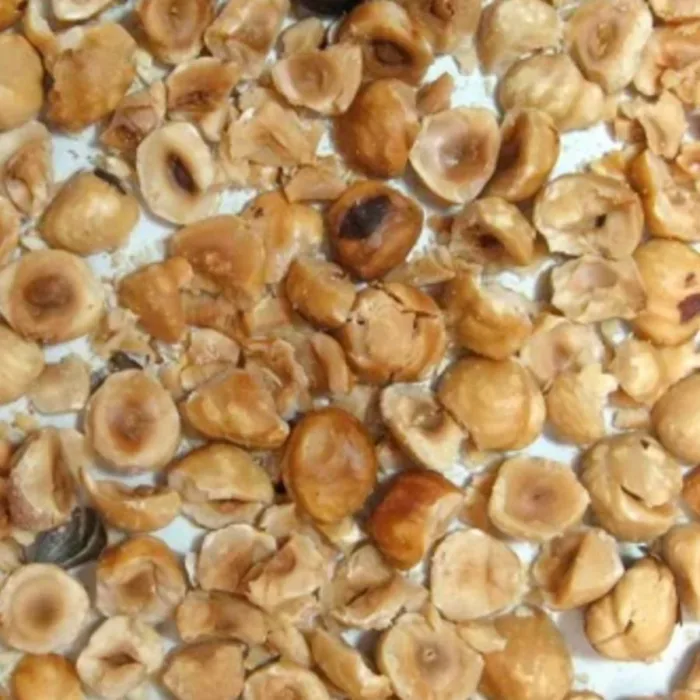
- 100 g hazelnuts, toasted and peeled
- 100 g candied citron peel, finely chopped
- 100 g candied orange peel, finely chopped
- 100 g dried figs, finely chopped
- 50 g all-purpose flour
- 1 teaspoon ground cinnamon
- 1/4 teaspoon ground nutmeg
- 1/4 teaspoon ground cloves
- 1/4 teaspoon ground coriander
- A pinch of black pepper or cubeb pepper (optional for traditional flavor)
For the Syrup:
- 150 g honey
- 100 g sugar
For Dusting:
- Confectioner's sugar (icing sugar) for dusting
Instructions
- Preheat your oven to 180°C (350°F). Spread the almonds and hazelnuts on a baking sheet and toast them in the oven for about 10 minutes until they are golden. Let them cool, then chop coarsely. If you haven't already, toast and peel the hazelnuts.
- In a large bowl, combine the cooled nuts with the chopped candied citron and orange peel, dried figs, flour, and all the spices (cinnamon, nutmeg, cloves, coriander, and pepper if using). Mix well.
- In a saucepan over low heat, combine the honey and sugar. Stir until the sugar has completely dissolved. Let it simmer gently for about 3 minutes, but do not let it boil vigorously.
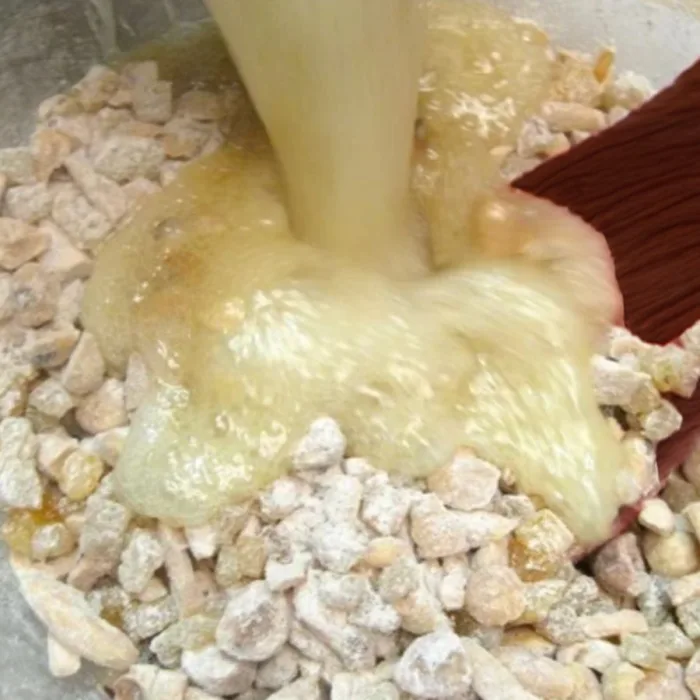
- Pour the hot syrup over the dry ingredients and mix thoroughly. The mixture will be very thick and sticky.
- Line the bottom of your pan with parchment paper or rice paper. If using rice paper, you can line the whole pan for an authentic touch and easier removal.
- Spoon the mixture into the prepared pan. Wet your hands with water to prevent sticking, and press the mixture down firmly to create an even surface.
- Bake in the preheated oven at 180°C (350°F) for about 30 minutes. The top should be a light golden brown, and the center should still be slightly soft. Be careful not to overbake to maintain the chewy texture.
- Allow the panforte to cool completely in the pan. Once cool, remove it from the pan. Generously dust the top with confectioner's sugar.
- Cut the Panforte Margherita into small wedges or slices. You can serve it with coffee, dessert wine, or as part of a Christmas dessert platter. It can be stored in an airtight container for several weeks, if not months, improving in flavor over time.
Notes
Storage: Struffoli can be stored at room temperature in an airtight container for up to 3 days. Do not refrigerate as it will harden the honey glaze.
Here are some tips to turn your first time of making panforte into a success:
1. Chose quality ingredients and prepare them with care
- In this very simple recipe, everything hangs on the flavor of the spices and the taste of the dried fruits and nuts. So make sure you use fresh nuts (beware of the rancid ones, it will ruin your pandoro).
- Roast nuts until they’re just golden to enhance flavor without burning. Keep an eye on them, as they can go from toasted to burnt quickly. Stir them occasionally for even roasting.
- Chop your nuts and fruits uniformly for an even texture. If using larger pieces, ensure they are well-distributed throughout the mixture.
- Be precise with your spices. They’re potent, and a little can go a long way. Adjust according to your taste, but start with the recipe’s measurements.
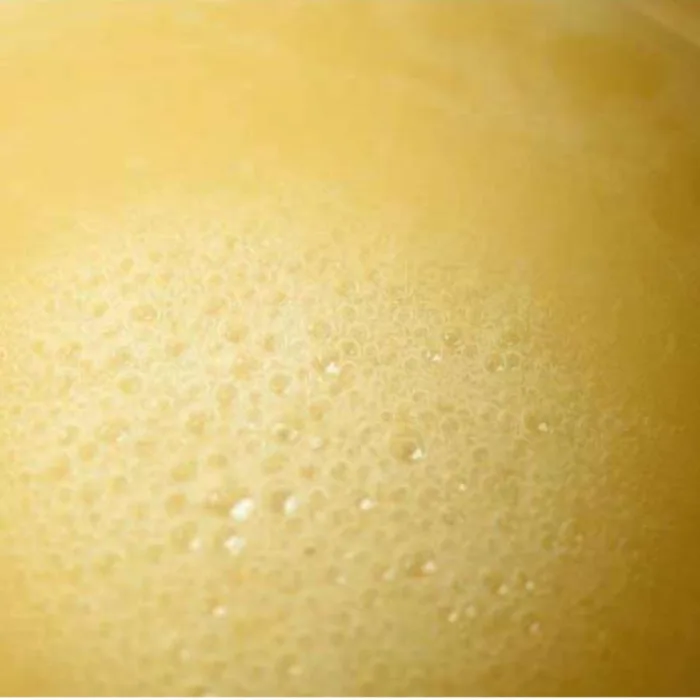
- Heat the honey and sugar mixture gently to avoid burning. Use a low heat setting, and stir occasionally. You want it to be thick but not caramelized.
- Work quickly when mixing the hot syrup with the dry ingredients. The mixture will become very sticky once the syrup is added, so have everything ready.
- Use rice paper (edible) to prepare the mold, for an authentic touch and easier unmolding. If using parchment, ensure it’s well-greased, especially at the edges.

2. Pay attention to the entire process:
- Press the mixture firmly into the mold to avoid air pockets and to ensure a dense, uniform texture. Make sure the mixture is spread evenly in the pan to avoid a lumpy texture. Wet hands or a spatula help in managing the stickiness.
- Keep an eye on the baking time. Panforte should be baked until set but still soft in the middle. Over-baking can make it too hard. To try if panforte is done you need to cut little pieces of it and taste it yourself. The skewer will not help you in this cake as this one needs to stay chewy and therefore, a little moist and sticky!
- Let it cool in the pan for a bit before unmolding to set the shape. If it’s too hot, it might collapse or stick. However, don’t let it cool completely in the pan if you’re not using rice paper, as it could become too hard to remove.
- Dust with powdered sugar while it’s still warm for better adhesion. Use a fine sieve for an even coat.
- Allow your Panforte to rest for at least a day before serving. This resting period helps the flavors meld together and the texture to firm up.
- Use a sharp, serrated knife to cut Panforte into small pieces. It can be quite dense, so a gentle sawing motion helps.
- Store in an airtight container. Panforte keeps well and often improves in flavor over time. Consider wrapping slices individually in wax paper to prevent them from sticking together.
What can go wrong? The main pitfalls when making pandoro?
Possible issues with preparing the ingredients
- Overcooked or Burnt Nuts: nuts can easily burn if left in the oven too long, leading to a bitter taste. So you need to watch them closely while toasting, and stir them to ensure even toasting.
- Syrup Issues: if the honey-sugar syrup is overcooked, it can caramelize too much, making Panforte too hard or burnt tasting. So, cook the syrup on low heat, stirring constantly, and remove it from heat once it starts to thicken but before it darkens significantly! If it got dark, you need to make another one. Otherwise, you will break this one with a hammer, or you will break your teeth 😉
- Too Dry or Too Sticky: If the balance of dry and wet ingredients isn’t right, your Panforte can end up either too dry and crumbly or excessively sticky. Even if you stick closely to the recipe, keep a close eye on the mixture. The moisture content of the candied fruits, in particular, plays a significant role in this balance. If it’s too dry, you might want to add a bit more honey. If it’s too wet, a small amount of extra flour could help, but add it sparingly.
- Spice Overpowering: Overdoing it with spices can give your Panforte a medicinal taste instead of a delightful flavor. It’s advisable to begin with the spice quantities suggested in the recipe and then adjust to taste. When making adjustments, add spices in tiny increments. A little can change the flavor profile significantly, so it’s easy to go from just right to too much.
- Dusting with Sugar: if you dust with powdered sugar when the Panforte is too cool, the sugar might not stick well.
- Flavor Development: Do not expect immediate peak flavor as the Panforte often improves over time. So wrap and let it rest for at least a day. The flavors meld and intensify, and the texture firms up.
Potential issues with the texture:
- Inconsistent Texture: if the nuts and fruits aren’t chopped uniformly, you might end up with an uneven texture. So take care that all ingredients are chopped to similar sizes for consistency.
- Baking Time: if you bake it for too long can make it rock-hard, while underbaking leaves it too soft or gooey. So you need to bake just until the center is set but still a bit soft. Remember, it will firm up as it cools.
- Unmolding: the cake can stick to the pan if not properly lined or if left to cool completely in the mold. To prevent this you may use rice paper. Otherwise take care to grease thoroughly the parchment. Unmold while still warm but not hot to avoid sticking.
- Incorrect Cooling: Cooling too quickly or in a drafty area can affect texture. Cooling too slowly in the mold can make it stick. So, let it cool slightly in the pan, then move to a wire rack to cool completely. Remove the parchment while still warm.
- Cutting Difficulties: Panforte can be very firm and challenging to cut without crumbling. So you will need a sharp, serrated knife in a sawing motion, and consider chilling the Panforte slightly before cutting for cleaner slices.
- Storage Issues: If not stored properly, Panforte can dry out or absorb moisture, affecting its texture. So, store in an airtight container. If it gets too hard, a slice of apple or bread can add moisture, but use this method sparingly.
Panforte Nero – the Christmas Desert from Sienna
You might think that since it’s called “nero” (black), this dessert is all about chocolate, but that’s not the case. The traditional Panforte Nero, which Italians have been crafting for centuries, earns its name from the black pepper it contains, not chocolate. This gives it a unique brown-blackish hue, thanks to the abundance of figs and other brown spices, mixed with that distinctive pepper.
The spices blend is really unique and combines many flavors into a mesmerizing bouquet:
- the cinnamon which provides warmth and sweetness, making it a foundational spice in this blend.
- the nutmeg that adds a sweet, nutty flavor that complements the cinnamon and other spices.
- the coriander who introduces a slightly citrusy, floral note which can cut through the richness of the nuts.
- the cloves which offer a sharp, pungent flavor (Use sparingly as they can easily overpower!)
- the pepper – for a subtle heat or bite. Start with less, as it’s strong! But what it would be great was if you could find cubeb pepper
…so here is the Panforte Nero Recipe Card:
Panforte Nero Recipe Card
Panforte Nero
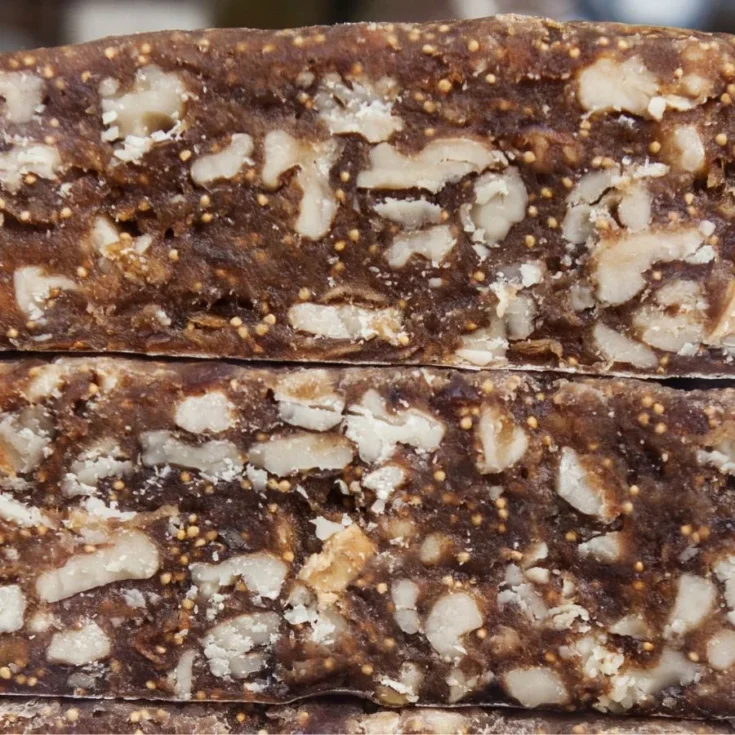
This recipe reflects the traditional approach to making Panforte Nero, emphasizing the dark, spicy, and dense nature of this Tuscan treat.
Ingredients
For the Base:
- 150 g almonds, whole or coarsely chopped
- 100 g hazelnuts, toasted and peeled, coarsely chopped
- 100 g walnuts or pine nuts (optional for variation)
- 100 g candied citron or orange peel, finely chopped
- 100 g dried figs, finely chopped
- 50 g all-purpose flour
- 3 tablespoons unsweetened cocoa powder
- 1 teaspoon ground cinnamon
- 1/2 teaspoon ground black pepper (1 teaspoon of cubeb pepper if you have)
- 1/4 teaspoon ground nutmeg
- 1/4 teaspoon ground cloves
- A pinch of ground coriander (optional)
- A pinch of ground ginger (optional)
For the Syrup:
- 150 g honey
- 100 g sugar
For Dusting:
- Cocoa powder for dusting (instead of confectioner's sugar for Panforte Nero)
Instructions
- Preheat your oven to 180°C (350°F). Spread the almonds, hazelnuts, and walnuts (if using) on a baking sheet and toast them until they are golden, about 10 minutes. Let them cool, then chop them coarsely.
- In a large bowl, mix the toasted nuts with the chopped candied peel, figs, flour, cocoa powder, and all the spices (cinnamon, black pepper, nutmeg, cloves, and optional coriander and ginger).
- In a saucepan over low heat, combine the honey and sugar. Stir until the sugar has completely dissolved. Let it simmer gently for about 3 minutes, avoiding boiling too vigorously.
- Pour the hot syrup over the dry ingredients and mix thoroughly. The mixture will be very thick and sticky.
- Line the bottom of your pan with parchment paper or rice paper. If using rice paper, you can line the whole pan for an authentic touch and easier removal.
- Spoon the mixture into the prepared pan. Wet your hands with water to prevent sticking, and press the mixture down firmly to create an even surface.
- Bake in the preheated oven at 180°C (350°F) for about 30-35 minutes. The center should still be slightly soft when done; do not overbake to preserve the chewy texture.
- Let the panforte cool completely in the pan. Once cool, remove it from the pan and dust generously with cocoa powder for the "nero" or black effect, rubbing it into the surface.
- Serve Panforte Nero in small slices or wedges, ideally with coffee or a sweet wine. It can be stored in an airtight container for several weeks, with its flavor improving over time.
Notes
- Panforte Nero, unlike its lighter cousin Panforte Margherita, uses cocoa powder for both flavor and its characteristic dark appearance.
- Black pepper is a key ingredient giving it its "nero" or "pepato" (peppered) name, though modern recipes might use less to suit contemporary palates.
- The nuts can be varied; traditional recipes might include pine nuts, but almonds and hazelnuts are staples.
- If you find your mixture too dry, you might need a touch more honey; if too wet, a bit more flour can be added, but handle this with care.
Notes about the original recipe
- in the traditional recipe (and sometimes you can find it in Italy even today) the candied fruits use were predominantly candied melon and just a bit of candied orange peel or citron
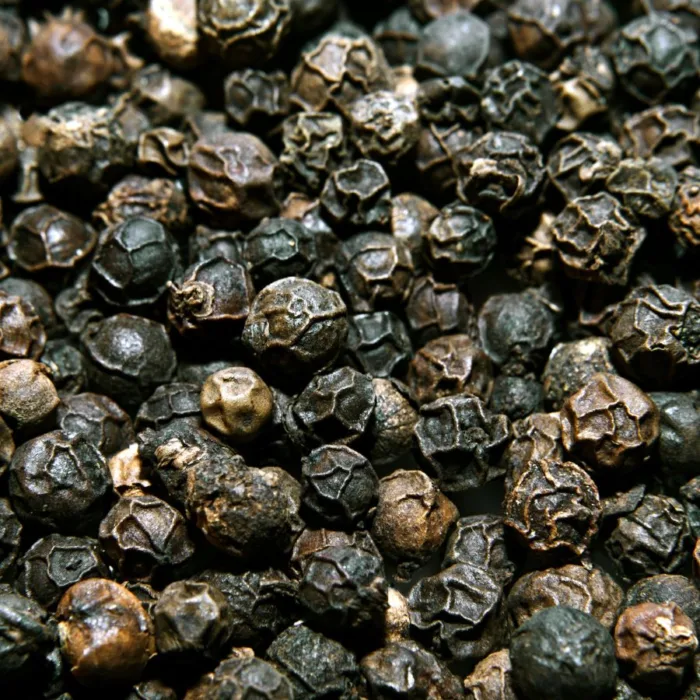
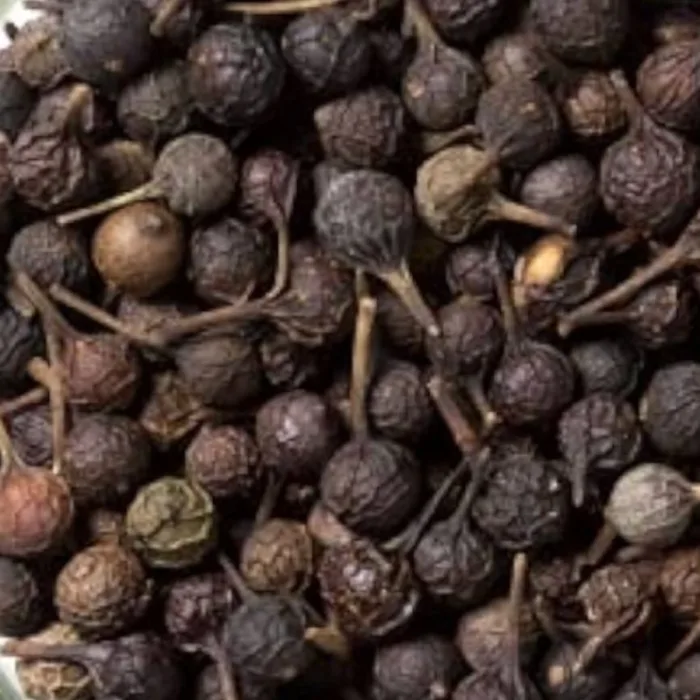
- also in the traditional recipe instead of black pepper the cubeb pepper was used. I wholeheartedly recommend this pepper, since it has a slightly different, more reach flavor and brings richness to the cake:
- known as Java or tailed pepper, it is mainly grown in Indonesia, particularly Java and Sumatra
- Cubeb berries have a distinctive “tail” or stalk attached, giving them a unique look compared to other peppercorns which are round
- it has a complex flavor with notes reminiscent of allspice, eucalyptus, and a slight bitterness. It’s less hot than black pepper and it has a woody, slightly medicinal taste with hints of citrus, making it unique among peppers.
Spice blending techniques
Here are several spice blending techniques that can enhance your Panforte Nero or any other recipe requiring a spice mix:
1. Toasting Spices:
Toasting spices before grinding them can significantly enhance their aromas and flavors. Use a dry skillet over medium heat. Toast whole spices for a few minutes, stirring or shaking the pan to prevent burning. Once you smell their fragrance or see slight color change, they’re ready. Cool before grinding.
2. Grinding Spices:
- The mortar and pestle are great for small batches. Grinding by hand releases the oils more slowly, offering more control over the blend’s texture.
- The spice grinder or coffee grinder are good too. They will produce a finer, more uniform grind., which will diffuse your aromas more efficiently in the cake. Pay attention to clean the grinder well to avoid flavor cross-contamination.
- Coars versus fine? Decide on the texture you want in your final dish. A coarser blend might provide bursts of flavor, while a fine powder will distribute evenly (I prefer the bursts!)
- Tip: Grind spices just before adding them to your recipe for the freshest flavor.
3. Layering Flavors:
- Add in Stages: Some spices might need to be added at different times. For example, add stronger spices like cloves or pepper towards the end to control their intensity.
- Start with a base ratio. For example, for a warm, spicy blend, you might start with:
- 2 parts cinnamon
- 1 part nutmeg
- 1 part coriander
- 1/2 part cloves
- A pinch of pepper or chili (optional)
- Adjust from there based on your taste preference.
4. Balancing Flavors:
- Complementary Spices: Combine spices that complement each other. For Panforte, cinnamon, nutmeg, and coriander work well together, cloves add depth, while pepper or chili can bring warmth and a hint of spice.
- Taste as You Go: Blend in small amounts, tasting after each addition. This helps balance the blend without overwhelming one flavor.
5. Storage of Spice Blends:
- Store your blend in an airtight container away from light, heat, and moisture to preserve the flavors. Black glass jars are ideal.
- Label with the date blended, as spices lose potency over time.
6. Infusion Techniques:
For a more subtle flavor, you can infuse oils or syrups with spices. For Panforte, you could infuse the honey with spices before using it in the recipe.
7. Cultural Blending:
I like to draw inspiration from different cuisines and make my own experiments. For instance, adding a bit of cardamom or star anise could give your Panforte a unique twist. Experiment one by one and keep developing over time!
Alternative Spice Ratios for Different Profiles:
Frequently asked questions for the first time cooks of Panforte:
Can Panforte be made gluten-free?
Yes, Panforte can be adapted for a gluten-free diet. Substitute the all-purpose flour with a gluten-free flour blend that includes a thickening agent like xanthan gum to mimic the binding properties of wheat flour.
Is Panforte vegan-friendly?
Traditional Panforte isn’t vegan due to the use of honey. However, you can make a vegan version by using agave syrup or maple syrup in place of honey and ensuring all other ingredients are vegan (e.g., checking if the candied fruits are made without animal products).
Can I use different nuts in Panforte?
Absolutely, you can experiment with different nuts but you need to keep in mind that the “oilier” the nut, the less you need, so you will need to adjust quantities, and this can be tricky since the texture is so much dependent on the dry and wet ingredients balance:
- for pistachios, walnuts, or pecans, keep the same nuts quantities as they have similar fat content in the recipe.
- if you use macadamia, pine seeds, cashwes, you will need to reduce the amount of nuts used. Also, decrease the amount of flour accordingly to avoid the cake becoming too dry.
How long does Panforte last?
When stored properly in an airtight container, Panforte can last for several weeks at room temperature. And even better, its flavor even improves over time.
Can Panforte be frozen?
Yes, Panforte can be frozen. Wrap it tightly in plastic wrap and then foil or place in a freezer-safe container. It can last for up to several months. Thaw at room temperature before serving.
Can I add chocolate to Panforte?
Yes, you can either add cocoa powder to the mix or melt dark chocolate into it for a richer taste. However, I suggest you do this once you’re familiar with the recipe’s texture, since you’ll need to adjust the amount of wet ingredients accordingly.
What can I do if my Panforte is too hard?
If your Panforte becomes too hard, you can try placing a piece of apple or bread in the container with it to add moisture, but be cautious as this can also make it too soft if left too long.
Is there a way to make Panforte less sweet?
You can reduce the amount of sugar in the recipe, but since the sweetness balances the spices and nuts, you will have to reduce those too. Using less sweet candied fruits or adding more nuts can also help.
How is the Panforte best saved?
Serve in small slices or wedges due to its richness. It’s traditionally enjoyed with sweet wine like Vin Santo, coffee, or tea for dessert.
How do I know if my Panforte is done baking?
It should be set around the edges but still slightly soft in the center when you press gently. It will firm up as it cools.
These questions address various aspects of Panforte from dietary adjustments to storage and serving suggestions, providing a broader understanding of this traditional Italian dessert.