Refreshing, Zesty, and Easy to Make Recipe!
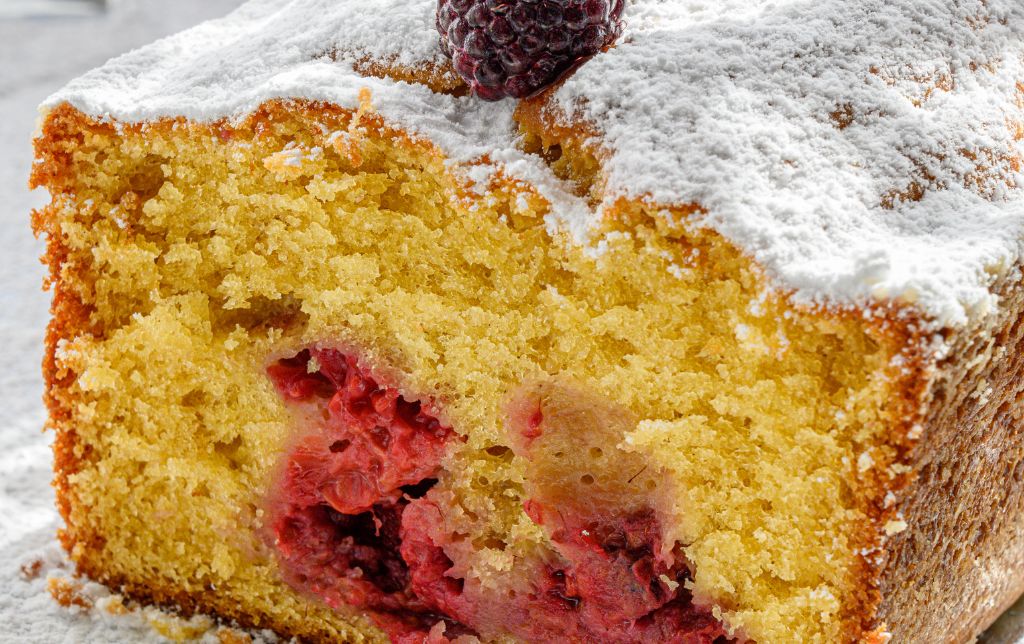
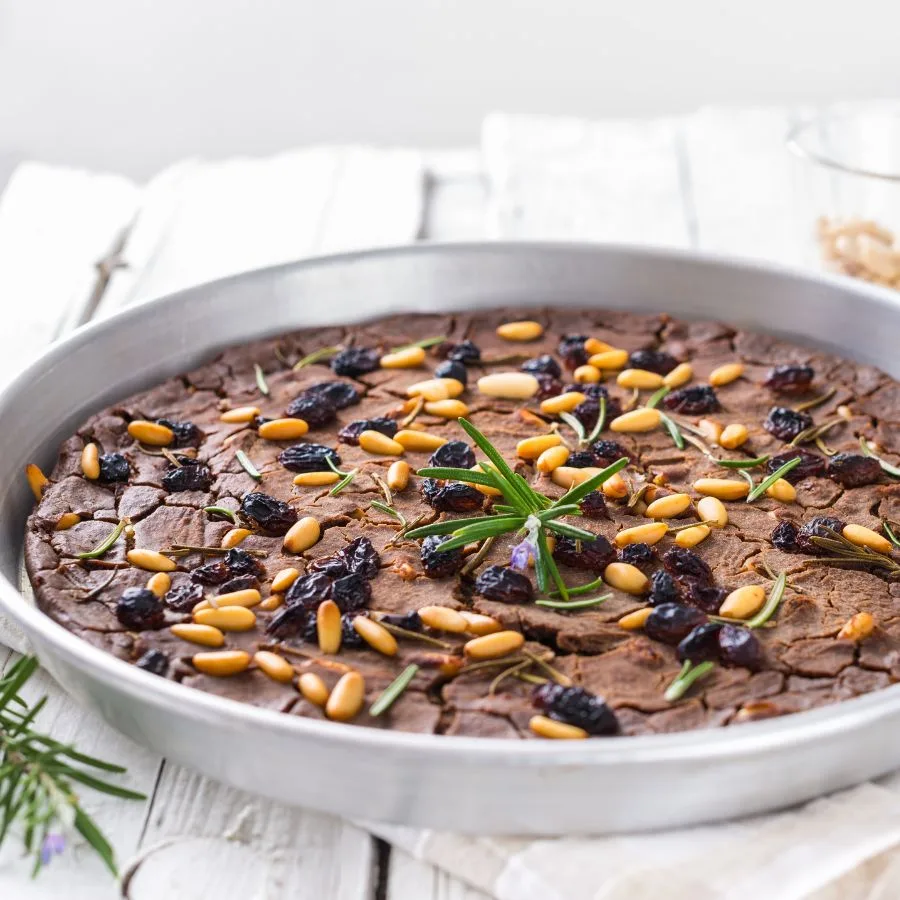
Whether it’s the tart sweetness in a Torta Caprese or the subtle aroma in a Sicilian Biancomangiare, the lemonade cake unite families around tables, fostering laughter and stories under the Mediterranean sky.
In the sun-drenched kitchens of the Mediterranean, lemon isn’t just a fruit; it’s a whisper of sunshine in every bite. Its zest infuses cakes with life, capturing the essence of the coastal breeze. Here, lemons are not merely ingredients but symbols of heritage, their bright flavors echoing the region’s vibrant traditions. Their presence in daily life is as refreshing as the sea itself, a testament to the region’s love affair with this citrus gift from Gods.
Types of lemonade cakes
Italian lemonade cakes:
Lemon cakes or lemonade cakes are uniquely defined by their starring role of lemon. Lemon is the absolute rock start here and where else should it be than in the mystical mediterranean space? You will use the zest, the juice, and sometimes even lemon syrup or glaze as the central flavor around which the recipe is built. Here’s a list of various lemon cakes from Italy:
- Torta al Limone – this is the generic term for lemon cake, and you will find it all across Italy but is particularly popular in regions famous for lemons like Sicilia (Sicily) and Campania (especially around the Amalfi Coast)
- Torta Caprese al Limone – a lemon variation of the famous Caprese cake originally from Campania, more specific the Capri Island
- Torta di Sorrento – known for its almond flour base and lemon flavor from Sorrento (in Campania)
- Biancomangiare – traditionally made with almond milk, but lemon zest is often used for flavor, giving it a lemony taste – originally from Sicily
- Torta Ricotta e Limone – a variation with ricotta cheese, baked often in Campania and Sicily
- Torta di Limone di Amalfi – a cake specifically made with Amalfi lemons. Amalfi lemons, or Sfusato Amalfitano, are renowned for their exceptionally sweet and aromatic flavor. What is setting them apart from other Mediterranean lemons, is that they are much bigger than the usual lemos and have a thick, bumpy skin that’s rich in essential oils. As you might guess, this makes them ideal for culinary and medicinal uses.
- Crostata di Limone – a lemon tart, which can be found in various regions, but it originated from Piemonte. It’s different from your “ordinary” lemande cakes as it ha a traditional pastry crust
Other mediterranean cakes with lemonade:
Here are some other Italian desserts that might incorporate lemon zest or juice for a hint of flavor but they are not lemonade cakes per se.
- Torta Paradiso – a light sponge cake sometimes flavored with lemon from Lombardia
- Torta della Nonna – while traditionally with custard or pine nuts, this traditional tuscan cake often has a lemon flavor added to it
- Torta Margherita – a traditional Piedmontese cake that can sometimes be flavored with lemon
- Sfogliatella Riccia a Limone – not a cake but a popular pastry with a sweet ricotta filling that can include lemon zest, originated in Naples
- Torta di Riso al Limone – a rice cake with lemon form Lombardia (around Milano)
- Pastiera Napoletana – while traditionally made with orange blossom water, lemon zest is often included. It originates aound Napoli (Naples)
- Torta di Mele al Limone – An apple cake where lemon zest is used to enhance flavor from Lombardia and Toscana
Nowadays, though these cakes are associated with specific regions, many of these recipes have become popular across Italy, and variations can be found in different regions. Additionally, lemon is a common flavor enhancement in Italian baking, so many recipes might include lemon as an ingredient without being specifically named for it.
This Lemon Bundt Cake recipe is so versatile, it may be the perfect companion of the quiet moments of morning coffee to the lively gatherings of a pranzo in famiglia. It’s fairly easy to make and because it smells so delicious, I sometimes measure the ingredients before I go to bed and bake the cake in the morning. Everybody gets out of bed more joyful when lemon smells fills the morning cold air. (Why cold you might ask? Because baby, when it’s cold outside, the lemons are at their pick ripe and flavor in Italy!)
Italian Lemon Bundt Cake Recipe
Ingredients:
For the Cake:
- 300 grams (2 cups) all-purpose flour
- 200 grams (1 cup) granulated sugar
- 100 grams (1/2 cup) powdered sugar (for the lemon syrup)
- 1 teaspoon baking powder
- 1/2 teaspoon baking soda (or a total of 2 1/2 teaspoon of baking powder if you don’t have baking soda)
- 1/2 teaspoon salt
- Zest of 3 lemons (preferably organic for the best flavor)
- 180 ml (3/4 cup) olive oil or vegetable oil (olive oil gives an authentic Italian touch)
- 180 ml (3/4 cup) freshly squeezed lemon juice (divided for cake and syrup)
- 3 large eggs, room temperature
- 240 ml (1 cup) whole milk or buttermilk
For the Lemon Syrup:
- 100 ml (about 1/2 cup) of the lemon juice from above (or fresh if needed)
- 50 grams (1/4 cup) granulated sugar
For the Optional Glaze:
- 50 grams (1/4 cup) powdered sugar
- 1-1.5 tablespoons lemonade (lemon juice), adjusted for desired consistency
Instructions:
Preheat Oven – to 175°C (350°F). Generously butter and flour a 10 to 12 cup Bundt pan, making sure to cover all the crevices.
Mix Dry Ingredients – in a bowl, sift together the flour, baking powder, baking soda, and salt. Add the lemon zest and mix.
Combine Wet Ingredients – in another large bowl:
- Whisk together the sugar and eggs until the batter is very creamy and a little stiff.
- Add then the oil, and 120 ml (1/2 cup) of the lemon juice and mix until well combined
- Add the milk or buttermilk and mix.
- For an enhanced flavor, especially when it’s cooking in the oven, add a few drops of lemon essential oil (optional)

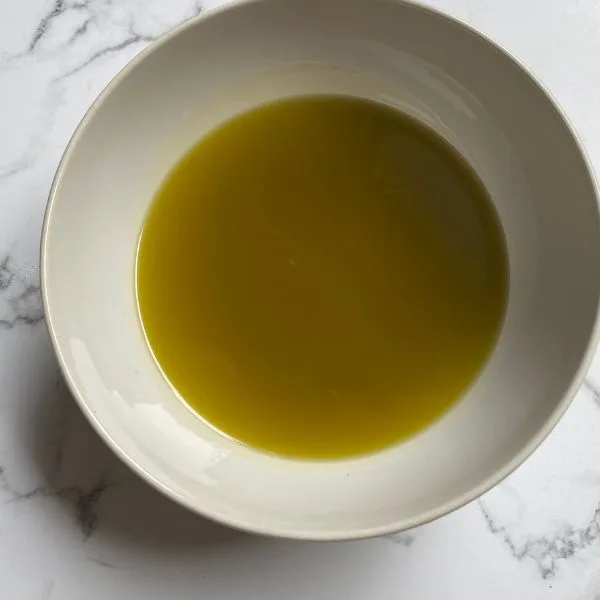
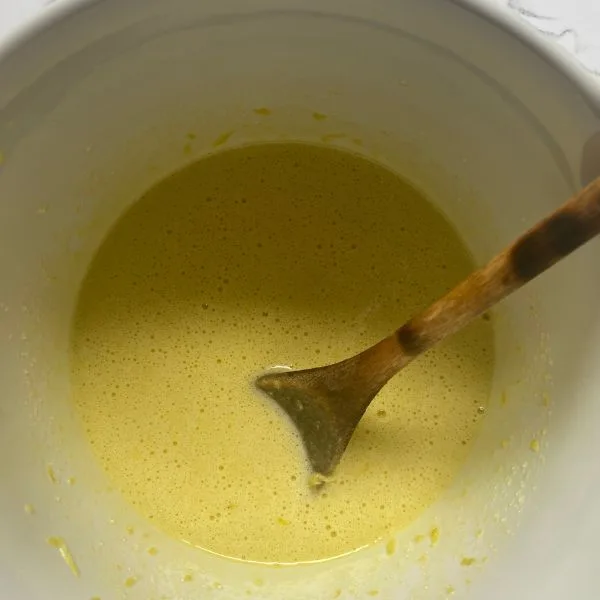
Combine dry & wet – gradually add the dry ingredients to the wet ingredients, mixing just until incorporated. Do not overmix.
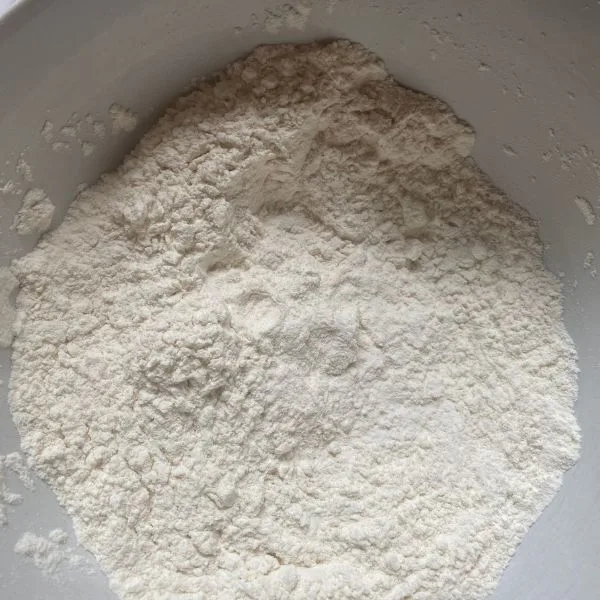
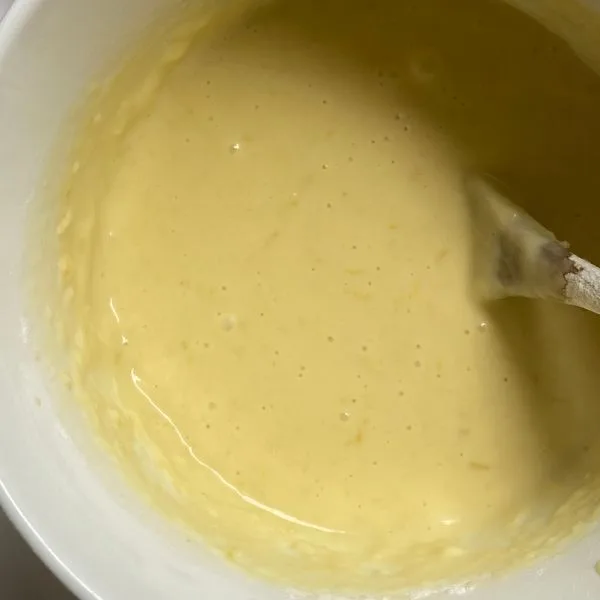
Bake – pour the batter into the prepared Bundt pan and bake for 50-60 minutes, or until a skewer inserted into the cake comes out clean.
Prepare the Lemon Syrup – while the cake is baking, combine 100 ml of lemon juice with 50 grams of sugar in a small saucepan. Bring to a simmer over medium heat until the sugar dissolves, then set aside.
Cool and Soak – allow the cake to cool in the pan for about 15 minutes. Use a skewer or toothpick to poke holes all over the cake. Slowly pour the lemon syrup over the cake, allowing it to seep in. Let the cake cool completely in the pan.
Remove from Pan – once completely cool, gently remove the cake from the pan and place it on a serving plate.
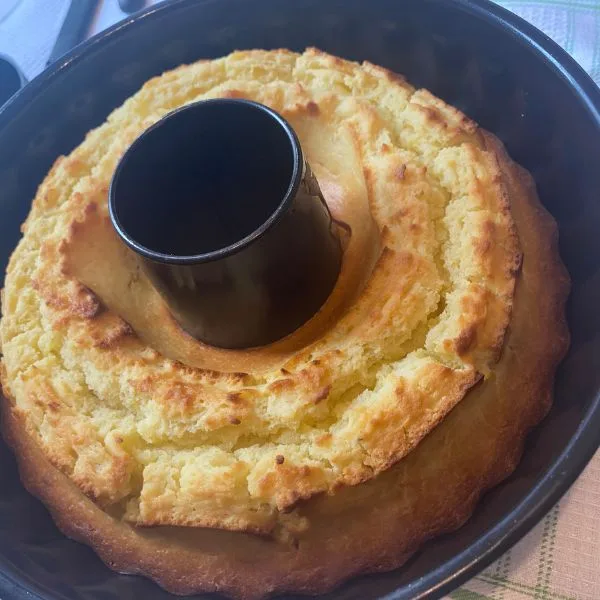
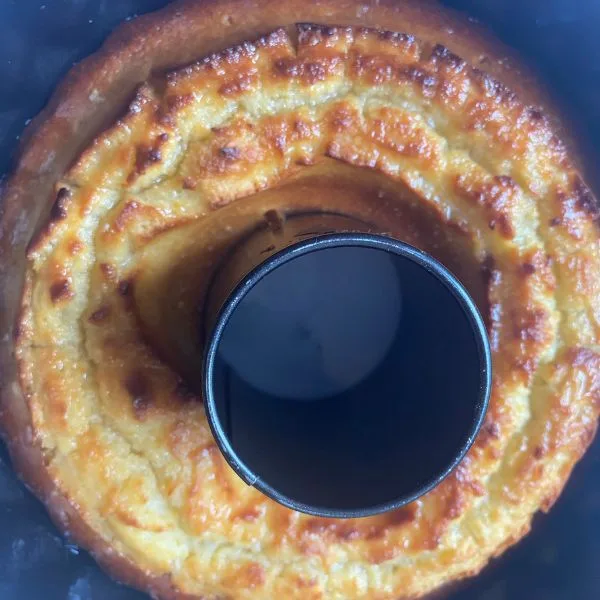
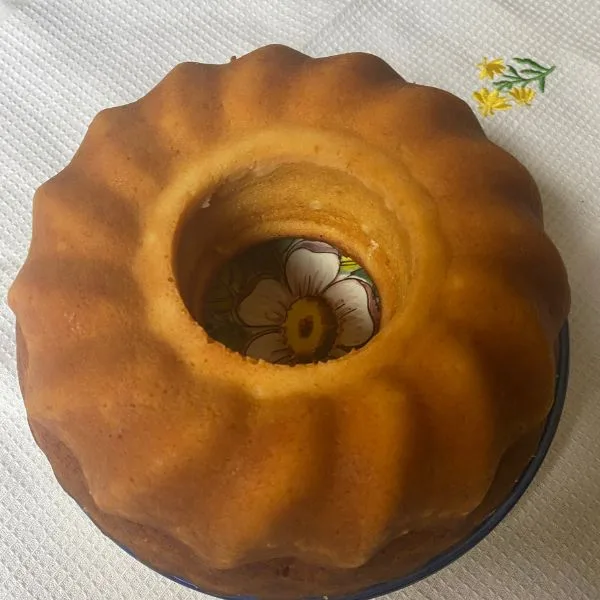
Glaze (Optional) – mix the powdered sugar with enough lemon juice or water to make a pourable glaze. Drizzle over the top of the cake, allowing it to run down the sides. Italians often glaze their lemon cakes to enhance flavor and provide an appealing finish. They sometimes add extra zest for extra lemon essence, creating a sweet-tart coating that complements the cake’s moist texture.
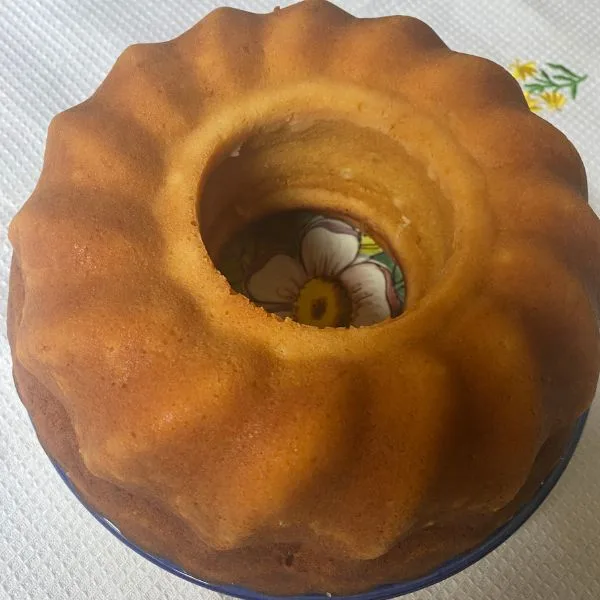

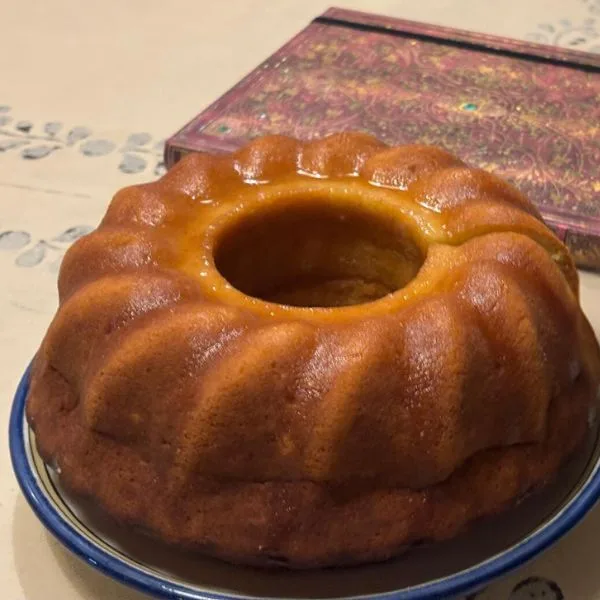
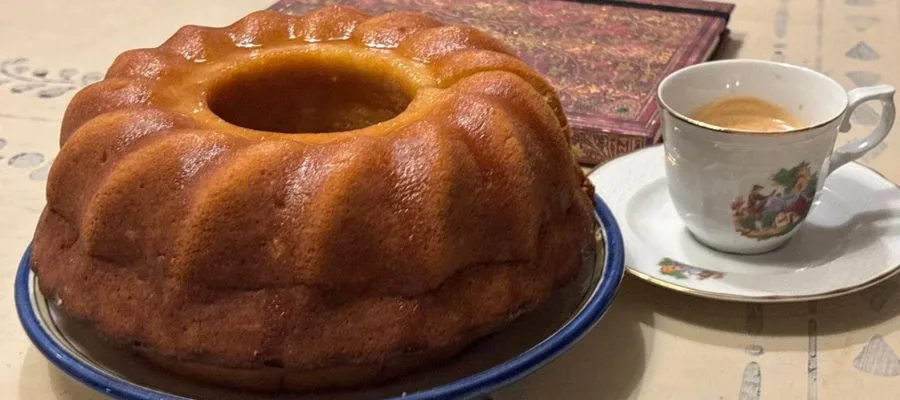
Serve – on a plate with additional sprinkled lemon zest or thin lemon slices for decoration, near a cup of Italian coffee. (As you can see here, my bundt didn’t make it whole to the photo session ;)!
Tips for a perfectly soul soothing lemonade cake:
Here are some tips to help you make a perfect lemonade cake, focusing on achieving a moist texture, bright lemon flavor, and an appealing presentation:
Preparation:
- Use Fresh Ingredients:
- Fresh lemons are crucial. The zest provides essential oils that give the cake its vibrant flavor, and fresh lemon juice is far more aromatic than bottled.
- Room Temperature Ingredients:
- Make sure eggs, butter (if using), and milk are at room temperature. This helps them blend together more uniformly, contributing to a smoother batter.
Ingredients:
- Quality of Lemonade or Lemon Juice:
- If using lemonade concentrate, look for one without artificial flavors. For lemon juice, freshly squeezed is best for flavor intensity.
- Balance Sweetness and Tartness:
- Lemonade cake should have a balance between sweet and tart. Taste your batter (if raw egg doesn’t bother you) or trust the recipe to adjust sugar or lemon juice amounts.
- Lemon Zest:
- Don’t skip the zest; it’s where the essential oils are, providing a depth of flavor that juice alone can’t match. Use organic lemons if possible to avoid pesticides. If you don’t have organic lemons, use clean essential oils instead.
Baking:
- Do Not Overmix:
- Mix the batter just until the ingredients are combined. Overmixing can develop the gluten in the flour too much, leading to a dense cake rather than a light and fluffy one.
- Proper Pan Preparation:
- Grease your pan thoroughly, especially if you’re using a Bundt pan. For extra insurance against sticking, you might use a combination of butter and flour or a baking spray with flour.
- Even Baking:
- If using a Bundt pan, ensure the batter is evenly distributed. You can slightly tap the pan on the counter to release air bubbles.
Moisture and Flavor:
- Soaking Technique:
- Poke holes in the cake while it’s still warm and drizzle with a lemon syrup or the lemonade mixture. This soaks into the cake, ensuring moisture and enhancing the lemon flavor.
- Lemon Extract:
- For an extra boost of lemon flavor, consider adding a small amount of lemon extract, but use it sparingly as it can quickly overpower.
Finishing Touches:
- Cooling:
- Allow the cake to cool in the pan for about 10-15 minutes before turning it out. This prevents it from breaking apart due to its delicate, moist texture.
- Glaze or Frosting:
- A simple lemon glaze can enhance the cake’s appeal. Let the glaze set before serving to make slicing easier.
- Decoration:
- Decorate with additional lemon zest, thin lemon slices, or even edible flowers for an elegant look. Mint leaves can also add a fresh touch.
Storage:
- Store Properly:
- Lemonade cake tends to be moist, so it’s best stored in the refrigerator, especially if it has a glaze or frosting. It can be brought to room temperature before serving for the best texture.
- Flavors Meld Over Time:
- Like many desserts with citrus, the flavors can actually improve over time, so consider making it a day ahead if you can.
Frequently Asked Questions
Flour Type:
What type of flour is best for a lemon Bundt cake? Should I use all-purpose, cake flour, or even something like gluten-free flour?
All-purpose flour works well for most Bundt cakes, providing structure without being too dense. Cake flour can make the cake lighter and more tender if you prefer that texture. For gluten-free, use a 1:1 gluten-free baking flour mix.
Pan Preparation:
How do I prevent my lemon Bundt cake from sticking to the pan? What’s the best way to grease and flour a Bundt pan?
Grease the pan thoroughly with butter, shortening, or a baking spray that includes flour. Then, dust with flour or use a combination like sugar and flour for extra insurance against sticking. Make sure to get into all the nooks and crannies of the Bundt pan.
Lemon Flavor Intensity:
How can I make sure my lemon Bundt cake has a strong lemon flavor? How much lemon zest and juice should I use?
Use both lemon zest (for the oils) and lemon juice. A good rule of thumb is the zest from 2-3 lemons and the juice from 1-2 lemons for a standard recipe. Lemon extract can be added sparingly for an extra boost.
Moisture Content:
Why is my lemon Bundt cake dry? How can I ensure it’s moist and tender?
If you soak the cake with a lemon syrup after baking, which adds both moisture and flavor, you can adjust for yourself the moisture by pouring more or less syrup. But if you don’t want to use additional syrup, then you can use ingredients like buttermilk, sour cream, or yogurt in the batter. Pay attention to the additional fat you bring into the recipe by using these!
Baking Time and Temperature:
What’s the ideal baking temperature and time for a lemon Bundt cake? How do I know when it’s done without overcooking?
Bake at 350°F (175°C) for about 45-60 minutes, but this can vary based on your oven and the size of your Bundt pan. The cake is done when a toothpick inserted into the center comes out clean or with a few moist crumbs. Start checking at the lower end of the time range.
In my oven which has 4D hot airflow I cooked it for 45 minutes until it had a beautiful golden brown and the tooth pick staid almost dry but not quite!
Cake Rising and Cracking:
Why does my Bundt cake crack or collapse in the center? What can I do to prevent this?
Cracks can occur if the cake rises too quickly. To prevent this, ensure your ingredients are at room temperature, don’t overmix the batter, and avoid opening the oven door during baking. If it does crack, it’s often cosmetic and can be covered with glaze.
Glaze Consistency:
How do I make the perfect lemon glaze for my Bundt cake? What should be the consistency, and how do I apply it?
A good glaze should be pourable but thick enough to coat the cake. Start with powdered sugar and add lemon juice gradually until you reach the desired consistency. Drizzle or pour over the cooled cake.
Ingredient Substitutions:
Can I substitute ingredients like buttermilk or sour cream with something else? What about using lemon extract instead of fresh lemons?
Buttermilk can be substituted with milk mixed with lemon juice or vinegar (let it sit for a few minutes to sour). Sour cream or yogurt can also replace buttermilk. Lemon extract can intensify flavor but use it in small amounts.
Decoration and Presentation:
What are some creative ways to decorate a lemon Bundt cake? Should I glaze it, and can I add other flavors or toppings?
Decorate with lemon slices, zest, edible flowers, or glazed nuts. Drizzling with lemon glaze not only adds flavor but also enhances the presentation.
Storage:
How should I store my lemon Bundt cake to keep it fresh? Can it be frozen, and if so, how?
Store in an airtight container at room temperature for up to 3 days or refrigerate for longer storage. For freezing, wrap well in plastic wrap and then foil; it can last up to 3 months. Thaw at room temperature.
Mixing Techniques:
Should I use a mixer, or can I mix by hand? What’s the importance of the order in which ingredients are added?
Use a mixer for consistency, but don’t overmix. Always cream butter and sugar first if using butter, then add eggs one at a time, followed by wet ingredients, and finally incorporate dry ingredients gently.
In this case, eggs and sugar until creamy, then oil, then lemonade and milk.
Variations:
How can I incorporate other flavors or ingredients like poppy seeds, blueberries, or lemon curd into my lemon Bundt cake?
Add poppy seeds for texture, blueberries for bursts of fruit, or spread lemon curd between layers if making a layered version. You can also swirl in raspberry or blueberry preserves for a marble effect.
Make sure the ingredients you add combine well with the lemon flavor. Lemon can compliment very nicely the apples and the berries and also the chocolate. As a rule, I prefere to keep my flavors separately even when I eat them together. For example, I prefer to serve a lemon cake with a raspberry sauce on top rather than incorporate the berries in the batter… but that’s just me 😉
Common Mistakes:
What are common mistakes to avoid when baking a Bundt cake, particularly a lemon one?
Overmixing the batter, under or over-baking, not prepping the pan correctly, and using cold ingredients can all lead to less than perfect results.
Lemon Glaze vs. Lemon Syrup:
What’s the difference between using a lemon syrup soak versus a glaze, and when should I use each?
Lemon syrup is used to soak into the cake for added moisture and flavor right after baking. Lemon glaze is for decoration and adds a bit of texture and flavor to the surface.
Room Temperature Ingredients:
Why is it important to use room temperature ingredients, and how does this affect the cake?
Room temperature ingredients blend more uniformly, which traps air better for a lighter texture. This is especially true for butter, which should be soft but not melted.
Find more recipes straight from our kitchen:
Rise and Shine with Delicious Overnight Oats (Easiest Breakfast Ever!)
Garlic Bread Italian Style (Bruschetta)
Carrot and Coriander Soup Recipe
Entirely Homemade Easy Pesto Pasta Recipe
Quick and Easy Cream of Rice (or Rice with Milk) Recipe (Gluten Free)
Peach Mango Pie – Homemade Recipe
Lemonade cake (Torta al Limone) – Recipe Card
Lemoande Cake
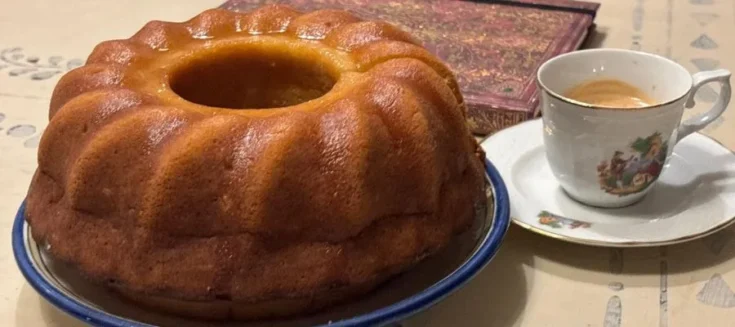
This Lemon Bundt Cake captures the essence of Italian lemon desserts with its moist texture from the olive oil and milk, enhanced by a tangy lemon syrup, making it a delightful treat. It's perfect for celebrations or as a special treat with a cup of espresso. Its delicate flavour will fill your nostrils and imagination!
Ingredients
For the Cake:
- 300 grams (2 cups) all-purpose flour
- 200 grams (1 cup) granulated sugar
- 100 grams (1/2 cup) powdered sugar (for the lemon syrup)
- 1 teaspoon baking powder
- 1/2 teaspoon baking soda (or a total of 2 1/2 teaspoon of baking powder if you don't have baking soda)
- 1/2 teaspoon salt
- Zest of 3 lemons (preferably organic for the best flavor)
- 180 ml (3/4 cup) olive oil or vegetable oil (olive oil gives an authentic Italian touch)
- 180 ml (3/4 cup) freshly squeezed lemon juice (divided for cake and syrup)
- 3 large eggs, room temperature
- 240 ml (1 cup) whole milk or buttermilk
For the Lemon Syrup:
- 100 ml (about 1/2 cup) of the lemon juice from above (or fresh if needed)
- 50 grams (1/4 cup) granulated sugar
For the Optional Glaze:
- 100 grams (1/2 cup) powdered sugar
- 2-3 tablespoons lemon juice or water, adjusted for desired consistency
Instructions
- Preheat your oven to 175°C (350°F). Generously butter and flour a 10 to 12 cup bundt pan, making sure to cover all the crevices.
- In a bowl, sift together the flour, baking powder, baking soda, and salt. Add the lemon zest and mix.
- In another large bowl, whisk together the sugar, eggs, oil, and 120 ml (1/2 cup) of the lemon juice until well combined.
Add the milk or buttermilk and mix.
If you have, for an enhanced flavour, especialy when it's cooking in the oven, add a few drops of lemon essential oil - Gradually add the dry ingredients to the wet ingredients, mixing just until incorporated. Do not overmix.
- Pour the batter into the prepared Bundt pan.
Bake for 50-60 minutes, or until a skewer inserted into the cake comes out clean. - While the cake is baking, combine 100 ml of lemon juice with 50 grams of sugar in a small saucepan. Bring to a simmer over medium heat until the sugar dissolves, then set aside.
- Allow the cake to cool in the pan for about 15 minutes.
Use a skewer or toothpick to poke holes all over the cake.
Slowly pour the lemon syrup over the cake, allowing it to seep in. Let the cake cool completely in the pan. - Once completely cool, gently remove the cake from the pan and place it on a serving plate.
- Glaze (Optional):
Mix the powdered sugar with enough lemon juice or water to make a pourable glaze. Drizzle over the top of the cake, allowing it to run down the sides. Italians often glaze their lemon cakes to enhance flavor and provide an appealing finish. This glaze usually consists of lemon juice mixed with powdered sugar, sometimes with added zest for extra lemon essence, creating a sweet-tart coating that complements the cake's moist texture. - Optionally, garnish with additional lemon zest or thin lemon slices for decoration.