
Agnello Arrosto – the Roast Lamb of Easter in Italy
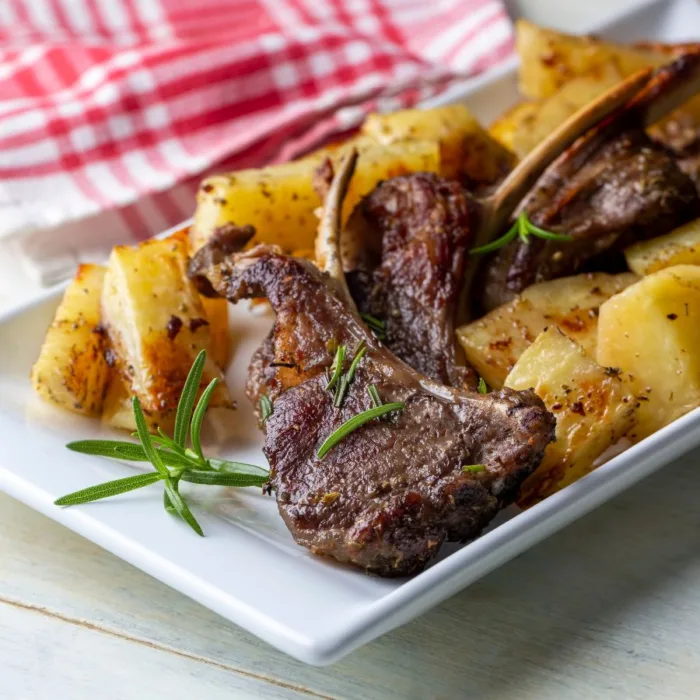
Agnello arrosto, or roast lamb, is a big deal at Easter in Italy—it’s pretty much the MVP of the dinner table. This dish is all about tender, juicy lamb—usually a leg or shoulder—rubbed down with rosemary, garlic, and olive oil, then slow-roasted until the outside’s crispy and the inside melts in your mouth. It’s not just there because it tastes amazing (though it does); it’s got deep roots in the Easter story, tied to the “Lamb of God” from the Bible—Jesus as the sacrificial lamb, symbolizing redemption and renewal. Across Italy, from Tuscany to Sicily, it’s the go-to main course on Easter Sunday, marking the end of Lent’s fasting with a hearty, celebratory bang. Nonna might tweak it—maybe a splash of white wine or some potatoes roasting alongside—but it’s always the centerpiece, bringing the family together for a meal that’s as much about faith as it is about food.

The Authentic Agnello Arrosto (Roast Lamb) Recipe Card
Agnello Arrosto - Roast Lamb

Here’s a straightforward, casual recipe for Agnello arrosto—Italian roast lamb—that’s perfect for an Easter Sunday feast. It's simple, flavorful, and built to impress the family with that crispy outside and tender inside. It’s a classic version with rosemary and garlic, plus potatoes because, let’s be real, they soak up all that goodness.
Ingredients
For the Lamb:
- 1 leg of lamb (about 2-2.5 kg / 4.5-5.5 lbs), bone-in works best
- 4-5 garlic cloves, sliced thin
- 3-4 sprigs fresh rosemary (or 1 tbsp dried if that’s what you’ve got)
- 3 tbsp olive oil
- 1 glass dry white wine (about 150 ml / ⅔ cup)
- Salt and black pepper, to taste
For the Potatoes:
- 1 kg (2.2 lbs) potatoes, peeled and cut into wedges or chunks
- 2 tbsp olive oil
- 1 tsp salt
- 1 tsp dried oregano (or a sprig of fresh if you’re fancy)
Instructions
- Prep the Lamb:
Take the lamb out of the fridge 1-2 hours before cooking—room temp helps it cook even. Pat it dry with paper towels.
Make little slits all over the meat with a sharp knife—about 10-12 spots. Stuff each slit with a slice of garlic and a few rosemary needles (pull them off the sprig). This gets the flavor deep in there.
Rub the whole leg with olive oil, then sprinkle generously with salt and pepper—don’t be shy, it’s a big piece! - Get It Roasting:
Preheat your oven to 200°C (400°F)—hot enough to crisp the outside.
Place the lamb in a big roasting pan, fat side up. Pour the white wine around it—not over it, so the seasoning stays put.
Roast for 20 minutes at 200°C to get that golden crust going, then drop the temp to 160°C (320°F) and cook for about 1.5-2 hours, depending on size. Aim for 60-65°C (140-150°F) internal temp for medium—juicy but not too pink. Baste it every 30 minutes with the pan juices. - Add the Potatoes:
While the lamb’s doing its thing, toss the potato wedges with olive oil, salt, and oregano in a bowl.
After the lamb’s been in for about 45 minutes, scatter the potatoes around it in the pan. They’ll soak up the drippings and roast to crispy perfection—flip them once halfway through. - Finish and Rest:
When the lamb’s done (check with a meat thermometer or poke it—juices should run clear-ish), pull it out and tent it with foil. Let it rest 15-20 minutes—keeps it juicy while you sneak a glass of wine.
Crank the oven back to 200°C (400°F) and give the potatoes 10 more minutes if they need extra crisp. - Serve It Up:
Carve the lamb into thick slices—bone-in means it’s a bit rustic, so just go for it. Pile the potatoes on the side, spoon over some pan juices, and maybe sprinkle extra rosemary if you’re feeling artsy.
Pair it with a big red like Montepulciano or whatever’s open—it’s Easter, after all!
Notes
- Time Check: About 20-25 minutes per 500g (1 lb) at 160°C (320°F) after the initial blast—adjust for how pink you like it.
- Tweaks: Some Nonnas add a splash of lemon juice or stud it with anchovies for a salty kick—your call!
- Leftovers: Slice it thin for sandwiches the next day—Pasquetta picnic vibes.
What’s the trick to make perfect Agnello Arrosto (Roast Lamb)?
Making perfect Agnello arrosto is all about locking in that juicy, tender meat with a crispy, flavorful outside – Nonna’s not settling for dry or bland lamb on Easter! Here’s the trick to nailing it every time, broken down so it’s foolproof:
1. Start at Room Temp
- Why: Cold lamb straight from the fridge cooks unevenly—tough outside, raw inside.
- Trick: Pull it out 1-2 hours before roasting. Pat it dry with paper towels so the skin crisps up, not steams.
2. Flavor It Deep
- Why: Surface seasoning’s fine, but the magic’s in the meat itself.
- Trick: Cut small slits (10-12) and stuff them with garlic slivers and rosemary needles—push ‘em in good. Rub the outside with olive oil, salt, and pepper too—get every inch coated for that herby punch.
3. High Heat, Then Low and Slow
- Why: You want a golden crust without drying it out.
- Trick: Blast it at 200°C (400°F) for 20 minutes to sear the outside, then drop to 160°C (320°F) for 1.5-2 hours (20-25 min per 500g). Baste with pan juices every 30 minutes—keeps it moist and builds flavor. Aim for 60-65°C (140-150°F) internal for medium—juicy, not bloody.
4. Don’t Skip the Rest
- Why: Cutting right away lets all the juices run out—disaster!
- Trick: Tent it with foil and rest it 15-20 minutes after roasting. The meat relaxes, juices redistribute, and it slices like a dream.
5. Potatoes Done Right
- Why: They’re not just a side—they’re part of the magic, soaking up lamb drippings.
- Trick: Add them 45 minutes in, tossed with oil and salt—flip once so they crisp evenly. If they’re not golden when the lamb’s done, crank the oven back up while it rests.
Bonus Tips
- Wine Matters: Splash that white wine in the pan early—it steams into the meat and makes a killer jus. Too much, though, and it’s soggy—stick to a glass (150 ml).
- Check Doneness: Use a meat thermometer—eyeballing’s risky with lamb. No thermometer? Poke it—clear juices mean it’s ready.
- Fresh Herbs: Rosemary’s non-negotiable—fresh sprigs beat dried every time for that woodsy kick.
The real secret? Patience—don’t rush the roast or the rest. Get this right, and your agnello arrosto will be Easter-table legendary—succulent, aromatic, and worth the hype!


Why is (roast) lamb associated with Easter?
Roast lamb’s tied to Easter because it’s got deep roots in both religious symbolism and practical tradition, making it a natural fit for the holiday in Italy and beyond. In Christianity, Jesus is called the “Lamb of God” in the Bible—like in John 1:29—pointing to his sacrifice and resurrection, which Easter’s all about. The lamb became a stand-in for that ultimate offering, echoing the Passover lamb from Jewish tradition (Exodus 12), where it was eaten to mark freedom and renewal—themes that carried over when Christianity split off. By the time Easter rolled around in places like Italy, roasting a young spring lamb made sense—Lent was over, animals were birthing, and it was a way to celebrate with something rich and meaningful after weeks of fasting. So, when you’re digging into agnello arrosto on April 20, 2025, it’s not just dinner—it’s a nod to faith, spring, and a darn good feast!
Can I make roast lamb in advance in preparation for Easter Sunday?
Yeah, you can totally make roast lamb in advance for Easter Sunday and still have it taste amazing, but it’s all about how you handle it. The trick is to roast it mostly ahead of time, store it right, and finish it off day-of so it’s still juicy and flavorful, not a dried-out disappointment. Here’s how to pull it off:
Short-Term (1-2 Days Ahead)
- How: Roast the lamb—like that agnello arrosto recipe—on Friday or Saturday, but pull it out a bit early, around 50-55°C (120-130°F) internal temp (just under medium). Let it cool completely, wrap it tight in foil, then stash it in the fridge. On Sunday, preheat your oven to 160°C (320°F), pop it in with some pan juices or a splash of wine, and finish roasting for 30-45 minutes until it hits 60-65°C (140-150°F) for medium—crisp the outside at 200°C (400°F) for 10 minutes if you want that golden edge.
- Why It Works: Stopping short keeps it from overcooking when you reheat, and the slow finish locks in the juices. Potatoes? Do those fresh Sunday—reheated spuds lose their magic.
- Pro Tip: Save the drippings in a jar; reheat them Sunday for basting or a quick gravy—keeps that rosemary-garlic vibe strong.
Longer-Term (Up to a Week or More)
- How: Roast it fully to 60-65°C (140-150°F) anytime—like now, mid-March—cool it fast, wrap it in foil then plastic wrap, and freeze it. Thaw it in the fridge starting Friday (takes 24-36 hours for a leg), then reheat Sunday at 160°C (320°F) for 45-60 minutes, basting with juices or broth to wake it up. Crank to 200°C (400°F) for 10-15 minutes at the end for crispy skin.
- Why It Works: Freezing holds the flavor and texture pretty well—better than fridge storage for days. The reheat with liquid keeps it from drying out, and the final blast mimics fresh-roasted vibes.
- Pro Tip: Slice it before freezing if you want portions—easier to reheat just what you need. Wrap each piece tight to dodge freezer burn.
Don’t Do This
- Full Roast and Fridge Long-Term: Cooking it all the way and chilling it for more than 2 days risks a tough, dry lamb—fridge sucks out moisture over time.
- Reheat Without Care: Microwaving or blasting it dry in the oven kills the tenderness—low and slow with some liquid is key.
Best Move
For Easter Sunday, roast it Saturday to 50-55°C, fridge it, and finish it Sunday morning—takes the stress off and keeps it succulent. If you’re swamped, freeze it fully cooked a week out and reheat with love. Either way, you’re golden—lamb’s ready, and you’re not stuck in the kitchen all day!
How is roast lamb best paired and when is it served?
Here’s how to serve it right and what to put alongside it to make it sing, Italian-style.
Best Pairings
- Wine: Go for a robust red like a Chianti or Montepulciano—their earthy, fruity notes match the lamb’s richness and cut through the fat. If you’re feeling lighter, a fizzy Lambrusco from Emilia-Romagna brings a fun, slightly sweet contrast that doesn’t overpower. Nonna might pour whatever’s local and open—just keep it hearty enough for the rosemary and garlic.
- Sides: Pair it with patate al forno (roasted potatoes)—crispy, herby ones cooked in the lamb drippings are classic for a reason. Something green like piselli alla Fiorentina (peas with pancetta) adds sweetness, or carciofi alla Romana (braised artichokes) brings an earthy, tender bite—both scream spring and balance the meat’s heft.
- Extras: A drizzle of the pan juices—maybe thickened into a quick gravy with a splash of wine—is a must; it ties everything together. Some folks add a dollop of mint sauce or a lemon wedge for a zesty kick, though Nonna might scoff at anything too fancy covering her roast.
When It’s Served
- Easter Sunday Main Event: In Italy, roast lamb is the star of Easter Sunday dinner, hitting the table in the late afternoon or evening after Mass and daytime festivities. It’s the big secondo (main course), usually following a primo like risotto or lasagna—think 5 or 6 p.m. when the family’s finally all together, winding down from the holy day.
- Lunch Option: In some households, especially if the weather’s warm, it might anchor a long Easter lunch instead—starting midday and stretching out with wine and chatter. Either way, it’s the heart of the feast, marking the end of Lent’s lean times.
- Pasquetta Bonus: Leftovers often show up on Easter Monday (Pasquetta) for a picnic or casual meal—sliced cold in sandwiches or reheated with whatever’s still kicking from Sunday.
Why It Works
The lamb’s savory, slightly gamey flavor loves bold companions—red wine and roasted veggies soak up its juices, while the timing fits Easter’s vibe
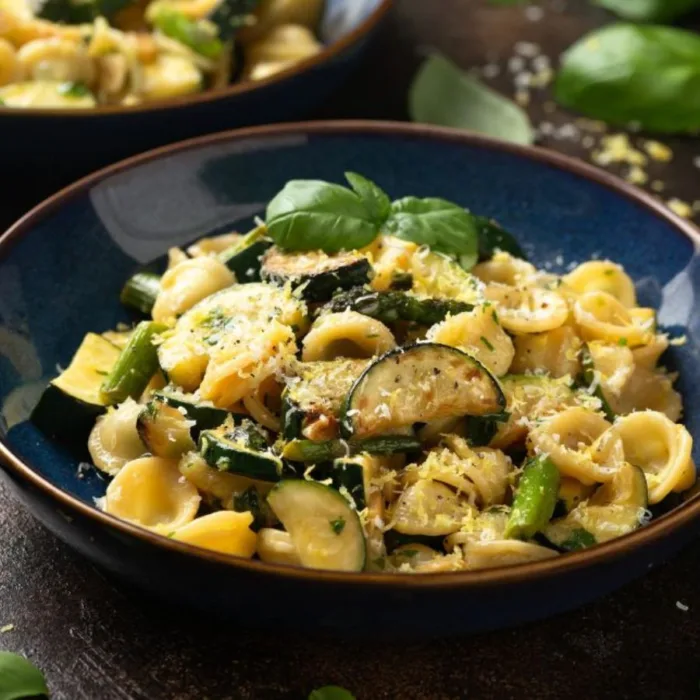
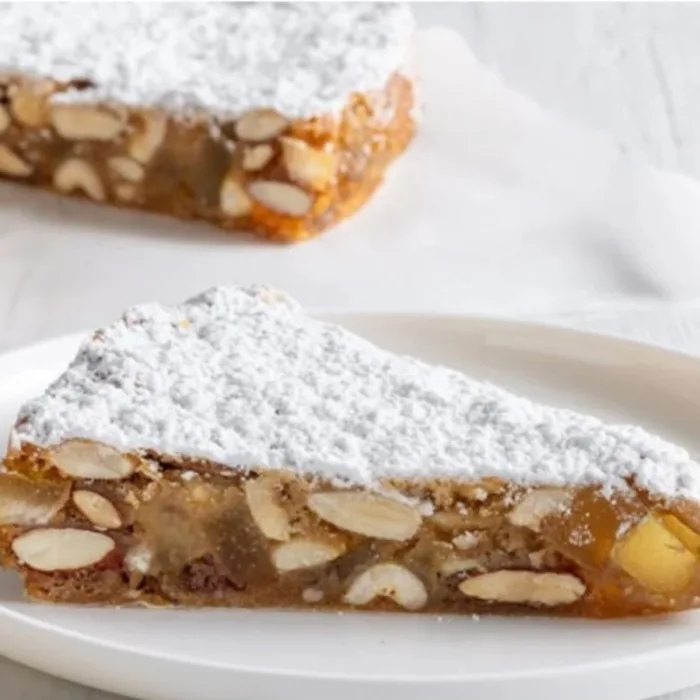
Here you will find some other Easter recipes cooked often in Italy:


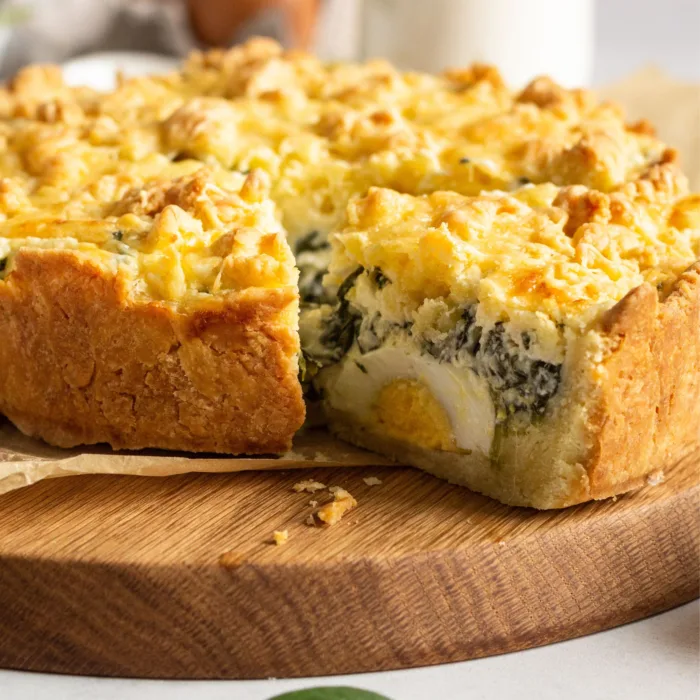
Torta Pascualina
















Wow, agnello arrosto sounds like the ultimate Easter dish! The combination of rosemary, garlic, and olive oil must make it incredibly flavorful.