Chiacchiere – the Carnivalle chit chat pastry
The Crostoli or Chicchiere are thin, crispy (crosta means crust), fried pastries often flavored with lemon zest and sometimes wine or grappa, then dusted with powdered sugar. They have many regional names like Frappe, Bugie, or Cenci, depending on the area. They are quick to make and delicious at a glass of wine with your neighbor or friends.
In Italy, it’s common for community members to gather frequently, often in local cafes or piazzetas, where they share a glass of wine and a small dessert. These cookis which mean small talk, chit chat, are often used for this particular purpose: small, often impromptu gatherings with friends or neighbours. I love this habit as it strengthens the community bonds and fosters a sense of belonging. This is an old tradition still very much alive in Italy, of meeting up for wine and sweets which is more about nurturing relationships than enything else.

The Authentic Chiacchiere (Crostoli) Recipe Card
Crostoli (Chiacchiere)

These are delightful, crispy fried cookies traditionally enjoyed during Carnival, made from a simple dough of flour, eggs, sugar, and often flavored with lemon zest and vanilla.
Ingredients
- 250 grams of all-purpose flour (2 cups)
- 2 large eggs
- 25 grams of sugar (2 tablespoons)
- 30 grams of unsalted butter, melted (optional) (2 tablespoons)
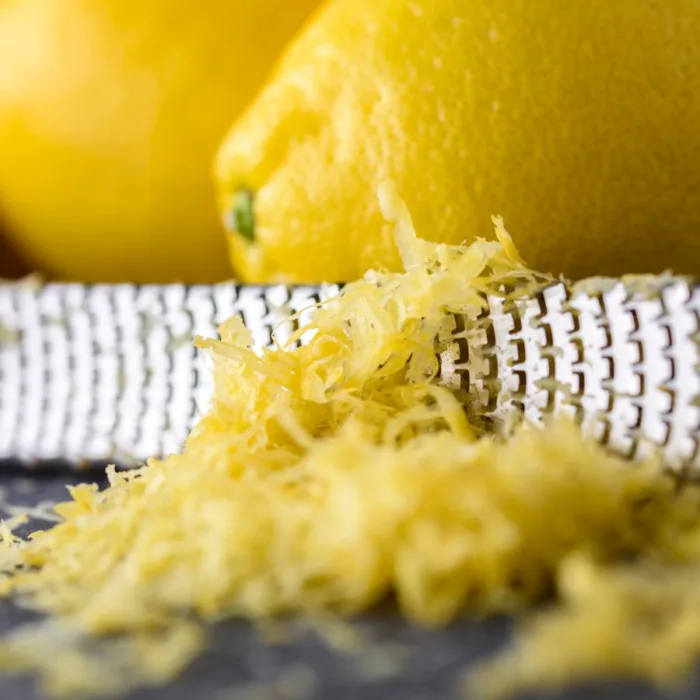
- Zest of 1 lemon or 1 teaspoon vanilla extract
- 30 ml grappa, rum, or other liqueur (optional, can substitute with milk or water) (2 tablespoons)
- A pinch of salt
- Vegetable oil, for frying
- Powdered sugar, for dusting
Instructions
- In a large bowl, mix the flour and the sugar. Make a well in the center.
- Beat the eggs lightly and pour them into the well, along with the melted butter (if using), lemon zest (or vanilla), and the grappa/ liqueur (or milk/water). Add a pinch of salt.
- Mix until you get a soft dough. If it's too sticky, add a bit more flour; if too dry, add a splash more liquid.
- Turn the dough out onto a floured surface and knead it for about 5 minutes until smooth. Shape into a ball, cover with a clean cloth, and let it rest for about 30 minutes.
- After resting, divide the dough into smaller portions for easier handling. Roll each portion out very thinly with a rolling pin or use a pasta machine to achieve a thickness of about 1-2 mm.
- Use a pastry wheel or knife to cut the dough into strips about 6-8 cm long and 3-4 cm wide. Make a slit in the middle of each strip and pull one end through the slit to create a bow or twist shape.
- Heat the oil in a deep fryer or a large, deep saucepan to about 175-180°C (345-355°F).
- Fry the crostoli in batches, turning them once, until they are golden brown, which should take about 1-2 minutes per side. Be careful not to overcrowd the pan.
- Remove the crostoli from the oil with a slotted spoon and let them drain on paper towels.
- Once they're cool enough to handle, dust generously with powdered sugar.
Notes
- The dough should be worked until it's smooth but not over-kneaded to maintain a light texture.
- If the dough becomes too elastic when rolling, give it a few minutes to rest before continuing.
- Crostoli are best served the same day they are made but can be stored in an airtight container for a day or two. They won't stay crispy if stored for longer.
- Enjoy your homemade crostoli with a cup of coffee or sweet wine!
Tips for making the perfect crostoli
You need to pay attention to the following topics when making crostoli
- Consistency: Pay attention to the dough’s consistency, and adjust with flour or liquid as needed. If the dough is too sticky, it can be difficult to work with and roll out. Add a bit more flour incrementally until you achieve the right consistency. A dry dough won’t hold together well and will crack when rolled out. Add a little water or liqueur, one teaspoon at a time, until the dough becomes pliable.
- Temperature control: Use a thermometer for oil to ensure consistent frying temperatures. If the oil is too hot, crostoli will burn on the outside while remaining uncooked inside. Monitor the oil temperature aiming for 175-180°C (345-355°F). If the oil isn’t hot enough, the crostoli will absorb too much oil and become greasy rather than crisp. Ensure the oil is at the right temperature before adding the dough. Frying too many crostoli at once can lower the oil temperature, resulting in greasy, undercooked pastries. Fry in small batches.
- Storage: Crostoli are best fresh, but if storing, ensure they are in an airtight container to retain crispness. However, even with proper storage, they will soften over time.
- Practice: Making crostoli might require a few attempts to get right, so don’t be discouraged if the first batch isn’t perfect.




What is crostoli? Is crostoli a pastry or a cookie?
Crostoli are primarily a type of pastry, made from thin, rooled-out dough that’s cut into shapes and fried until crispy. They’re commonly enjoyed as a dessert, particularly during festive times like Carnival in Italy, with a rih dusting of powdered sugar. While not traditionally cookies, they might be loosely considered as such due to their sweet, crisp texture when thought of in a broader, international context.
Can Crostoli be Baked Instead of Fried?
No, traditionally crostoli are not baked; they are fried to achieve their characteristic crispy texture and flavor. Baking them would significantly alter the taste and consistency, moving away from the authentic recipe.
Can You Make Crostoli Without Alcohol?
Yes, you can definitely make crostoli without alcohol. Here’s how:
- Substitute with Liquids: instead of using grappa, rum, or another liqueur, you can substitute with an equal amount of: wate, milk (for a slightly richer dough, lemon juice or orange juice for added flavor
- Flavor Adjustments: Without the alcohol, you might want to enhance the flavor in other ways: increase the amount of lemon zest or vanilla extract OR add a bit more sugar if you prefer your crostoli sweeter.
- Dough Consistency: Alcohol in the dough can help with texture by tenderizing the gluten in the flour. Without it, you might find the dough a bit tougher unless you: use a higher ratio of fat (butter or oil) in the dough. Also, be careful not to over-knead the dough, as this can make it tougher.
- Frying: alcohol’s evaporative properties during cooking helps the bubbly crispy texture of the chicchiere. In its absence you will need to pay even closer attention to the oil temperature.
What is the Carnival in Italy?

The celebration where you will most commonly find the chicchiere is the Carnival (Carnivalle in Italian, which comes from Carne Valle – “bye bye meat”). It is a vibrant and traditional festivity that occurs annually before Lent, typically from late January to early March. The tradition dates back to medieval times, with origins in ancient Roman celebrations like Saturnalia, where social norms were temporarily inverted. It is basically the Italian version of Mardi Gras with vibrant parades, colorful masks and satirical performance and it’s meant to provide a communal release of joy and excess before the solemnity of Lent. This is also why traditional foods like fritters (frittelle) and cream-filled pastries (cenci and off course the crostoli) are so common here, offering a sweet indulgence before the fasting of Lent.