Colomba Pasquale – The Sweet Dove of Resurrection
Colomba Pasquale is a traditional Italian Easter bread, shaped like a dove. It has a soft, enriched dough with candied orange peel, topped with a crunchy almond glaze and pearl sugar. We usually prepare in the days leading up to Easter, when the citrus aroma fills the house and sends us into celebration mode. Typically, it’s enjoyed on Easter Sunday, often as a breakfast or dessert centerpiece.
What you did NOT know is that the dove shape of Colomba Pasquale symbolizes the Holy Spirit and peace. It is rooted in the legend that a dove appeared during a 6th-century Lombard siege. So baking this special bread is a sign of reconciliation—an emblem of hope woven into Italy’s Easter traditions.

The Authentic Colomba Pasquale Recipe Card
Colomba Pasquale
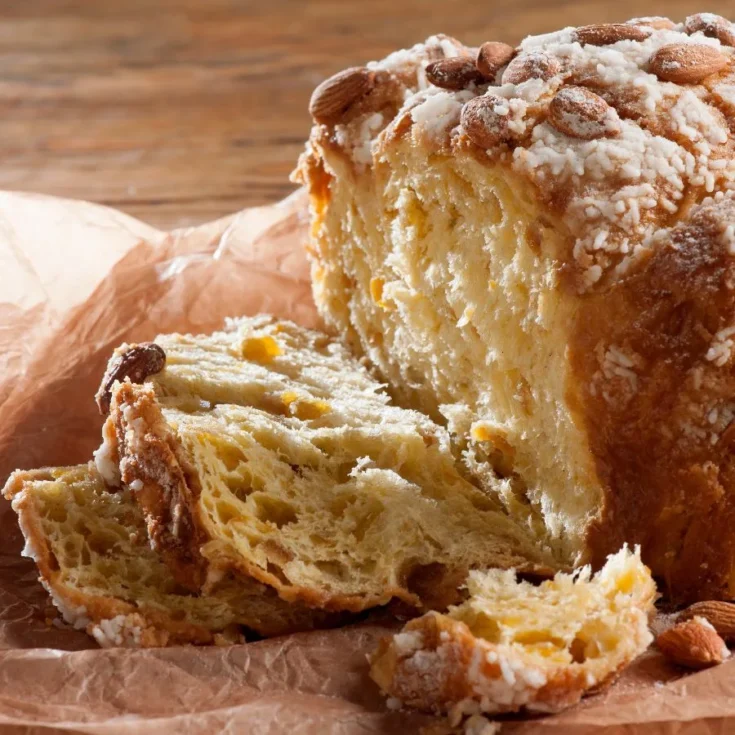
Below is a recipe for Colomba Pasquale, the traditional Italian Easter dove-shaped sweet bread. It’s similar to Panettone but distinguished by its dove shape and a crunchy almond topping. This version includes classic flavors like candied orange peel and a sweet glaze, requiring time and patience due to multiple rises—perfect for a festive baking project!
Ingredients
For the Dough:
- 4 cups (500g) strong bread flour (high protein, like Tipo 00 or bread flour)
- 1/2 cup (100g) granulated sugar
- 2 1/4 tsp (7g) active dry yeast (1 packet)
- 1/2 cup (120ml) whole milk, lukewarm
- 3 large eggs, room temperature
- 1 large egg yolk (save white for glaze)
- 1/2 cup (115g) unsalted butter, softened
- 1 tsp vanilla extract
- Zest of 1 orange
- 1/2 tsp salt
- 3/4 cup (100g) candied orange peel, chopped (or mixed candied fruit)
For the Almond Glaze:
- 2 large egg whites (use the one from the yolk above, plus another)
- 1/2 cup (50g) almond flour or finely ground almonds
- 1/3 cup (65g) granulated sugar
- 1 tsp almond extract (optional)
For Topping:
- 1/4 cup (25g) whole almonds (skin-on)
- 2-3 tbsp pearl sugar (or coarse sugar)
- Powdered sugar, for dusting (optional)
Instructions
- In a small bowl, mix lukewarm milk (100°F/38°C), 1 tsp of sugar, and yeast. Let sit for 5-10 minutes until foamy.
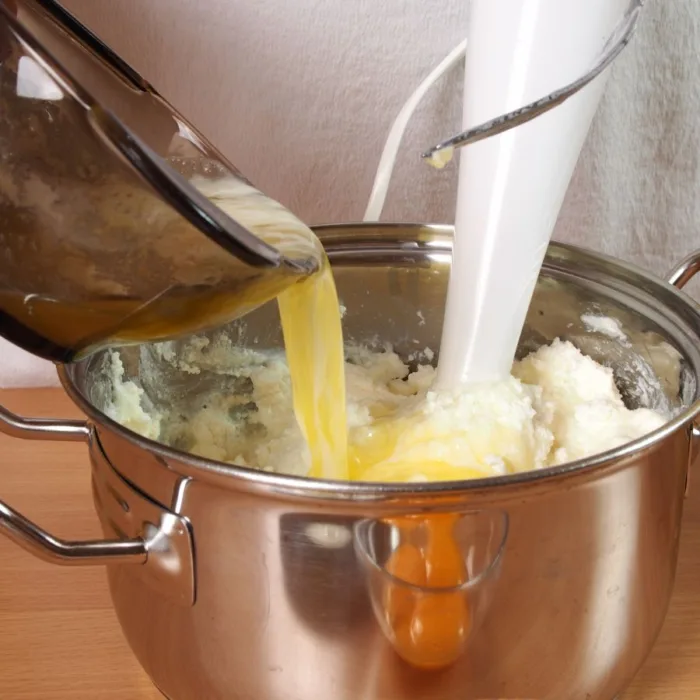
- In a stand mixer bowl, combine flour and salt. Add sugar, foamy yeast mixture, eggs, egg yolk, vanilla, and orange zest.
- Mix with the dough hook on low speed for 2-3 minutes until a rough dough forms.
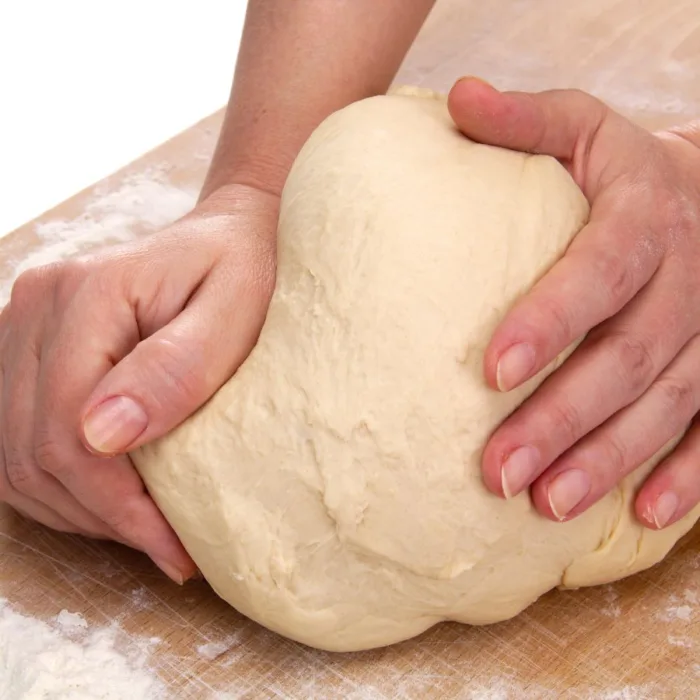
- Increase to medium speed and knead for 5 minutes. Add softened butter, 1 tbsp at a time, kneading for another 8-10 minutes until smooth, soft, and elastic (it’ll be slightly sticky).
- Fold in the candied orange peel by hand or on low speed for 1 minute.
- Shape the dough into a ball, place in a greased bowl, cover with plastic wrap, and let rise in a warm spot (75-80°F/24-27°C) for 3-4 hours, or until doubled.
- Gently punch down the dough. Transfer it to a lightly floured surface and shape it into a rough log or oval. Place it in a greased Colomba mold (or arrange in a dove shape—see notes). The dough should fill the mold about halfway. Cover loosely and let rise for 6-8 hours (or overnight in a cool spot), until it nearly reaches the mold’s top.
- Near the end of the second rise, use the stand mixer’s whisk attachment to beat the egg whites until foamy.
Add sugar, almond flour, and almond extract (if using), whisking until smooth and slightly thickened (not stiff peaks—just a glossy paste). - Preheat oven to 350°F (175°C).
Gently brush the risen dough with the almond glaze, then scatter whole almonds and pearl sugar on top. - Bake for 45-50 minutes, until golden and a skewer comes out clean (internal temp ~190°F/88°C). Tent with foil if the top browns too quickly after 30 minutes.
Cool in the mold for 15 minutes, then transfer to a wire rack. - Dust with powdered sugar if desired. Slice or tear apart to serve—its fluffy texture shines warm or at room temp.
Notes
- Mold Alternative: instead of colomba mold you can use a large loaf pan or shape the dough freeform into a dove (a long body with two wings crossed over) on a baking sheet. Paper molds are traditional and easy but you may very well do without.
- Storage: Keep it for 4-5 days wrapped at room temp, or freeze for up to a month.
- Tips: For beating the egg whites, ensure the whisk and bowl are grease-free for the glaze to hold. The dough’s richness means slow rises—don’t rush it!
What’s the trick to make a perfect Colomba Pasquale?
lies in a few key techniques that ensure its signature airy texture, rich flavor, and stunning presentation:
The Dough
- Pay atention to Dough’s Hydration and Kneading: Use a strong bread flour (high protein, 12-14%) and knead the enriched dough (with butter, eggs, and sugar) until it’s silky and elastic—about 10-15 minutes in a stand mixer with the dough hook. The dough should be soft and slightly tacky but pass the “windowpane test” (stretch a small piece thin enough to see light through without tearing). This ensures the gluten structure supports the Colomba’s lofty rise. You will need the Type 0 Manitoba or Type 00 Rinforzato flour. If you don’t have, use bread flour instead.
The Baking
- Slow, Controlled Rises: Patience is critical. Let the dough rise twice—first for 3-4 hours until doubled, then after shaping in the mold for 6-8 hours (or overnight in a cool spot, 60-65°F/15-18°C). A slow rise develops flavor and prevents the dough from collapsing under its own richness, giving you that light, feathery crumb.
- Incorporate Butter Gradually: Add softened butter in small chunks during kneading, only after the dough has started coming together. This keeps the fat from overwhelming the yeast and ensures a tender, not greasy, texture—key for the Colomba’s melt-in-your-mouth quality.
- Bake with Care: Preheat the oven to 350°F (175°C) and bake in the lower third to avoid over-browning the top. Check after 30 minutes—if the glaze is darkening too fast, tent with foil. Aim for an internal temp of 190°F (88°C) to ensure it’s fully cooked without drying out.
The Glaze
- Perfect the Almond Glaze: For the crunchy topping, whip the egg whites with almond flour and sugar just until glossy (not stiff), then spread it gently over the risen dough before baking. Scatter whole almonds and pearl sugar evenly—this contrast of textures is what sets Colomba apart from Pandoro.
Bonus Trick!
Hang the Colomba upside down after baking (pierce the base with skewers and suspend it between two supports for 2-3 hours) to cool. This prevents the delicate structure from collapsing, a trick borrowed from Panettone bakers that works wonders for the dove shape.


Can I make Colomba Pasquale in advance in preparation for Easter Sunday?
Yes, you can absolutely make Colomba Pasquale in advance for Easter Sunday, and with some planning, it’ll still taste fresh and delicious. Its enriched dough (butter, eggs, sugar) and sturdy structure make it well-suited for prepping ahead. Here’s how to do it effectively:
Bake and Store (Up to 4-5 Days Ahead)
- How: Bake the Colomba fully as per the recipe (e.g., the one I gave earlier), let it cool completely, then wrap it tightly in plastic wrap followed by foil to lock in moisture. Store at room temperature in a cool, dry spot.
- Why It Works: The high fat content keeps it tender, and the almond glaze adds a protective layer.
- Serving: On Easter Sunday, unwrap it, and if you want it fresher, warm it slightly in a 300°F (150°C) oven for 10 minutes. Dust with extra powdered sugar to revive the look.
- Timeline: Bake on Wednesday or Thursday before Easter for peak flavor by Sunday.
Bake and Freeze (Up to 1 Month Ahead)
- How: Bake, cool, and wrap tightly—first in plastic wrap, then foil, and place in a freezer bag. Freeze immediately to preserve texture.
- Thawing: Defrost at room temperature for 6-8 hours (overnight is perfect) on Saturday before Easter, then refresh in the oven at 300°F (150°C) for 10-15 minutes.
- Why It Works: Freezing halts staleness, and the slow thaw keeps the crumb fluffy.
- Timeline: Make it anytime in March, freeze, and pull it out Saturday night.
Prep Dough in Stages (1-2 Days Ahead)
- How: Prepare the dough up to the first rise (step 3 in the recipe), let it double, then punch it down and refrigerate it in a greased bowl, covered tightly, for up to 48 hours. When ready, shape it into the mold, let it rise again (6-8 hours), and bake.
- Why It Works: Cold fermentation slows yeast activity and enhances flavor—perfect for a busy Easter prep schedule.
- Timeline: Start Friday, refrigerate, then shape and bake Saturday for Sunday.
Best Trick for Timing
For the freshest result with minimal Easter Day fuss, bake it on Good Friday (two days before). After baking, hang it upside down to cool (as mentioned in the “perfect Colomba” trick), then store wrapped at room temp. The flavors meld beautifully by Sunday, and it’s ready to slice without last-minute stress.
Atention! caveats:
- Don’t add the glaze or toppings until just before serving if you’re prepping dough ahead—egg whites don’t hold up well in the fridge or freezer.
- Avoid humid storage spots; moisture can soften the crunchy almond topping.
So, yes—make it Wednesday for simplicity, Friday for freshness, or even a month ahead if you freeze. Which fits your Easter prep vibe? I can tweak the plan for you!
Why is Colomba (dove) shaped like a dove?
Historical Origins with a Twist: the dessert is tied to a 6th-century legend—where a dove flew over a besieged Pavia, inspiring a baker to craft this bread as a peace offering.
The dove shape represents the Holy Spirit and peace, but some say it also nods to spring’s renewal—doves return to Italy around Easter. The almonds and sugar on top mimic feathers and eggs, tying it to nature’s rebirth, though I think this is just poetic coincidence.
How is Colomba Pasquale best paired?
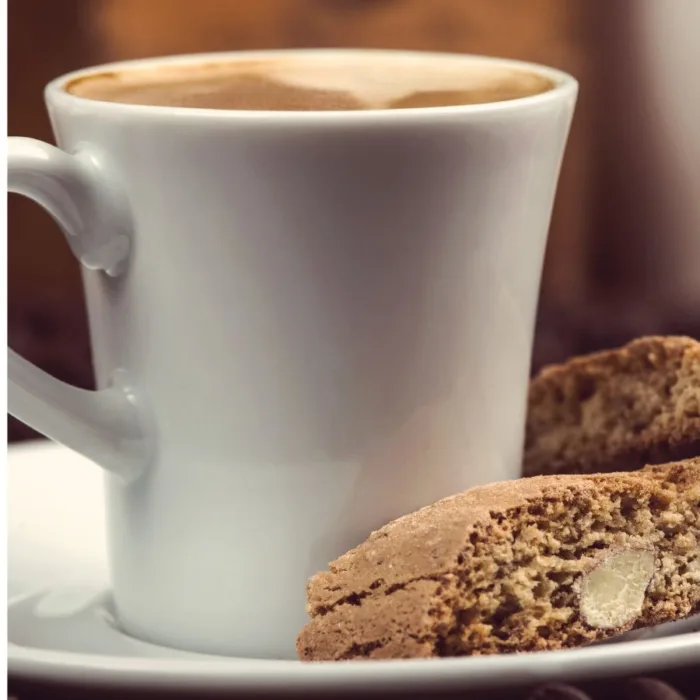
Italians often pair Colomba with Vin Santo, a sweet Tuscan dessert wine, or even a sparkling Prosecco. The almonds and citrus play off the wine’s nutty or bubbly notes—less expected than coffee, but a delightful Easter ritual.