
Easter Dinner in Italy: A Big, Tasty Family Affair
Easter dinner in Italy isn’t just a meal—it’s a full-on event, a loud, delicious celebration that’s been going strong for centuries. And that means springtime vibes, family crammed around the table, and food that ties right into the whole resurrection thing. And as with all Italian gathering, it’s not a quiet sit-down; it’s nonna (grandma’) yelling at zio (uncle) to pour more wine while kids sneak dessert early.

I will give you here below a sneak peak into one of the most loved celebrations of the year (after all, we have in Italy Il Angelo, or the angel, which is the name we address our beloved Pope). So, let’s break it down—what’s on the plate, why it matters, and how it all comes together for a night that’s as much about love as it is about eating.
The Timing: Easter Sunday’s Big Moment
Easter dinner usually kicks off on Sunday evening, (which means April 20 in 2025), after the morning Mass and daytime festivities. Lunch might’ve been a thing earlier—especially with the extended family – but dinner’s when Italians often go all out, winding down the holy day with a feast. It’s the cap to a weekend that starts with Good Friday’s fasting (or at least lighter fish dishes) and builds to this blowout. You might say it’s the grand finale after Lent’s 40 days of holding back: now it’s time to dig in!
The Star of the Eater Dinner: Lamb (or Goat)
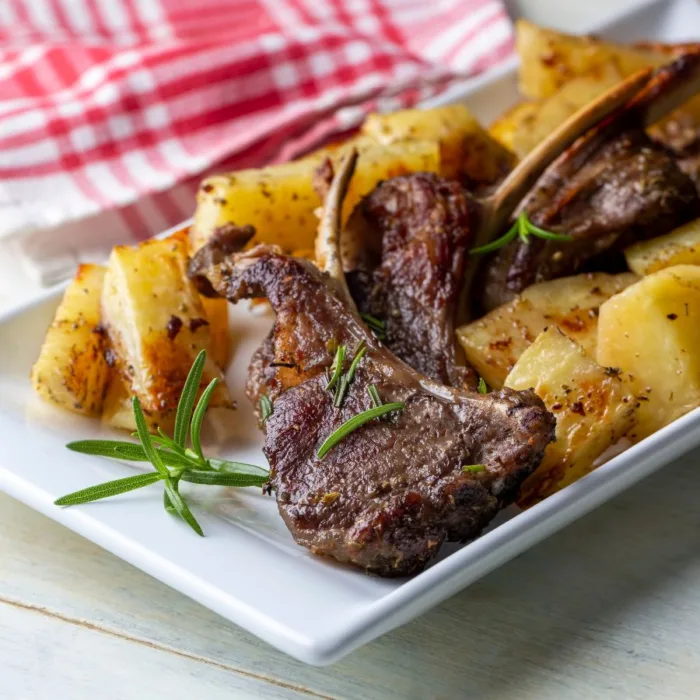
You can’t talk Easter in Italy without mentioning lamb—it’s the king of the table, hands down. Agnello arrosto (roast lamb) is the classic, rubbed with rosemary, garlic, and olive oil, roasted till the skin’s crispy and the meat’s falling apart. It’s not just tasty; it’s symbolic – straight out of the Bible, the “Lamb of God” vibe, tied to sacrifice and renewal. In some spots, like Calabria, you might get agnello con salsa di uova, where it’s drizzled with a tangy lemon-egg sauce, or in Abruzzo, capretto al forno (baby goat), cooked with wine and herbs till it’s melt-in-your-mouth good. Every region’s got its spin, but the meat’s the heart of the meal.


The Primo: Pasta or Something Hearty
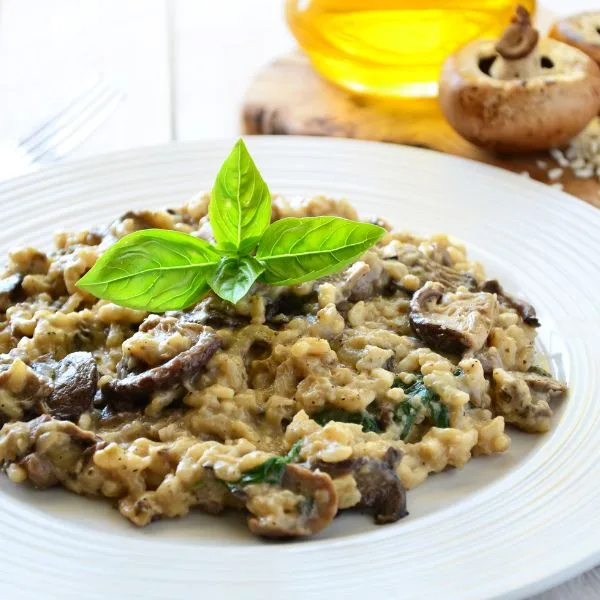
Before the lamb lands, there’s always a primo (or primo pianto) – a first course to warm up your stomach. In the north, you might see risotto con carciofi (artichoke risotto), creamy and springy with fresh artichokes Nonna spent all morning trimming. Down south or in Emilia-Romagna, lasagne alla Bolognese is more likely to land on the dinner table: layers of pasta, slow-simmered ragù, and béchamel, because Easter’s no time to skimp. Or maybe it’s tortellini in brodo—tiny meat-filled pasta swimming in chicken broth, a lighter but still soul-hugging option. It’s the kind of dish that says, “Sit down, we’re doing this right.”


Sides That Steal the Spotlight
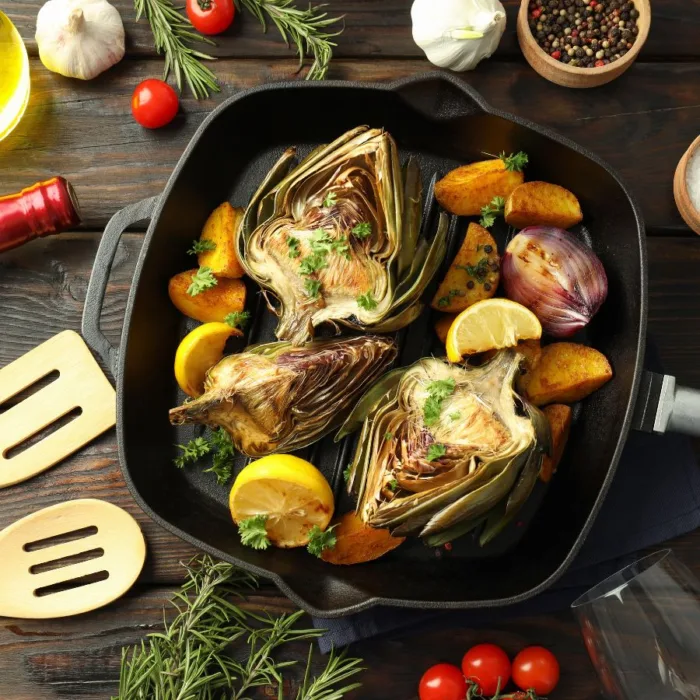
The contorni (sides) are where spring really shines. Carciofi alla Romana—artichokes braised with garlic and mint—are a Roman must, tender and packed with flavor. Up in Tuscany, piselli alla Fiorentina brings sweet peas sautéed with pancetta, while Sicily might toss out caponata, that sweet-sour eggplant mix that’s like sunshine on a plate. You could also get fave e cicoria in Puglia—fava beans mashed with bitter chicory—or a simple insalata di finocchi e arance (fennel-orange salad) to cut the richness. These aren’t just fillers; they’re Nonna’s way of showing off the season.


Starters: Little Bites to Kick Things Off
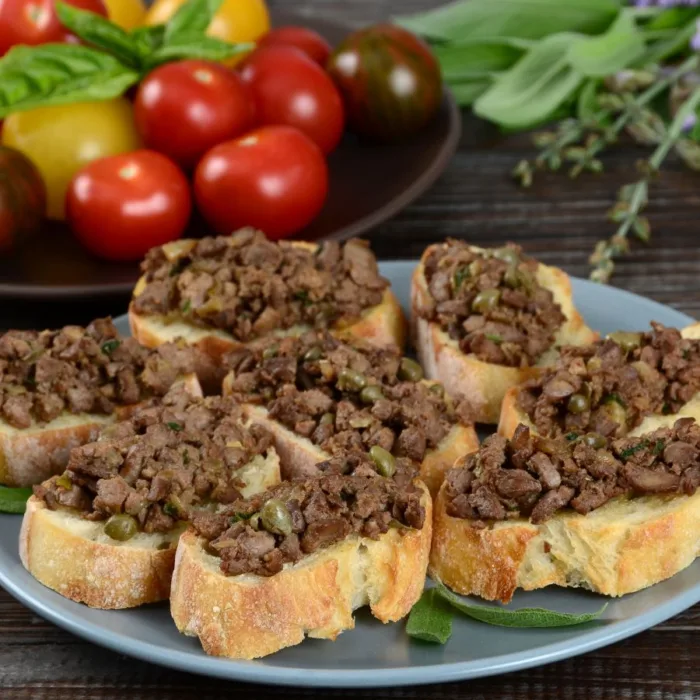
Before the heavy hitters, there’s antipasti—small bites to tease your appetite. Torta Pasqualina might pop up in bite-sized form—flaky pastry with spinach and eggs, a Ligurian nod to rebirth. Or how about olive all’Ascolana from Marche? Big green olives stuffed with meat, breaded, and fried—crunchy little bombs of joy. A platter of salumi e formaggi—prosciutto, salame, pecorino—might sit there too, paired with bread and a frittata con asparagi (asparagus frittata) if Nonna’s feeling extra springy. It’s all about starting the engines for what’s coming.


Desserts: Sweet Endings with Meaning
Easter dinner’s not complete without dolci, and Italy’s got a lineup that’s pure celebration. Pastiera Napoletana is a Neapolitan heavy hitter—ricotta, wheat, and candied orange in a pastry shell, spiced with cinnamon and orange blossom water. Up in Umbria, Ciaramicola brings its red-and-white flair—Alchermes-soaked cake with meringue and sprinkles. Pizza Dolce di Pasqua, a sweet, spiced bread from central Italy, might show up too, tall and fluffy with raisins or anise. And colomba—that dove-shaped sweet bread—is everywhere, glazed with almonds, a lighter finish to the feast. Each one’s a nod to spring and abundance after Lent’s lean days.


Drinks: Keeping It Festive
No Italian table’s dry—vino rosso (red wine) like a Chianti or Montepulciano flows freely, bold enough for the lamb. If Nonna’s from the north, a fizzy Lambrusco or crisp Prosecco might bubble up instead, keeping things light and fun. Water’s there too—still or sparkling—because Nonna’s practical like that, and espresso hits post-dessert to perk everyone up for round two (or three). Maybe a splash of limoncello sneaks in – zesty and bright, a little digestivo to close it out.
The Vibe: Chaos, Love, and Leftovers
A tipical Easter meal around grandma’s table looks like this: a long table—maybe outside under the pergola if it’s warm, or inside with chairs dragged from every room. Grandma’s shuttling platters, scolding someone for not eating enough, while uncle’s pouring wine and the kids are eyeing the colomba. It’s loud—everyone’s talking at once, plates clattering, and there’s always too much food, but that’s the point. Leftovers get packed up for Pasquetta (Easter Monday), when the family heads out for a picnic with whatever’s still left, which is a lot!
Why It’s Easter Food
The food’s not random—it’s tied to faith and the season. Lamb’s the big Jesus symbol, eggs in torta pasqualina or sauces mean new life, and all that wheat and ricotta in desserts shout spring harvest. Lent’s over, so the richness—butter, meat, sugar—is a joyful relief. Italians don’t mess around; Easter dinner’s a feast of renewal, family, and nonna’s kitchen wizardry. Whether it’s Rome, Naples, or a tiny village, it’s the same heart: good food, good people, and a whole lot of noise. Buon Pasqua!


