
Pardulas – the Italian Easter Pastry Little Stars
Pardulas is the traditional Sardinian Easter dessert, but you can find it in Sardinia for the entire year actually. They are delicate pastries filled with a mixture of ricotta or fresh cheese, sugar, and aromatic hints of saffron, lemon zest, or orange peel, all encased in a thin, crisp dough.

What stands out about this dessert is its subtle yet striking balance—the creamy, slightly tangy filling contrasts with the crisp pastry, while the warm, floral notes of saffron or the zesty kick of citrus brings its rustic charm to a new level, embodying Sardinia’s pastoral traditions in every bite.
The Authentic Pardulas/ Casadinas Recipe Card
Pardulas / Casadinas
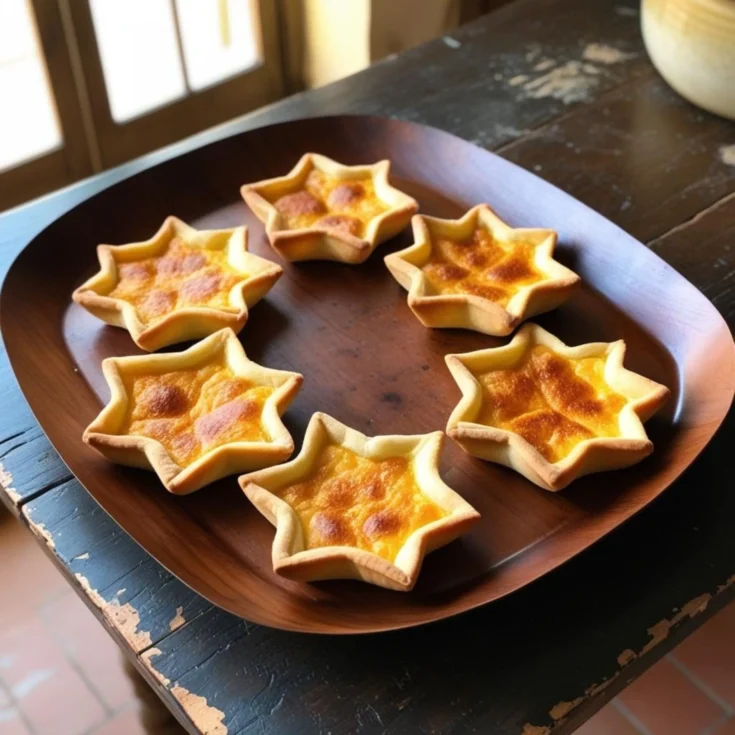
Pardulas uses ricotta, saffron, and citrus zest—classic flavors that balance creamy richness with aromatic brightness. They’re simpler than some Italian desserts like Cassata, but the delicate dough and filling still require a bit of finesse. Here’s how to make them:
Ingredients
For the Dough:
- 1 ½ cups (180g) all-purpose flour (or Italian Tipo 00, ~9-10% protein)
- 2 tbsp (25g) fine semolina flour (optional, for texture)
- 2 tbsp (30g) lard or unsalted butter, softened (lard is traditional)
- ½ cup (120ml) lukewarm water (adjust as needed)
- Pinch of salt
For the Filling:
- 1 ½ cups (350g) fresh ricotta cheese, well-drained (sheep’s milk ricotta if available)
- ½ cup (100g) granulated sugar
- 1 large egg yolk (save white for brushing, optional)
- Zest of 1 lemon (or orange, or both)
- Pinch of saffron threads (soaked in 1 tbsp warm water for 10 minutes)
- 1 tsp vanilla extract (or a pinch of cinnamon, optional)
- 2 tbsp (15g) all-purpose flour (to bind the filling)
For Finishing (Optional):
- Powdered sugar, for dusting
- Honey, for drizzling
Instructions
- Make the Dough
In a large bowl, mix flour, semolina (if using), and salt. Rub in the lard or butter with your fingers until crumbly.
Gradually add lukewarm water, stirring with a fork, then knead by hand for 5-7 minutes until smooth and slightly elastic (it’ll be firm but pliable).
Wrap in plastic and let rest at room temp for 20-30 minutes while you prep the filling. - Prepare the Filling
Drain the ricotta well (press it in a sieve if watery) and place in a bowl. Add sugar, egg yolk, lemon zest, soaked saffron (with its water), vanilla, and flour.
Mix until smooth and creamy—don’t overwork it, just combine. Taste and adjust sweetness or zest if you like. Set aside. - Shape the Pardulas
Preheat oven to 350°F (175°C).
Roll out the dough on a lightly floured surface to about 1/16 inch (2 mm) thick—thin but not translucent.
Cut out circles (3-4 inches/8-10 cm) with a cutter or glass. Place a heaping tablespoon of filling (about 20-25g) in the center of each circle.
Fold the edges up around the filling, pinching them into 6-8 points to form a star shape, leaving the center exposed (like a little basket). Don’t seal it shut—the filling should peek out.
Arrange on a parchment-lined baking sheet, spacing them 1 inch apart. - Bake
Optional: Brush the dough edges with beaten egg white for a golden shine.
Bake for 20-25 minutes, until the pastry is lightly golden and the filling sets (it might puff slightly). The tops may brown a bit—watch closely after 20 minutes.
Cool on the sheet for 5 minutes, then transfer to a wire rack. - Finish
Dust with powdered sugar or drizzle with a thin stream of honey while warm for extra sweetness. Serve at room temperature or slightly warm.
Notes
- Ricotta: Sheep’s milk ricotta is traditional for its tang, but cow’s milk works fine—just ensure it’s not watery. Strain overnight in the fridge if needed.
- Saffron: A pinch is enough—too much can overpower. Skip it if you prefer a pure citrus vibe.
- Storage: Keeps 2-3 days at room temp in an airtight container, or refrigerate for 5 days (reheat gently to refresh). They also freeze well (up to 1 month)—thaw and warm before serving.
- Easter Prep: Make them Good Friday for Easter Sunday; the flavors deepen overnight.
What’s the trick to make perfect Pardulas?
Here’s what to focus on:
- Get the Dough Thin and Elastic: Roll the dough to about 1/16 inch (2 mm) thick—thin enough to crisp up but strong enough to hold the filling. Knead it until smooth and slightly springy (5-7 minutes), using lard (traditional) or butter for that tender flake.
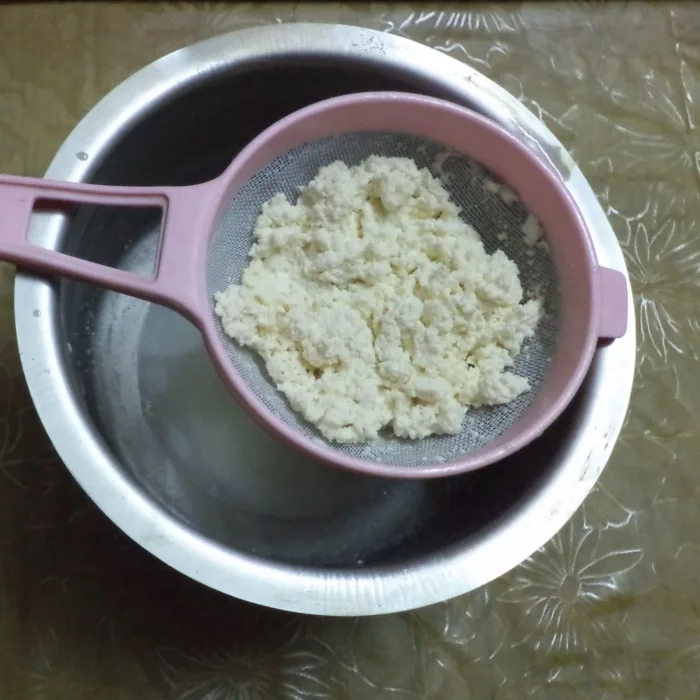
- Drain the Ricotta Thoroughly: The filling’s success depends on dry ricotta. Strain it overnight in a sieve over a bowl in the fridge (or press it with a cloth) until it’s thick and crumbly—no excess whey. Wet ricotta makes soggy Pardulas, ruining the texture and causing leaks during baking.
- Balance the Flavors: You would think that the more aroma the better, but not with the pardulas! Here the ricotta is the star! So, you need to use a light hand with saffron (a pinch, soaked) and zest (one lemon or orange)—too much overwhelms the ricotta’s subtle tang. Taste the filling before shaping! It should be sweet but not cloying, with citrus and spice as accents, not the star. A tiny pinch of salt in the filling can lift everything.




Why can’t I make the perfect star shapes of pardulas?
What I can say is don’t disper! With practice comes mastery. And anyway, people are making this in the family every year on Easter since… birth actually. So, no need to be competitive here. Actually, just as an encouraging for you: look of the photo above. This is how my first pardulas came out. Not perfect at all!
Pinching the dough into that signature star takes skill—at first for sure you will end up with lumpy blobs. It’s a hands-on art, and families pass down their tricks. Baking them turns the filling firm and golden, and a drizzle of honey or sprinkle of sugar at the end adds a final kick. They’re not heavy like a cheesecake—more delicate, almost airy, which makes them perfect for scarfing down a few without feeling bogged down.
Can I make Pardulas in advance in preparation for Easter Sunday?
Absolutely, you can make pardulas ahead of time for Easter Sunday—it’s actually a smart move since they hold up well and can save you some last-minute stress. The key is in how you prep and store them, since they’re delicate but sturdy little things.
You’ve got two solid options: make them fully in advance or prep components ahead and assemble later.
If you bake them completely a few days before—like, say, Friday or Saturday before Easter—they’ll keep just fine. Once cooled, pop them in an airtight container and stash them at room temperature if you’ll eat them within a day or two; they don’t get soggy fast thanks to the firm ricotta filling and crisp dough. For longer—up to 4 or 5 days—stick them in the fridge. The texture might soften a bit, but a quick warm-up in the oven (like 300°F for 5-10 minutes) before serving brings back that fresh-baked vibe. Don’t microwave them, though; it’ll make the dough chewy instead of crisp.
Alternatively, you can prep parts early. Make the dough and filling a day or two ahead—keep the dough wrapped tight in the fridge (it’ll last 2-3 days) and the ricotta mix in a sealed container (same deal). Shape and bake them the day before or morning of Easter Sunday. This cuts down active time on the day itself, and fresh-baked pardulas are hard to beat—warm, fragrant with saffron and citrus, they’ll steal the show.
Freezing’s another trick if you’re thinking weeks ahead. Bake them, let them cool completely, then freeze in a single layer on a tray before bagging them up (stops them sticking). They’ll keep for a month or two. Thaw at room temp for a few hours, then reheat in the oven to crisp them up. Some Sardinians even swear frozen-then-reheated pardulas taste just as good, maybe because the flavors meld more.
One heads-up: if you’re drizzling honey or dusting sugar on top, do that right before serving, not in advance—keeps it from getting sticky or dissolving into the dough. So yeah, go for it—make them early, and Easter Sunday’s dessert is sorted with time to spare. Want a recipe tweak or storage tip? I’ve got you!
How are Pardulas best paired?
Pardulas are versatile—great as a dessert, a snack, or even breakfast if you’re channeling that Sardinian nonchalance. They’re best warm or at room temp, so the dough stays crisp and the filling soft. Pair them with something light and bright during the day (think Vermentino or fruit), or go richer and cozier at night (Moscato or espresso). If it’s Easter, lean into the festive angle with a splashy wine and some candied citrus peel on the side for flair.
The trick is not to overpower them—they’re delicate but punchy. Stick to clean, bold flavors that nod to Sardinia’s rugged charm, and you’ll have a pairing that feels effortless and spot-on.
Here’s how to make them shine:
Drinks
- Sardinian Wine: A glass of Vermentino di Sardegna, a crisp, citrusy white, echoes the lemon or orange zest in pardulas and cuts through the ricotta’s richness. For something sweeter, try a chilled Moscato di Sardegna—its floral notes vibe with the saffron.
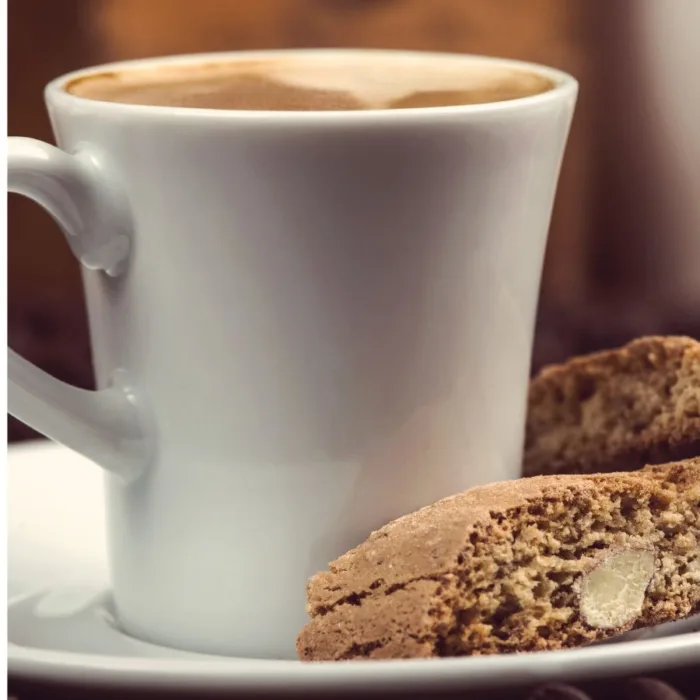
- Coffee: A strong espresso or a lighter caffè macchiato is a classic Italian move. The bitterness offsets the subtle sweetness and makes that crisp dough pop. Serve it post-meal, Sardinian-style.
- Herbal Tea: Something like chamomile or a citrus-infused tea leans into the zest and keeps things light. It’s less traditional but works if you’re avoiding caffeine.
- Mirto: This Sardinian liqueur, made from myrtle berries, brings a bittersweet, herbal edge that contrasts the pardulas’ softness. Sip it after as a digestif—locals would approve.
Foods
- Fresh Fruit: A bowl of orange segments or berries (like raspberries) adds a tart, juicy counterpoint to the creamy filling. The citrus ties in naturally, and the freshness keeps it from feeling too indulgent.
- Honey or Preserves: Drizzle them with Sardinian bitter honey (like corbezzolo) for an earthy twist, or pair with a dollop of orange marmalade. It amps up the flavor without cloying—keep it sparse.
- Cheese or Charcuterie: For a savory spin, serve alongside a small plate of Pecorino Sardo (sheep’s cheese) or thin slices of prosciutto. The saltiness balances the sweet and nods to Sardinia’s pastoral roots.
- Nuts: A handful of toasted almonds or pistachios adds crunch and a nutty depth that plays off the ricotta. Sprinkle them crushed on top if you’re feeling fancy.












This dessert sounds absolutely divine! The balance of creamy filling and crisp pastry is something I’d love to experience. I’m curious, though—how do you think the saffron or citrus really elevates the flavor? Would it lose its charm without it? Making pardulas ahead of time seems like a lifesaver for Easter prep, but do you think storing them affects their texture at all? I also wonder if there’s a secret family trick for the perfect star-shaped pastry—have you ever tried any unique methods? The idea of pairing it with Vermentino or Moscato sounds like a dream, but do you think it would work just as well with other wines? Lastly, what’s the one thing you’d say someone should absolutely avoid when making pardulas for the first time? I’d love to hear your thoughts!
This dessert sounds absolutely divine! The balance of creamy, tangy filling with crisp pastry and the hint of saffron or citrus must be a flavor explosion. I love how it embodies Sardinia’s traditions—it feels like a bite of history. The idea of making pardulas ahead of time is genius, especially for Easter when things can get hectic. I’m curious, though, how do you keep the dough from getting soggy if you prep it in advance? Also, do you have any tips for someone who’s never worked with saffron before? I’m tempted to try this recipe, but I’m a bit intimidated by the star-shaped pinching—any advice for a beginner?
Thank you