
The True Italian Classic. Layers of Bliss in Every Bite
Tiramisu is a classic! You have the coffee, and the light fluffy mascarpone kissed by a daring liquor punch. This delightful and surprisingly light Italian dessert is as old as time and comes from Veneto region in Italy. So, while you are enjoying it, close your eyes and hear the sea washing the old bridges of Venice. And dream of Italy! …but, do not get fooled by its light, fluffy flavor, it is a heavy dessert and you should consume it “lightly” – pun intended!

Recipe Card
Tiramisu Italy Recipe

This dessert combines together everything Italian in only one bite of sweet coffee bitterness! It is very quick and simple to make but pay atention as it is raw! So the ingredients need to be, well...you need to be sure they are "clean"!
Ingredients
- 6 eggs, separated
- 200g (about 1 cup) granulated Sugar, divided in two
- 500g (about 2 1/4 cups) mascarpone cheese
- 2-3 tbsp of Marsala wine, coffee liqueur, or rum (optional, for flavor)
- 30-40 (depending on the size) ladyfingers (Savoiardi)
- 1 cup strong espresso, cooled (or strong coffee)
- unsweetened cocoa powder: for dusting
- dark chocolate: optional, for grating over the top
Instructions
- Prepare the Coffee: Brew a strong espresso or coffee. Allow it to cool to room temperature. If using alcohol, mix it into the coffee.
- Egg Yolk Mixture: In a large bowl, whisk together the egg yolks with half of the sugar until the mixture is pale and thick. This can take about 5-7 minutes with an electric mixer.
- Add Mascarpone: Add the mascarpone to the yolk mixture and mix until smooth. If the mascarpone is cold, it might help to let it sit at room temperature for a bit to avoid lumps.
- Egg Whites: In another clean, dry bowl, or if you have a stand mixer use the whisker, beat the egg whites with a pinch of salt until soft peaks form. Gradually add the remaining sugar, and continue beating until stiff peaks form.
- Combine: Gently fold the egg whites into the mascarpone mixture in two or three parts. Be careful not to deflate the egg whites; the mixture should be light and airy.
- Assemble the Tiramisu: Quickly dip each ladyfinger into the coffee mixture. They should be moist but not soggy. Arrange a layer of these soaked ladyfingers at the bottom of a 9x13 inch dish or individual servings in glasses.
- Layer: Spread half of the mascarpone mixture over the ladyfingers evenly. Add another layer of dipped ladyfingers on top of the mascarpone, followed by the remaining mascarpone mixture.
- Chill: Cover with plastic wrap and refrigerate for at least 4-6 hours, or overnight, to allow the flavors to meld and for the dessert to set.
- Serve: Before serving, dust the top generously with cocoa powder using a fine sieve. If desired, grate some dark chocolate over the top for extra flavor and presentation.
Notes
- Safety: Traditionally, Tiramisu includes raw eggs. I recommend to use pasteurized eggs or cook the egg yolks over a double boiler until they reach 160°F (appx. 70°C) before mixing with mascarpone. You need to let them cool first!
- Alcohol: The alcohol can be omitted for a non-alcoholic version; the coffee's flavor will still be prominent. Or you could replace the rum with rum essence.
- Presentation: Tiramisu can be made in a large dish or in individual cup or jar servings for a more elegant presentation.
Here are some tips to turn your first tiramisu into a success:
Ingredients
- Mascarpone: Use fresh, high-quality mascarpone cheese. It should be smooth and creamy, not grainy. Take the mascarpone out of the fridge at least 30 minutes before using so that it will not lump in the cream!
- Coffee: Use strong espresso or a very strong coffee. The flavor needs to be robust enough to soak into the biscuits without making them too soggy.
- Eggs: Fresh, high-quality eggs are crucial for both flavor and safety, especially if you’re not cooking them. Use them at room temperature to ensure a soft cream!
- Ladyfingers: Or in this case, amaretti. Ensure they are fresh and crisp for the best texture contrast with the cream.
- Alcohol: If using, choose a good quality Marsala, rum, or coffee liqueur. However, it can be omitted or replaced with a flavoring like vanilla extract if you prefer.
Preparation
- Egg Safety: use pasteurized egg products. Alternatively, cook the egg yolks over a double boiler with some of the sugar until thick and pale before mixing with mascarpone. There is also the option of pasteurizing eggs at home but I never tried it as it seams very laborious and precise and I am not sure I poses the tools and the patience needed. I will nevertheless leave at the end some details about this process.
- Beating Egg Whites: Ensure your bowl is completely clean and dry when beating egg whites. Any grease can prevent them from whipping up properly. Beat until stiff peaks form for an airy tiramisu.
- Folding Technique: When folding egg whites into the mascarpone mixture, do so gently to maintain as much air as possible. This contributes to the light, fluffy texture of your tiramisu.
- Avoid Overmixing: When combining mascarpone with eggs, mix just until smooth to avoid overworking the cheese.
- Soaking the Biscuits: Dip the ladyfingers quickly into the coffee mixture. They should absorb flavor without becoming mushy. A few seconds per side usually suffice.
- Layering: Layer evenly to ensure each bite has a good balance of cream and biscuit. Some like to end with a layer of cream for a smoother top, while others prefer a layer of soaked biscuits.


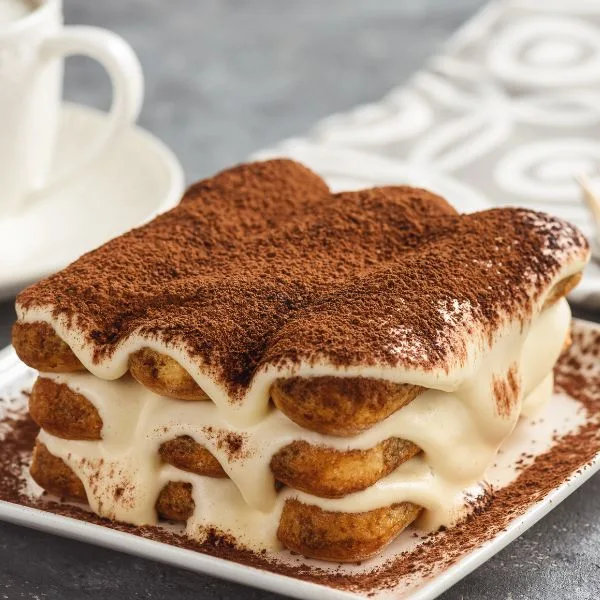
After baking
- Chilling Time: Allow the tiramisu to set in the refrigerator for at least 4 hours, but overnight is ideal. This not only helps the flavors meld but also lets the dessert set properly.
- Dusting with Cocoa: Dust the cocoa powder right before serving to keep it from getting absorbed into the cream, which can happen if you do it too early. Use a fine sieve for an even dusting.
- Individual Servings: Consider making tiramisu in individual servings for an elegant presentation, especially if serving at a dinner party.
- Garnishing: Besides cocoa, consider adding grated chocolate, chocolate shavings, or even a small amaretti cookie on top for decoration.
How can you pasteurize eggs at home?
To pasteurize eggs at home without cooking them, you need to carefully heat them to a temperature that kills harmful bacteria like Salmonella without causing the egg white or yolk to solidify. Here are a few methods to achieve this:
Method 1: Pasteurize eggs on the stovetop
Tools Needed:
- Saucepan
- Digital thermometer
- Slotted spoon
- Bowl of ice water
Steps:
- Bring Eggs to Room Temperature: Let your eggs sit out for about 15-20 minutes before starting.
- Heat Water: Fill a saucepan with water and attach a digital thermometer. Heat the water to 140°F (60°C).
- Add Eggs: Gently place eggs into the water once it reaches the right temperature.
- Maintain Temperature: Keep the water at 140°F for 3-5 minutes. Use medium-low heat to maintain this temperature without going over.
- Cool the Eggs: After the time is up, use a slotted spoon to transfer the eggs to a bowl of ice water to stop the cooking process. Let them sit until they are completely cool.
- Note: If you’re using larger eggs, you might want to extend the time slightly, but be cautious not to overcook.
Method 2: Pasteurize eggs sous vide
Tools Needed:
- Sous vide machine
- Container for water
- Eggs
Steps:
- Set Up Sous Vide: Fill your sous vide container with water and set the machine to 135°F (57°C).
- Add Eggs: Place the eggs directly into the water bath or use an egg basket if you’re pasteurizing a lot.
- Time: Let the eggs sit in the sous vide bath for about 75 minutes. This lower temperature ensures the egg whites don’t cook, while still pasteurizing the egg.
- Cool: Immediately transfer to an ice bath after pasteurization to cool down.
Method 3: Microwave
You can NOT pasteurize the eggs in the microwave without the whites not hardening! Since we need them raw in the recipe, this method will not work for you. Nevertheless, the microwave can be used to pasteurize only the yolks (when you make mayonnaise).
Important Considerations:
- Temperature Control: The key to pasteurization without cooking is precise temperature control. If the temperature goes too high, the eggs will begin to cook.
- Time: The time spent at the pasteurization temperature is crucial. If the temperature dips too low, you need to restart the timing.
- Safety: While these methods reduce the risk significantly, they are not foolproof. If you’re particularly at risk (pregnant, elderly, or with a compromised immune system), consider the risk even with pasteurized eggs.
- Use: Pasteurized eggs should be used immediately for raw or partially cooked recipes like mayonnaise, Caesar dressing, or meringue.
Remember that pasteurizing at home does not guarantee all bacteria are killed, but it greatly reduces the risk. If unsure, eggs can also be bought already pasteurized from the store.
Other frequently asked questions about amaretti biscuits
What Does Tiramisu Mean?
Tiramisu translates to “pick me up” or “cheer me up” in Italian, reflecting its role as a comforting dessert.
How Long Does Tiramisu Need to Set?
Tiramisu should be refrigerated for at least 4-6 hours to set properly, but it’s often recommended to leave it overnight for the best texture and flavor.
Can You Freeze Tiramisu?
Yes, Tiramisu can be frozen, but it’s better to freeze it before adding the cocoa powder to keep the texture intact. Thaw in the refrigerator before serving.
What Can You Use Instead of Ladyfingers?
While ladyfingers are traditional, alternatives like sponge cake, biscotti, or as I mentioned before, amaretti can be used for a different flavor profile. Actually, last time I made tiramisu in a glass with amaretti and my kids like them better like this. Truth be told, the mandorle from amaretti biscuits go perfectly with the harshness of coffee, making it a divine blend for your taste buds!

How Do You Pronounce Tiramisu?
It’s pronounced “tee-ruh-mee-soo”.
How Long Does Tiramisu Last in the Fridge?
Tiramisu can last in the fridge for about 3-4 days. It’s best consumed within this timeframe for optimal taste and texture.
Is Tiramisu Gluten-Free?
Traditional Tiramisu isn’t gluten-free due to the ladyfingers, but it can be made with gluten-free alternatives like gluten-free sponge cake or almond cookies (like amaretti biscuits).









Tiramisu’s my weakness, and this recipe’s got me ready to raid my kitchen!! Maybe I’ll pair it with a glass of dessert wine—fancy night in, here I come!!!!!!
I might actually pull this off for my next dinner party. That mascarpone layer sounds divine—do you think I could sneak a little extra coffee in there for a bigger kick?
how strong should the espresso be? I’m worried about overdoing it and drowning the flavor.