
Fresh Beef Pasta Recipe for Summer Days
“Orecchiette di manzo al limone” is an Italian dish that translates to “Beef Orecchiette with Lemon.” Orecchiette pasta, which resembles small ears, is paired with tender beef and infused with the bright and tangy flavor of lemon. This dish it’s a perfect combination, originating from the sunny, hot Southern Italy and it’s a perfect dense but fresh meal for the summer. It offers a delightful combination of savory and citrusy notes, creating a refreshing and satisfying meal.

Recipe card
Orecchiette di manzo al limone - fresh beef pasta

Enjoy this delicious dish of orecchiette pasta with tender beef, vibrant broccoli rabe, and a zesty lemon sauce—a perfect representation of Italian cuisine's simple yet flavorful approach to cooking.
Ingredients
- 350g (12 oz) orecchiette pasta
- 400g (14 oz) beef sirloin, thinly sliced or ground
- 2 cloves garlic, minced
- Zest of 1 lemon
- Juice of 1 lemon
- 3-4 cherry tomatoes (replace with zucchini and 2 1cm celery stems OR eggplant and basil for a green, fresh version)
- 1/4 cup fresh parsley, chopped
- 2 tablespoons extra-virgin olive oil
- Salt and black pepper to taste
- Red pepper flakes, to taste
- 1 bunch broccoli rabe, trimmed and cut into small florets
- Grated Parmesan cheese for serving
Instructions
- Cook the Orecchiette and Broccoli Rabe: Bring a large pot of salted water to a boil. Add the orecchiette pasta and cook according to package directions until al dente, about 10-15 minutes. In the last 3 minutes of cooking, add the broccoli rabe to the pot with the pasta and cook until both are tender. Reserve 1/2 cup of pasta cooking water before draining.
- Prepare the Beef: Season the thinly sliced (or ground) beef with salt and black pepper. Heat 1 tablespoon of olive oil in a large skillet over medium heat. Add the beef slices and cook for 2-3 minutes on each side until browned and cooked to your desired doneness. Remove the beef from the skillet and set aside. One minute before it's ready, throw in the pan 3-4 cherry tomatoes cut in half. You can use sun-dried tomatoes instead but place them in the skillet from the beginning.
- Make the Lemon Sauce: In the same skillet, add the remaining olive oil over medium heat. Add the minced garlic and red pepper flakes, cooking for 1-2 minutes until fragrant. Stir in the lemon zest and lemon juice, then add a splash of white wine if desired. Cook for another minute. Pour in the reserved pasta cooking water and let the sauce simmer for 2-3 minutes to reduce slightly. Taste and adjust seasoning as needed.
- Combine and Serve: Add the cooked orecchiette and broccoli rabe to the skillet with the lemon sauce. Toss everything together until well coated. Slice the cooked beef into thin strips and add it back to the skillet, stirring to combine. Remove from heat, pour a drizzle of olive oil and sprinkle chopped parsley over the pasta. Serve the Beef Orecchiette with Lemon immediately, garnished with grated Parmesan cheese.
Nutrition Information
Serving Size
300Amount Per Serving Calories 735Total Fat 28gNet Carbohydrates 65gFiber 4gProtein 40g
Orecchiette di Manzo al Limone Step by Step


Here are some tips to turn your first time into a success:
- Embrace Freshness: Italian food is all about celebrating high-quality ingredients. Use fresh ingredients whenever possible, from the juicy lemons for the sauce to the meaty texture of your chosen beef cut.
- Low and Slow Wins the Race: Olive-oil-based sauce benefits from simmering at low temperatures. This allows the flavors to meld beautifully, resulting in a yummy sauce that won’t overpower the delicate lemon notes. Patience is key!
- Pasta Perfection: When cooking your orecchiette, use a pasta pot with plenty of lukewarm water and a good amount of salt. Aim for al dente – that slightly firm “to the tooth” texture that allows the sauce to cling perfectly.
- Secret Weapon: Heavy Cream: A splash of heavy cream added near the end of cooking the sauce will add a touch of richness that complements the peppery arugula you’ll toss in later.
- Work the Dough: Orecchiette, meaning “little ears,” are traditionally hand-shaped. If you’re making your own dough, use a clean surface or work surface and work the dough with your thumb to create those delightful little cavities that trap the yummy sauce.
- Cheese, Please! Pecorino Romano, a salty Italian sheep’s milk cheese, is the traditional choice for this dish.However, parmesan or a vegetarian alternative like nutritional yeast can work too.
- The Final Touch: A final drizzle of high-quality olive oil and a sprinkle of pecorino cheese just before serving elevates the final dish to restaurant-worthy status.
- Family-Friendly Fun! Orecchiette di Manzo al Limone’s simplicity makes it a great option for meal prep or a weeknight family meal. This dish is sure to please the whole family.
Homemade Orecchiette Pasta Recipe: Bite-Sized Bites of Italy
Orecchiette, those little ear-shaped pasta wonders, are delightful with all sorts of sauces. But what’s even more impressive than a delicious plate of orecchiette? A delicious plate of orecchiette you made yourself! Here’s a recipe to get you started:
Homemade Orecchiette Pasta

A delicious plate of orecchiette you make yourself!
Ingredients
- 2 cups all-purpose flour (or 00 flour, if available)
- 1 teaspoon salt
- 1 cup + 2-4 tablespoons warm water (around 100°F)
- Semolina flour, for dusting
Instructions
- Make the Dough: In a large bowl, whisk together the all-purpose flour and salt. Create a well in the center.Slowly pour in 1 cup of warm water, mixing with a fork as you go. Gradually incorporate flour from the sides until a shaggy dough forms. Add additional tablespoons of water, one at a time, until the dough comes together and is slightly sticky.
- Knead it Out: Transfer the dough to a lightly floured surface (use semolina flour for less sticking). Knead for 8-10 minutes, or until smooth and elastic. If the dough feels too dry, add a tiny splash of water and knead again. If it's too sticky, dust with a bit more semolina flour.
- Rest and Roll: Form the dough into a ball, place it in a lightly oiled bowl, and cover with plastic wrap. Let it rest at room temperature for 30 minutes.
- Shaping the Orecchiette: Divide the dough into 4 equal pieces. Roll each piece into a long rope, about 1/2 inch thick. Using a sharp knife, cut the ropes into 1/2 inch pieces.
- Ear Time! Take one dough piece and roll it under your palm to form a smooth ball. Using your thumb, press down firmly in the center of the ball to create a small indentation. Now comes the fun part: drag the dough piece against the work surface with a knife held at a 45-degree angle, pushing it slightly forward as you go. This will create a little "ear" shape. Pinch the base to close the bottom and form the classic orecchiette shape. Repeat with remaining dough pieces.
- Drying Time: Lightly dust a baking sheet with semolina flour. Arrange the shaped orecchiette on the baking sheet in a single layer, leaving space between them. Let them dry for at least 30 minutes before cooking.
- Cook and Enjoy! Bring a large pot of salted water to a boil. Add the orecchiette and cook for 2-3 minutes, or until they float to the surface and are al dente (slightly firm to the bite). Drain well and toss with your favorite sauce. Buon appetito!
Notes
* Don't be afraid to experiment with the shaping technique. It takes a little practice, but you'll get the hang of it! * You can use a gnocchi board or the back of a fork to create the indentation in the dough balls. * Leftover orecchiette can be stored at room temperature for up to a day, or in the fridge for a few days longer. * For a richer flavor, substitute half of the all-purpose flour with semolina flour.
Best tips to get the orecchiette pasta right:
- Use semolina flour: For orecchiette pasta, the best flour to use is semolina flour, also known as durum wheat flour. This type of flour is ideal because it’s a harder flour that better retains the pasta’s shape, making it perfect for short pasta like orecchiette, cavatelli, trofie, and malloreddus.
- go get the form right, use this great reference here

What flour do Italians use for pasta?
Italians traditionally use semolina flour or “00” flour for making pasta:
- Semolina Flour: Derived from durum wheat, semolina flour is coarse and high in protein, giving pasta its characteristic firm texture and yellow color. It’s ideal for dried pasta varieties like spaghetti and penne and our interest here: the orecchiette!
- “00” Flour: A finely milled, soft wheat flour, “00” flour has a lower protein content and is commonly used for making fresh pasta, such as tagliatelle and ravioli. It results in a smooth and delicate pasta dough, perfect for creating tender, fresh pasta.
Some pasta recipes may also combine these flours to balance texture and strength, depending on the desired type of pasta.
Are’t there eggs in traditional Italian pasta recipes?
Even if the majority of pasta recipes are made with eggs, the traditional Puglian orechiette have no eggs in the recipe.
The semolina flour is made from durum wheat, which has a high protein content that helps bind the dough without the need for eggs.
In Puglia, orecchiette are often made by hand, and the simplicity of the two-ingredient recipe reflects the region’s history of poverty, where eggs were a luxury. The dough is kneaded until smooth and elastic, then shaped into the characteristic ear-shaped pasta.
So, the answer is: tradition and the high protein content of semolina flour make eggs unnecessary in orecchiette pasta recipes.
Other Italian dishes!
Here you will find some autumn recipes, cooked often in Italy:
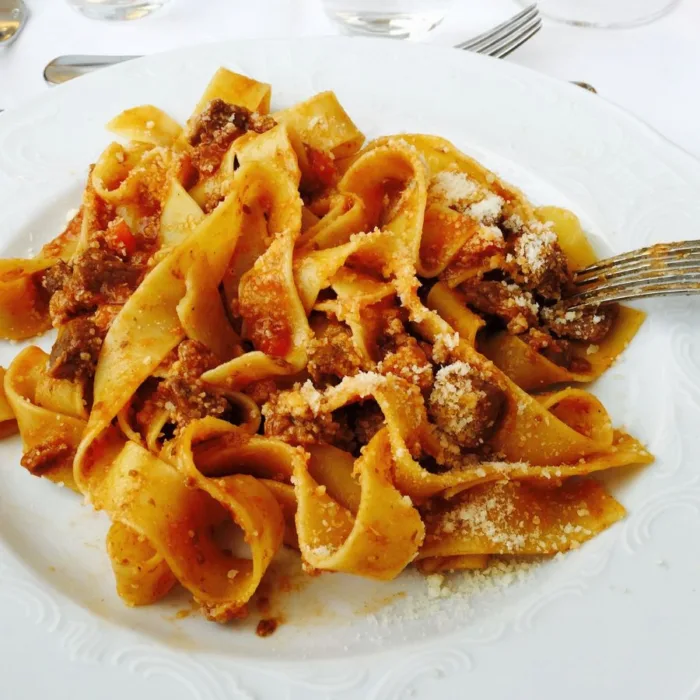


Here you will find some Christmas recipes cooked often in Italy:


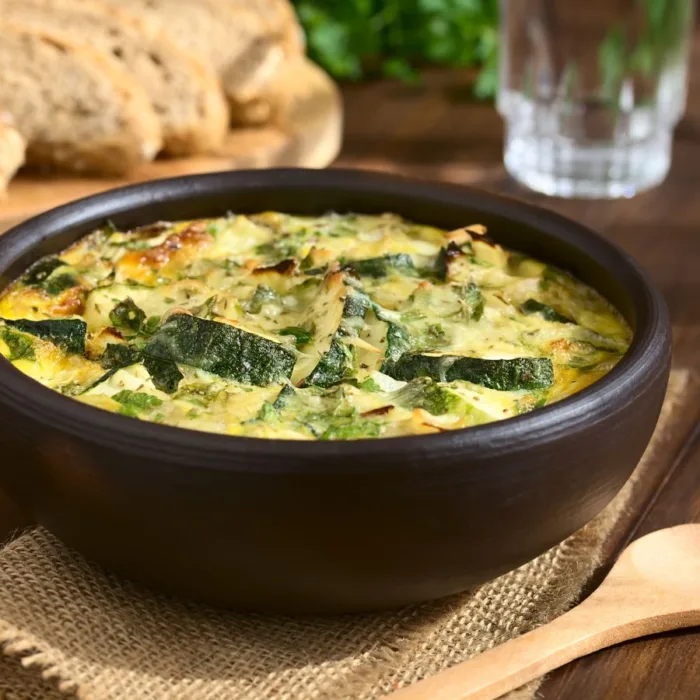
Here you will find some other recipes cooked often in Italy


Switching gears…
If you’re ready for a little break from the kitchen, let’s switch gears to something even closer to my heart: protecting and feeding the soul of my family!
I shared here some quiet, powerful words I whisper daily. They are simple models I’ve crafted to cover protection, guidance, health, and joy for my loved ones — off course, feel free to adapt them for your own family!

Discover here a selection of posts offering practical tips and heartfelt insights on:
- motivation,
- family organization,
- meal planning,
- travel adventures,
- personal inspiration,
- Bible reflections,
- and parenting guided by biblical wisdom



It’s incredible how fast and delicious this is!