
How to Make Easy Spaghetti Alfredo at Home from Scratch
Indulge in the ultimate comfort food with a homemade Alfredo spaghetti that will satisfy all your cravings. Of all the pasta recipes, this classic Italian dish is not only delicious but also surprisingly easy to make. In just a few simple steps, you can create a decadent pasta dish with a creamy texture that will rival any restaurant version.
What is Alfredo Spaghetti Called?
Alfredo spaghetti is commonly known simply as “fettuccine Alfredo” or “fettuccine al burro” in Italy. This dish consists of fettuccine pasta tossed with butter and Parmesan cheese. The name “Alfredo” comes from Alfredo di Lelio, who featured this pasta at his restaurant “Alfredo” in Rome back in the early to mid-20th century. The original recipe is simple, using only fettuccine, butter, and Parmesan cheese, and it has become popular worldwide, especially in the United States, where it often includes cream in the sauce.
Using the freshest ingredients, this simple creamy homemade Alfredo sauce is a rich blend of cream, butter, and lots of cheese (preferably Parmesan or Parmigiano but you may also use Pecorino cheese, also italian), creating a velvety smooth pasta sauce that coats every strand of spaghetti. Add a touch of garlic and nutmeg, and you have a feast for your entire family taste buds.
Whether you’re cooking only for your family cozy night in or you have pretentious guests, this homemade Alfredo spaghetti is the perfect choice. It’s a dish that never fails to impress and is guaranteed to please even the pickiest eaters.
Say goodbye to takeout and pre-packaged meals. With this homemade Alfredo spaghetti recipe, you’ll have a delicious and satisfying meal that is sure to become a family favorite. So grab your apron and get ready to enjoy a taste of Italian comfort right in your own kitchen.
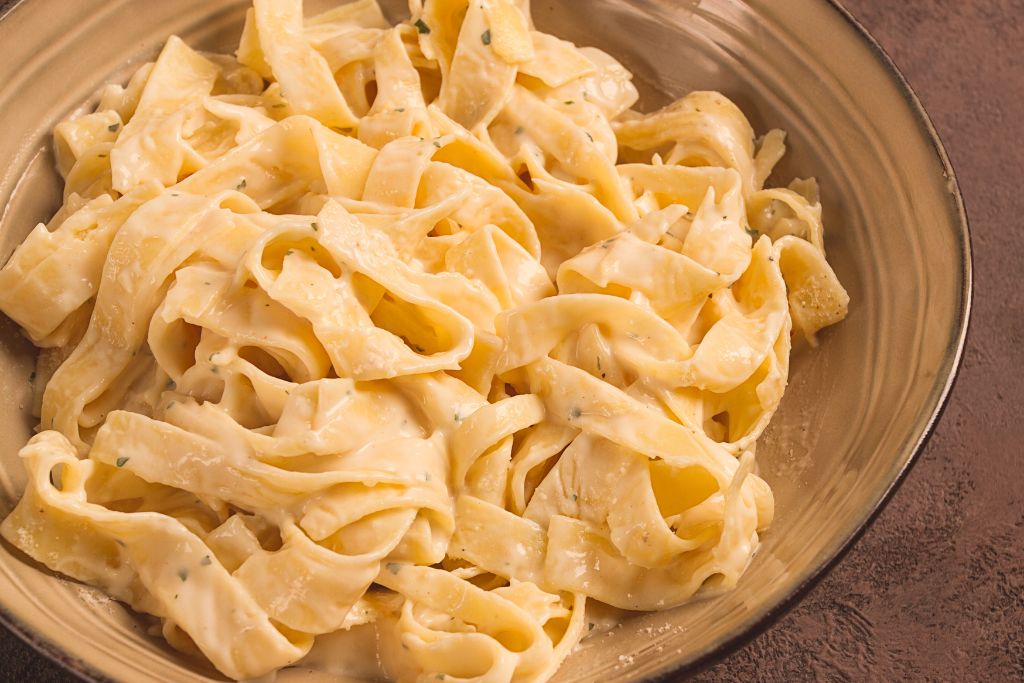
Why Homemade Meals Are the Best Comfort Food
There’s something truly special about a homemade meal, especially when you are cooking for the whole family. Not only does it have the power to nourish the body, but it also warms the heart and soothes the soul. Homemade meals are made with love and care, and that extra touch makes all the difference.
When it comes to comfort food, there’s no better choice than this cheesy pasta. The process of preparing the dish from scratch allows you to control the quality of the ingredients and tailor the flavors to your liking. Plus, the act of cooking itself can be therapeutic and calming, providing a much-needed escape from the stresses of everyday life.
Ingredients for Homemade Alfredo Spaghetti
To create the perfect homemade Alfredo spaghetti, you’ll need the following ingredients:
- 1 pound of spaghetti noodles (the original recipe is with fettuccine but spaghetti noodles work just fine). I explain below the difference between fettuccine and spaghetti noodles and why one is more recommended here than the other.
- 1 cup of heavy cream
- ½ cup of unsalted butter
- 1 cup of grated Parmesan cheese
- 2 garlic cloves, minced
- ¼ teaspoon of ground nutmeg
- Salt and pepper to taste

These simple ingredients come together to create a sauce that is velvety smooth, rich, and full of flavor. Make sure to use high-quality Parmesan cheese for the best results. Freshly grated cheese will melt more easily and add a depth of flavor that pre-packaged grated cheese simply can’t match.
Is Fettuccine Better than Spaghetti Noodles?
Well, what is the difference between fettuccine and spaghetti noodles and which one is better for this recipe?
Fettuccine has a wider, flatter shape compared to spaghetti, which is a long, thin, cylindrical noodle. Plus, the original fettuccine recipe contains eggs, besides flour and water. Fettuccine are great for creamier sauces because the wider surface area allows the sauce to cling better. Spaghetti, on the other hand, is more suited to lighter, oil-based sauces or smooth tomato sauces, as it’s easier for the sauce to coat the strands.

As for personal preferences, some people might find the wider fettuccine noodles more satisfying to twirl around their fork, while others might prefer the classic slurp of spaghetti. In the end, it’s all about what you enjoy eating and what sauce you’re serving it with. So, there’s no definitive answer to which is “better” – it’s all a matter of taste!
Instructions
Step-by-Step Guide to Making Homemade Alfredo Sauce
Making homemade Alfredo sauce may seem intimidating, but it’s actually quite easy. Follow these simple steps to create a sauce that will elevate your spaghetti to new heights of deliciousness:
- In a saucepan, melt the butter over medium heat. Once melted, add the minced garlic and cook for about 1 minute, until fragrant.
- Slowly whisk in the heavy cream, making sure to incorporate it fully with the butter and garlic.
- Reduce the heat to low and let the mixture simmer for about 5 minutes, allowing the flavors to meld together.
- Stir in the grated Parmesan cheese, nutmeg, salt, and pepper. Continue cooking, stirring occasionally, until the cheese is fully melted and the sauce is smooth and creamy.
Cooking the Perfect Spaghetti Noodles – Step by Step Instructions
While the sauce is the star of the dish, the quality of the spaghetti noodles should not be overlooked. Cooking the perfect pasta al dente, as per the original recipe, requires a few key steps:
- Fill a large pot of water and bring it to a rolling boil. Add a generous amount of salt to the water to enhance the flavor of the pasta.
- Carefully add the spaghetti noodles to the boiling water, stirring gently to prevent them from sticking together.
- Cook the noodles according to the package instructions, typically around 8-10 minutes, or until al dente. Be sure to taste the noodles for doneness before draining them.
How do Italians Cook Pasta?
To cook pasta in the traditional Italian way, it’s important to use a deep pot with at least 6 quarts of water for every 1 pound of pasta. This large amount of water helps prevent the pasta from sticking together and clumping as it cooks, allowing it to move freely and cook evenly. Italians also maintain the integrity of the pasta by not breaking it in half, ensuring a more authentic and enjoyable dining experience. Here, on this amazon link is the amazon deep pasta pot I like! There are others with more functionalities (and more expensive) ones but for only boiling the pasta this is enough.
Another crucial step is that you need to stir it immediately after dropping it in the pot in order to prevent sticking. Keep a watchful eye on the pot, as the moment the pasta floats to the top, it’s generally ready to be served. This process typically takes between 8–10 minutes, depending on the specific type of pasta being cooked.
Also, another important point is the cooling of the pasta: you may drain it in a colander, but avoid rinsing it with cold water, as this can wash away the starch that helps bind the sauce to the pasta. The pot above can be drained by using its own strainer lid so you don’t need a separate strainer.
Visual guide of how to cook pasta
For a more visual, practical guide for preparing the pasta you may watch here how Gennaro Contaldo is doing it. As a frequent traveler to Italy and a lover of Italian cuisine, I have found Gennaro’s recipes to be a fantastic way to bring the taste of Italy into my own home, delighting my family with authentic and delicious dishes.
Remember, al dente pasta is key to a perfectly cooked spaghetti, ensuring that it retains a slight bite and texture when combined with the creamy Alfredo sauce.

Combining the Sauce and Noodles for a Delicious Dish
Once you have prepared both the homemade Alfredo sauce and the spaghetti noodles, it’s time to combine them to create a mouthwatering dish. Here’s how:
- Drain the cooked spaghetti noodles, reserving a cup of the pasta water. This starchy pasta water can be used to adjust the consistency of the sauce if needed.
- Add the drained noodles to the saucepan with the Alfredo sauce, using tongs or a pasta fork to toss the noodles until they are evenly coated with the sauce.
- If the sauce is too thick, add a small amount of the reserved pasta water to loosen it up. Be careful not to add too much water, as it can make the sauce overly watery.
- Continue tossing the noodles and sauce together until they are well combined and the sauce clings to the noodles.
Alfredo Spaghetti Recipe
Alfredo Spaghetti
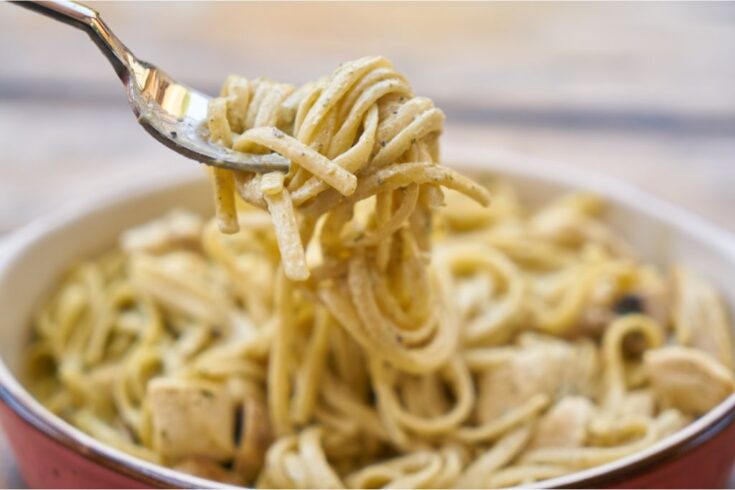
This delightful pasta dish can be prepared from scratch in just over 15 minutes, with no need for haste. Ensure all ingredients are organized and at hand, so the pasta and sauce are ready simultaneously.
Ingredients
- 1 pound of spaghetti noodles (the original recipe is with fettuccine but spaghetti noodles work just fine). I explain below the difference between fettuccine and spaghetti noodles and why one is more recommended here than the other.
- 1 cup of heavy cream
- ½ cup of unsalted butter
- 1 cup of grated Parmesan cheese
- 2 garlic cloves, minced
- ¼ teaspoon of ground nutmeg
- Salt and pepper to taste
Instructions
- In a saucepan, melt the butter over medium heat. Once melted, add the minced garlic and cook for about 1 minute, until fragrant.
- Slowly whisk in the heavy cream, making sure to incorporate it fully with the butter and garlic.
- Reduce the heat to low and let the mixture simmer for about 5 minutes, allowing the flavors to meld together.
- Stir in the grated Parmesan cheese, nutmeg, salt, and pepper. Continue cooking, stirring occasionally, until the cheese is fully melted and the sauce is smooth and creamy.
- While the sauce is simmering, fill a large pot of water and bring it to a rolling boil. Add a generous amount of salt to the water to enhance the flavor of the pasta.
- Carefully add the spaghetti noodles to the boiling water, stirring gently to prevent them from sticking together.
- Cook the noodles according to the package instructions, typically around 8-10 minutes, or until al dente. Be sure to taste the noodles for doneness before draining them. Take them off the heater one minute early in order to be able to make the emulsion with the sauce. (see next step)
Remember, al dente pasta is key to a perfectly cooked spaghetti, ensuring that it retains a slight bite and texture when combined with the creamy Alfredo sauce. - Once the sauce is done, pour the noodles into the sauce together with a half a ladle/ a ladle of pasta water and leave them to simmer together on the heater for one additional minute or until the water is evaporated and the sauce cling to the pasta)
Notes
- Use a deep frying pan. This facilitates tossing the pasta with the sauce, enabling a process where the starch in the pasta combines with the oil in the sauce, resulting in an emulsified, glossy, thick, and rich dish.
- Deduct one minute from the total time of pasta cooking written on the pack so that you will be able to boil them in the sauce for the last minute.
- Pay attention to the boiling time of the pasta. Over-boiling them will result in a sticky texture and ruin the dish.
- The best Parmesan to use is the authentic one, made in Italy - Parmigiano Regiano. Parmigiano Regiano, a type of parmesan, is exclusively produced in Italy. It has a deeper, nuttier, and more pronounced flavor, and is often pricier than other parmesan cheese varieties. In Europe you can find it in the Lidl retail chain. A reasonable substitute for Parmigiano Regiano is Grana Padano. Grana Padano is a close cousin of Parmigiano-Reggiano made from unpasteurized, part skim milk. You can find here more information about Parmesan and its substitutes.
- Regardless of the type of cheese you choose, it's essential to grate it fresh. Pre-grated cheese from stores tends to be dry and flavorless, which can significantly impact the taste of your dish.
- Add pasta water in the sause together with the pasta and simmer them together until the water evaporates. The gluten in the water will make the sauce cling to the pasta.
Recommended Toppings and Additions to Enhance the Flavor
While the classic Alfredo spaghetti is delicious on its own, there are several toppings and additions you can consider to enhance the flavor even further. Here are a few suggestions:
- Add protein to your dish: grilled or ground chicken, ground turkey, chicken breasts stripes or shrimp: the meat will turn it into a heartier meal. For the children you could add any type of ground beef or any type of ground meat but the chicken or shrimp pairs particularly well with the creamy Alfredo sauce.
- Fresh herbs or italian seasoning: Sprinkle some chopped parsley or basil on top of your dish to add a pop of freshness and color.
- Crushed red pepper flakes: If you like a bit of heat, sprinkle some crushed red pepper flakes on your spaghetti for a spicy kick.
- Freshly ground black pepper: A generous amount of freshly ground black pepper can add depth and complexity to the flavors of the dish.
- Garlic powder or onion powder to give it a special flavor
- Feel free to experiment with different toppings and additions to personalize your homemade Alfredo spaghetti and make it truly your own.
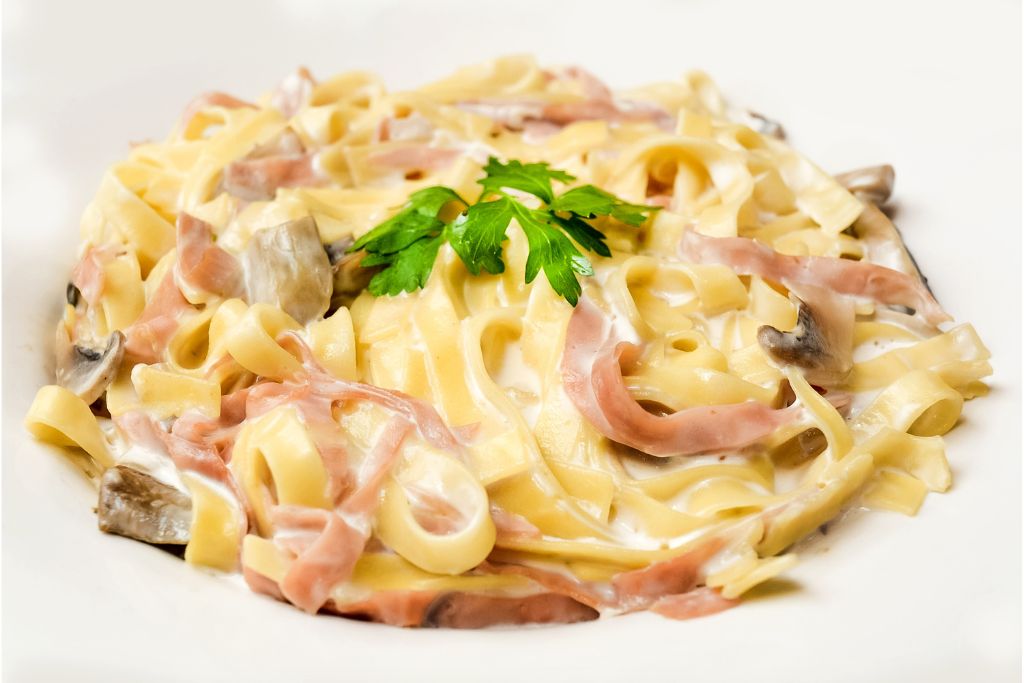
Serving and Enjoying your Homemade Alfredo Spaghetti
Once your homemade Alfredo spaghetti is ready, it’s time to serve and enjoy it. Here are a few tips to make the most out of your culinary creation:
- Garnish with additional grated Parmesan cheese and fresh herbs, if desired. If you like to serve it the italian style, you may add a chunk of mozzarella cheese on top of the plate and then ad a splash of olive oil and dash of italian spices.
- Serve immediately while the pasta is still hot and the sauce is creamy and luscious.
- Pair with a crisp salad or garlic bread for a complete and satisfying meal.
Sit back, take a bite, and savor the creamy goodness of your homemade Alfredo spaghetti. The combination of flavors and textures will transport you to a state of pure comfort and bliss.
Types of Spaghetti Noodles
Spaghetti noodles come in various shapes and sizes, each lending itself to different dishes and cooking methods. The most common type of spaghetti is the classic long, thin strands that we are all familiar with. However, there are also thicker variations, such as spaghettoni and bucatini, which offer a heartier bite.
The one staple ingredient that make the spaghetti, well… spaghetti and not something else is the eggs: when you prepare them at home by scratch you should definitely use whole eggs. The egg yolks give the delicious fresh pasta the beautiful color, nutrients and healthy fats (especially if they are from free range chiken) and the egg whites have an important role in binding the pasta dough. For those looking for a twist on tradition, there are also flavored spaghetti noodles available, infused with ingredients like spinach, tomato, or squid ink. These variations add a unique flavor profile to your dishes and can take your pasta creations to the next level.
Spaghetti Noodle Alternatives for Dietary Restrictions
For those with dietary restrictions or preferences, there are several alternatives to traditional wheat-based spaghetti noodles available. Gluten-free options, such as spaghetti made from rice, corn, or quinoa, are widely available and offer a delicious alternative for those with gluten sensitivities.
For those looking to reduce carbs or incorporate more vegetables into their diet, vegetable-based spaghetti noodles are a great choice. Made from ingredients like zucchini or sweet potatoes, these noodles provide a lighter alternative while still satisfying your pasta cravings.
For those of you on a diet, you could consider using beef broth in your sauce or even in the boiling water when you are cooking pasta. This is a great way to take advantage of the collagen in the meat without eating to much protein.
Tips for Storing and Reheating Spaghetti Noodles
If you find yourself with leftovers, it’s important to know how to properly store and reheat spaghetti noodles to maintain their flavor and texture. To store cooked spaghetti, make sure it has cooled completely before transferring it to an airtight container or freezer bag. Store it in the refrigerator for up to 3 days or in the freezer for up to 2 months.
When reheating spaghetti noodles, it’s best to do so on the stovetop rather than the microwave. Place the noodles in a saucepan with a splash of water or olive oil and heat over low to medium heat, stirring occasionally, until warmed through. This method helps prevent the noodles from becoming mushy.
Added Trivia:
Why NOT to Order Alfredo Fettuccine in Italy?
Even this is definitely an Italian dish, the Italians are not calling it Alfredo. Even if Alfredo was the one who popularized it in United States, this is a traditional, very old Italian dish. And it is called Fettuccine Al Burro in Italy – which basically means pasta with butter.
Do Italians Eat Garlic Bread with Pasta?
In Italy, garlic bread is not typically served alongside pasta. Instead, a piece of plain bread is commonly offered with the pasta dish to help savor the remaining sauce on the plate. This bread, however, is not seasoned with garlic or other spices.
Is Garlic Bread an Italian dish?
Yes and no. While garlic bread may not be a traditional Italian dish, garlic is certainly used with bread in various ways in Italy. One popular example is “bruschetta,” particularly in the region of Apulia/Puglia. In this dish, grilled bread is rubbed with garlic to give it a delightful flavor.
A classic bruschetta consists of grilled bread (preferably from a stone oven), rubbed with garlic, drizzled with high-quality extra virgin olive oil, and sprinkled with a pinch of salt. If you enjoy tomatoes, you can also add them for a delicious variation.
In my opinion, this simple yet flavorful combination is the best way to enjoy bruschetta.
What is the Difference between Alfredo Sauce and Carbonara Sauce?
While Alfredo is made with butter, cream, parmesan and nutmeg, carbonara is made from pecorino romano, eggs, black pepper and guanciale. The pecorino is a harsh, savory ship cheese (pecorino means ship in Italian) and guanciale is a kind of pork meet with fat, unsmoked, raw (crudo), conserved in salt.
Fun Fact About Spaghetti Noodles
Did you know that the average American consumes approximately 20 pounds of pasta each year? That’s a lot of spaghetti noodles! Another fun fact is that the world record for the longest strand of spaghetti ever made is over 8,000 feet long. Imagine trying to twirl that around your fork!
The History of Alfredo Sauce Recipe
Alfredo sauce, also known as “Fettuccine Alfredo,” is a creamy white sauce that originated in Italy. The story behind this iconic sauce dates back to the early 20th century when a Roman restaurateur named Alfredo di Lelio created the dish for his pregnant wife who was experiencing morning sickness.
The original Alfredo sauce consisted of just three ingredients: butter, Parmesan cheese, and pasta water. It was a simple yet decadent combination that quickly became popular among locals and tourists alike. As the dish gained fame, it made its way to the United States, where it was further adapted and refined.
Today, there are countless variations of Alfredo sauce, but the essence of the original recipe remains this easy homemade alfredo sauce: a rich cream sauce that perfectly complements pasta dishes.
The History of Spaghetti Noodles
Spaghetti noodles have a rich history that dates back to ancient times. It is believed that the origins of spaghetti can be traced back to the Arab world, where a similar type of pasta known as “itriyah” was commonly consumed. As trade routes expanded, this form of pasta made its way to Italy, where it became a beloved staple of Italian cuisine.
In the early 20th century, Italian immigrants brought spaghetti noodles to the United States, where it quickly gained popularity. Today, spaghetti is enjoyed by people all over the world and has become a symbol of Italian cuisine.
Conclusion and Final Thoughts
There’s no denying the allure of a homemade Alfredo spaghetti. Its rich and creamy sauce, combined with perfectly cooked spaghetti noodles, creates a dish that is both comforting and indulgent. Whenever we have a down day, or we are tired, this is our family go-to recipe. Sometimes I am cooking it for my personal consumption, but more for the kids, or guests. Whatever the occasion, this homemade pasta dish is sure to impress.
If you follow this step-by-step guide and use fresh ingredients, you can recreate the magic of this classic Italian dish right in your own kitchen. So say goodbye to takeout and pre-packaged meals. With this homemade Alfredo spaghetti recipe, you can satisfy your family cravings and enjoy a meal that is both delicious and comforting. It’s time to elevate your pasta game and experience the joy of homemade Italian cuisine. Buon appetito!




Amazing! This blog looks exactly like my old one! It’s on a totally different topic but it has pretty much the same layout and
design. Great choice of colors!
Thank you, Matthew, nice of you 😉
Thank you! 🙂