The Authentic Greek Spinach Pie Recipe
This traditional Greek recipe, known as spanakopita, masterfully blends the flavors of spinach, feta cheese, and a medley of fresh herbs, all enveloped in delicate layers of crispy phyllo dough. Hailing from the heart of Greece, spanakopita has enchanted food enthusiasts worldwide with its delectable taste. In this article, we will delve into the rich history and meticulous preparation of this cherished dish, providing a step-by-step guide to help you recreate the magic of this savory pie in your own kitchen. So, don your apron, and let’s embark on a culinary adventure to the sun-kissed shores of the Mediterranean.

The history and origin of Spanakopita
Spanakopita, also known as spinach pie or spinach and feta pie, holds a special place in Greek cuisine. Its origins can be traced back to ancient Greece, so approximately 2500-3000 years old, where it was a popular dish during festive occasions and celebrations. The dish has evolved over time, and today it is enjoyed as a staple in Greek households and is a favorite among visitors to Greece.
The word “spanakopita” is derived from the Greek words “spanaki” (meaning spinach) and “pita” (meaning pie). Traditionally, the pie was made with homemade phyllo pastry, which added to its delicate and flaky texture. Spanakopita is not only beloved in Greece but has also gained popularity worldwide for its unique combination of flavors and textures.
Ingredients for a traditional Spanakopita
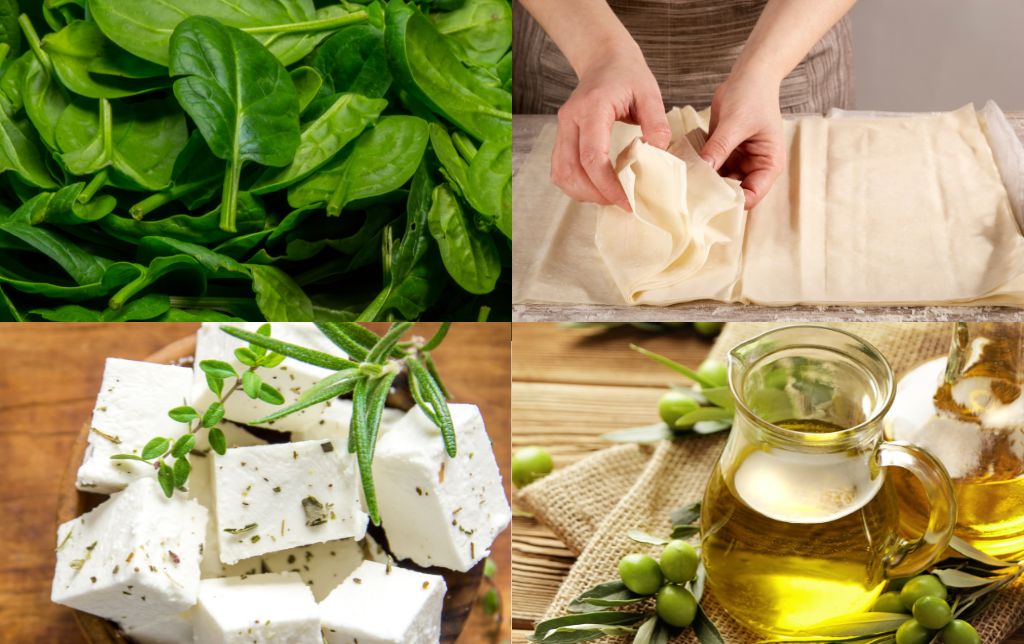
To create the perfect Spanakopita, it is essential to gather the right ingredients. The star of the dish is, of course, the spinach, which should be fresh and vibrant green. Other key ingredients include feta cheese, onions, garlic, dill, parsley, and a hint of nutmeg. These ingredients work together to create a harmonious blend of flavors that make this dish truly irresistible.
When it comes to the pastry, using homemade phyllo sheets is ideal for achieving the perfect flaky texture. However, if you are short on time or prefer convenience, store-bought phyllo sheets can also be used. Whichever option you choose, make sure to thaw the dough properly if it is frozen, as this will prevent it from drying out.
Also, using real feta cheese (which is made from goat milk) and extra virgin olive oil, gives it the flavor that you will never forget.
Homemade authentic greek spinach pie recipe
Spanakopita - greek spinach pie

This easy spanakopita recipe is for the beginners who find it difficult to master the triangle folding. After you have made this full tray version several times and master the phyllo dough, you can then try the folding into feta cheese and spinach triangles, as explained bellow.
Ingredients
- 1 1/2 cups of fresh spinach (or 15 oz frozen chopped spinach, thawed and well-drained of excess moisture)
- 2 bunches flat-leaf parsley, stems trimmed, finely chopped (optional)
- 1 large yellow onion, finely chopped
- 2 garlic cloves, minced
- 2 tbsp extra virgin olive oil
- 4 eggs
- 10.5 oz quality feta cheese, crumbled
- 2 tsp fresh dill chopped
- Freshly-ground black pepper
- 12 sheets of phyllo dough, made as explained bellow
- 4 tbsp extra virgin olive oil or melted butter, for brushing the phyllo
Instructions
- Prepare the phyllo dough and the feta & spinach filling as explained below.
- Preheat your oven to 325 degrees F.
- To assemble the spanakopita, line a 9x9 baking dish with two sheets of phyllo, letting them cover the sides of the dish.
- Brush the phyllo with olive oil or melted butter.
- Continue to layer the phyllo sheets, two at a time, brushing with olive oil or butter, until you have used up all the sheets.
- Spread the spinach and feta filling evenly over the top of the phyllo.
- Fold the overhanging phyllo dough over the spinach filling.
- Brush the top layer of the phyllo with more olive oil or butter.
- Cut the spanakopita into squares, but only cut part-way through, or leave the cutting to later.
- Bake in the 325 degrees F heated-oven for 1 hour, or until the phyllo crust is crisp and golden brown.
- Remove from the oven and let cool for a bit before serving.
Tips for making the perfect flaky pastry
The secret to achieving a perfectly flaky phyllo dough lies in the technique used to handle it. Pay attention to making of phyllo dough, which seams similar to the puff dough but they are not! The most important thing is to roll and stretch the sheets of the dough very, very thin and use only a bit of olive oil or melted butter between the sheets! The Phyllo dough is incredibly thin and delicate, which means it requires gentle handling to prevent tearing and drying out.
First, make sure to work with the dough at room temperature. This will make it more pliable and easier to handle. Keep the dough covered with a damp cloth or plastic wrap while you work to prevent it from drying out.
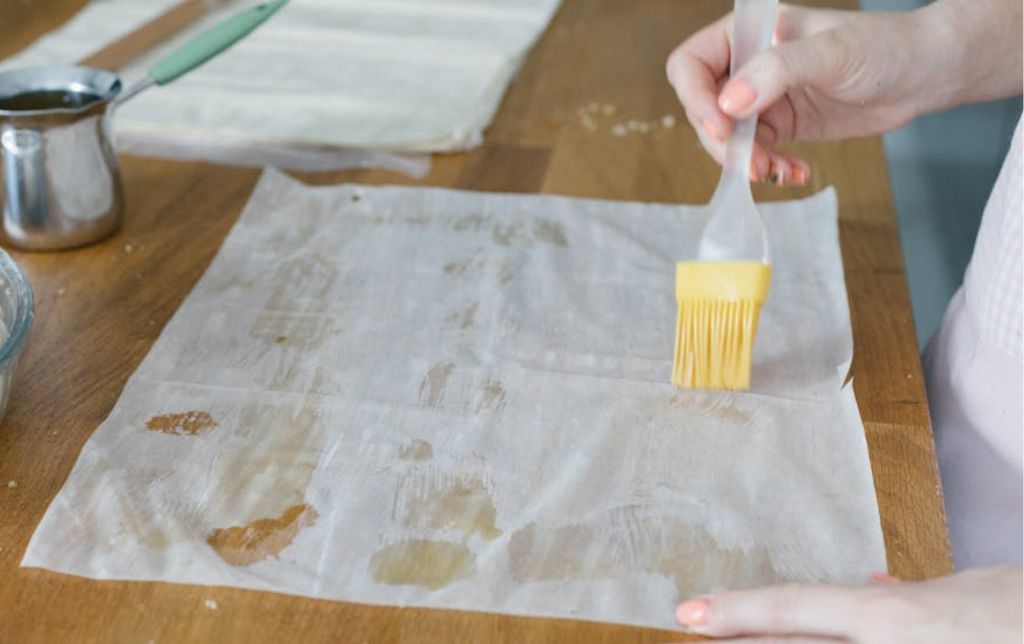
When brushing the layers of phyllo dough with melted butter or olive oil, be sure to do so lightly and evenly. This will help to create distinct layers and achieve that desired flaky texture. Brushing too heavily can result in a greasy and heavy pastry.
Note: You can find some good pastry brushes on Amazon, I recommend the silicon ones, to be able to use them on hot food too. The one that I like, only because I am a Staub fan, is this pastry brush (Amazon). But you can find some good cheaper ones too.
Preparing the filling: Spinach and feta cheese filling
The filling is the heart of a delicious Spanakopita, and getting it right is crucial. Start by sautéing onions and garlic in olive oil until they become soft and translucent. Then, add the spinach and cook until it wilts down. Be sure to squeeze out any excess water from the cooked spinach to prevent the filling from becoming watery.
Next, crumble in the feta cheese and sprinkle in the dill, parsley, and nutmeg. The feta cheese adds a creamy and tangy element to the filling, while the herbs and spices provide a burst of freshness and flavor. Mix everything together until well combined, and the filling is ready to be used.
Assembling and folding the Spanakopita triangles
Assembling the feta cheese and spinach triangles may seem daunting at first, but with a little practice, it becomes an enjoyable process. Start by laying out a sheet of phyllo dough and brush it lightly with melted butter or extra virgin olive oil using a pastry brush. Place another sheet on top and repeat the process until you have a stack of about 4-5 sheets.
Cut the stacked phyllo dough into long strips, about 3-4 inches wide. Place a spoonful of the spinach and feta filling at the bottom of each strip. The first time when you fold, place one corner of the strip over the filling to create a triangle shape. Continue folding the strip, maintaining the triangle shape until you reach the end. Seal the end with a bit of melted butter or egg wash.
Repeat this process with the remaining sheets of phyllo dough and filling until you have a tray full of perfectly folded Spanakopita triangles ready for baking.

Baking and serving the Spanakopita
How is spanakopita baked today?
To achieve that golden-brown and crispy crust, preheat your oven to 375°F (190°C). Place the assembled Spanakopita triangles on a baking sheet lined with parchment paper, leaving a bit of space between each triangle to allow for even cooking.
Brush the tops of the triangles with melted butter or egg wash to give them a glossy finish. This step also helps to enhance the browning during baking. Bake the Spanakopita in the preheated oven for about 25-30 minutes, or until they turn a beautiful golden color.
Once baked, remove the Spanakopita from the oven and let them cool for a few minutes before serving. This allows the filling to set and the pastry to become even more flaky. Serve the Spanakopita warm as an appetizer, side dish, or as part of a Greek meze platter.
How was spanakopita baked in the past?
In the past, baking was a time-consuming affair, as it necessitated the laborious task of stoking a fire in a large oven. Therefore, in the authentic recipe, the baking was done in a large saucepan, usually cast iron, situated directly on the stovetop. To accomplish this, simply pour 2 tablespoons of oil into the pan and heat it. Once the oil reaches the desired temperature, carefully place the phyllo triangles into the pan and allow them to cook for 3-4 minutes on each side over low-medium heat.
This method not only evokes the nostalgic charm of times past but also offers a delightful alternative to the conventional oven-baked version.
Variations and additions to the traditional recipe
While the traditional Spanakopita recipe is a true masterpiece on its own, there are several variations and additions that can elevate this dish even further. One popular variation is to add a touch of lemon zest to the filling, which adds a refreshing citrusy note.
Another variation is to incorporate other greens such as Swiss chard or kale in addition to the spinach. This not only adds variety to the flavor but also increases the nutritional value of the dish.
For those who enjoy a bit of heat, adding a sprinkle of red pepper flakes or a dash of hot sauce to the filling can give the Spanakopita a spicy kick. Experimenting with different herbs and spices, such as mint or oregano, can also add interesting flavor profiles to the dish.

What do you serve with spanakopita?
Spanakopita is incredibly versatile and can be enjoyed in various ways. It can be served as a main dish alongside a fresh Greek salad, or as a delightful appetizer at a gathering or party. Regardless of how you choose to serve it, there are a few accompaniments that pair perfectly with Spanakopita.
Tzatziki, a creamy yogurt and cucumber dip, is a classic accompaniment to Spanakopita. Its tangy and refreshing flavors complement the savory filling of the pastry beautifully. Olives, both green and black, are also a popular addition that adds a briny and salty contrast to the dish.
If you’re looking for a heartier meal, serve Spanakopita with a side of roasted potatoes or a warm bowl of tomato rice. The flavors of these dishes work harmoniously together, creating a satisfying and well-rounded meal.
Other topics of interest about spanakopita
Can I use frozen spinach for spanakopita?
Absolutely, you can use frozen spinach for making spanakopita! Just ensure to thaw the spinach first, and then squeeze out every last drop of that much excess liquid. This way, you’ll keep the texture just right and avoid ending up with a soggy pastry. Only then you can place spinach on the first layer of phyllo.
How healthy is spanakopita?
At the heart of this dish lies spinach, a nutritional powerhouse packed with vitamins, minerals, and antioxidants. Spinach is rich in vitamin K, essential for bone health and the prevention of blood clots, as well as a crucial source of vitamin A, which supports vision and immune function. Additionally, it contains folate, iron, and magnesium. The inclusion of leeks, onions, and fresh herbs like dill not only adds depth of flavor but also contributes to the nutritional value of spanakopita. These ingredients offer their own array of health benefits, including vitamins A and C, calcium, and manganese. So, I dare say it’s wonderful for the children!
But, for the parents, that’s a different discussion. Spanakopita contains a variety of healthy ingredients, but the phyllo dough is made with butter or oil. That will add some extra calories and fat. To make a healthier version, you can use olive oil instead of butter. Or even opt for whole wheat phyllo dough. Additionally, using a smaller amount of feta cheese and adding more vegetables can further enhance the nutritional profile of this delightful dish.
In conclusion, spanakopita can be a nutritious addition to your diet when enjoyed in moderation and prepared with a focus on its health-promoting ingredients. So, go ahead and indulge in this Greek culinary gem, knowing that you’re treating your taste buds and your body to a wholesome delight.
What is the difference between phyllo and puff pastry?
This is the great pastry debate! The difference between phyllo and puff pastry lies in their preparation methods and fat content. Phyllo dough, which is a staple in Greek cuisine, is a thin and crispy pastry. This is typically brushed with oil or butter between layers. It’s like a culinary version of origami. It requires skill and patience to roll and stretch the dough into those lovely, paper-thin sheets.
On the other hand, puff pastry is a more buttery affair. It’s created by folding and rolling layers of butter into the dough multiple times, resulting in a flaky, airy texture that’s perfect for showcasing your culinary prowess. In essence, while phyllo is a delicate and low-fat option, puff pastry is the rich, buttery cousin that’s all about the layers.
So, whether you’re making a savory spanakopita or a sweet mille-feuille, choosing between phyllo and puff pastry is like deciding between a delicate waltz and a flamboyant tango. Both have their charms, and both can elevate your dish to new heights. Just remember, the key to a successful pastry endeavor is knowing which dance partner to choose!
Should you care for other international specialities, please check also:
Danish Dream Cake Recipe (with and without chocolate)
Delicious homemade Lebanese cheese pies (fatayer) recipe
Fluffy Japanese pancakes recipe – how to make
Conclusion: Mastering the art of Spanakopita
Spanakopita is more than just a dish; it is a symbol of Greek culture and culinary tradition. With the right techniques and ingredients, you can create your own perfectly flaky Spanakopita that will impress and delight your family and friends.
From making homemade phyllo pastry to preparing the flavorful filling, each step in the process contributes to the success of this Greek delicacy. Remember to handle the phyllo dough with care, achieve the right balance of flavors in the filling, and master the art of folding the triangles.
So, next time you’re in the mood for a culinary adventure, embark on the journey of creating your own Spanakopita. Take your taste buds on a trip to Greece and savor the flavors of this delightful Greek delicacy.