
Best Gluten Free Bread – Recipes and Store-Bought Brands

If you have any symptoms when you eat anything with wheat flour, you might need to replace your bread with gluten free bread.
Gluten is a protein found in wheat, barley, and rye. It is safe for most people to consume gluten without experiencing adverse health effects. However, some individuals have conditions such as celiac disease, non-celiac gluten sensitivity (NCGS), or wheat allergy, which require them to follow a gluten-free diet. Celiac disease is an autoimmune disorder affecting less than 1% of the population, where gluten triggers an immune response that damages the small intestine. NCGS is when a person reacts to gluten without having an autoimmune response, affecting between 0.5% and 13% of the population. A gluten-free diet is essential for people with these conditions, as it can prevent symptoms and health complications. For those without these conditions, there is no evidence to suggest a specific benefit in following a gluten-free diet, especially if it involves consuming processed gluten-free products that may be less nutritious than their gluten-containing counterparts.
If you are of the people who need a gluten free diet, or at least reduce the quantity of gluten intake, I will direct you here towards the best gluten free bread options and stores on the market, as well as 2 recipes for homemade gluten free bread.
Delicious and Healthy: Uncover the Best Gluten-Free Bread Options for Every Craving
Indulging in bread while maintaining a gluten-free lifestyle is no longer a challenge, thanks to the variety of delicious and healthy options available.
Whether you’re searching for a fluffy and soft sandwich bread or a hearty and rustic loaf to accompany your soups and stews, there is a gluten-free option out there to satisfy your taste buds. We understand the importance of finding bread alternatives that don’t compromise on taste or texture, and that’s why we’ve curated a list of the top gluten-free bread brands known for their exceptional quality and flavor.
Searching for my family, I found great options made from a variety of ingredients like almond flour, tapioca starch, and quinoa that sometimes make me forget I’m even eating gluten-free. From artisan loaves to baguettes, rolls, and even sweet treats, these brands have it all.
Understanding Gluten-Free Bread
Gluten-free bread is a type of bread that is made without the protein gluten, which is found in wheat, barley, and rye. It is essential for individuals with celiac disease, gluten sensitivity, or those following a gluten-free diet due to other health reasons. While traditional bread relies on gluten to provide its structure and elasticity, gluten-free bread utilizes alternative ingredients to achieve a similar great texture and taste.
The Rise of Gluten-Free Diets
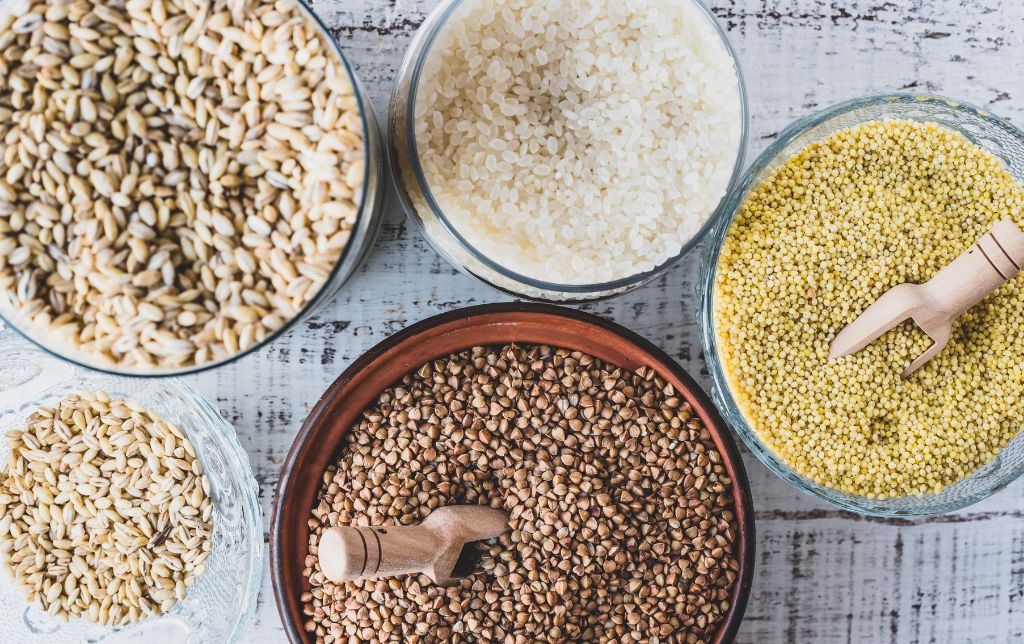
In recent years, there has been a significant rise in gluten-free diets, fueled by increased awareness of celiac disease and gluten sensitivity. Celiac disease is an autoimmune disorder that affects the small intestine when gluten is consumed, causing damage and preventing proper nutrient absorption. Gluten sensitivity, on the other hand, is a non-celiac condition in which individuals experience symptoms similar to celiac disease but without the intestinal damage.
As more people discover their gluten intolerance or choose to adopt a gluten-free lifestyle for its potential health benefits, the demand for gluten-free products, including bread, has grown exponentially. This has led to a surge in the availability and variety of gluten-free bread options in the market.
Health Benefits of Gluten-Free Bread
Gluten-free bread is a good option for individuals who cannot tolerate gluten or choose to follow a gluten-free diet. Firstly, it allows individuals with celiac disease to enjoy bread without experiencing the harmful effects of gluten on their bodies. Eliminating gluten from the diet, it has been noticed and documented that offers the best results in alleviating symptoms such as bloating, diarrhea, and fatigue.
Additionally, gluten-free bread can also benefit those with gluten sensitivity. While not as severe as celiac disease, gluten sensitivity can still cause discomfort and digestive issues. Switching to gluten-free bread can help alleviate these symptoms and improve overall well-being.
Furthermore, some individuals without gluten intolerance or sensitivity also choose to incorporate gluten-free bread into their diet due to its potential health benefits. Gluten-free bread often contains a variety of alternative flours and ingredients, which can provide additional nutrients and fiber compared to traditional wheat-based bread.
Common Misconceptions about Gluten-Free Bread
Despite the growing popularity of gluten-free diets and the availability of many options, there are still some common misconceptions surrounding gluten-free bread. One of the most prevalent misconceptions is that it’s tasteless and lacks texture. While it is true that it can have a different texture compared to traditional grains, advancements in gluten-free baking techniques have resulted in delicious and satisfying options.
Another misconception is that all gluten-free bread is healthy. While gluten-free bread can be a healthier alternative for individuals with gluten intolerance, not all gluten-free bread is created equal. Some brands may use refined flours and additives to mimic the texture of traditional bread, which can reduce its nutritional value. It is important to choose gluten-free bread made from wholesome ingredients for optimal health benefits.
Types of Gluten-Free Bread Available in the Market

The market offers a wide range of gluten-free bread options to suit every taste and preference. Whether you’re looking for a basic sandwich bread, a crusty baguette, or a sweet treat, there is a gluten-free option available. Here are some of the most popular types of gluten-free bread:
Sandwich Bread (or regular bread)
Gluten-free sandwich bread is a staple for many individuals following a gluten-free diet. It is typically soft, fluffy, and perfect for making sandwiches or french toast. Many brands offer gluten-free sandwich bread made from a combination of gluten-free flours such as rice flour, tapioca flour, and potato starch.
Artisan Loaves
If you’re craving a rustic and hearty loaf of bread, gluten-free artisan loaves are an excellent choice. These breads are often made with a blend of alternative flours like almond flour, quinoa flour, and sorghum flour, resulting in a dense and flavorful loaf. They are perfect for serving alongside soups, stews, or enjoying on their own.
Baguettes
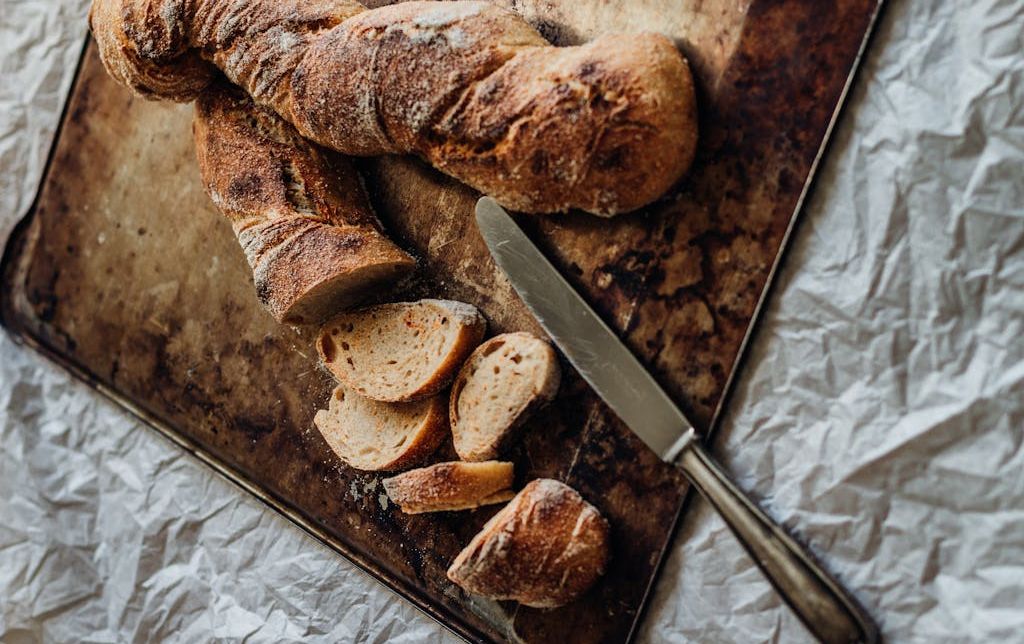
Gluten-free baguettes are a must-try for bread lovers. These crusty and chewy breads can be enjoyed as part of a charcuterie board, sliced and used for sandwiches, or simply dipped in olive oil and enjoyed on their own. Look for brands that use a combination of naturally gluten-free flours like tapioca starch, brown rice flour, and millet flour to achieve the perfect baguette texture.
Rolls
You can use this versatile option for burgers, sliders, or dinner rolls. They are typically soft and fluffy, just like their traditional counterparts. Brands may use a combination of gluten-free flours, such as sorghum flour, oat flour, and cornstarch, to create the perfect texture and taste.
Sweet Treats
Who said gluten-free bread couldn’t be sweet and delicious? Many brands offer gluten-free bread options that cater to your sweet tooth. From cinnamon raisin bread to chocolate chip bread, these sweet treats are perfect for breakfast or as an indulgent snack.
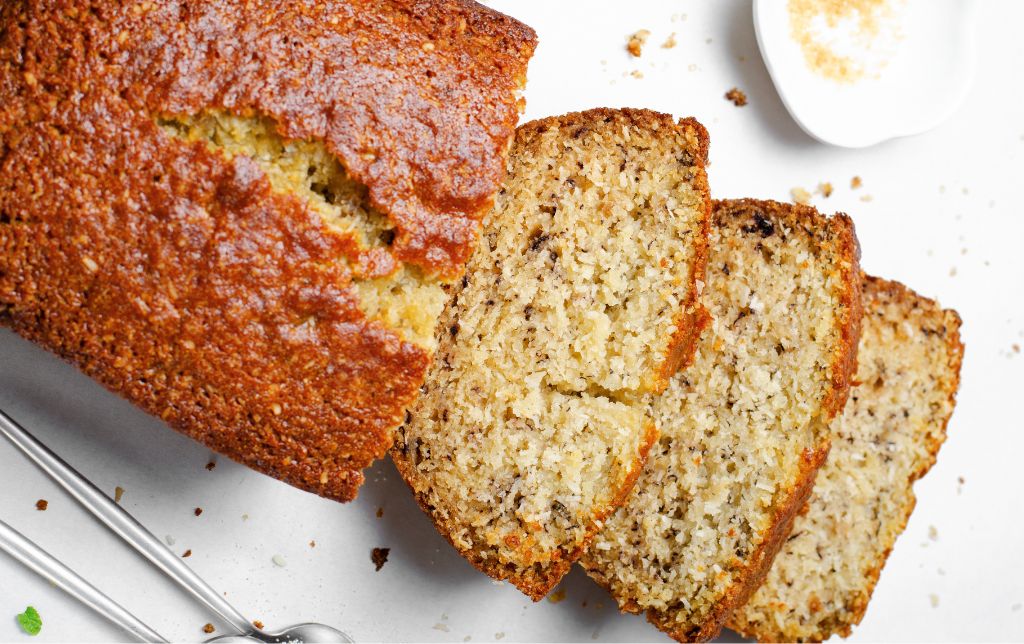
With the variety of gluten-free bread options available, you can enjoy your favorite bread products without compromising on taste or texture.
Best Gluten-Free Store-Bought Bread Brands
When it comes to gluten-free bread, not all brands are created equal. Some brands have mastered the art of gluten-free baking and are known for their exceptional quality and flavor. Here are some of the best gluten-free bread brands worth trying:
- Udi’s: Udi’s is a well-known brand that offers a wide range of gluten-free bread options, including sandwich bread, bagels, and muffins. Their breads are known for their soft and fluffy texture, making them a popular choice among gluten-free individuals.
- Canyon Bakehouse: Canyon Bakehouse is another reputable brand that specializes in gluten-free bread. Their breads are made with a combination of nutritious ingredients like whole grains, seeds, and ancient grains. The result is a flavorful and hearty loaf of bread that can satisfy even the pickiest eaters.
- Schar: Schar is a European brand that has gained popularity for its high-quality gluten-free bread. Their breads are known for their authentic taste and texture, closely resembling traditional wheat-based bread. Schar offers a variety of options, including baguettes, rolls, and even gluten-free croissants.
- Glutino: Glutino is a brand that offers a wide range of gluten-free products, including bread. Their breads are made with a blend of gluten-free flours and are known for their delicious taste and airy texture. Glutino offers options like sandwich bread, bagels, and English muffins.
- Canyon Gluten-Free: Canyon Gluten-Free is a newer brand that has quickly gained popularity for its high-quality gluten-free bread. Their breads are made with a blend of whole grains and ancient grains, resulting in a nutritious and flavorful loaf. Canyon Gluten-Free offers a variety of options, including sandwich bread, bagels, and hamburger buns.
These brands have consistently delivered excellent gluten-free bread options, they are our go-to choice for when we want delicious and healthy alternatives for bread.
Homemade Gluten-Free Bread Recipes

If you prefer to make your own gluten-free bread at home, there are plenty of recipes available to satisfy your cravings. I will share with you the 2 options that we use the most (the gluten free regular bread, for sandwiches and toast and the gluten free artisan bread for when we want something more nutritious). Homemade gluten-free bread allows you to customize the ingredients and flavors to suit your preferences. Here are a few popular gluten-free bread recipes to try:
- Gluten-Free Sandwich Bread: This recipe uses a combination of gluten-free flours, xanthan gum, and yeast to create a soft and fluffy sandwich bread. You can easily customize it with add-ins like seeds or herbs for extra flavor.
- Gluten-Free Artisan Bread: This recipe combines various gluten-free flours, psyllium husk, and warm water to create a rustic and hearty artisan loaf. It requires minimal kneading and results in a crusty bread with a chewy interior.
- Gluten-Free Baguette: This recipe uses a blend of gluten-free flours, yeast, and olive oil to create a delicious gluten-free baguette. It requires a bit of shaping and patience, but the end result is worth it.
- Gluten-Free Dinner Rolls: These soft and fluffy dinner rolls are perfect for special occasions or everyday meals. The recipe uses a combination of gluten-free flours, eggs, and butter to achieve a tender texture.
Experimenting with homemade gluten-free bread allows you to personalize the flavors and textures to your liking. It can also be a fun and rewarding experience for those who enjoy baking.
Gluten-free bread recipe cards
Best Gluten Free Sandwich Bread Homemade Recipe

Enjoy your freshly baked gluten-free bread! Feel free to customize it by adding seeds, nuts, or herbs to the dough for extra flavor and texture.
Ingredients
- 2 cups gluten-free all-purpose flour blend
- 1 teaspoon xanthan gum (omit if your flour blend already contains it)
- 1 teaspoon salt
- 1 tablespoon sugar or honey
- 1 packet (2 1/4 teaspoons) active dry yeast
- 1 1/4 cups warm water (about 110°F or 45°C)
- 2 tablespoons olive oil
- 2 large eggs
Instructions
- In a large mixing bowl, whisk together the gluten-free flour blend, xanthan gum (if using), salt, and sugar (or honey).
- In a small bowl, combine the warm water and yeast. Let it sit for about 5 minutes until the yeast is foamy.
- Once the yeast is activated, add the olive oil and eggs to the yeast mixture and whisk to combine.
- Pour the wet ingredients into the dry ingredients and mix until a dough forms. It will be sticky.
- Scrape the dough into a greased loaf pan (approximately 9x5 inches) and smooth the top with a wet spatula.
- Cover the loaf pan loosely with plastic wrap or a clean kitchen towel and let it rise in a warm place for about 45-60 minutes, or until it's almost doubled in size.
- Preheat your oven to 375°F (190°C).
- Once the dough has risen, remove the plastic wrap or towel and bake the bread in the preheated oven for 35-40 minutes, or until the top is golden brown and the bread sounds hollow when tapped on the bottom.
- Remove the bread from the oven and let it cool in the pan for about 10 minutes. Then transfer it to a wire rack to cool completely before slicing.
Notes
- Use a good quality gluten-free flour blend. There are many different blends available, so find one that you like and works well for breads.
- Make sure your ingredients are at room temperature. This will help the dough to come together more easily.
- Don't overmix the dough. Gluten-free doughs are typically more delicate than wheat doughs, so be careful not to overwork it.
- Let the bread cool completely before slicing. This will help it to set and prevent it from crumbling.
- If you don't use enough xanthan gum, your baked goods will be crumbly and lack moisture. If you use too much, the dough/batter will become overly sticky, making it hard to mix and spread. Xanthan gum plays a crucial role in gluten-free baking by acting as a binding agent. It helps to mimic the effects of gluten by holding ingredients together and providing structure to the baked goods. This is particularly important in gluten-free recipes because they lack the binding properties that gluten provides in traditional recipes. In addition to its binding function, xanthan gum also contributes to the elasticity of dough and the overall texture of the final product. This makes it a common ingredient in recipes for various gluten-free baked goods, such as bread, cakes, cookies, and more.
- If you are on a diet you can use the egg whites instead of the entire eggs
Gluten-Free Artisan Bread Recipe

This amazing recipe is best enjoyed fresh but can also be stored in an airtight container at room temperature for a few days or frozen for longer storage.
Ingredients
- 2 cups gluten-free all-purpose flour blend (make sure it includes xanthan gum)
- 1 cup almond flour
- 1/2 cup tapioca flour
- 1/4 cup ground flaxseed (optional, for added texture and nutrition)
- 2 teaspoons instant yeast
- 1 1/2 teaspoons salt
- 1 1/2 cups warm water (about 110°F or 45°C)
- 2 tablespoons olive oil
- 1 tablespoon honey or maple syrup
- 1 teaspoon apple cider vinegar
- 2 teaspoons of sunflower seeds (optional)
Instructions
- In a large mixing bowl, whisk together the gluten-free all-purpose flour blend, almond flour, tapioca flour, ground flaxseed (if using), instant yeast, and salt until well combined.
- In a separate bowl, combine the warm water, olive oil, honey (or maple syrup), and apple cider vinegar. Stir until the sweetener is dissolved.
- Pour the wet ingredients into the dry ingredients and mix until a sticky dough forms.
- Use a spatula or wooden spoon to combine the ingredients thoroughly.
- Cover the bowl with plastic wrap or a clean kitchen towel and let the dough rise in a warm place for about 1-2 hours, or until it has doubled in size. The rising time may vary depending on the temperature of your kitchen.
- Once the dough has risen, preheat your oven to 425°F (220°C). Place a Dutch oven or heavy oven-safe pot with a lid into the oven while it preheats.
While the oven is preheating, gently shape the risen dough into a round loaf on a piece of parchment paper. Use wet hands to prevent the dough from sticking. - Once the oven is preheated, carefully remove the hot Dutch oven or pot from the oven using oven mitts. Transfer the shaped dough along with the parchment paper into the hot pot.
- Cover the pot with the lid and bake the bread for 30 minutes.
- After 30 minutes, remove the lid from the pot and continue baking the bread for an additional 15-20 minutes, or until the crust is golden brown and the bread sounds hollow when tapped on the bottom.
- Once baked, carefully remove the bread from the pot and transfer it to a wire rack to cool completely before slicing.
How to Choose the Right Gluten-Free Bread for Your Cravings
With so many options available, choosing the right gluten-free bread can seem overwhelming. Here are a few factors to consider when selecting the perfect gluten-free bread for your cravings:
- Texture: Consider the texture you prefer in your bread. Some individuals enjoy a softer and fluffier texture, while others prefer a denser and heartier bread. Read reviews and descriptions to get an idea of the texture of different gluten-free bread options.
- Ingredients: Check the ingredient list to ensure that the gluten-free bread is made from wholesome ingredients. Look for breads that use a variety of alternative flours and whole grains for added nutrition.
- Taste: Taste is subjective, so it’s important to find a gluten-free bread that suits your taste buds. Some brands offer breads with a neutral taste, while others have added flavors like herbs or seeds. Experiment with different brands and flavors to find your favorite.
- Availability: Consider the availability of gluten-free bread in your area. Some brands may be more accessible than others, so it’s important to choose a brand that you can easily find or order online.
By considering these factors, you can find the perfect gluten-free bread that satisfies your cravings and meets your dietary needs.
Where to Buy the Best Gluten-Free Bread
You can find gluten-free bread in various locations, depending on your preference and convenience. Here are a few places where you can purchase gluten-free bread:
Grocery Stores
Most grocery stores have a dedicated gluten-free section where you can find a variety of gluten-free bread options. Check the bakery section or the frozen aisle for the best selection. For example, you can find a variety of gluten free options at Trader Joe’s.
Health Food Stores
Health food stores often have a wide range of gluten-free products, including bread. These stores may carry specialty brands or artisanal gluten-free bread options.
Online Retailers
Online retailers like Ahttps://amzn.to/3JmFk1qmazon offer a vast selection of gluten-free bread brands and flavors. Here are the options we used, some of them you can find them directly on amazon but I leave you here the online shop addresses too.
- AWG Bakery – This bakery specializes in nutrient-dense organic, grain-free, gluten-free, vegan, and paleo bread. They offer four flavors in bread, minis, bagels, and rounds, and ship across the US.
- Simple Kneads – This site offers gluten-free bread options under the “Breads” category.
- Target’s online platform offers a selection of gluten-free bread from brands like Canyon Bakehouse and Franz Gluten Free. Their gluten-free bread mirrors traditional bread with a soft, pliable texture and delicious flavor.
- Franz Gluten Free – Dedicated to providing high-quality gluten-free bread, Franz Gluten Free offers four types of bread made with whole and ancient grains. Their products are certified by the Gluten-Free Organization (GFCO).
- Eban’s Bakehouse – Eban’s Bakehouse focuses on using organic, local, and non-GMO ingredients to create flavorful gluten-free bread and cookies. They offer a variety of bread options, including cinnamon raisin bread, seeded bread, oat bread, flaxseed oat bread, and more.
- The Gluten Free Bakery – This award-winning low waste, allergen-free bakery provides a range of gluten-free sourdough bagels and gluten-free sourdough loaves.
- Canyon Bakehouse – Canyon Bakehouse offers a selection of gluten-free bread, including their popular Cinnamon Raisin Bread.
- when we are in Europe: My GF Bakery – This UK-based bakery specializes in delivering gluten-free bread to your door. They offer award-winning and innovative gluten-free artisan sourdough bread and baking kits online. They also cater to vegan customers. You can get in touch with them for restaurant and wholesale supply.
Local Bakeries
Some local bakeries may offer gluten-free bread options or be willing to accommodate special orders. It’s worth reaching out to bakeries in your area to inquire about their gluten-free offerings.
Farmers’ Markets
Look for the farmers’ markets around you, they are a great place to find homemade or artisanal gluten-free bread options. Local vendors often specialize in gluten-free products and can provide unique and delicious bread options.
Remember to check the labels and ingredient lists to ensure that the gluten-free bread meets your dietary needs and preferences.
Other questions about best gluten free breads
Is all sourdough bread gluten-free?
No, not all sourdough bread is gluten-free. Sourdough bread made from wheat, barley, or rye, which are gluten-containing grains, is not gluten-free. The fermentation process in making sourdough bread partially breaks down the gluten, but it does not eliminate it entirely. The resulting bread may have a lower gluten content than commercial breads, but it is still not considered gluten-free. This is also why the people with IBS, gluten intolerance, or gluten sensitivity can eat bread sourdough bread. To be considered gluten-free, a product must contain less than 20 parts per million of gluten, and traditional sourdough bread does not meet this standard. However, there are gluten-free sourdough breads available, made.
What kind of bread is good for gluten intolerance?
For individuals with gluten intolerance, it’s essential to choose gluten-free flours and flour blends that do not contain wheat, barley, or rye, which are the grains that contain gluten. Here are some types of flour that are good options for those with gluten intolerance:
Rice Flour
Rice flour is a versatile gluten-free flour made from finely ground rice. It has a neutral flavor and a fine texture, making it suitable for a wide range of baking purposes, including bread, cakes, cookies, and pastries.
Almond Flour
Almond flour is made from finely ground blanched almonds and has a slightly sweet, nutty flavor. It adds moisture and richness to baked goods and is commonly used in gluten-free baking recipes for cakes, cookies, muffins, and crusts.
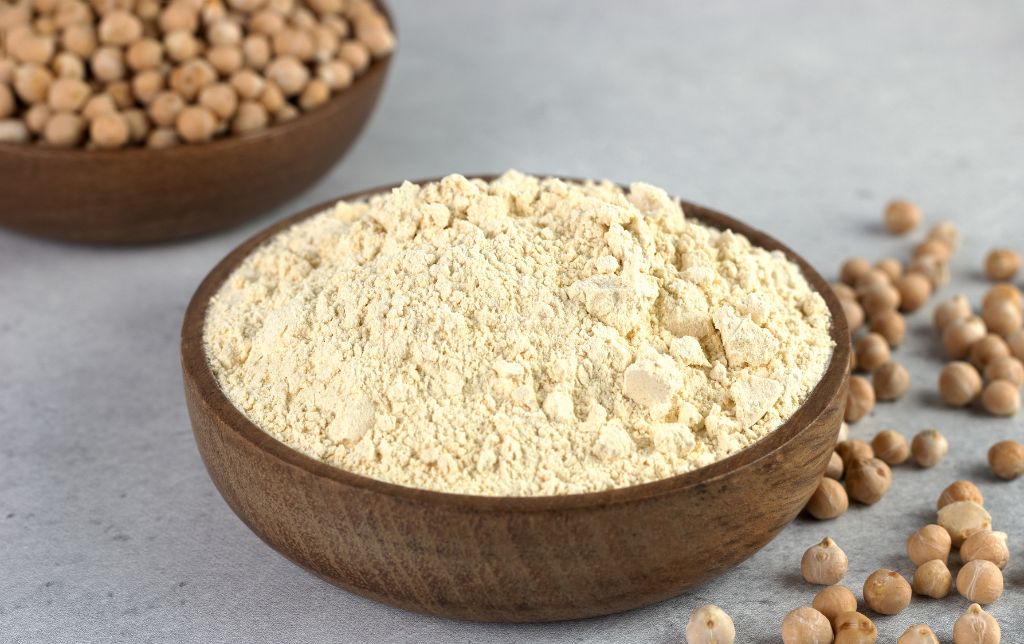
Coconut Flour
Coconut flour is made from dried coconut meat that has been ground into a fine powder. It has a mild coconut flavor and is highly absorbent, so it requires more liquid in recipes. Coconut flour is often used in gluten-free baking for its high fiber content and ability to produce light and fluffy textures.
Quinoa Flour
Quinoa flour is made from ground quinoa seeds and has a slightly nutty flavor. It is high in protein and nutrients, making it a nutritious choice for gluten-free baking. Quinoa flour can be used in bread, pancakes, muffins, and other baked goods.
Tapioca Flour/Starch
Tapioca flour, also known as tapioca starch, is made from the starchy roots of the cassava plant. It has a neutral flavor and a smooth texture, making it ideal for thickening sauces, soups, and gravies, as well as for adding structure and chewiness to gluten-free baked goods.
Potato Flour/Starch
Potato flour and potato starch are both made from dried potatoes and are often used interchangeably in gluten-free baking. They add moisture and tenderness to baked goods and can also be used as thickeners in recipes.
Sorghum Flour
Sorghum flour is made from ground sorghum grains and has a slightly sweet, earthy flavor. It is high in fiber and protein and is commonly used in gluten-free baking for all kinds of grains, including muffins, pancakes, and cookies.
Oat Flour (Certified Gluten-Free)
While oats themselves are gluten-free, they are often processed in facilities that also handle wheat, barley, and rye, leading to potential cross-contamination. To ensure that oat flour is gluten-free, look for products labeled as “certified gluten-free.”
When you use gluten-free flours, it’s often beneficial to use a blend of different flours to achieve the desired texture and flavor in baked goods. You can find many gluten-free flour blends available commercially, or you can create your own blend by combining different gluten-free flours according to your preferences and dietary needs.
What bread is naturally gluten-free?
Several types of bread are naturally gluten-free because they are made from grains or ingredients that do not contain gluten. Here are some examples of naturally gluten-free bread: Cornbread, Rice Bread, Quinoa Bread, Buckwheat Bread, Millet Bread, Sorghum Bread, Teff Bread.
It’s important to note that though, that when gluten-free bread products are made in a facility that also processes gluten-containing ingredients they might be contaminated. For those with intolerance to gluten it’s not a big problem, but for those with celiac disease they are not recommended unless they are GFCO stamped. The gluten-free products are certified gluten-free by the Gluten-Free Certification Organization (GFCO), meeting rigorous standards for gluten-free food production.
Is oatmeal gluten-free?
Oats themselves are naturally gluten-free, but they can sometimes be contaminated with gluten during processing. Oats are often grown in rotation with gluten-containing grains like wheat, barley, and rye, and they may be processed in facilities that also handle these grains, leading to the risk of cross-contamination.
When you cook for somebody with celiac disease or severe gluten intolerance, choose oats that are labeled as “certified gluten-free.” These oats are grown, processed, and handled in a way that minimizes the risk of cross-contamination with gluten-containing grains.
It’s also worth noting that some individuals may have a sensitivity to avenin, a protein found in oats, which can cause symptoms similar to those of gluten intolerance. If you suspect that you may be sensitive to avenin, you should consult with a healthcare professional before consuming oats, even if they are certified gluten-free.
Other breakfast recipes
10 Easy Protein Pancakes Without Banana Recipes
Delicious homemade Lebanese cheese pies (fatayer) recipe
Rise and Shine with Delicious Overnight Oats (easiest breakfast ever!)
Conclusion: Enjoying Delicious and Healthy Gluten-Free Bread Options
In conclusion, you will find quite easily delicious and healthy options. With the rise of gluten-free diets and increased awareness of gluten intolerance, the market has responded with a wide range of options that cater to every craving.
From soft and fluffy sandwich to crusty baguettes and sweet treats, there is a favorite option for everyone. Brands like Udi’s, Canyon Bakehouse, Schar, Glutino, and Canyon Gluten-Free have become renowned for their exceptional quality and flavor.
If you prefer to make it at home, there are plenty of recipes available to explore. Then you will be able to personalize the ingredients and flavors to your liking.
Whether you choose to purchase it or make it at home, remember to consider the texture, ingredients, taste, and availability when selecting the perfect gluten-free bread for your cravings. With the variety of options available, you will find your favorite, without compromising on taste or texture.
Don’t let your gluten-free diet limit your bread options. Indulge in the pleasure of bread with the best gluten-free options on the market.




I love how you simplify things and make them so actionable.
This was a great overview! I feel more confident in this subject now.