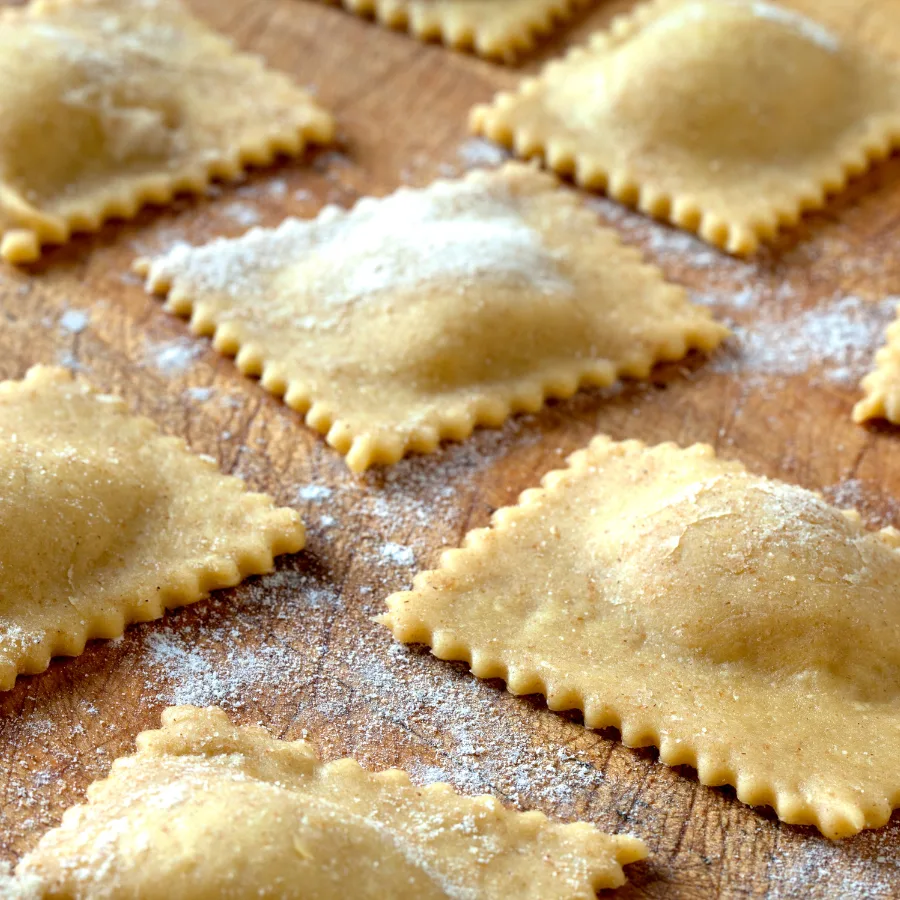
Cirioli Cacio e Pepe – a Soft Variation of the Famous Roman Pasta
This Cirioli Cacio e Pepe recipe is so simple and quick, but crazy tasty that you will not even believe it! It’s originally a Rome’s classic comfort food, and combines the rustic, chewy cirioli pasta with a creamy, peppery cheese sauce. It’s quick and indulgent, perfect for a cozy weeknight dinner, bringing together on your family plates simple ingredients with bold flavors. Ideal for anyone craving a taste of Italy’s capital with a fun twist on tradition.
Cirioli Cacio e Pepe Recipe Card
Cirioli Cacio e Pepe

This recipe keeps the spirit of Rome’s minimalist cuisine—simple ingredients, big flavors—but offers a fun twist for a softer texture.
Ingredients
- 1 cup (100g) Pecorino Romano cheese, finely grated (use a microplane for best results)
- 1–2 tsp whole black peppercorns (adjust to taste)
- 2 tbsp unsalted butter (optional, for richness, though non-traditional)
- 1/2 cup reserved hot water from pasta boiling
- 200g cirioli (tonnarelli in original recipe)
- Coarse salt, to taste
Instructions
- Toast the Pepper: In a dry skillet over medium heat, toast the whole peppercorns for 2–3 minutes, shaking occasionally, until fragrant. Crush coarsely using a mortar and pestle or a pepper grinder (avoid fine powder).
- Cook Pasta: Bring a pot of lightly salted water to a boil (use less salt than usual, as Pecorino is salty). Cook cirioli pasta 2 minutes less than package instructions for al dente (about 6–8 minutes). Reserve 1 cup of starchy pasta water, then drain.
- Make the Cheese Paste: In a large bowl, combine the finely grated Pecorino Romano with 1/4 cup of reserved pasta water. Stir with a fork to form a thick, creamy paste. Add more water, 1 tbsp at a time, if needed, but keep it thick.
- Create the Sauce: In a large skillet over low heat, melt 1 tbsp butter (if using) and add the toasted pepper. Pour in 1/3 cup reserved pasta water and stir for 30 seconds to combine. Add it pasta and toss for 1–2 minutes to finish cooking and release starch.
- Combine: Turn off the heat and wait 30 seconds to cool the skillet slightly (prevents cheese clumping). Add the Pecorino paste gradually, stirring vigorously with tongs or a spatula until a smooth, glossy sauce forms. If too thick, add more pasta water, 1 tbsp at a time.
- Serve: Plate immediately, garnishing with extra grated Pecorino and a pinch of black pepper. Pair with a simple arugula salad or roasted veggies for balance.
Notes
- Authenticity Note: Traditional cacio e pepe uses only pasta, Pecorino, pepper, and water—no butter or oil. This recipe adapts the sauce with optional butter for a foolproof creamy texture (as we prefer it in our family). Omit butter for a purer Roman vibe.
- Prevent Clumping: Finely grate Pecorino with a microplane and let it reach room temperature before mixing. Avoid high heat when adding cheese to the skillet.
- Cirioli Substitute: If cirioli aren’t available, use tonnarelli as in the original Roman recipe and if you don't find those either, you can very well use spaghetti or bucatini but instead of 200 g use 230 grams!
- Storage: Best eaten fresh, as the sauce thickens when cooled. If you have leftovers, store in an airtight container in the fridge for 1–2 days. Reheat gently with a splash of water to revive the sauce.
What is the difference between cirioli and tonnarelli used in the original Roman dish?
Tonnarelli and ciriole are both long, square-cut pastas, but they differ in origin, size, and culinary use:
- Tonnarelli, from Lazio (Rome) and Abruzzo, is thicker (2–3 mm), chewier, and the traditional choice for the Roman dishes cacio e pepe. They are usually made with durum wheat and sometimes eggs. Tonnarelli’s robust texture suits bold sauces like carbonara or amatriciana, while ciriole pairs well with lighter Umbrian sauces, such as truffle or arrabbiata. Tonnarelli is widely available fresh or dried. For cacio e pepe, tonnarelli offers a heartier bite, and works great during the cold months.
- On the other hand, ciriole a more delicate Umbrian pasta (1–1.5 mm), and is typically handmade with flour and water. That is why it has a tender, rustic texture. Ciriole is rare outside Umbria and you will mostly find it in specialty stores. Or, you can make it homemade. For cacio e pepe ciriole brings a lighter, finer texture, perfect for the summer diners!
What can you pair the cirioli cacio pepe with? – Italy style
Cacio e pepe is rich and savory, so pair with acidic, fresh, or crisp elements (e.g., lemon, arugula, tomatoes) and acidic wines to cut through the creaminess. I will focus here on drinks but I will give you also some menu ideas in which to incorporate the cacio e pepe.
Beverage Pairings
- Wine:
- White: you need a crisp, fresh white wine served chilled to 7–10°C (45–50°F) to cut through Pecorino’s richness. If you are in Italy, our preferred options are:
- Umbrian Grechetto (e.g., Cantina Lungarotti Grechetto) – is crisp with delicate citrusy notes
- Pecorino (from Abruzzo or Marche) – has bright acidity and herbal notes
- Red: you can also use a red wine, lightly cooled to 16°C (60°F). Our favorite is Light Umbrian Sangiovese (e.g., Montefalco Rosso) due to its fruity notes which go surprisingly well with the richness of the cheese.
- White: you need a crisp, fresh white wine served chilled to 7–10°C (45–50°F) to cut through Pecorino’s richness. If you are in Italy, our preferred options are:
- Non-Alcoholic:
- again, even if non alcoholic, still an acidic drink goes best with this rich pasta. You can make a homade lemonade (mix fresh lemon juice, water, and a touch of honey) or chose a bittersweet citrus soda (eg. Chinotto)
Menu Ideas to Incorporate Cacio e Pepe
Menu 1:
Notes: This menu is light, seasonal, and Umbrian-inspired, with each course enhancing the cacio e pepe’s creamy, peppery flavors.
- Antipasto (starters): Prosciutto e Melone
- Primo (first): Ciriole Cacio e Pepe
- Contorno (second): Grilled Zucchini with Mint and Lemon
- Dolce (dessert): Lemon Granita
- Vino (wine): Umbrian Grechetto (or a fresh chilled white wine)
Menu 2:
Notes: Serve outdoors with simple tableware for an authentic Italian feel.
- Antipasto (starters): Bruschetta al Pomodoro (Tomato Bruschetta):
- Primo (first): Ciriole Cacio e Pepe
- Contorno (second): Rucola e Parmigiano Salad (Arugula and Parmesan Salad)
- Dolce (dessert): Pesche Ripiene (Stuffed Peaches)
- Vino (wine): Light Umbrian Sangiovese (or any light red wine, slightly cooled) – works well with the dessert peaches stuffed with amaretti!
Other mediterranean topics that might get your interest
Switching gears…
If you’re ready for a little break from the kitchen, let’s switch gears to something even closer to my heart: protecting and feeding the soul of my family!
I shared here some quiet, powerful words I whisper daily. They are simple models I’ve crafted to cover protection, guidance, health, and joy for my loved ones — off course, feel free to adapt them for your own family!

In this article I lay out my plan that I designed to get a bikini-ready body (well, all right, no bikini for me, but pretty sculpted 😉 ). In Italy, the abundant produce and mindful eating habits make healthy dieting effortless. I hope you will get some inspiration from it and plan your fabulos plan for getting your ideal summer body weight. Or you can follow me and enjoy with me this Italian approach to wellness.
Here you will find some Summer light recipes, cooked often in Italy:

Caponata di Verdure 
Zucchini Carpaccio 
Shrimp Asparagus
Here you will find some Easter recipes cooked often in Italy:

Agnello Arrosto 
Colomba 
Pardulas
Here you will find some other recipes cooked often in Italy:
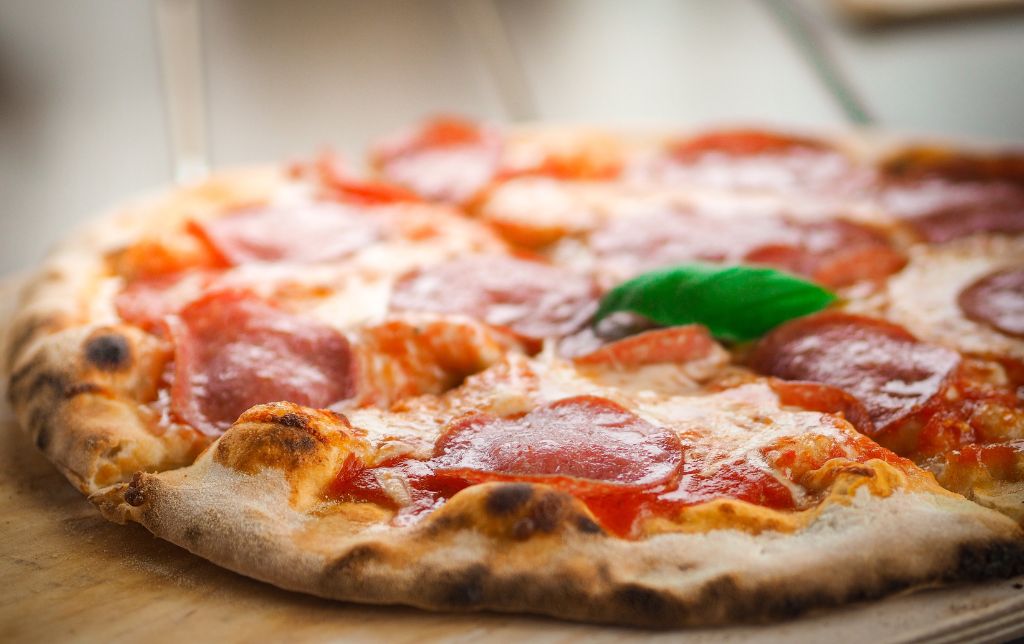

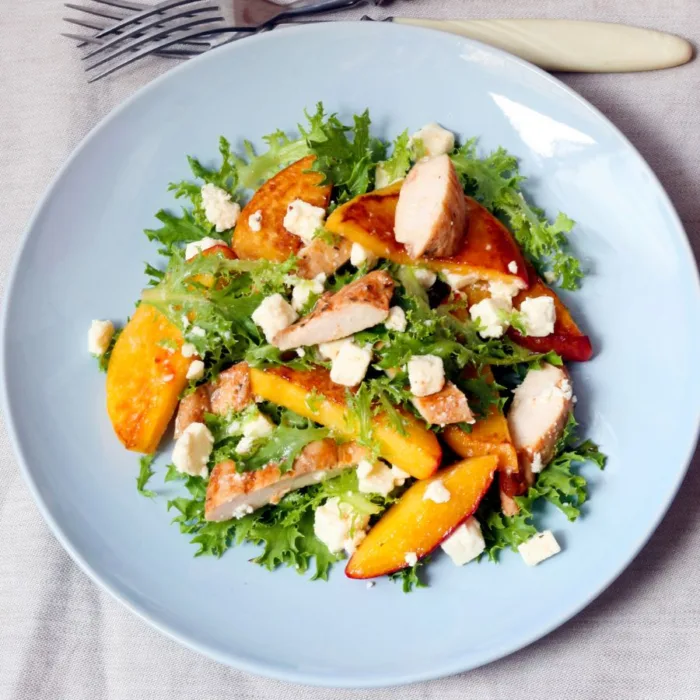
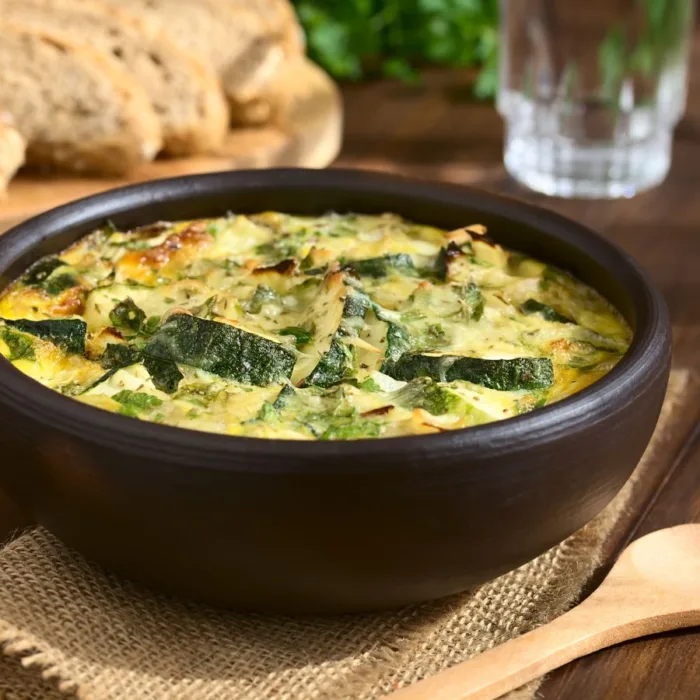



You will find here, many more mediterranean recipes:


…Or if you want to travel here to experience it first hand:


Discover here a selection of posts offering practical tips and heartfelt insights on:
- motivation,
- family organization,
- meal planning,
- travel adventures,
- personal inspiration,
- Bible reflections,
- and parenting guided by biblical wisdom