
Mediterranean Diet as a Mild and Friendly Get Healthy – Lose Weight Diet
What Are the Main Qualities of Mediterranean Diet?
The Mediterranean Diet is more than just a set of food choices; it’s a lifestyle approach to eating that has been linked to numerous health benefits, including reduced risk of heart disease, stroke, type 2 diabetes, and certain cancers, as well as promoting longevity. Here are the core principles of the Mediterranean Diet:
1. Abundance of Plant Foods
- Vegetables and Fruits: these should form the bulk of your meals, providing essential nutrients, fiber, and antioxidants.
- Whole Grains: prefer whole grains like quinoa, brown rice, whole wheat bread, and farro over refined grains.
- Legumes: beans, lentils, chickpeas, and peas are regularly consumed for their fiber, protein, and other nutrients.
- Nuts and Seeds: almonds, walnuts, hazelnuts, sunflower seeds, etc., are eaten daily in moderation as snacks or in cooking.


2. Healthy Fats
- Olive Oil: The primary source of added fat, used for cooking, dressings, and as a flavor enhancer. It’s rich in monounsaturated fats and antioxidants.
- Omega-3 Fatty Acids: From fish like salmon, sardines, mackerel, and plant sources like flaxseeds and walnuts.
3. Moderate Fish and Poultry
- Fish and Seafood: at least twice a week, focusing on fatty fish high in omega-3s.
- Poultry: consumed in moderate amounts, less frequently than fish.
4. Limited Red Meat
- Red meat should be consumed less often, perhaps a few times a month, or in small portions.
5. Dairy in Moderation
- Yogurt and Cheese: Preferably low-fat or moderate amounts, for calcium and probiotics.
6. Eggs
- Eggs can be eaten in moderation, often boiled or as part of dishes like frittatas.
7. Herbs and Spices
- Use herbs (like basil, oregano, rosemary) and spices liberally to flavor food, reducing the need for salt.

8. Wine in Moderation
- Red wine, typically consumed with meals, is optional. If consumed, it should be in moderation—one glass per day for women and up to two for men.
9. Social Eating
- Meals are often a social event, eaten with family and friends, which can contribute to stress reduction and overall well-being.
10. Physical Activity
- Regular physical activity is an integral part of the Mediterranean lifestyle, not just a separate component. You will find that in the mediterraneans people just like to hang together! They eat, they play team sports several times per week. So, the sun kisses them with vitamin D, they move, they laugh, they love and eat. And thus they are healthier!
11. Fresh, Local, and Seasonal
- Emphasis on eating foods that are fresh, locally grown, and in season, which ensures nutrient density and supports local economies.

12. Mindful Eating
- Eating slowly, enjoying the meal, and listening to hunger cues rather than overeating.
13. Avoidance of Processed Foods
- Limit processed foods, sweets, and refined grains. Natural sugars from fruits are preferred over added sugars.
14. Water as Main Beverage
- Water is the primary beverage, with the occasional coffee or tea without sugar.
15. Quality over Quantity
- The focus is on the quality of food rather than quantity, encouraging a satisfying yet moderate intake.
16. Meal Structure
- Breakfast often includes fruits, yogurt, or whole grains. Lunch might be the main meal, featuring a variety of dishes. Dinner is lighter, focusing on vegetables, perhaps with fish or poultry.
This dietary pattern does not strictly define portions but rather encourages moderation and balance. The Mediterranean Diet is adaptable, allowing for regional variations while maintaining its core principles. Its holistic approach, combining diet with lifestyle factors, is what sets it apart and contributes to its health benefits.
What are the main principles when formulating a mediterranean diet menu?
General Principles
In addition to the general principles of a normal mediterranean cooking and eating style (which I detailed in this article), namely:
- Prioritize plant foods in every meal.
- Use olive oil as the primary fat source.
- Include fish and seafood more often than red meat.
- Keep dairy products in moderation.
- Use whole grains and legumes regularly.
- Season with herbs and spices.
- Plan for larger meals earlier in the day with lighter dinners.
- Provide variety to ensure a broad nutritional intake.
- Encourage a mix of cooked and raw vegetables for different nutrient profiles.
- Keep portions in check to promote moderation.
- Integrate snacks that are nutrient-dense and align with the diet’s ethos.
Additional mediterranean specific principles
…the mediterranean diet menu is structured to reflect these principles too:
- No overeating: meals are portioned to avoid it, with an emphasis on feeling satisfied but not stuffed. Please take here into account that you need to maintain the number of macronutrients needed (especially proteins and fats). These are determined for each person individually, depending on their sex, weight, age, losing weight time frame. Since this is a pretty complex subject, I detailed here the case study for myself. You can use it, changing for your parameters.
- Use herbs and spices: fresh or dried herbs like rosemary, thyme, basil, and spices like cumin or paprika for flavor without adding salt or unhealthy fats.
- The right combination of foods: meals often combine different food groups:
- Fats and Vegetables: olive oil with salads or cooked vegetables.
- Carbohydrates with Proteins: whole grains with legumes or fish for balanced nutrition.
- Cooked vs. Raw: raw salads for lunch, cooked vegetables for dinner to vary nutrient absorption and intake.
- Meal Timing: breakfast and lunch are more substantial to fuel the day, while dinner is lighter, aiding in digestion before sleep.
- Variety: Seasonal vegetables and fruits are rotated to ensure a wide range of nutrients, adapting to what’s fresh and available.
- Spring and Summer: Emphasize fresh, raw vegetables like tomatoes, cucumbers, zucchini, and berries. Use fresh herbs like basil and mint which thrive in these months.
- Autumn and Winter: Shift towards root vegetables (squash, carrots, beets), leafy greens like kale, and seasonal fruits like apples and pears. Use heartier herbs like rosemary and thyme.
How to build a mediterranean diet menu?
Here’s a model on how the Mediterranean diet principles can be applied to a daily menu structure, including approximate quantities, ingredient combinations, and meal times:

Breakfast (7:00 AM – 9:00 AM)
- Prioritize Wholesome Foods:
- greek Yogurt with Fresh Fruits: 1 cup of Greek yogurt (low-fat), topped with 1/2 cup of mixed berries (strawberries, blueberries) and 1 tbsp of honey or a handful of nuts like almonds or walnuts.
- whole Grain Bread: 1-2 slices of whole grain bread, toasted, with 1 tbsp of olive oil or a thin spread of avocado.
- Use Olive Oil:
- use very little! olive oil for drizzling over bread or yogurt if desired. I will detail the quantities in the general principles for making your own diet, here!
- Adapt for seasonality: instead of mixed berries, in summer, use peaches or melons; in winter, opt for oranges or grapefruit.
Mid-Morning Snack (10:30 AM – 11:00 AM)
- Nutrient-Dense Snacks (usually fruits or olives or nuts):
- a small handful of olives (about 5-6) or 1 small apple with a sprinkle of cinnamon or a handful of nuts
- Adapt for seasonality: in spring, a small bunch of radishes, in autumn, a handful of roasted chestnuts.
Lunch (12:30 PM – 2:00 PM)
- Larger Meal Earlier in the Day:
- salad: a large mixed salad with 1 cup of leafy greens, 1/2 cup of cherry tomatoes, cucumber, bell peppers, and a sprinkle of feta cheese (about 1 oz). Dress with 1-2 tbsp of extra virgin olive oil and lemon juice or vinegar.
- whole grains: 1/2 cup cooked farro or quinoa, seasoned with herbs like parsley or basil.
- fish or seafood: 4-6 oz grilled sardines or salmon, seasoned with lemon, garlic, and dill.
- Moderation in Dairy:
- the feta in the salad contributes to moderate dairy intake.
- Adapt for seasonality: summer tomatoes, fall squashes, winter greens.
Afternoon Snack (4:00 PM – 5:00 PM)
- Legumes and Vegetables (the legumes are important as they have a lot of carbs and so they will keep you away from the pantry later in the evening!):
- Hummus (1/4 cup) with carrot sticks or whole grain pita bread for dipping.
- Adapt for seasonality: You can use leafs and herbs in the spring (green spinach, dandelion, iceberg salad – a few leaves), in the summer tomatoes and cucumbers or bell peppers, in the fall squashes, winter black radish, beetroot (cooked or fresh, shaved with just a smidge of olive oil and salt) or kale.
Dinner (6:30 PM – 8:00 PM)
- Lighter Meals:
- vegetable stew: a mix of cooked vegetables like eggplant, zucchini, and tomatoes (1-1.5 cups total), flavored with herbs like oregano, basil, and a little olive oil.
- whole grains: a small portion of couscous or brown rice (1/2 cup cooked).
- fish or poultry: if you choose to include meat, perhaps a small piece of grilled chicken (3-4 oz) rather than red meat, or opt for more vegetables.
- Adapt for seasonality: in summer, lighter dishes with fresh veggies; in winter, stews with root vegetables.
Which are the local traditional ingredients of mediterranean diet?
Vegetables are seasonal, you will find them in turn since the beginning of June (mid May if the weather is warm) until December or even later. Also in spring the milk starts to “flow” and the chicken lay eggs, until mid November or so. This is on the farms. In shops you will find them all year round. But I would suggest, especially when dieting, to eat them in their season, as you were on an Italian farm. It’s healthier! The vegetables in their season are much fuller of nutrients and the eggs full of minerals from the grass and fruits chicken eat.
| Vegetables | Legumes | Fats (Nuts and Seeds): |
| Artichokes | Beans (Black, Cannellini, Kidney, Navy, etc.) | Almonds |
| Arugula | Chickpeas (Garbanzo beans) | Walnuts |
| Asparagus | Lentils (Brown, Green, Red) | Hazelnuts |
| Bell peppers | Fava beans (Broad beans) | Pistachios |
| Broccoli | Peas (Dried) | Pine nuts |
| Brussels sprouts | Lupini beans | Sesame seeds |
| Cabbage | Carbohydrates (Whole Grains): | Sunflower seeds |
| Carrots | Barley | Flaxseeds |
| Cauliflower | Bulgur | Proteins (Fish and Seafood): |
| Celery | Couscous (whole wheat) | Anchovies |
| Cucumbers | Farro | Sardines |
| Eggplant | Freekeh | Mackerel |
| Fennel | Millet | Salmon |
| Garlic | Oats | Trout |
| Green beans | Quinoa | Tuna (in moderation due to mercury) |
| Kale | Rye | Mussels |
| Leeks | Spelt | Clams |
| Lettuce | Whole grain pasta | Shrimp |
| Mushrooms | Whole grain bread | Proteins (Poultry): |
| Onions | Carbohydrates (Tubers): | Chicken |
| Peas | Potatoes (in moderation) | Turkey |
| Radishes | Sweet potatoes | Proteins (Eggs): Used in moderation, often in dishes like omelets or frittatas |
| Spinach | Fats (Healthy Fats): | Proteins (Dairy): |
| Squash (Zucchini, Butternut, etc.) | Olive oil (extra virgin preferred) | Greek yogurt |
| Swiss Chard | Olives | Feta cheese |
| Tomatoes | Avocado (though not traditionally Mediterranean, widely adopted) | Ricotta |
| Turnips | Parmesan | |
| Mozzarella | ||
| Proteins (Red Meat): | ||
| Beef, lamb, pork (in much smaller quantities than fish or poultry) |
Notes:
- Legumes (also count as protein): beans, chickpeas, lentils, etc. (already listed above)
- Tofu or Tempeh: they are not traditional but sometimes used in some mediterranean-inspired vegetarian dishes (instead of dairy)
- Herbs and Spices: these add flavor without contributing significantly to any macro group, common ones include basil, oregano, rosemary, thyme, mint, and parsley.
- fruits: although not listed here, fruits are a key component for carbohydrates and fiber, like olives (which also provide fat).
- moderation: the mediterranean diet is about balance, with an emphasis on plant-based foods and healthy fats, moderate protein from fish and poultry, and less from red meat.

Other frequently asked questions about mediterranean cooking
Which mediterranean ingredients don’t have a big impact on your weight loss program?
Before I name them, I just want to make you aware that even these ingredients will impact your diet if you cook them with too much fat. So, beware of how much oil you will end up eating in a portion! (it should be no more than 1 teaspoon)
Having said that, here are some Mediterranean diet ingredients that generally have a low impact on weight due to their low calorie, high fiber, or high water content. So, they help with satiety without increasing too much the calorie intake. These are the vegetables! You can eat all vegetables you want, as long as you only use one tinny tiny teaspoon of extra virgin olive oil with them. From experience, I tell you: you will not be able to eat that many.
Why do they work so well?
- Variety: using a variety of these, they will cover all your nutrients needs, thus preventing overeating due to nutrient deficiencies.
- Hydration: many of these foods contribute to hydration, which is crucial for weight management as it can help control hunger. I want to stress here that you might find it excruciating to eat the quantity of vegetables with basically no fat, but you need it to hydrate yourself with “good” water. Otherwise, the thirst of lack of electrolytes will create hunger and you will lose control of your will of power!
- Satiety: high fiber content in many of these items helps in feeling full longer, reducing the likelihood of snacking on less healthy, calorie-dense foods.
In essence, these Mediterranean ingredients support a diet that’s naturally low in calorie density while being high in nutritional value, facilitating weight management when part of a balanced diet.
How do I start a mediterranean diet?
- Begin with Basics: focus on fruits, vegetables, whole grains, and legumes. Olive oil should be your primary fat source.
- Incorporate Fish: aim for at least two servings of fish per week, focusing on fatty fish like salmon or sardines for omega-3s.
- Moderate Other Proteins: poultry, eggs, and cheese in moderation. Red meat should be less frequent.
- Snack Wisely: Choose nuts, seeds, fruits, or yogurt for snacks.
- Reduce Processed Foods: Limit sugars, refined grains, and processed meats.
Which cooking methods should I use when I am dieting?
- Favor methods like grilling, baking, steaming, and sautéing with olive oil over deep-frying.
- Use herbs and spices for flavor instead of heavy sauces.

Can I Still Enjoy Desserts when dieting?
- Yes, but focus on fruit-based desserts or traditional Mediterranean sweets like baklava or yogurt with honey and nuts in moderation.
- Eat your desert right after the main meal of the day (lunch)
- the fiber, protein, and fats from the main meal will slow the absorption of sugars from the dessert, leading to a more gradual rise in blood sugar levels rather than a sharp spike
- since you are already full and nourished, you will not crave a big portion of cake, but rather will enjoy a small delicious bite to sooth your soul
- by having a planned dessert, you might be less inclined to crave sweets at other times of the day, managing cravings more effectively.
How Do I Manage Portion Sizes?
- If you don’t have time to make calculations specifically for your body (see here how) or if you don’t intend to lose weight, use the plate method: half vegetables, a quarter protein, a quarter whole grains or legumes. Listen to your body’s hunger cues, aiming for satisfaction rather than fullness.
Is Wine Part of the Diet?
- if you intend to lose weight, it might be better not to consume alcohol at all. But don’t worry, one glass of red wine once in a blue moon will not mess up your diet
- if you are just trying to eat healthier, red wine in moderation (one glass per day for women, two for men) can be included. Please note that consuming alcohol with the mediterranean diet is not a must, there are a lot of non-alcohol drinkers in this area too. It’s all about what your body tells you.
Can I Keep a Mediterranean Diet if I Have Dietary Restrictions?
- Yes, you can! The Mediterranean diet is flexible. Vegetarians can focus more on legumes, nuts, and seeds for protein. For gluten intolerance, choose gluten-free grains like quinoa or rice.
How Do I Know If I’m Keeping the Mediterranean Diet Right?
- You’re on track if your meals are colorful (from varied vegetables and fruits), if you’re using olive oil, if fish features regularly, and if you’re eating more plant-based foods than animal products!
What Are Common Pitfalls to Avoid When Eating a Mediterranean Diet?
Overusing cheese or dairy, eating too much red meat, or not diversifying your sources of healthy fats beyond olive oil. Also, beware of hidden sugars in processed Mediterranean foods.



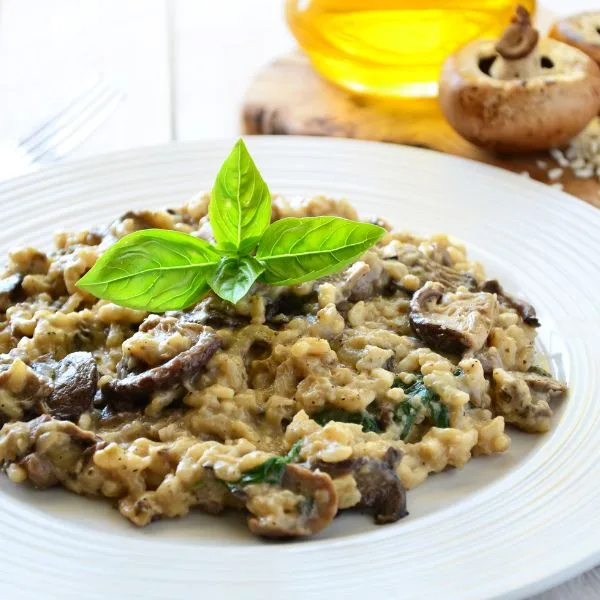


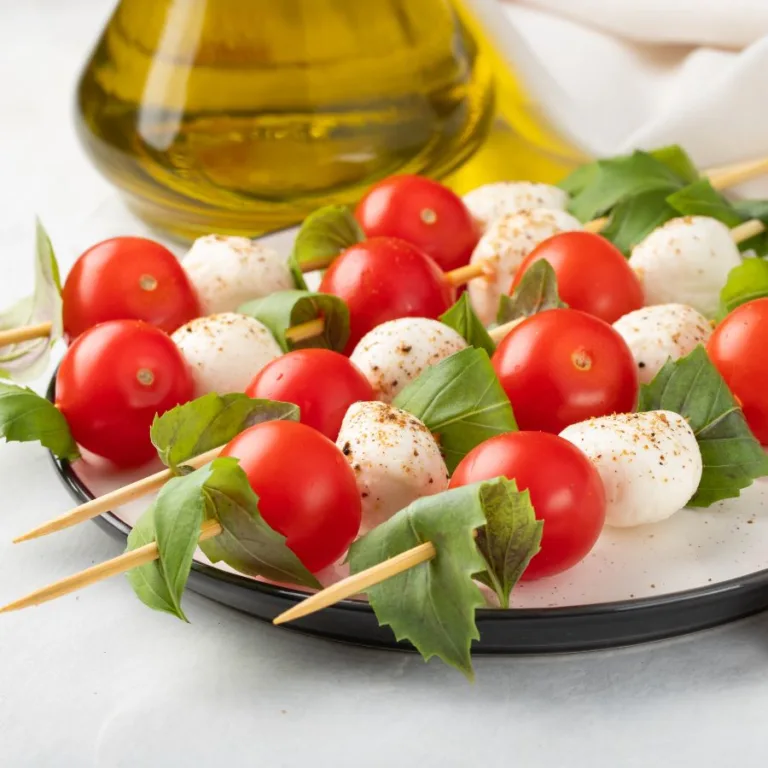



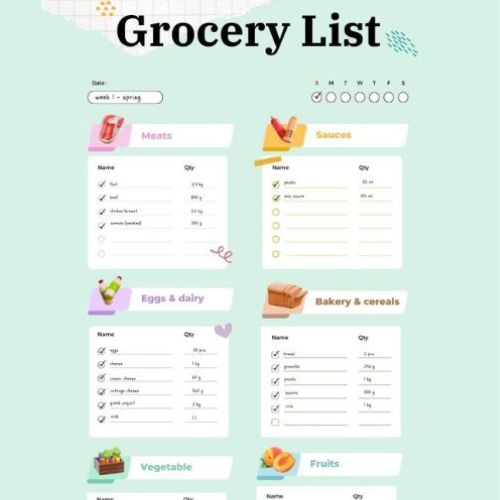


you totally hooked me with the olive oil angle—I had no idea it was such a big deal, and now I’m ready to pour it on everything. I love the colorful picturews, so well I’m already starving, and the wine part? Genius—makes it feel like I’m not signing up for some boring, strict plan. You’ve got a knack for making this sound like a lifestyle I’d actually want.
it’s way less intimidating than I thought. It’s all about fresh veggies, fish, and olive oil, which I already like, so it doesn’t feel like a total overhaul. I love the science about heart health, that made me feel smart for considering it. I might actually give this a shot since it’s more about enjoying food than stressing over calories.
The article’s got me craving some grilled fish and veggies after all that talk about simple, tasty meals
After this read, I’m thinking the Mediterranean diet could be my vibe—fresh food, no crazy rules, just good eating.
This post makes it sound so doable—lots of fresh stuff and not too strict, I love it!
I had no clue the diet was so big on beans and lentils—might have to try those recipes you mentioned.
..the way the article ties the diet to a chill lifestyle with family meals kinda makes me want to slow down and enjoy food more
Reading this, I’m surprised how much wine’s okay in moderation; guess I don’t have to feel guilty about a glass with dinner…
I like how it explains the health perks—like better heart health—without making it feel like a lecture
I didn’t realize olive oil was such a big deal in the Mediterranean diet until I read this; now I’m ready to drizzle it on everything.
Okay, this post about the Mediterranean Diet is seriously inspiring—I didn’t realize it was this chill and delicious! I’ve been stuck on “boring” chicken lately. How long do you think it takes to really feel the perks—like that energy boost you mentioned?